

We recently outlined the superhuman exploits of a gentleman from the south of England called C. B. (Charles Burgess) Fry (1872-1956). Not to be outdone, it appears that England’s industrial north also produced its own, now largely forgotten sporting hero, one Max(well) Woosnam.
Max Woosnam was born into a wealthy Liverpool family on 6th September 1892. Whilst much of his early years were spent in the tiny village of Aberhafesp near Newtown in Mid Wales, Max went on to attend Winchester College, where he captained both the golf and cricket teams as well as representing the school at football and squash. In 1911 he was acknowledged as one of the school’s players of the year, after he hit 144 and 33 not out for a Public Schools XI in a cricket match against the M.C.C. at Lords.
 Later in 1911 Max enrolled at Cambridge University. At Cambridge he quickly established himself to be a genuine outstanding sporting all-rounder, representing the university at cricket, lawn tennis and real tennis, and captaining the association football (soccer) team. It also appears that he enjoyed a round or two of golf, being a scratch golfer!
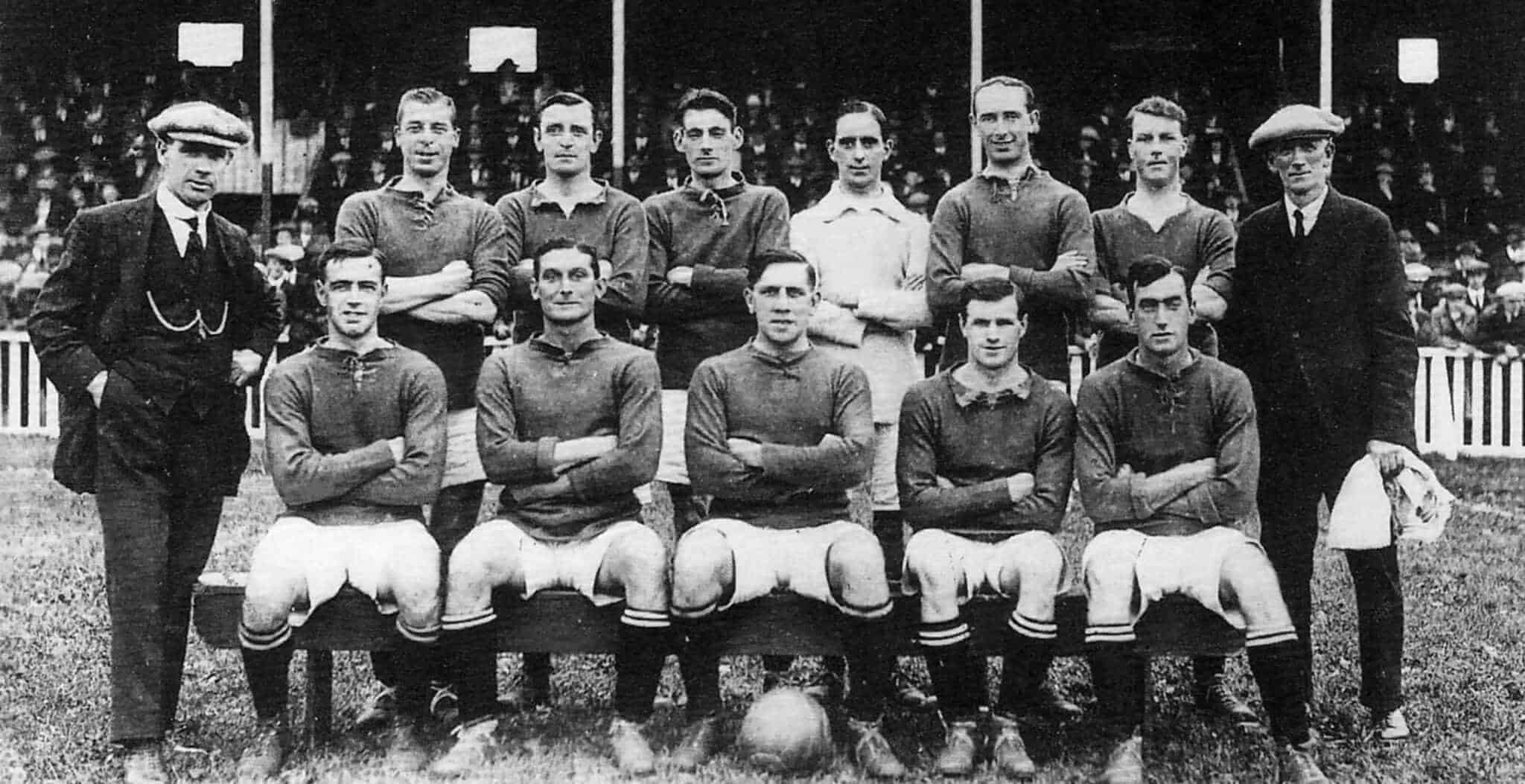
An outstanding centre-half, Max played soccer for Chelsea and was on tour in Brazil with the then famous amateur side The Corinthian Casuals when the First World War broke out.
Max was amongst the first to enlist and fought with distinction, enduring the bloody horrors of both the Western Front and the Gallipoli Campaign.
After the war Max was able to resume his sporting career; not for payment mind you, he found the concept of professional sport particularly ‘vulgar’, and so after moving to Manchester he signed for Manchester City on amateur terms.
As an amateur amongst professionals, Max obviously stood out at Manchester City, so much so that at the behest of his fellow players, he went on to captain the side. In 1922 Max also became one of the few amateurs to gain an England cap in a full international when he was chosen as captain against Wales. He was also asked whether he would captain the British soccer team at the forthcoming Olympics, but he refused the honour, as he was already committed to the tennis team.
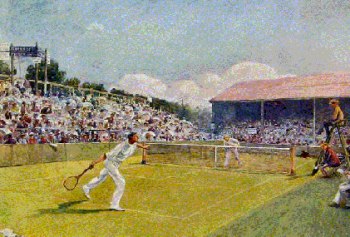
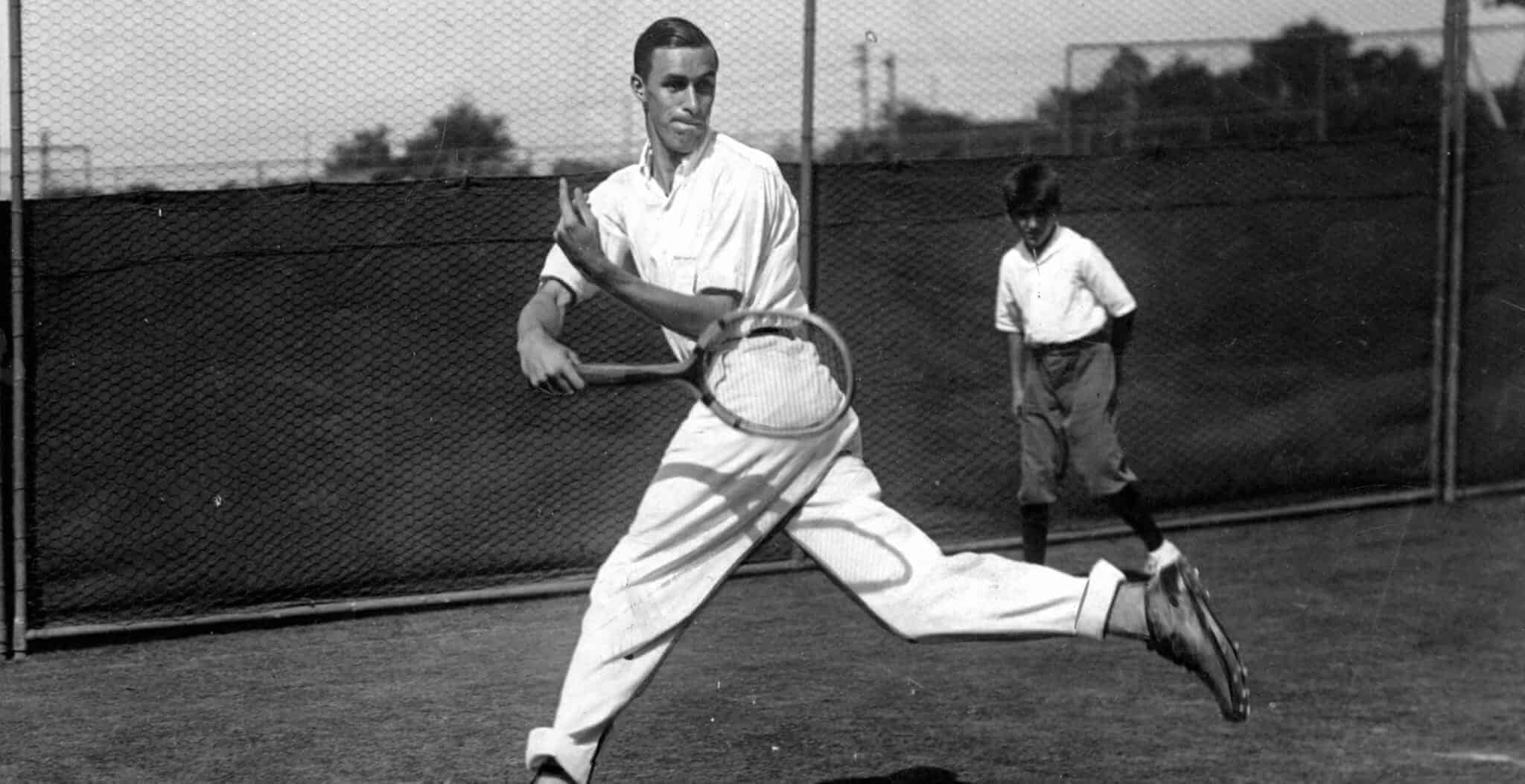
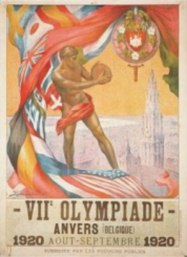
In the 1920 Olympic Games at Antwerp, he went on to win a gold medal as partner to O. G. N. Turnbull in the men’s tennis doubles and a silver medal in the mixed doubles. In 1921, together with R. Lycett he won the doubles at Wimbledon; in that same year he also captained the British Davis Cup team in America.
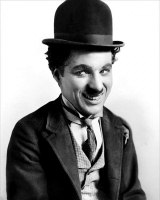 It was whilst he was in California that the captain of the British Davis Cup team was invited round for tea by Charlie Chaplin. Max and Charlie appear to have taken an instant dislike to one other. The Hollywood star’s ego is said to have been severely dented after first being soundly beaten on the tennis court and then, as if to rub salt into the wound, Max proceeded to thrash him at table tennis playing with a butter knife, his great party piece apparently!
After a working life spent mainly in the Cheshire chemical industry Max ended up as a member of the board at ICI. He died on the 14th July 1965 of respiratory failure.
In the years that have followed however, it appears that the memory of movie legend Charlie Chaplin has endured through his films, whilst the sporting legend Max Woosnam has been all but forgotten by the public.
According to Mick Collins in his book that chronicles Max’s life – All Round Genius: The Unknown Story of Britain’s Greatest Sportsman – the only surviving tribute to this great man of sport is an alley near Maine Road in Manchester called Max Woosnam Walk.
Published: 7th March 2015