

THE INVADERS –
Ø ANGLES AND SAXONS (AD 410)
Ø VIKINGS (AD 793)
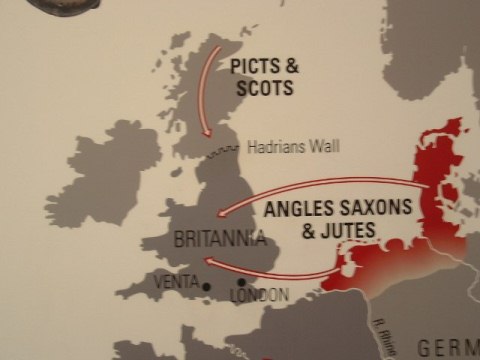
The Romans had been troubled by serious barbarian raids since around AD 360. Picts (northern Celts) from Scotland, Scots from Ireland (until 1400 the word ‘Scot’ meant an Irishman) and Anglo-Saxons from northern Germany and Scandinavia, all came to plunder the accumulated wealth of Roman Britain. The Roman legions began to withdraw from Britain in 383 to secure the Empire’s borders elsewhere in mainland Europe. By 410 all Roman troops had been withdrawn, leaving the cities of Britain and the remaining Romano-British to fend for themselves.
As the Romans departed, so did the source of any major written historical data. For the rest of the fifth century and early sixth century, England entered what is now referred to as a period of time known as the Dark Ages.
A time of legend, a time perhaps of a great hero and war leader of the Britain’s – King Arthur. Possibly a Romano-Celtic leader defending his lands from the pagan Anglo-Saxon invaders? It was during these Dark Ages that the Anglo-Saxons became established in eastern Britain.
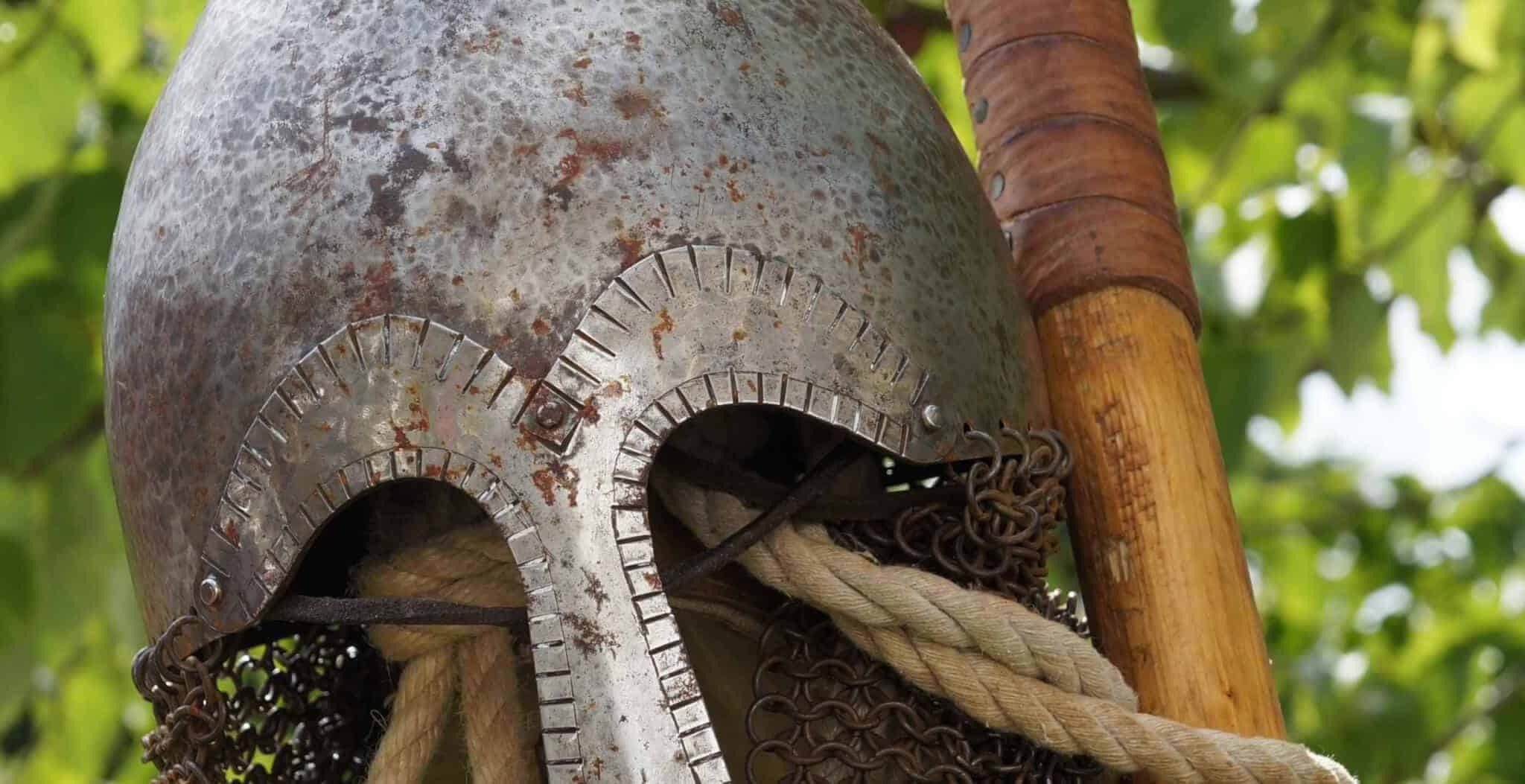
 The Romans had employed the mercenary services of the Saxons for hundreds of years, preferring to fight alongside them rather than against these fierce warriors. An arrangement, which probably worked well with the Roman military in place to control their numbers, using their mercenary services on an as required basis. Without the Romans in place at the ports of entry to issue visas and stamp passports however, immigration numbers appear to have got a little out of hand.
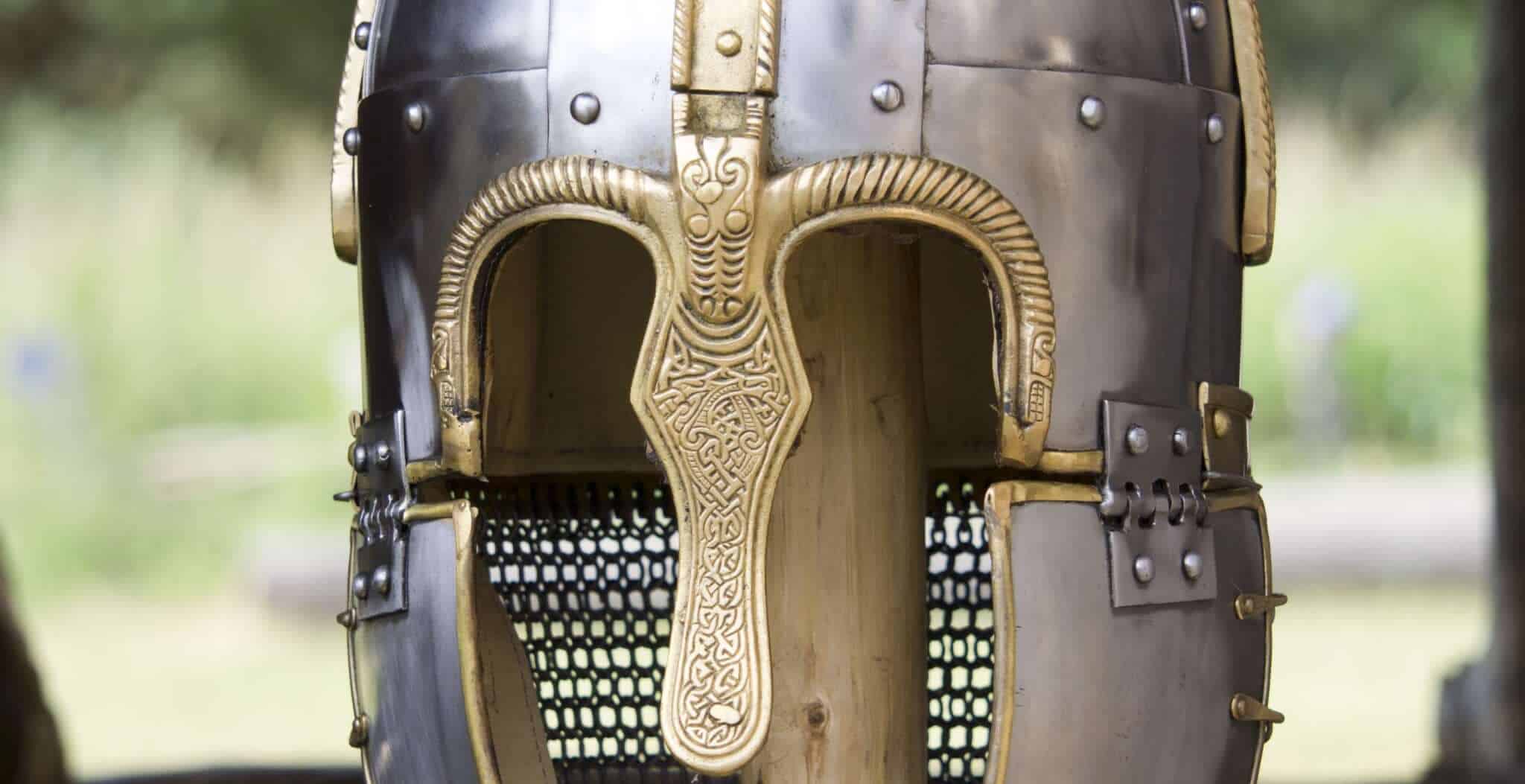
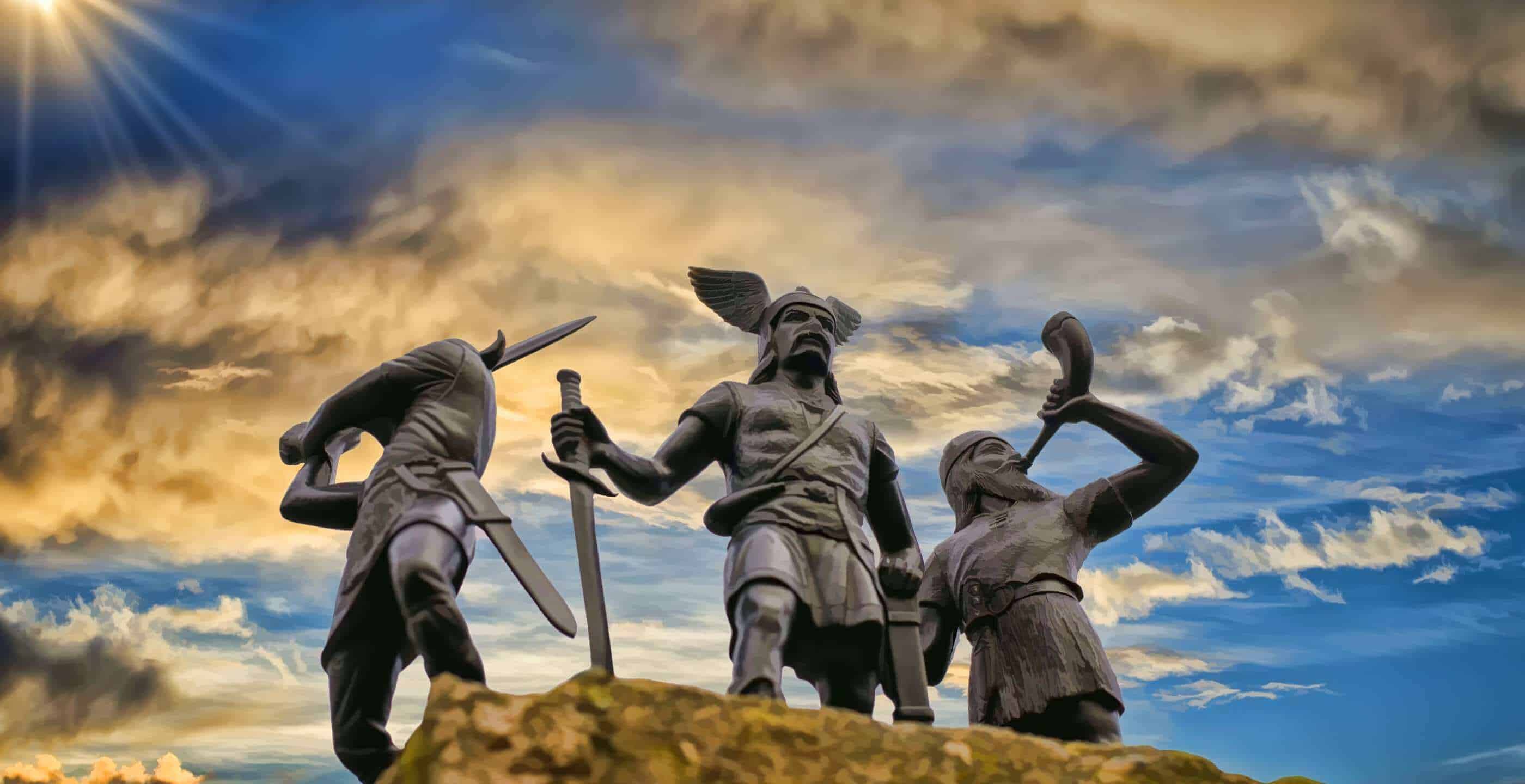
First Saxon warriors raided England’s south and east coasts. Little mercy was shown as men, women and children were slaughtered. A British monk Adomnan, suggested a Law of Innocents to protect the women and children. The Saxons appear to have rejected this strange and foreign concept! Following these early Saxon raids, from around 430 a host of Germanic migrants arrived in east and southeast England. The main groups being Jutes from the Jutland peninsula (modern Denmark); Angles from Angeln in southwest Jutland and the Saxons from northwest Germany. Much fun and fighting followed over the next hundred years or so as the invading kings and their armies established their kingdoms. Most of these kingdoms survive to this day, and are perhaps better know as the English counties / regions of; Kent (Jutes), Sussex (south Saxons), Wessex (west Saxons), Middlesex (middle Saxons), East Anglia (east Angles) and Northumbria (land north of the Humber).
The mighty Midlands kingdom of Mercia (west Angles) grew in importance with its warlike King Offa (757-96), established as Bretwalda, or “Britain Ruler” (King of Kings)! On the subject of King of Kings, Christianity also returned to the shores of southern England with the arrival of Saint Augustine in Kent in 597. The Kentish King Ethelbert was converted to the faith. The church and monastery of Lindisfarne, off the Northumbrian coast, was established in 635.
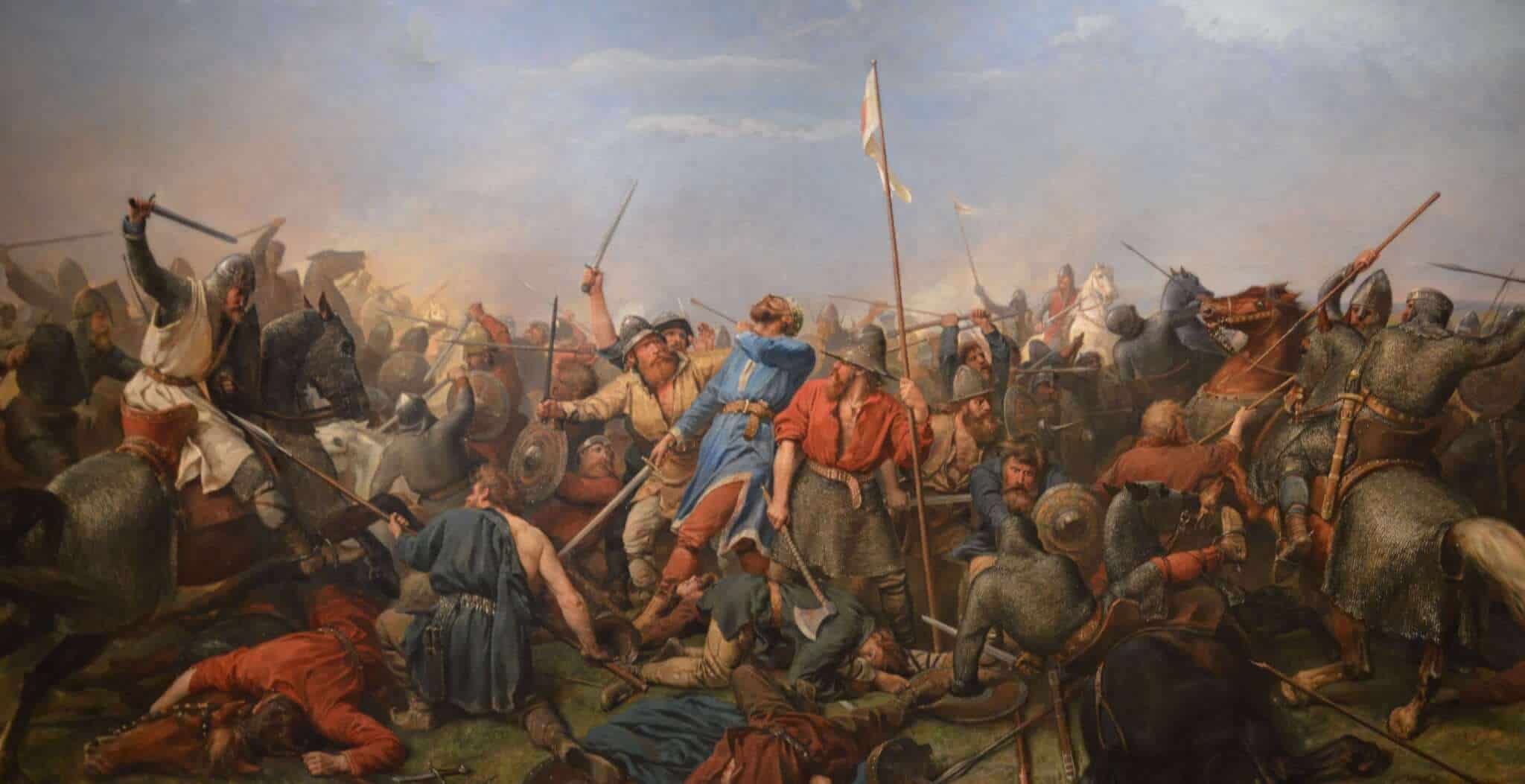
From 793 a new prayer could be heard at Matins across England, “Save us, Lord, from the fury of the Northmen!” The Northmen, or Vikings came from Scandinavia. Like the Saxons before them, the Viking onslaught first started with a few bloody raids. The first recorded raids include the sacking of the monasteries at Lindifarne, Jarrow, and Iona. The Great Heathen Army (Old English: mycel hæþen here) of mainly Danes landed in East Anglia in 865. Within nine years the Vikings had attacked and established their rule, or Danelaw, over the kingdoms of Northumbria and East Anglia, their former Anglo-Saxon kings having been put to the sword. The Vikings also ravaged the once mighty East Mercia, driving King Burgred overseas.
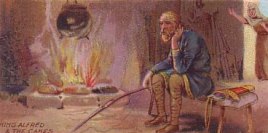
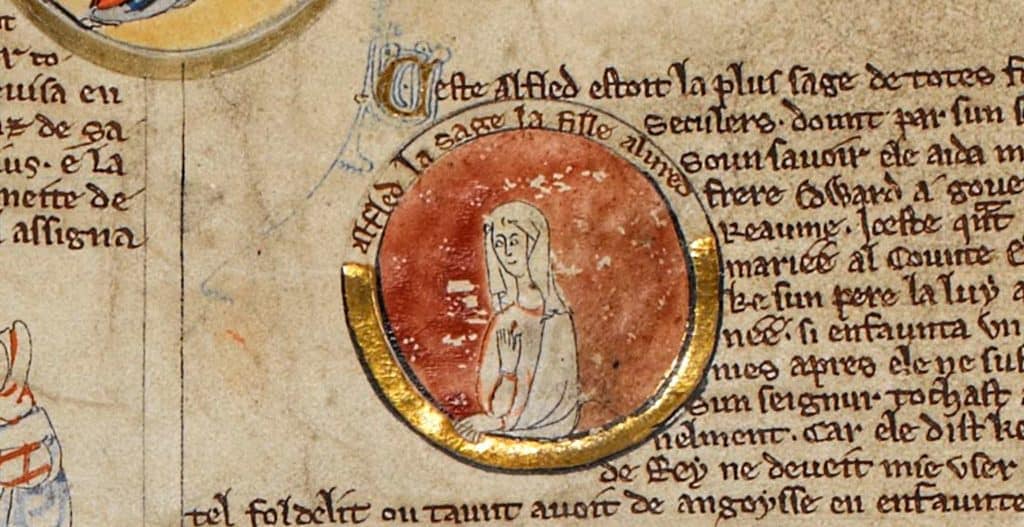
Alfred (The Great) the Saxon king of Wessex (871-99) recognised the opportunity to establish himself as Bretwalda. He added southeast Mercia as well as London and the Thames Valley to his territories and organised Anglo-Saxon resistance to the Viking onslaught. Between 912 and 954 Anglo-Saxon Wessex conquered Danelaw and the Viking Kingdom of York, exit one Mr Eric Bloodaxe, the last Viking king of York. It was in 937 at the Battle of Brunanburgh, that for the first time, the England of both Vikings and Saxons was united as a country, under the rule of Athelson, grandson of Alfred. Further, it was the Battle of Brunanburh that defined the countries that we now recognise as England, Scotland and Wales, ‘The battle that defined Britain’.
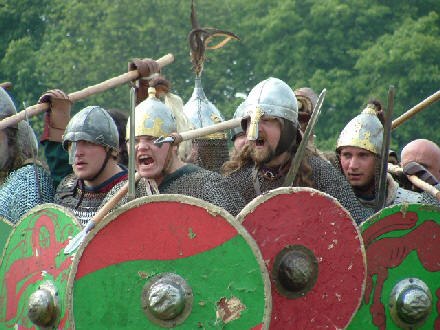
The good times ended with arrival on the throne of Aethelred the Unready. The Vikings had recognised some years earlier that whilst they enjoyed all of that looting and pillaging, just the threat of it was, in most instances, sufficient to extort money from their prey. This protection money, or Danegeld as it was called, was obviously much easier to obtain from a frightened weak king than from a strong one. Aethelred must have been very frightened, as more Saxon coinage has to date been found in Scandinavia than has been found in England. The country was bled dry. Smelling weakness from the other side of the North Sea, an army of King Sweyn Forkbeard of Denmark conquered England in 1009. Anticipating that he may have upset Sweyn a little, by having Sweyn’s sister killed a few year’s earlier during the St Brice’s Day Massacre, Aethelred fled abroad.
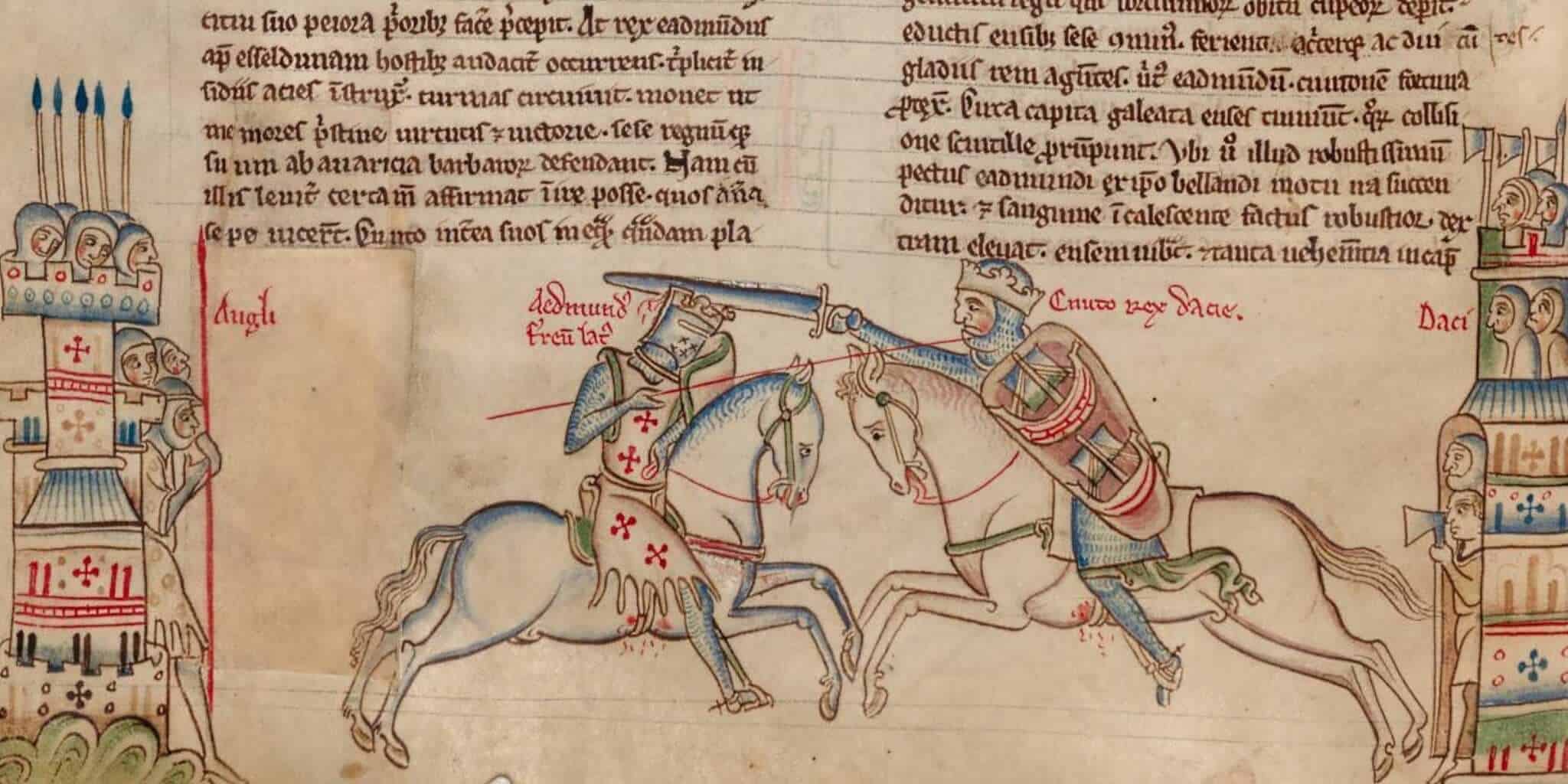
Sweyn, was followed by his son Canute, and subsequently his son Harthcanute – The Three Danish Kings of England.
When Harthcanute died in 1042, Edward (later known as The Confessor) was chosen as king. Edward was a Saxon – his real father was Aethelred the Unready.
 As established previously, anything to do with Aethelred was generally considered ‘bad news’ for England. Edward’s mother Emma, was from Normandy in northern France. The area had been gifted to the Nor(th)men or Vikings by the king of France, some 150 years earlier. Edward had spent much of his youth in Normandy, and Norman influence was evident in his London court.
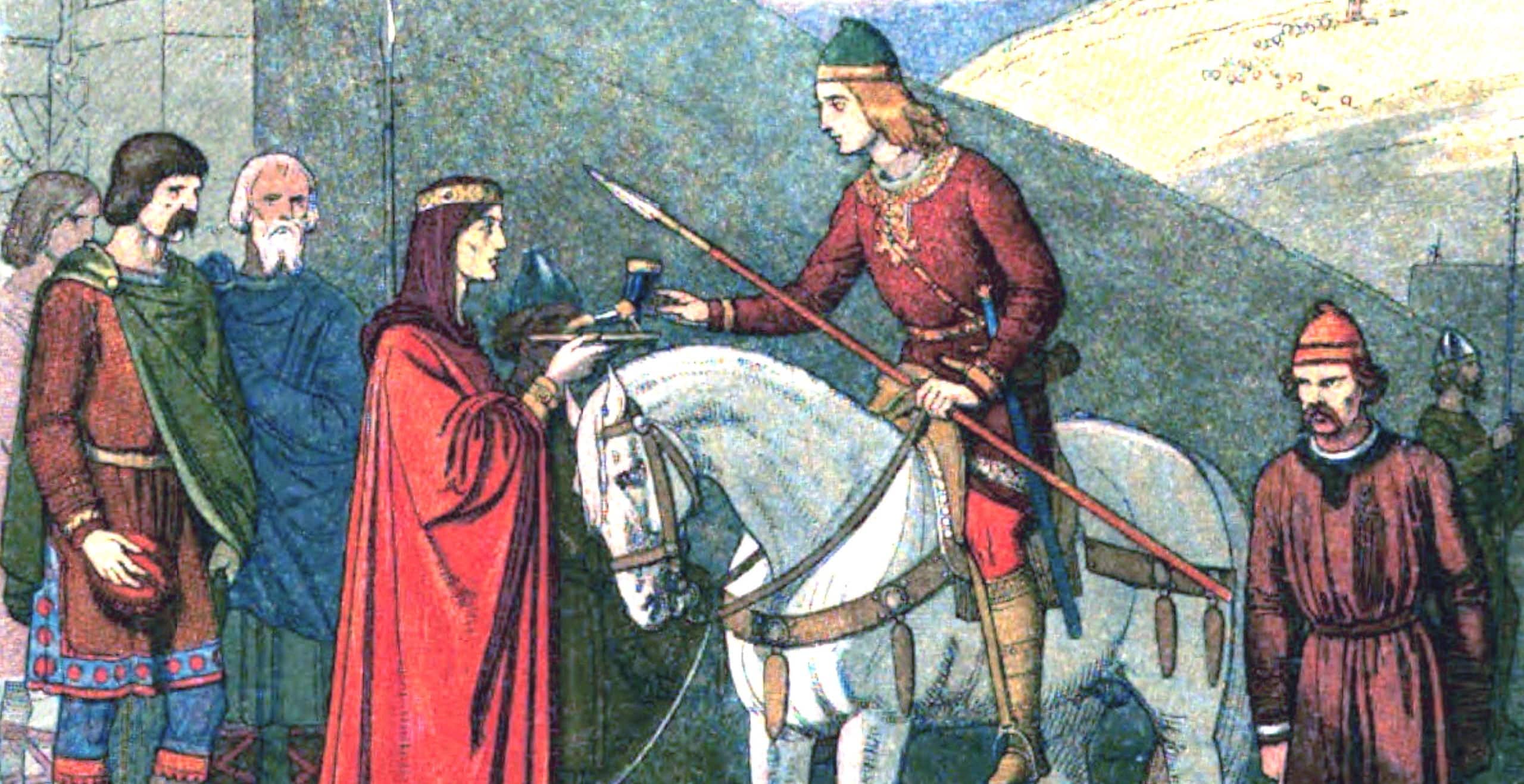
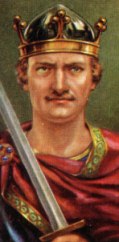
Amongst many Norman visitors to Edwards’s court came the Duke of Normandy himself, a red haired man named William. It was during this visit in 1052 that Edward the Confessor is said to have promised the Crown of England to William.
On the 5th January 1066 Edward died. The Witan (a council of high ranking men), elected Harold Godwin, Earl of Wessex, to be the next king of England. Back at home in Normandy, William had some problems in coming to terms with this decision… The Norman Conquest was on its way!
Published: 19th January 2015.