

It is often said that wars are either won at sea, in the air, or in the trenches; however this story relates to a ‘war of production’ – a war that was fought in the factories of Leeds by a brave band of Yorkshire women known as the The Barnbow Lasses.
The story also records the worst tragedy in the history of the City of Leeds – in terms of people killed – a story however that never made the news headlines of the day. It recalls a dreadful explosion that killed 35 Yorkshire women and girls at the Barnbow Munitions factory at Crossgates during the First World War.
The declaration of war with Germany in August 1914 created an unprecedented and urgent need for large volumes of arms and munitions. And although Leeds did not have much of an arms industry at that time, the canny City Fathers, together with established manufacturing companies, decided to build one from scratch and quickly created the Leeds Munitions Committee. Shells produced by the Leeds Forge Company at Armley would also be filled and armed within the boundaries of the city.
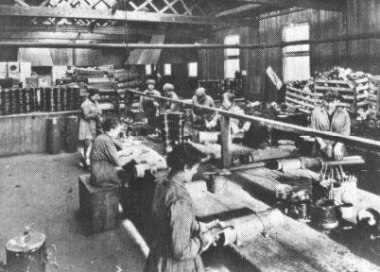
A governing board of directors comprising six local Leeds men was established and tasked with overseeing the construction of the First National Shell Filling Factory. They met in August 1915 and selected a site at Barnbow, between the Crossgates and Garforth areas of Leeds, to construct a factory the size of which was described as ‘a city within a city’.
Back in 1915 things were made to happen at a slightly faster rate than would happen in the England of today, as by August shell production had started in the new Armley factory, and within months this was producing more than 10,000 shells per week.
At the Barnbow site, railway workers laid tracks directly into the factory complex to transport raw materials into and finished goods out of the factory. Platforms over 800 feet long were added to the nearby railway station in order to bring the workers directly to the factory gates. Massive factory buildings were quickly constructed enabling shell filling operations to start in December 1915.
The frantic but well organised construction in the autumn of 1915 included the erection of overhead power lines to bring electricity to the site. This, together with a boiler house, provided power for the heating and lighting of the whole factory. A water main laid in just four weeks, would deliver 200,000 gallons of water daily. Rapid progress was also made on the infrastructure buildings including changing rooms, canteens, administration blocks, etc.
The Barnbow site would eventually extend to cover some 200 acres. There was however, a complete press blackout of the area due to security concerns.
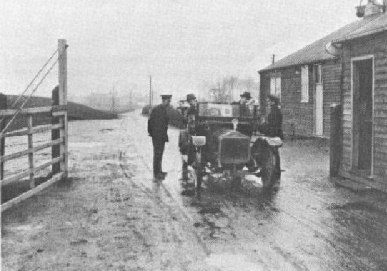
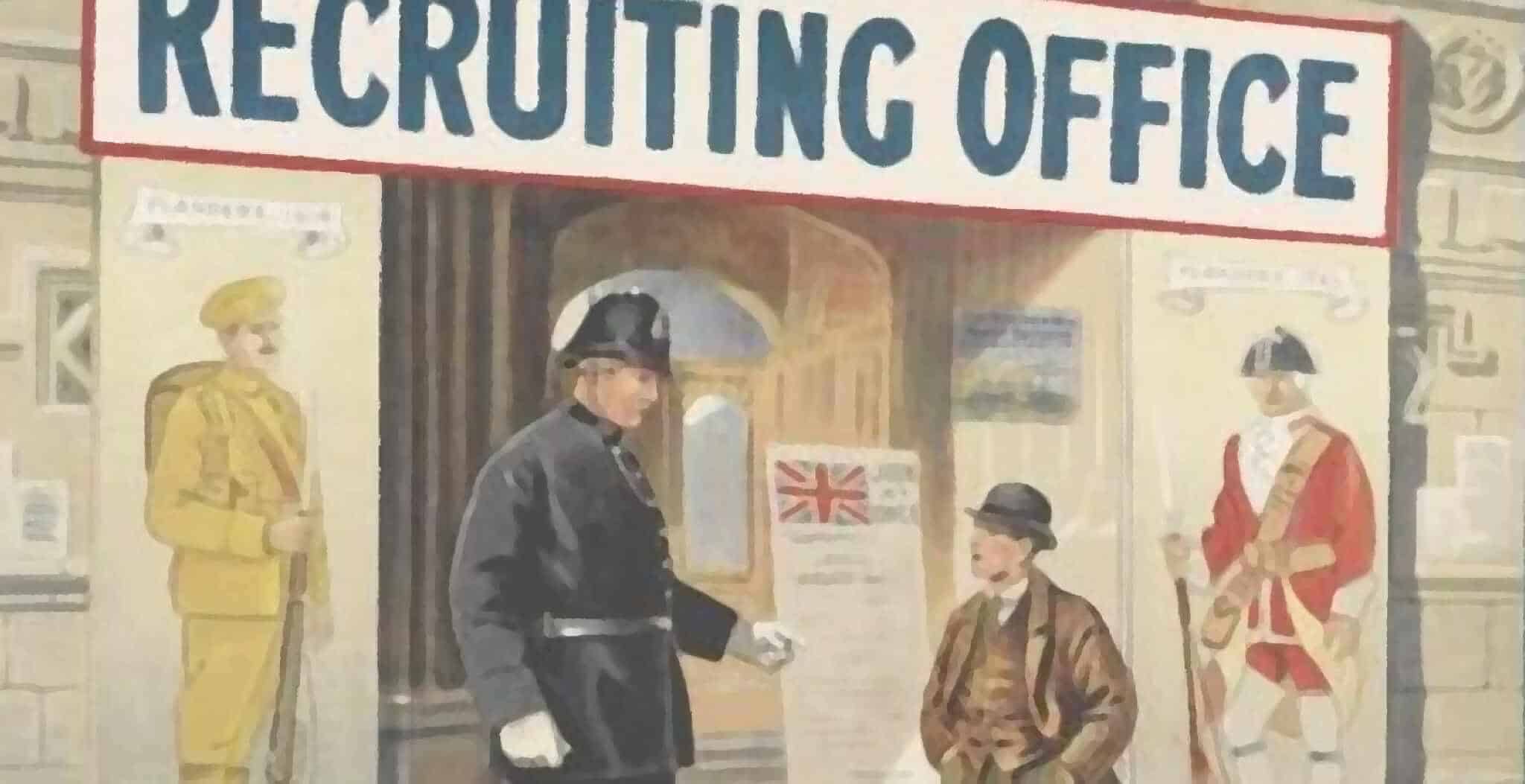
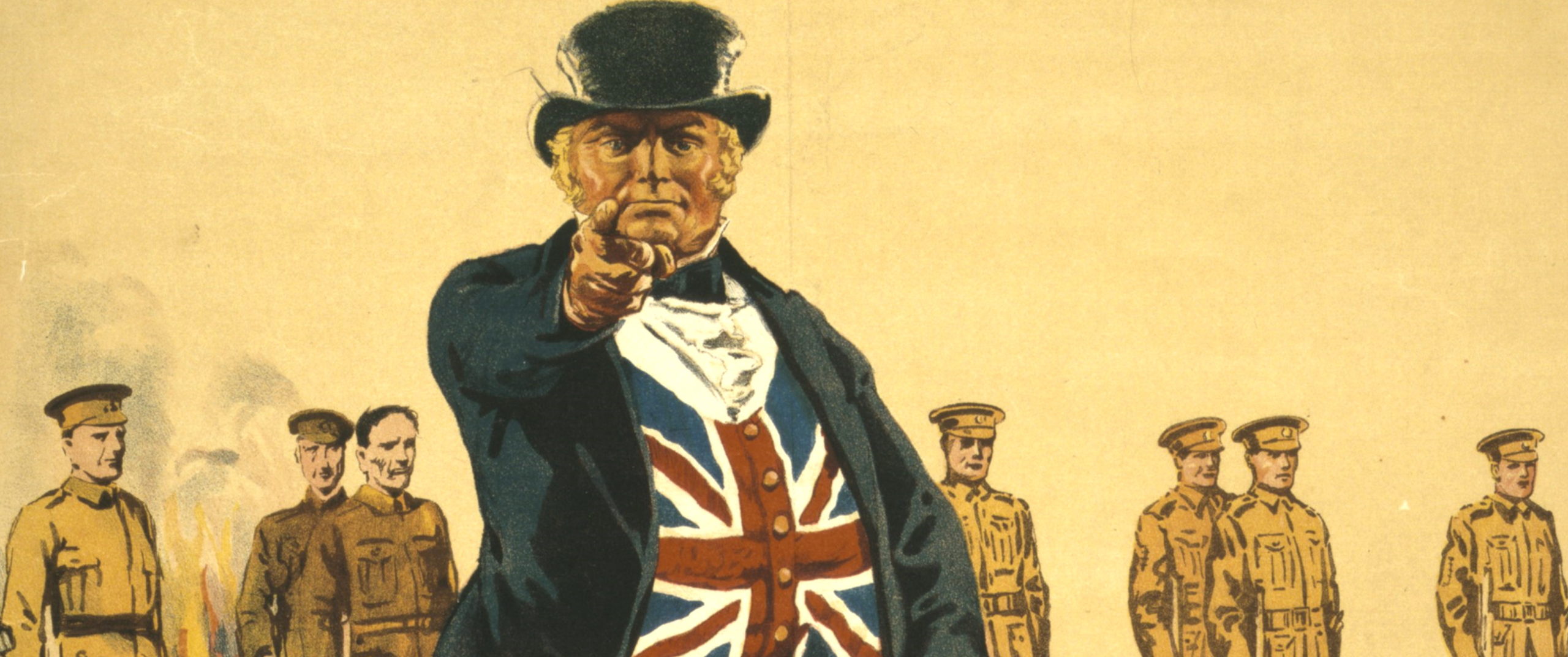
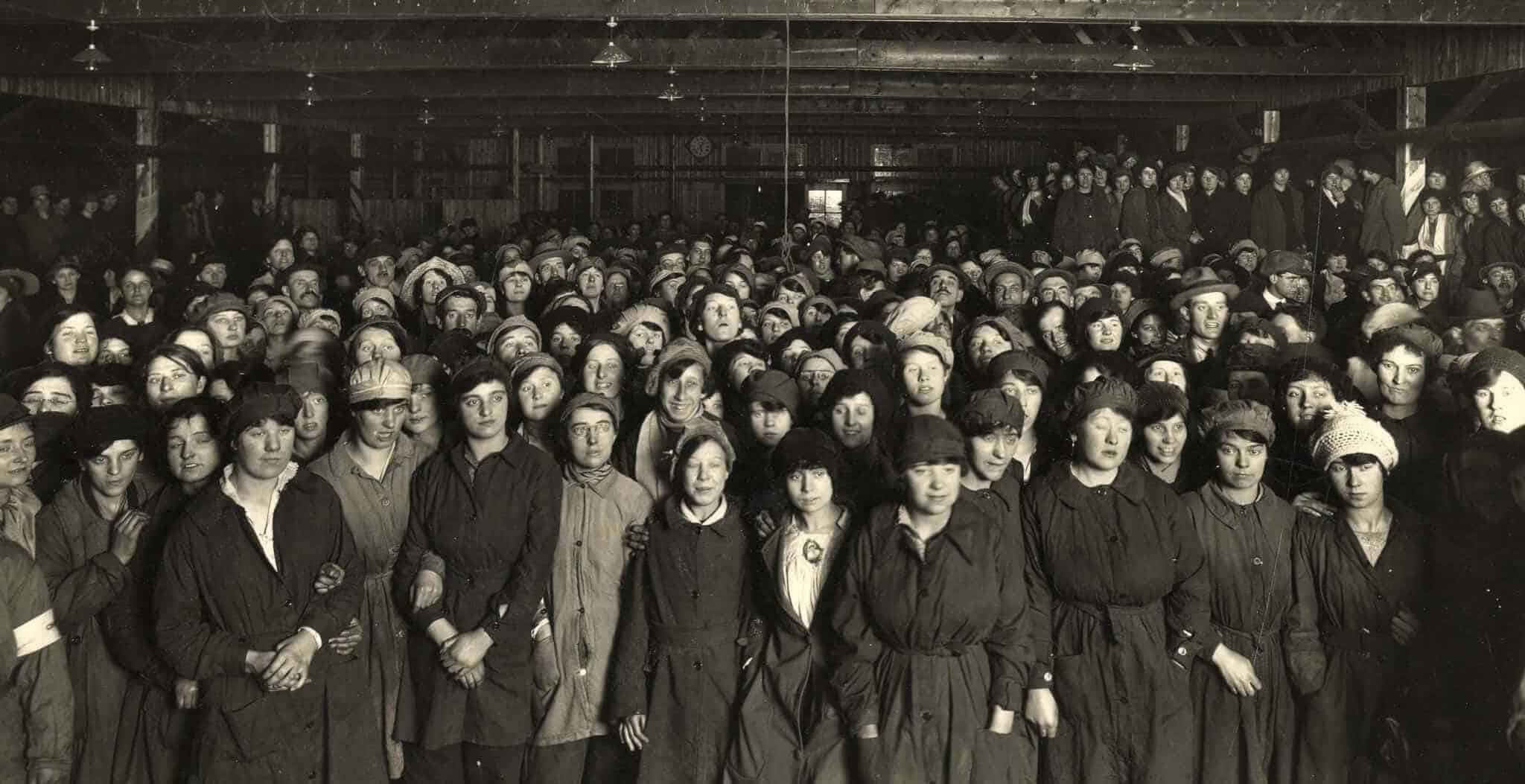
In order to recruit the large work force required to operate such a facility, an employment bureau was opened at Wellesley Barracks in Leeds. With one third of the workforce eventually recruited from Leeds, other workers came from nearby Castleford, Wakefield, Harrogate and many from the outlying villages. A 24-hour three shift system was introduced that operated 6 days a week, and by October 1916 the work force numbered 16,000. As the war continued and the death rate on the front increased, so the gradual replacement of male with female labour increased, until the Barnbow workforce comprised almost 93% women or girls.
At that time a typical munitions worker’s earnings averaged £3.0s.0d, however when a bonus scheme was put into production, the output of shells trebled and the girls handling the explosives were often taking home between £10 – £12, very big money indeed.
All aspects of the operation appear to have been efficiently run with the latest electric payroll systems including calculating machines being introduced. Thirty-eight trains per day, known as Barnbow Specials, transported the workforce to and from the site and employees were provided with free permits for home-to-work journeys.
Working conditions on the other hand were barely tolerable. Workers employed in handling explosives had to strip to their underwear and wear buttonless smocks and caps. All had to wear rubber soled shoes, and hairpins, combs, cigarettes and matches were all strictly forbidden. Hours were long, conditions poor and holidays simply did not exist!
Food rationing was severe but because of the nature of their work the employees were allowed to drink as much milk and barley water as they wanted. Barnbow even had its own farm, complete with 120 cows producing 300 gallons of milk a day. Working with cordite, a propellant for the shells, for long periods caused the skin of the operatives to turn yellow, the cure for which was to drink plenty of milk.
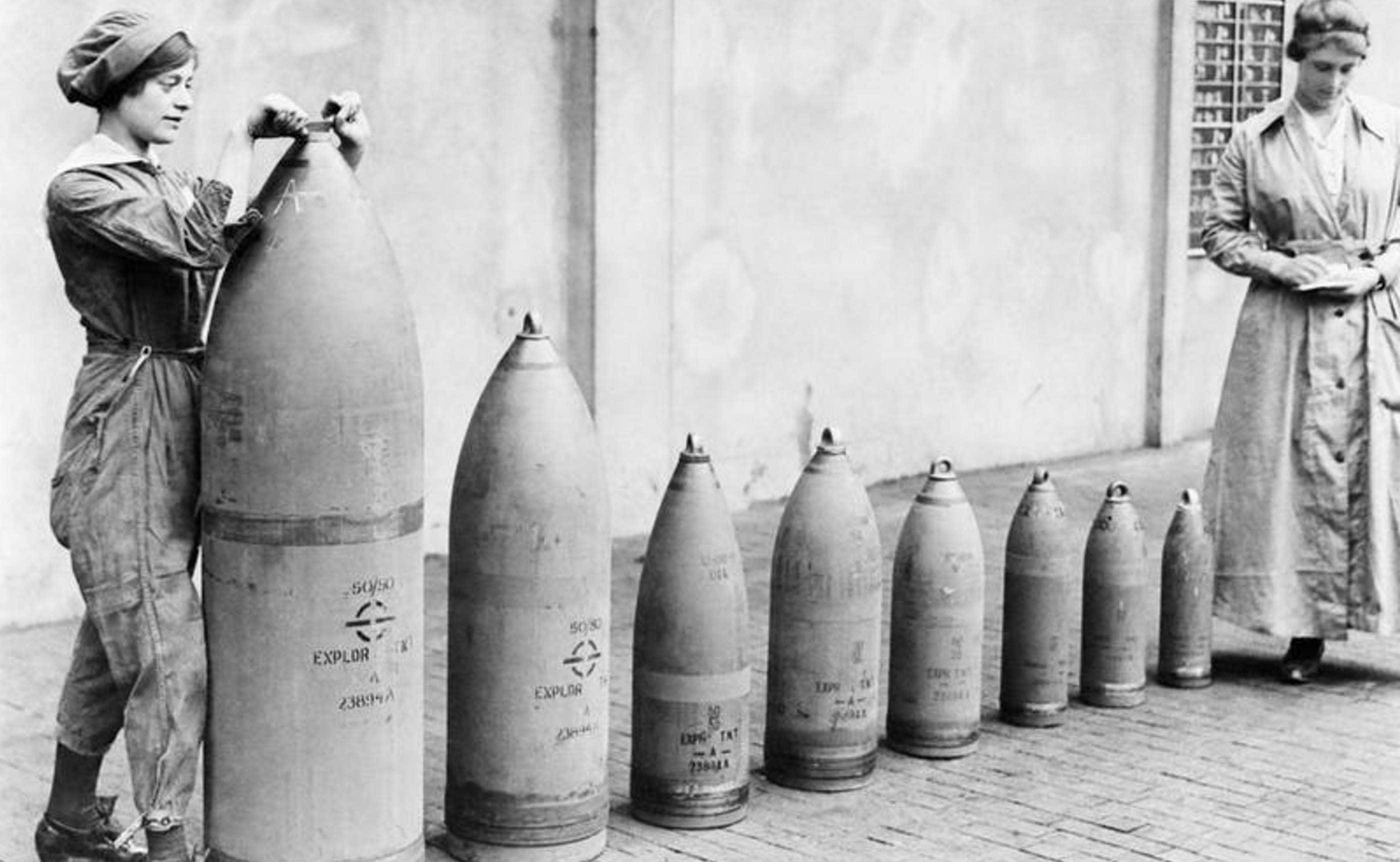
It was just after 10pm on Tuesday 5th December 1916, when several hundred women and girls had just begun their night shift. Their tasks that fateful evening consisted as they normally did, of filling, fusing, finishing off and packing 4½ inch shells. Room 42 was mainly used for the filling, and between 150 and 170 girls worked there. Shells were brought to the room already loaded with high explosive and all that remained was the insertion of the fuse and the screwing down of the cap. A girl inserted the fuse by hand, screwed it down and then it was taken and placed into a machine that revolved the shell and screwed the fuse down tightly.
At 10.27 pm a violent explosion rocked the very foundations of Room 42 killing 35 women outright, maiming and injuring dozens more. In some cases identification was only possible by the identity disks worn around the necks of the workers. The machine where the explosion had occurred was completely destroyed. Steam pipes had burst open and covered the floor with a cocktail of blood and water.
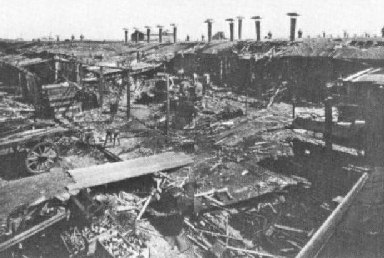
Despite the danger from further explosions other workers hurried into room 42 in order to help to bring the injured to safety. William Parkin, a mechanic at the factory, was one particular hero of the hour and he was later presented with an inscribed silver watch for his bravery in bringing out about a dozen girls.
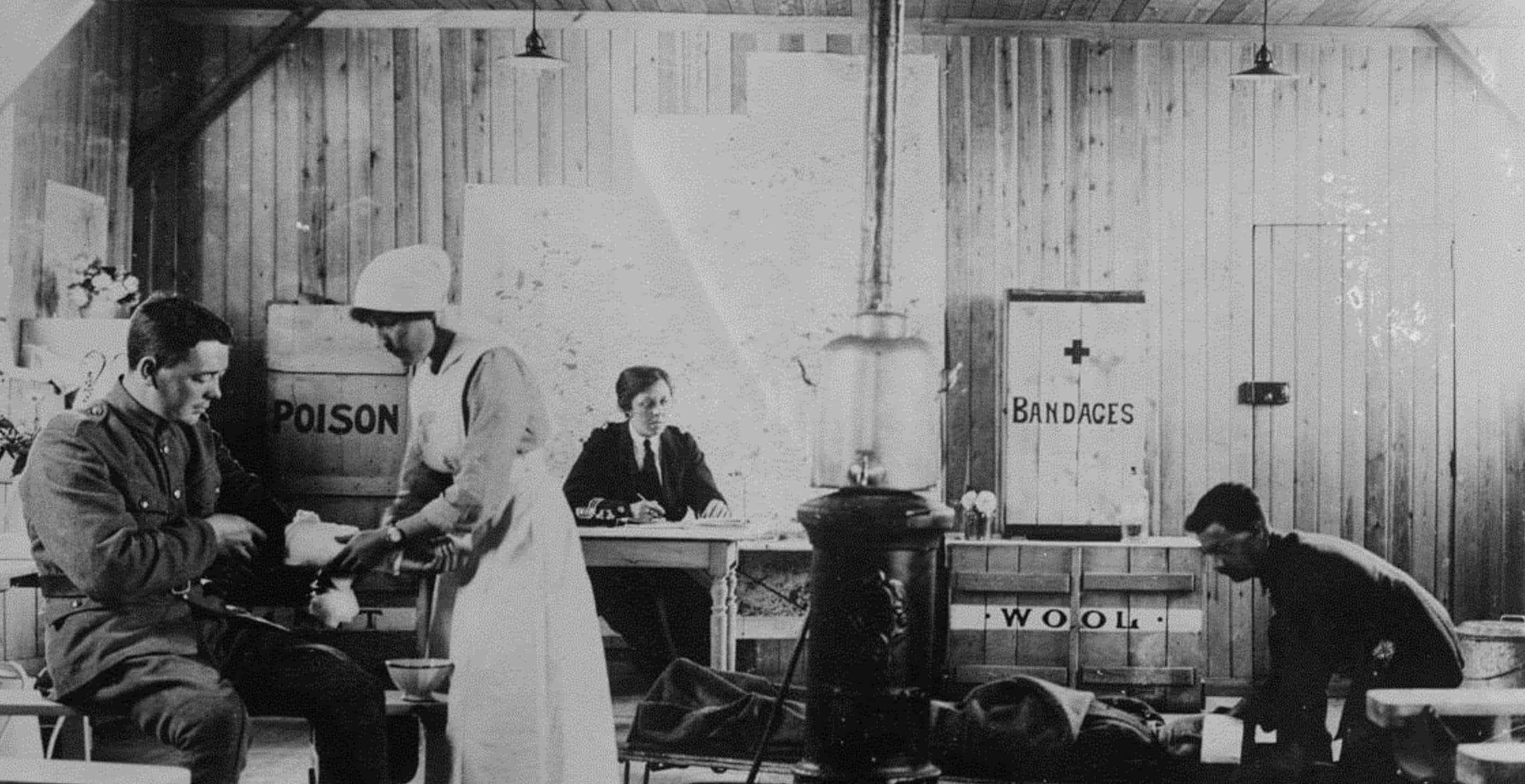
Within a few hours of the explosion, bodies having been taken out, other girls were volunteering to work in room 42. Production was stopped only briefly. Many of the injured girls were later taken for a period of convalescence to Weetwood Grange, which had been leased by Barnbow from the works Comfort Fund.
Due to the censorship of that time, no account of the accident was made public; however in a special order of the day issued from the British HQ in France, Field Marshall Sir Douglas Haigh paid tribute to the devotion and sacrifice of the munitions workers. The only clue to a tragedy having happened was in the many death notices in the Yorkshire Evening Post that stated, “killed by accident”.
It was not until six years after the war that the public were told the facts for the first time.
There were two further explosions at Barnbow, one in March 1917, killing two girl workers and another in May 1918, killing three men. A Roll of Honour of war dead, in the Colton Methodist Church, includes the name of the only Colton girl who died in the accident, a certain Ethel Jackson.
Barnbow was Britain’s premier shell factory between 1914 and 1918 and at the end of hostilities on 11 November 1918, production stopped for the first time. By that time a total of 566,000 tons of finished ammunition had been dispatched overseas.
All photographs courtesy of Leeds Library and Information Services
Footnote
The above article was originally compiled by Historic UK researchers in 2004. However in 2014 we were contacted by a lady who is the granddaughter of one of the ‘Barnbow Lasses’ who sadly lost her life in the factory.
Pauline Taylor’s grandmother Mary Elizabeth Wortley was one of the women killed at Barmbow in 1916. Whilst helping to provide her with further details concerning the event, our researchers uncovered some relatively new information. Following a link to a Yorkshire Evening Post article we were able to report back to Pauline that the good folk of Leeds had indeed remembered the sacrifices made by the ‘Barnbow Lasses’. Indeed, in 2012 they named a number of parks, buildings and streets in their memory. In particular, Pauline’s grandmother will be remembered forever by all who visit and enjoy Elizabeth Wortley Park.
Being presented with this news, Pauline’s final remarks bear testament to the sacrifices made by just one Yorkshire family…