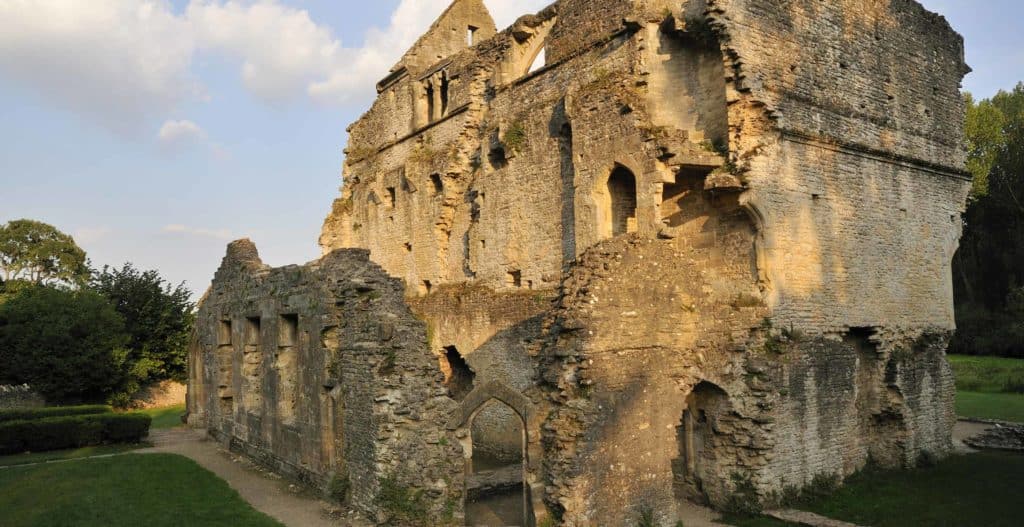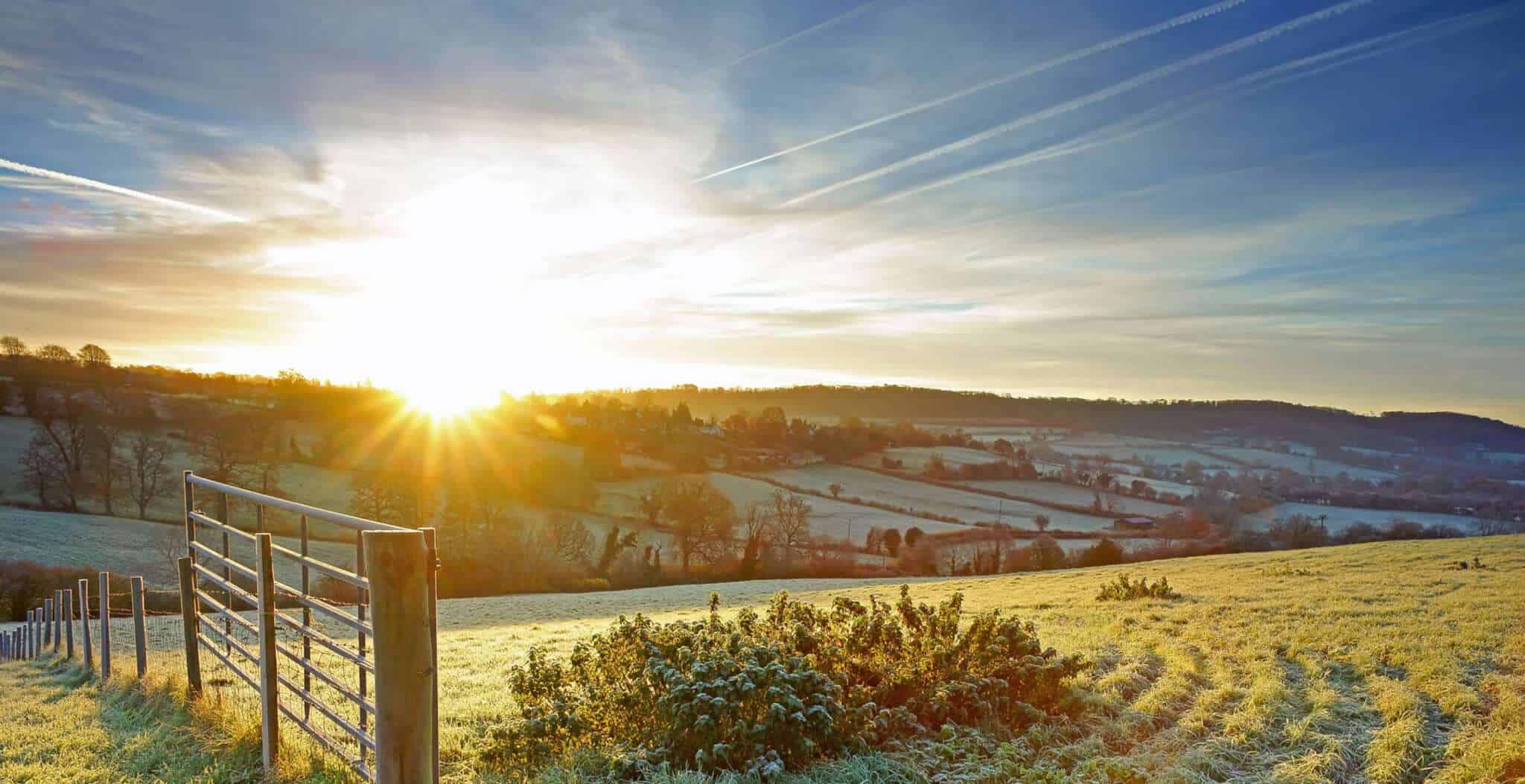


The Cotswolds – designated an Area of Outstanding Natural Beauty. Famous for picturesque villages of mellow honey-coloured stone, gentle hills, peaceful pastures and winding rivers. However 362 years ago it was a very different scene, for the Cotswolds were the setting for bloody battles and violent skirmishes during the English Civil War.
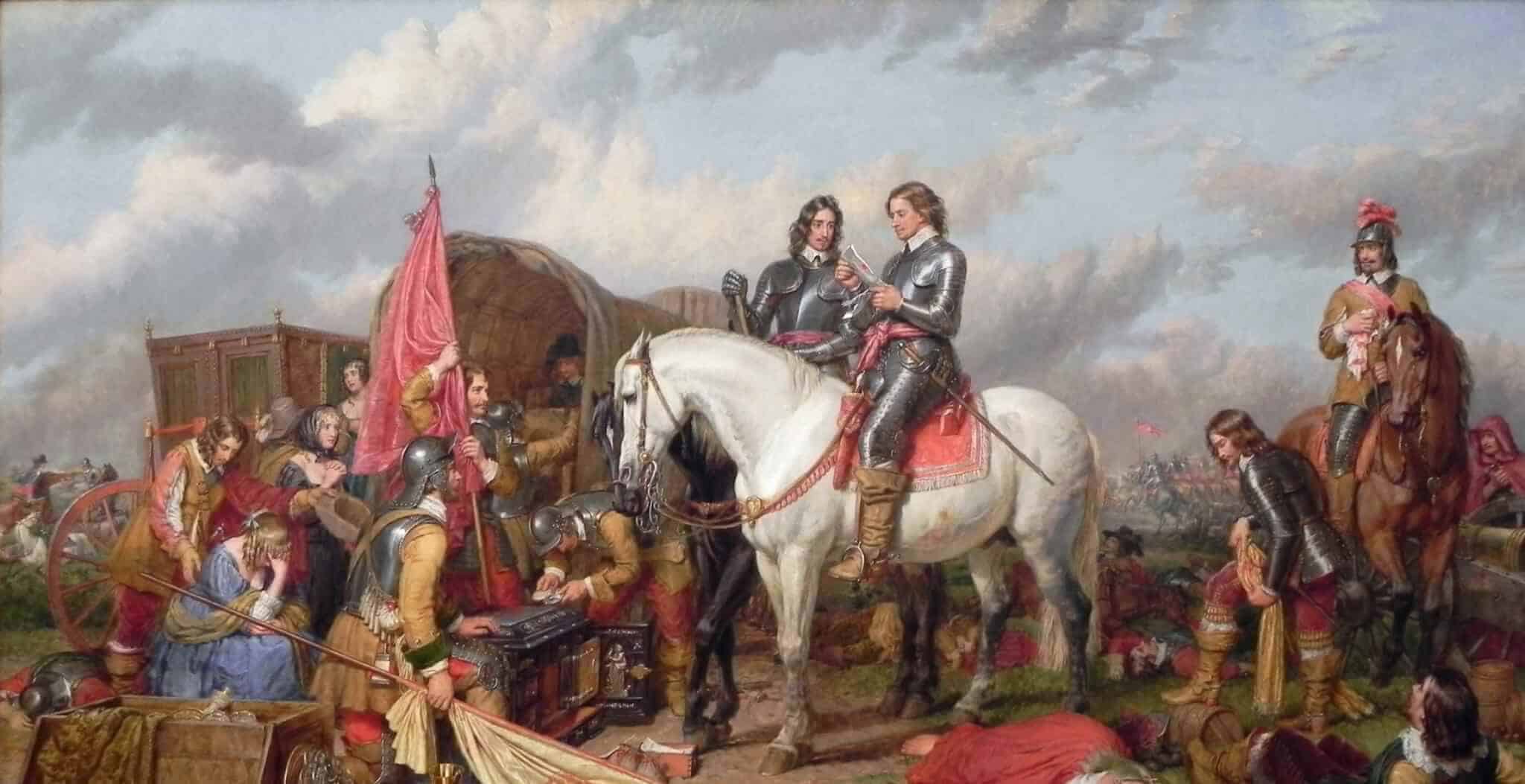
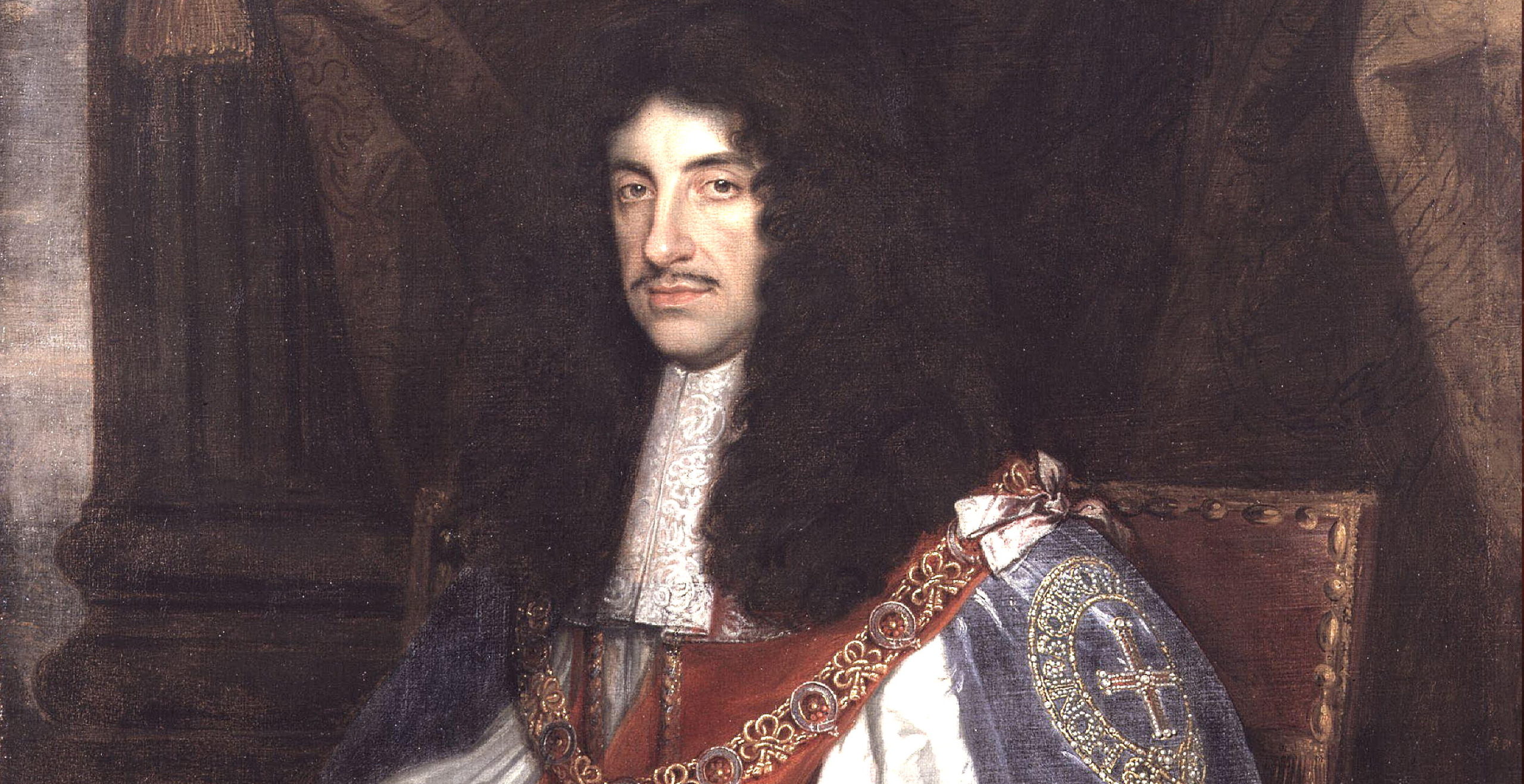
 The English Civil War was in fact two civil wars, 1642 to 1645, and 1648 to 1649, fought between King Charles I and the Royalists (“Cavaliers”), and the supporters of Parliament (“Roundheads”). These wars would lead to the trial and execution of Charles I, the exile of his son (later to become Charles II), and the replacement of the English monarchy with the Commonwealth of England and later the Protectorate under the personal rule of Oliver Cromwell.
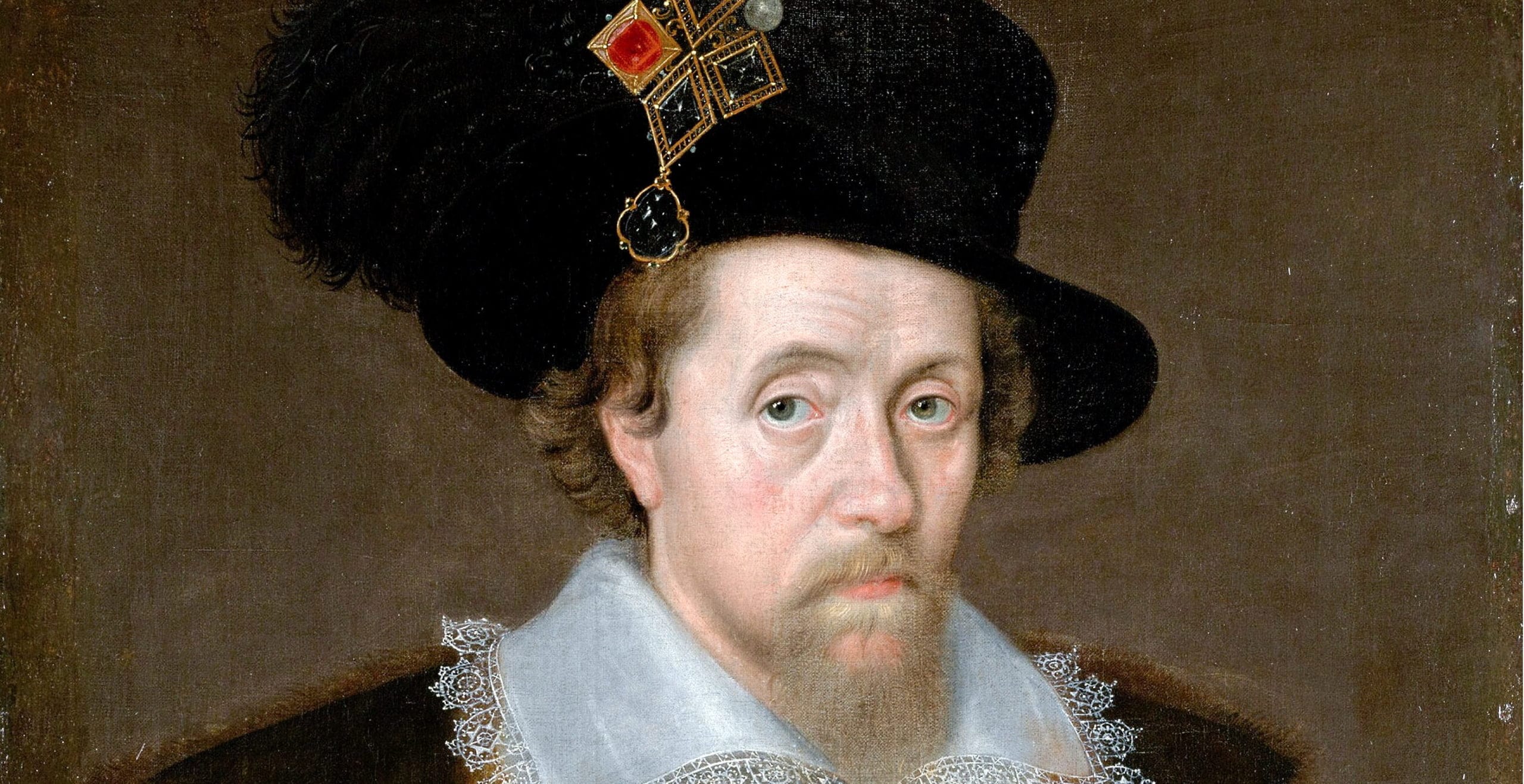
There were many reasons for the Civil War, not least of all Charles’ temperament and personality. Charles was arrogant, conceited and like his father James, a strong believer in the divine rights of kings. From 1625 to 1629, Charles argued with Parliament over most issues, but money (Charles had none) and religion (he had married a Catholic Queen) were the most common ones. When Parliament refused to do as Charles wished, he dissolved it. Charles needed money to pay for a war against the Scots and levied heavy taxes on the people. By 1642, relations between Parliament and the king had broken down. Charles left London to head for Oxford to raise an army to fight Parliament for control of England, and the Civil War had begun.
The Cotswolds were of great strategic importance in the Civil War; the king had his headquarters at Oxford and the Parliamentarians had garrisons at Gloucester and Bristol with sympathisers at Malmesbury and Cirencester.
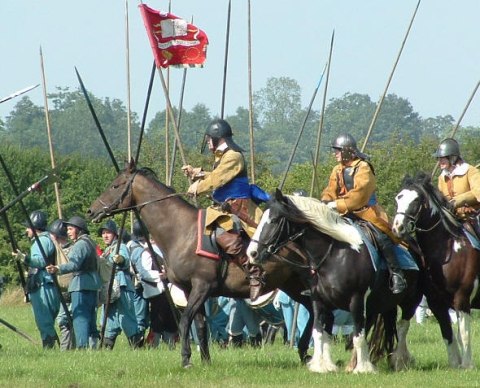
Edgehill, at the northern edge of the Cotswolds, was the site of the first battle of the Civil War on 23rd October 1642. The battle, which began in the late afternoon, was long and bloody and the following day neither side wished to resume the fighting. The king moved on to London whilst the Parliamentarians retired to Warwick.
The Castle Inn, also known as Radway Tower, stands on the summit of Edgehill. The Octagonal Tower was started in 1742 to commemorate the 100th anniversary of the Battle of Edgehill and was opened on 3rd September 1750, the anniversary of Oliver Cromwell’s death. But beware if you wish to visit the battlefield after dark – stories abound of ghostly armies fighting in the night!
Moreton-in-Marsh, Broadway, Burford, Stow on the Wold and Bourton-on-the-Water are well known picturesque Cotswolds villages, all with links to the Civil War.
In 1644 King Charles I took refuge at the White Hart Royal Hotel, a 17th century coaching inn in Moreton-in-Marsh. He is also reputed to have stayed at the Lygon Arms in Broadway which, at the time of the Civil War was called the White Hart. Oliver Cromwell also stayed here – you can still stay in The Cromwell Room where he slept in 1651.
Today Bourton-on-the-Water is very popular with tourists: it is known as the Venice of the Cotswolds. The River Windrush flows through the village, spanned by several little stone bridges. The view along the River Windrush in Bourton-on-the-Water is one of the most photographed scenes in the Cotswolds.
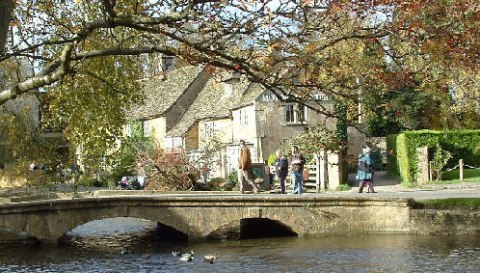
Bourton-on-the-Water, “Venice of the Cotswolds”
Stow-on-the-Wold is an historic Cotswold Wool Town, at 800 feet above sea level the highest town in the Cotswolds. The narrow lanes leading to the market square were so built to allow for the easy shepherding of sheep – Stow was an important sheep market. Nowadays these lanes host antique shops, teashops and cafes.
Stow is also home to what claims to be ‘the oldest inn in England‘, The Porch House on Digbeth Street – it reputedly dates from 987 AD. Historic discoveries at the Porch House include a 10th century Saxon shoe, a Royalist commander’s letter from the Civil War and a tunnel leading from the bar to the church across the street. Still visible in the public rooms are ‘witches‘ marks’, signs meant to ward off spells.
There are several other historic inns and hotels in Stow including the Kings Arms where King Charles slept before the Battle of Naseby on June 14th 1645.
The Battle of Stow, the last battle in the English Civil War, took place at Stow on the Wold on 21st March 1646.
In 1646 a Royalist army commanded by Sir Jacob Astley marched through the region in a desperate attempt to join up with King Charles at Oxford. They were met at Stow by a Parliamentary force under the command of Colonel Brereton. The fighting was fierce and deadly; the Royalists were defeated and over 1000 men were imprisoned within St Edward’s church.
So great was the slaughter that it was said that ducks were able to bathe in the pools of blood that formed on the street leading away from the market square. This is said to be the origin of the street’s name “Digbeth” or “Duck’s Bath”.
Lower Slaughter and Upper Slaughter are two of the loveliest villages in the Cotwolds and are just a walk away from Bourton-on-the-Water, simply follow the public footpath along the river beside the 15th century Slaughters Country Inn. One might expect their names to reflect the bloody history of the area in the Civil War but actually the name ‘Slaughter’ derives form the Old English word ‘Slough’ or ‘wet land’.
Each year living history societies and associations from across the country gather to reenact these bloody battles from days of yore, check out our Living History Events Diary for details.