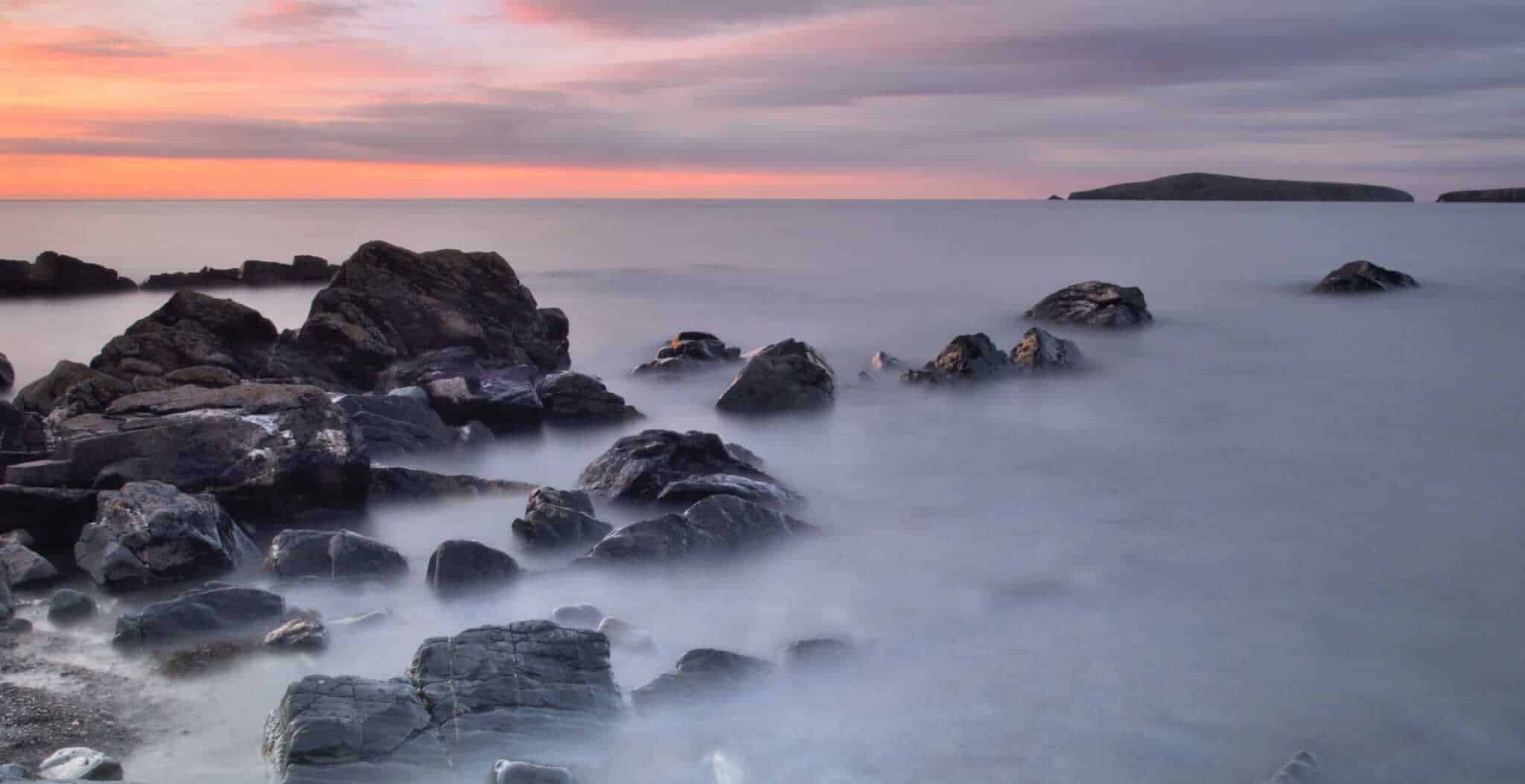


St Dogmaels occupies a beautiful situation, overlooking the River Teifi opposite the town of Cardigan in South Wales.
Perhaps best known for its abbey, this small community was an important herring fishery in the 18th century and during the second half of the 19th century, the village grew rapidly, largely due to the flourishing ship building industry on the Teifi. Fine 19th century warehouses and lime kilns can still be seen along the river reflecting the wealth and importance of St Dogmaels during this time.
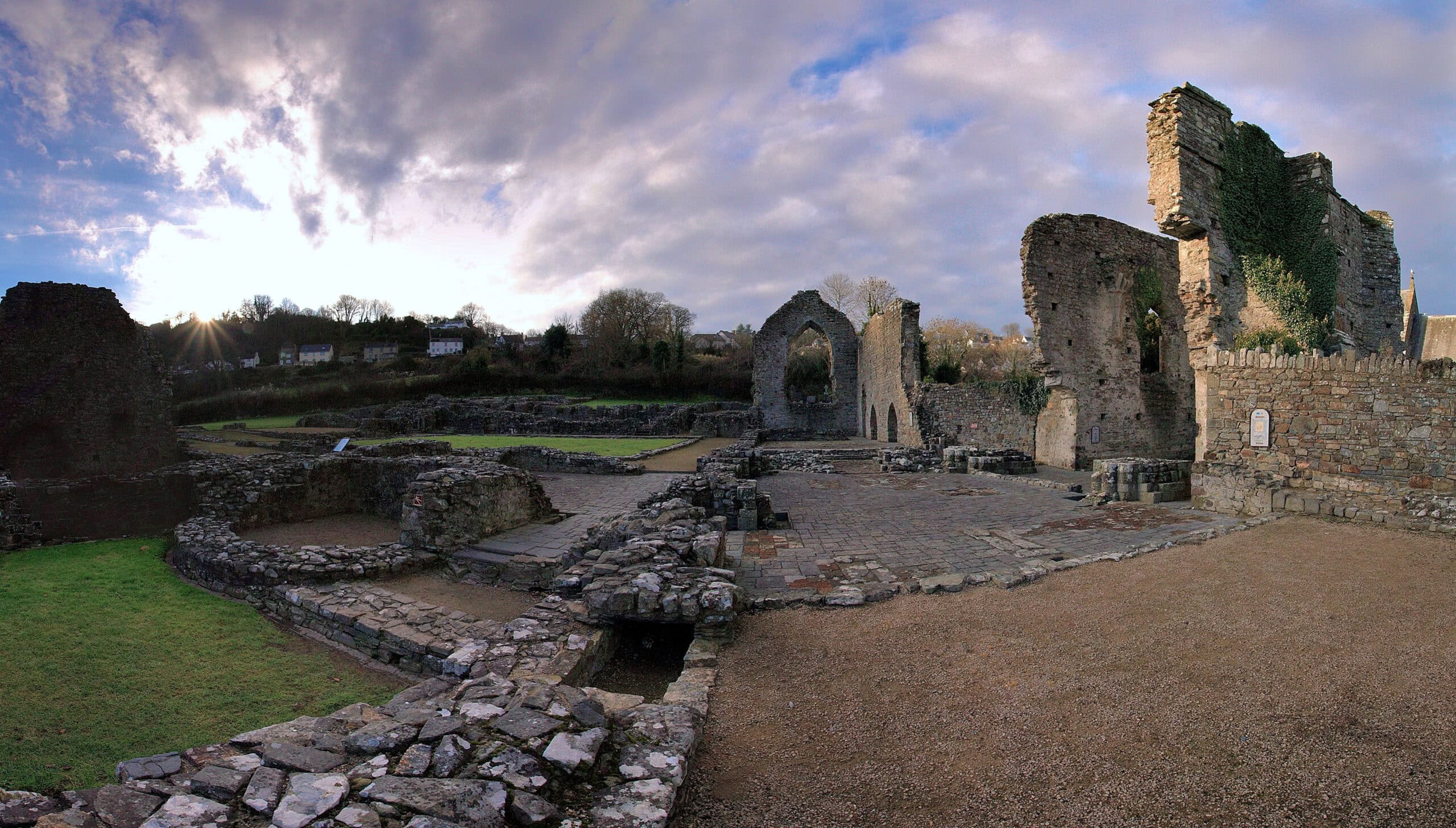
The ruins of the abbey dominate the community. Founded by Robert Fitz-Martin and his wife, Maud Peverel, as a priory in 1113 for just 12 monks and a prior, it was raised to abbey status in 1120. Although the abbey church was not completed until midway through the thirteenth century, much of the domestic accommodation must have been built by 1188, when Gerald of Wales and the Archbishop of Canterbury enjoyed the hospitality of Prince Rhys whilst staying overnight at St Dogmael’s Abbey. There have been ecclesiastical buildings on this site from the 6th century.
The monks followed an austere life based on the rule of St Benedict and life must have been made even more difficult due to the many periods of war. The monastery was struck by the plague in the middle of the 14th century and by the end of the century, there were only four monks still living there. By 1504 the situation had improved slightly, with the abbey now being well-maintained and an increase in the number of monks. However when St Dogmael’s Abbey was dissolved in 1536, there were just eight monks and the abbot in residence at the monastery.
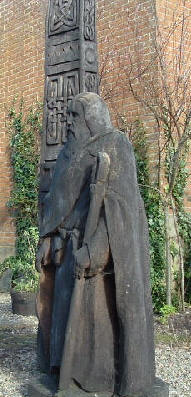 After the dissolution of the abbey, the buildings were leased to John Bradshaw of Presteigne. He built a mansion for himself within the abbey walls from stone robbed from the buildings, but this was short-lived and the site was described as a ruin in 1603.
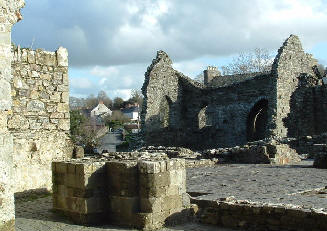
The ruins on this steeply sloping site span four centuries of monastic life. Parts of the church and cloister are 12th century. The west and north walls of the nave, which stand almost to their full height, date from the 13th century whist the floor tiles here are 15th century. The footings of the chapter house to the west of the cloister can also be seen, and also the ruins of the adjacent monk’s infirmary which stand almost to roof level. The nave was used as the parish church until a new one was built in the early 18th century.
St Dogmaels is now a popular holiday destination. The abbey is now in the care of Cadw and is one of the most popular visitor attractions of the region. The early 19th century mill is also preserved and open to the public.
Poppit Sands, a little further down the estuary has a beautiful sandy beach and is the start of the 186-mile Pembrokeshire Coast Path.
Cardigan is an ancient market town on the Teifi estuary, with many Georgian and Victorian buildings, traditional shops, inns and restaurants.
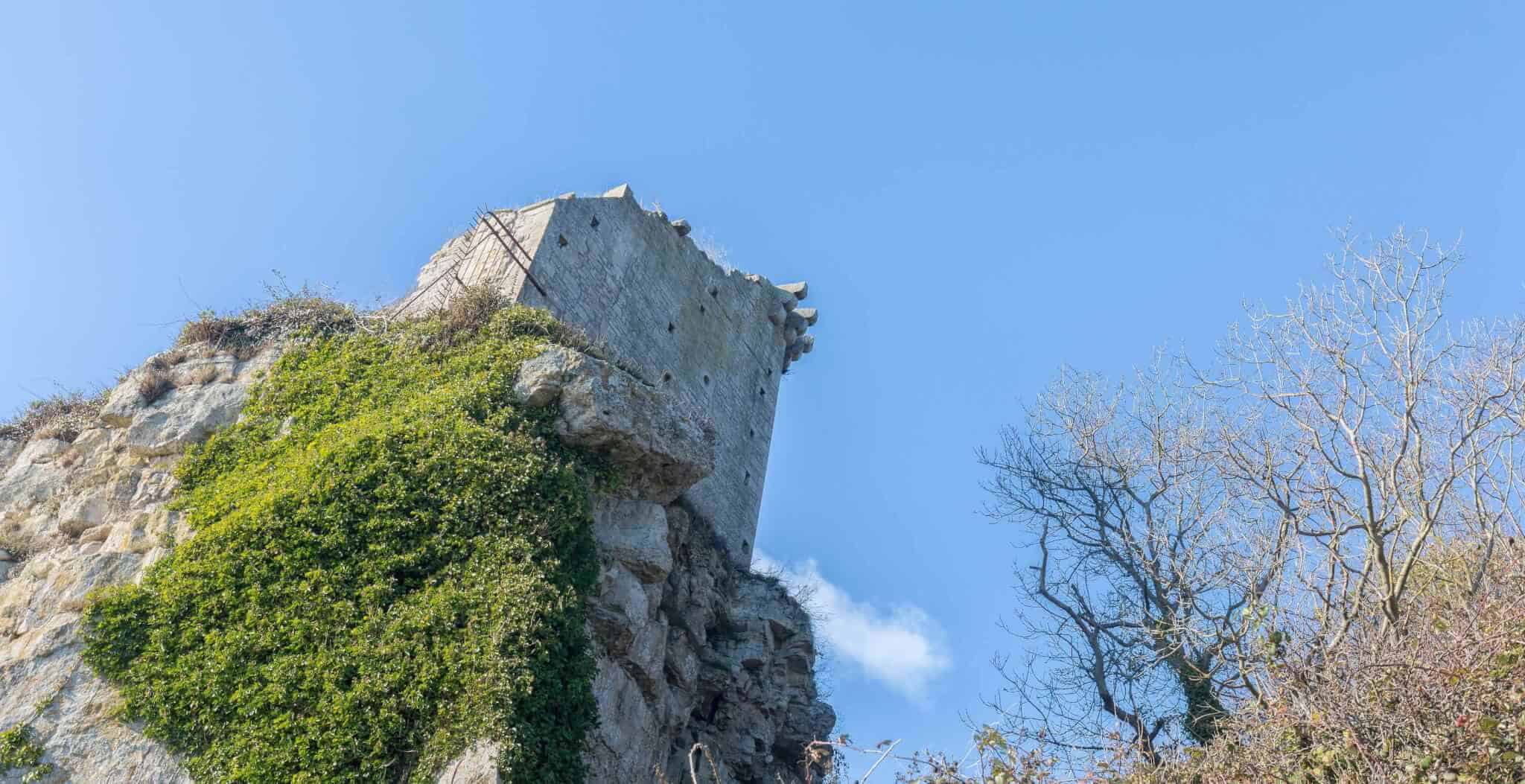
Cardigan Castle, built by Gilbert de Clare and dating back to the 12th century, was the site of the first National Eisteddfod of Wales in 1176. In 1244, a new castle was erected with town walls for added protection and it is the remains of this building that still stand overlooking the river. During the first 100 years of its life, the castle frequently changed hands between the Normans and the Welsh. In 1645 the castle was attacked by Oliver Cromwell‘s soldiers during the English Civil War and was so badly damaged that it remained uninhabited until the early 1800s when a private mansion, Castle Green House, was built on the property. The castle is currently undergoing a complete restoration programme.
Cardigan had been a port since the early Middle Ages because of its position on the banks of the Teifi, the gateway to the fertile Teifi valley. In mediaeval times, the import of fish and export of local produce, oak bark, salted herrings and Cilgerran slates to Ireland and the western parts of the British Isles increased Cardigan’s importance as a trading centre.
By Elizabethan times, Cardigan had grown into the most important Welsh port with the exception of Milford Haven. During the 17th century the ship building industry became established here, along with sail and rope making, lime burning and iron founding. During the eighteenth century, the port of Cardigan grew larger still. A customs house was built in St Mary’s Street opposite Chancery Lane. The ship building industry flourished at Cardigan, Netpool and St Dogmaels. Hundreds of ships were built on the Teifi, some up to 400 tonnes.
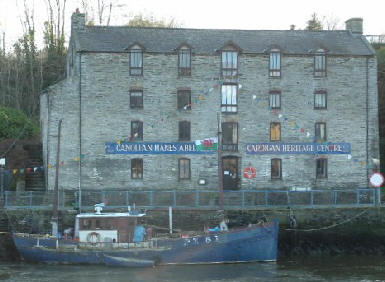
The port brought prosperity to the area. By the early 1800s, over 300 ships were registered at Cardigan, employing 1000 men. Its ships left for destinations as far away as Argentina, the Canary Islands, USA and Canada. Some of these ships carried people, indeed Cardigan became one of the country’s largest ports for transatlantic emigration, sending ships like the Active and Albion to New Brunswick in Canada and the Triton to New York.
By the end of the 18th century, the sailing ship was beginning to be replaced by steam ship. This, together with the silting up of the river and the arrival of the railway in 1885, contributed to Cardigan’s decline as an international port. Despite attempts to revive the port’s prosperity after World War I, its decline continued.
The large cargo ships are long gone and have now been replaced by leisure craft and pleasure boats as the tourism industry brings new prosperity to Cardigan in the 21st century.
Getting here
Nearest railway stations are at Aberystwyth and Carmarthen with local bus services operating to Cardigan, please try our UK Travel Guide for further information.
Museums
View our interactive map of Museums in Britain for details of local galleries and museums.