

Celebrating its 800th birthday in 2007, the now great city port of Liverpool actually evolved from a small fishing village on the tidal banks of the River Mersey in northwest England. It is likely that its name also evolved from the term lifer pol meaning muddy pool or puddle.
Not large enough even to warrant a mention in the Domesday Book of 1086, Liverpool appears to have sprung to life when King John granted it a Royal Charter in 1207. John needed to establish a port in northwest England from which he could quickly dispatch men and supplies across the sea to reinforce his interests in Ireland. As well as port, a weekly market was also started which of course attracted folk from all over the area to Liverpool; even a small castle was built.
A further charter granted to the folk of Liverpool in 1229 allowed the merchants of Liverpool the right to form themselves into a guild. In medieval England, the Merchant’s Guild effectively ran the towns and the first Mayor of Liverpool was elected in 1351.
By the 14th century it is estimated that the population of medieval Liverpool comprised around 1,000 people, of whom many would have been farmers and fishermen with tradesmen such as butchers, bakers, carpenters and blacksmiths supporting the tiny but growing settlement.

Over the next few centuries Liverpool started to develop its reputation as a trading port, importing mainly animal skins from Ireland, whilst exporting both iron and wool.
Liverpool was given a financial boost when substantial numbers of English troops were garrisoned in the area prior to being transported to Ireland to put down rebellions in the 16th and early 17th centuries. Still a relatively small town in 1600, Liverpool had a population of barely 2,000.
In 1642 the English Civil War between royalists loyal to the King and Parliament started. After changing hands a number of times Liverpool was attacked and the town eventually sacked by a royalist army led by Prince Rupert in 1644. Many of the townsfolk were killed in the battle.
Liverpool remained in royalist hands only for a matter of weeks, when in the summer of 1644 they were defeated at the Battle of Marston Moor. Following the battle the Parliamentarians gained control over most of northern England, including Liverpool.
Liverpool began to expand rapidly in the late 17th century with the growth of English colonies in North America and the West Indies. Liverpool was geographically well placed to trade with these new colonies across the Atlantic and the town prospered. New stone and brick buildings sprung up across the town.
A 17th century chronicler recorded: ‘It’s a very rich trading town, the houses are of brick and stone, built high and even so that a street looks very handsome. …There is an abundance of persons who are well dressed and fashionable. …It is London in miniature as much as I ever saw anything. There is a very pretty exchange. …a very handsome Town Hall.’
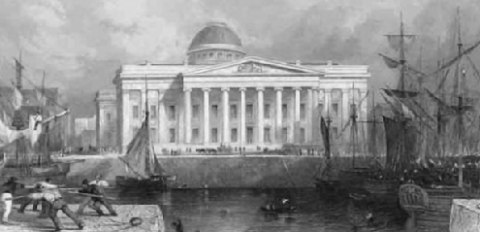
This massive growth and prosperity was, in the main, paid for by the infamous triangular trade of sugar, tobacco and slaves between the West Indies, Africa and the Americas. Being strategically placed to exploit such transatlantic trade, Liverpool soon became the fastest growing city in the world.
The newcomers arriving mainly from Ireland and Wales were forced to live in dreadful conditions with overcrowded houses that lacked sewers.
The American War of Independence that started in 1775 disrupted Liverpool’s trade with the colonies for a little while. American privateers even started to attack English merchant ships trading with the West Indies, capturing vessels and confiscating their cargoes.
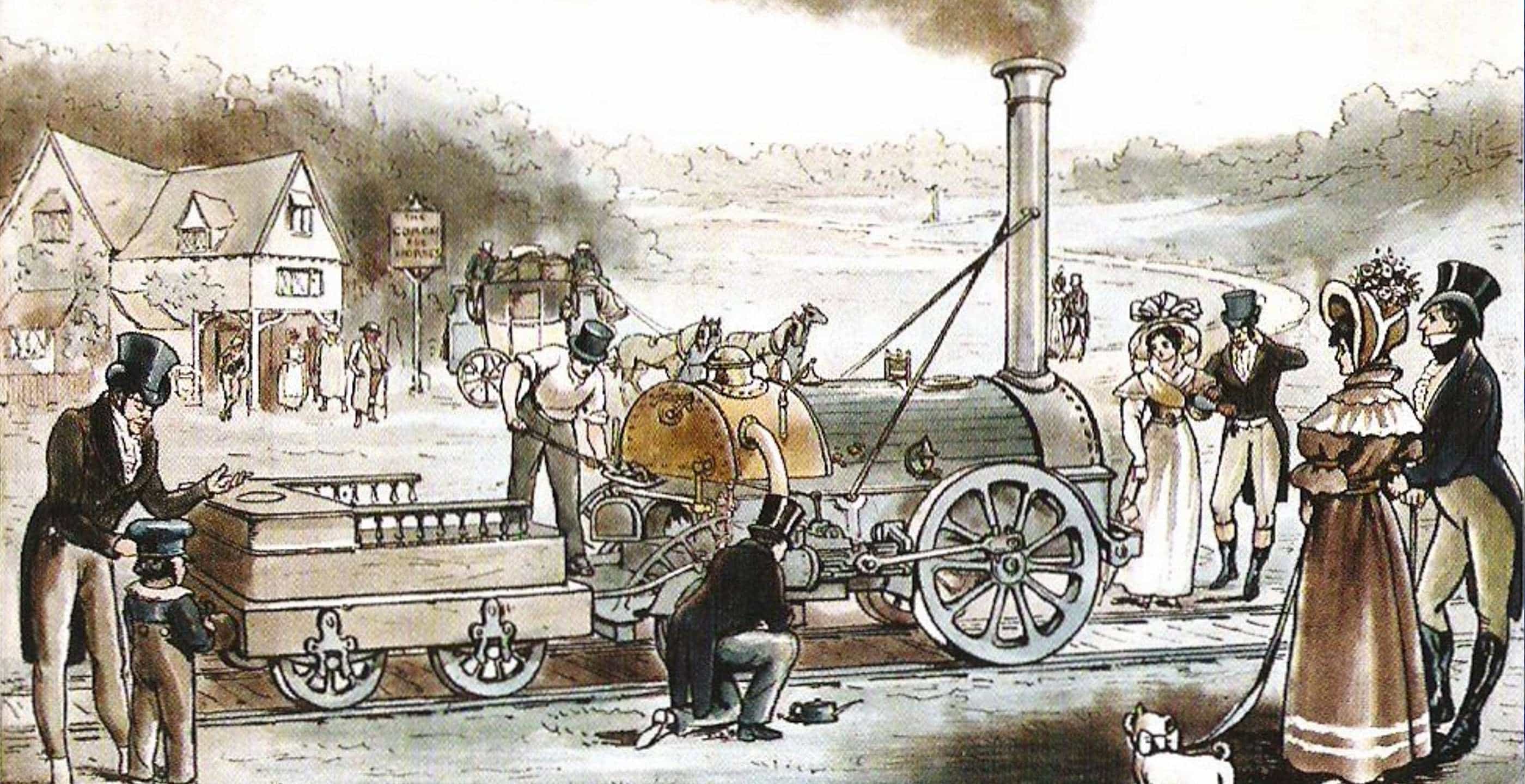
Although the first dock in Liverpool was built in 1715, four more docks were added in the 18th century as Liverpool grew to be the third largest port in the country behind London and Bristol. As the nearest port to Manchester, Liverpool also benefited greatly from the growth of the Lancashire cotton industry.
By 1851 the population of Liverpool reached more than 300,000, many of these included Irish immigrants fleeing the potato famine of the 1840s.
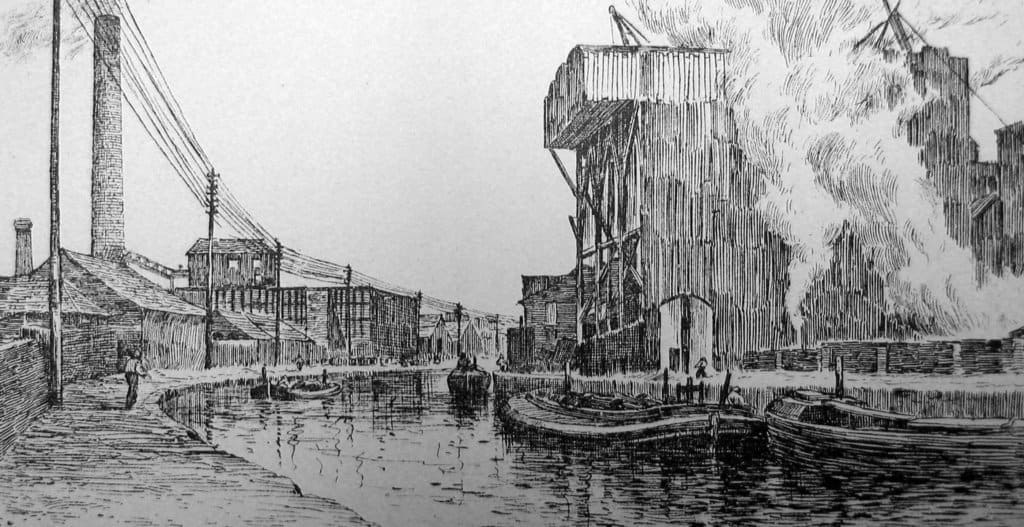
Following the American Civil War which raged from 1861 to 1865, Liverpool’s dependency on the slave trade declined. Manufacturing industry on the other hand was booming, particularly in such areas as shipbuilding, rope making, metal working, sugar refining and machine making.
Following the building of several new docks, Liverpool became Britain’s largest port outside of London by the end of the century. The Manchester ship canal was completed in 1894.
 Liverpool’s growing wealth was reflected in the many impressive public buildings and structures that appeared throughout the town including the Philharmonic Hall built in 1849, the Central Library (1852), St George’s Hall (1854), William Brown library (1860), Stanley Hospital (1867) and Walker Art Gallery (1877), to name but a few. Stanley Park opened in 1870 and Sefton Park followed in 1872.
Liverpool officially became a city in 1880, by which time its population had increased beyond 600,000.
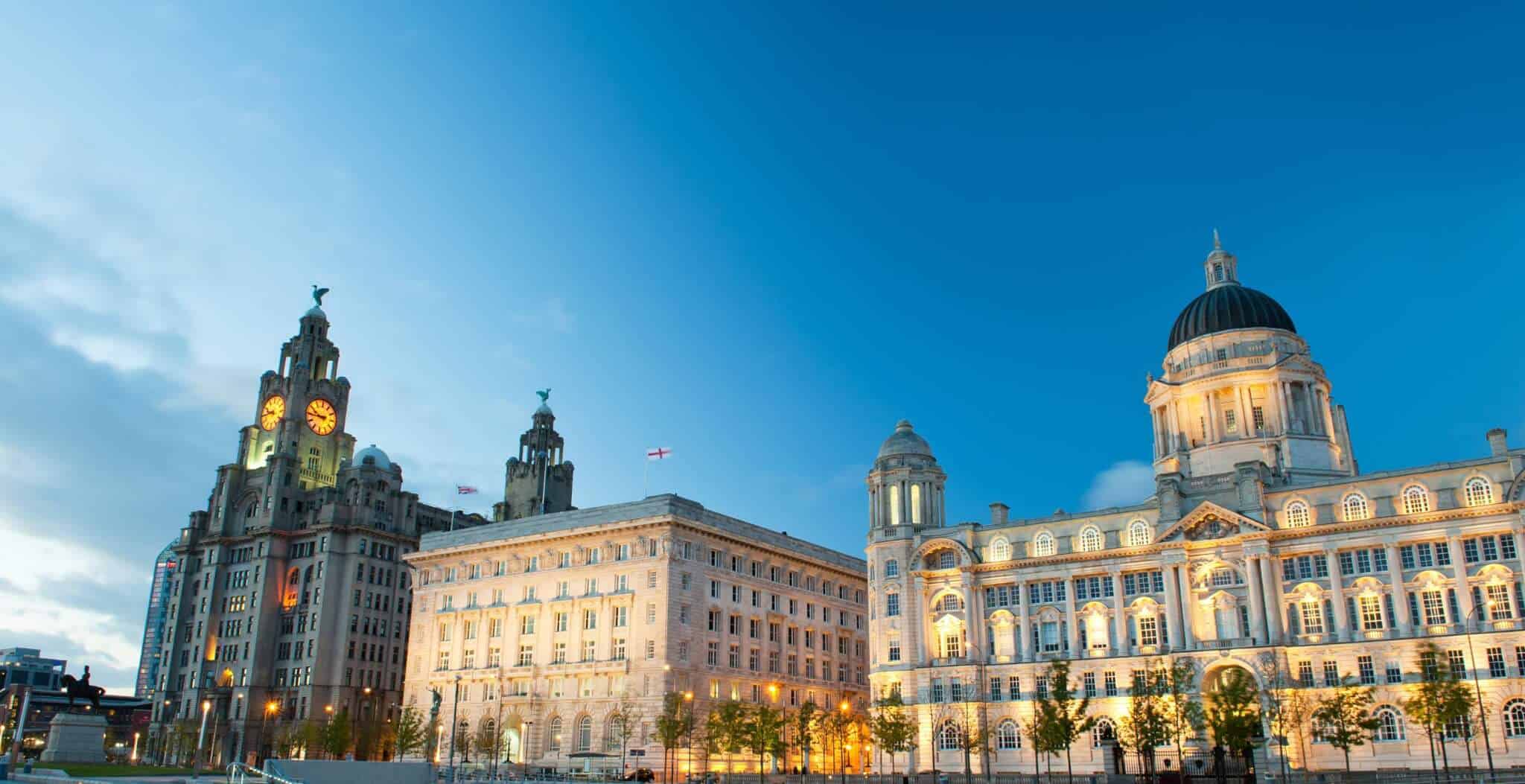
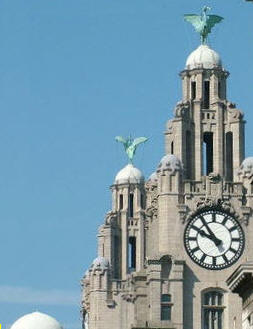
Around the turn of the century the trams were converted to run on electricity and some of Liverpool’s most iconic buildings were built, including the Liver and Cunard Buildings.
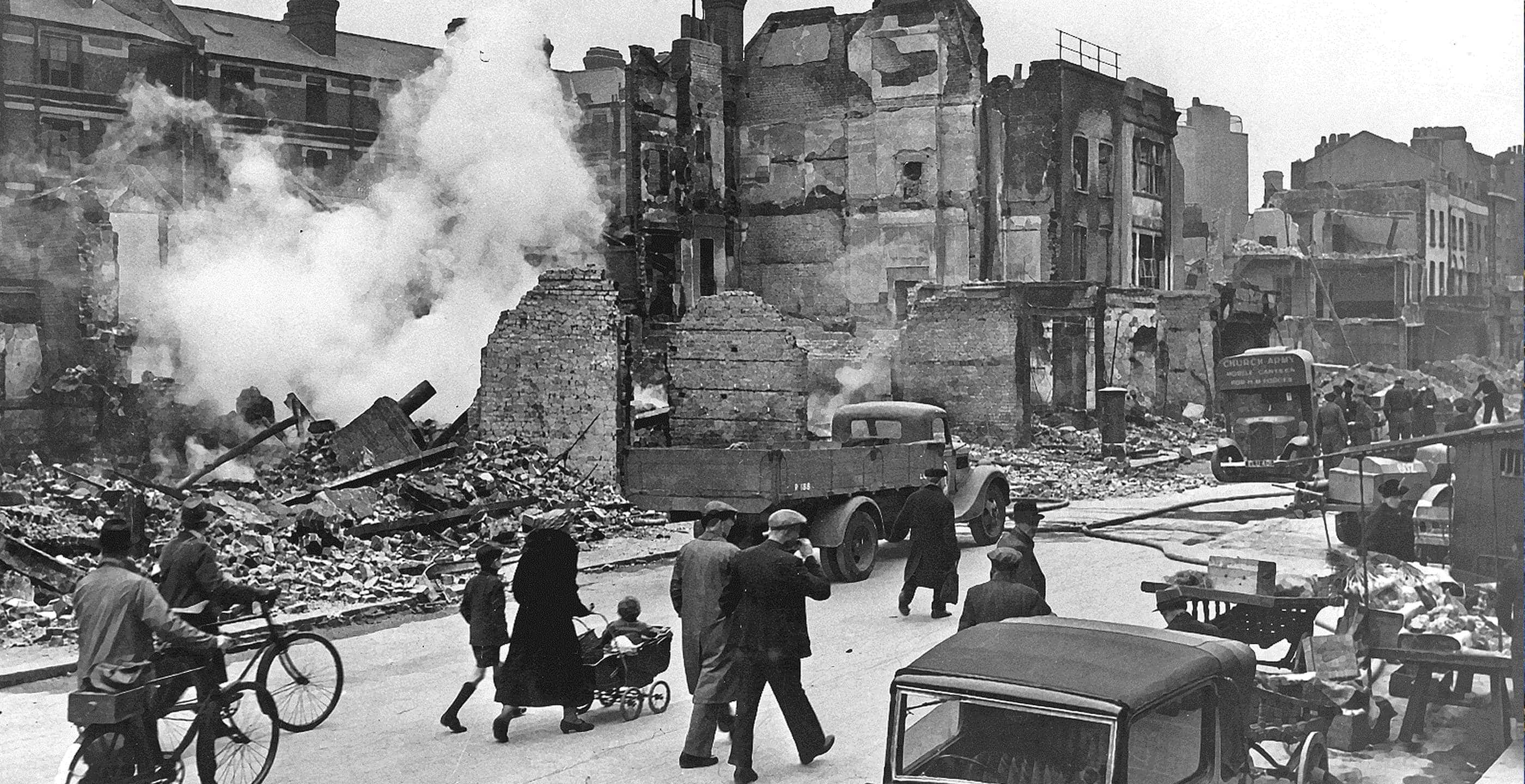
During World War II, Liverpool represented an obvious target both as a strategic port and as an active manufacturing centre, and it became the second most bombed city in Britain. Almost 4,000 people perished and large areas of the city were reduced to rubble.
“And if you want a cathedral we’ve got one to spare …” The Roman Catholic Cathedral was consecrated in 1967 with the Anglican Cathedral reaching completion in 1978.
Liverpool suffered badly in the countrywide recession of the 1970s and 1980s, with high unemployment and rioting on the streets. From the late 1980s however, the city started to bounce back, invigorated by new growth and redevelopment, particularly of the dock areas. Several new museums were opened to celebrate the history and heritage of the city, and in 2008 Liverpudlians and Scousers alike joined together to celebrate when Liverpool became the European Capital of Culture.
Published: 28th December 2015
Magical Mystery Tours of Historic Liverpool.
For more information concerning tours of Historic Liverpool, please follow this link.
Museums
View our interactive map of Museums in Britain for details of local galleries and museums.
Getting here
Liverpool is easily accessible by both road and rail, please try our UK Travel Guide for further information.