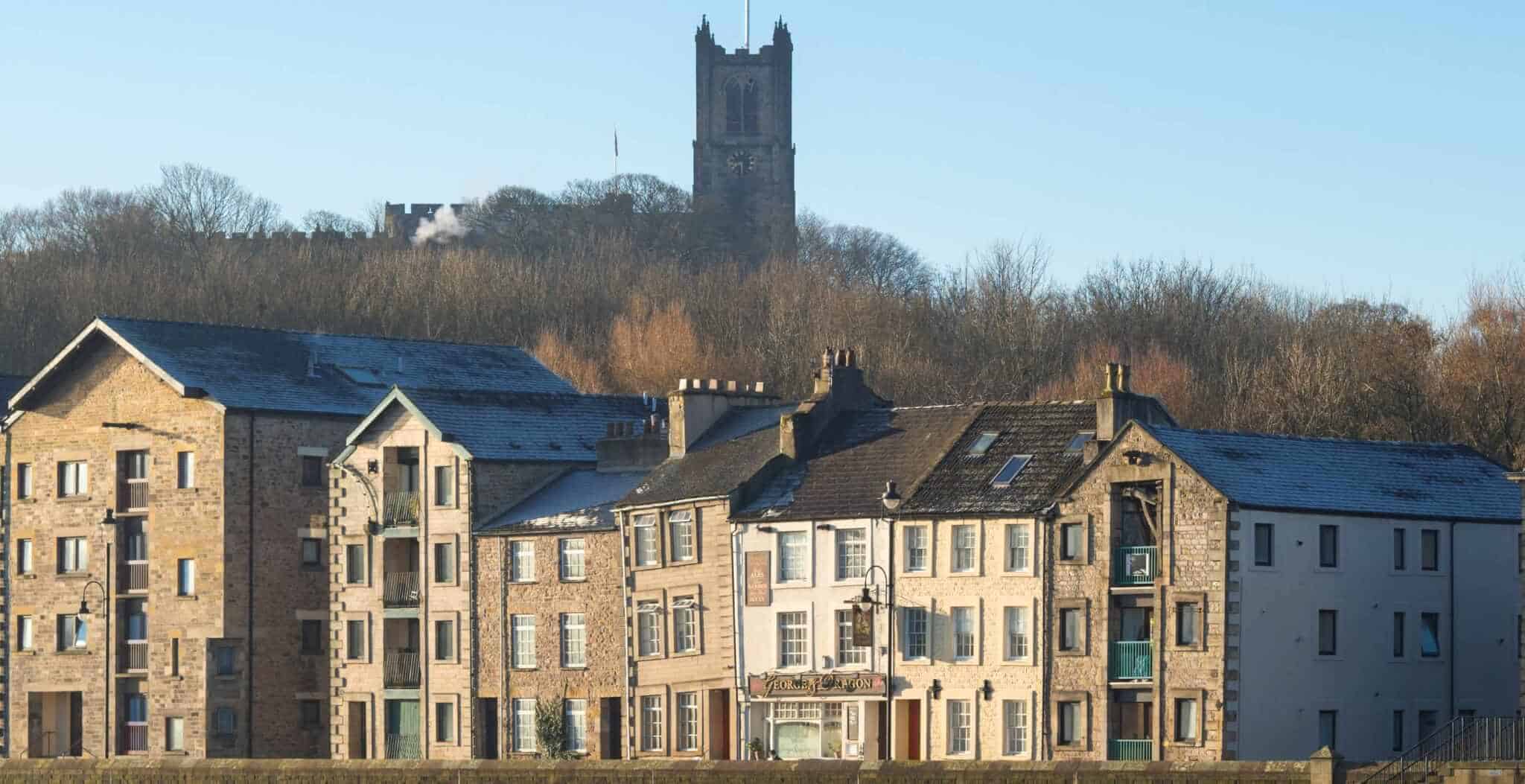


Lancaster, the county town of Lancashire, lies on the River Lune, three miles inland from the coastal resort of Morecambe, easily accessible from the M6 motorway and en route to the Lake District, 20 miles to the north. The Forest of Bowland, an area of outstanding natural beauty, lies to the east of the city.
Lancaster has a fascinating, varied and ancient history, with royal connections. The Romans established a garrison on the hill by the river. The city’s first recorded name, Lancastre, meaning ‘Roman fort on the River Lune’ is recorded in the Domesday book in 1086.
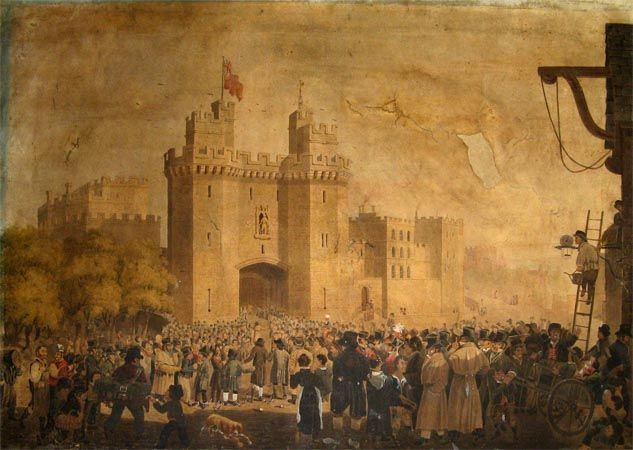
Of national importance is Lancaster Castle, a Grade 1 listed building which sits in the centre of the city on a hilltop on the site of three successive Roman forts. It is a must for any visitor. The Normans began its construction in the 11th century for defence against the Scots, and it was further fortified and expanded over time. Some notable additions to the structure include the 12th century keep (later raised in height and substance by Elizabeth I in the 16th century as a possible defence against the Spanish Armada), and the 14th century witches tower and gateway.
There was further strengthening of the Castle in the 15th century by John O’Gaunt, the second Duke of Lancaster, one of the best known historical figures associated with the city. Both the Houses of Lancaster and York were direct descendants of King Edward III (John of Gaunt was the third surviving son of Edward III) and were involved in the Wars of the Roses in the latter half of the 15th century.
John of Gaunt had several children, legitimate and illegitimate, and was the father of King Henry IV – all monarchs from Henry IV onwards are descended from John of Gaunt. Lancaster still has close ties with the monarchy; the title of Duke of Lancaster has been passed down through the royal line and King Charles III at present holds the title, and therefore owns the lands of the Duchy of Lancaster through the holding of the title. Lancaster was given city status in 1937 because of its “long association with the Crown”.
The castle has around a thousand years of rich history. It has been involved in conflict – it was attacked by Robert Bruce and besieged by Royalists in the English Civil War on more than one occasion. Bonnie Prince Charlie is reported to have stayed in Lancaster during the Jacobite uprising in 1745.
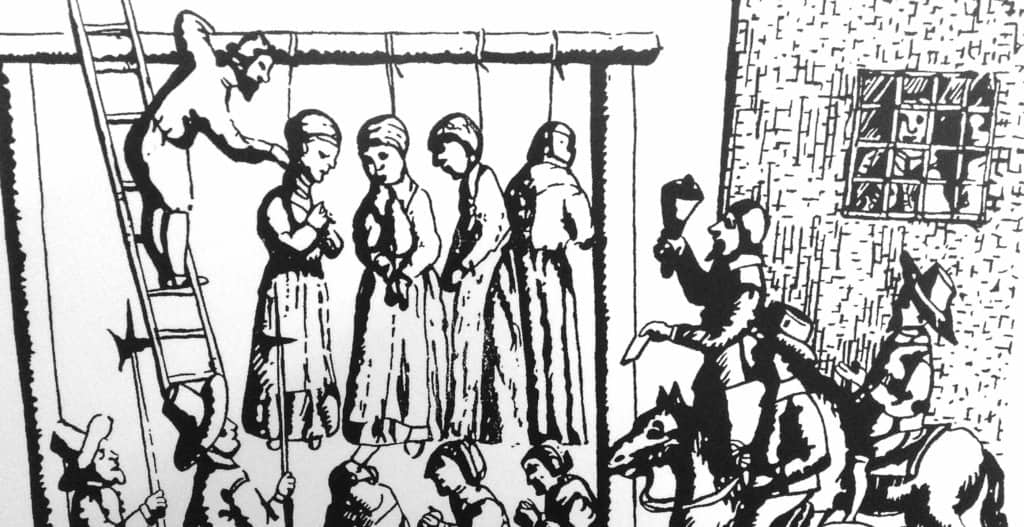
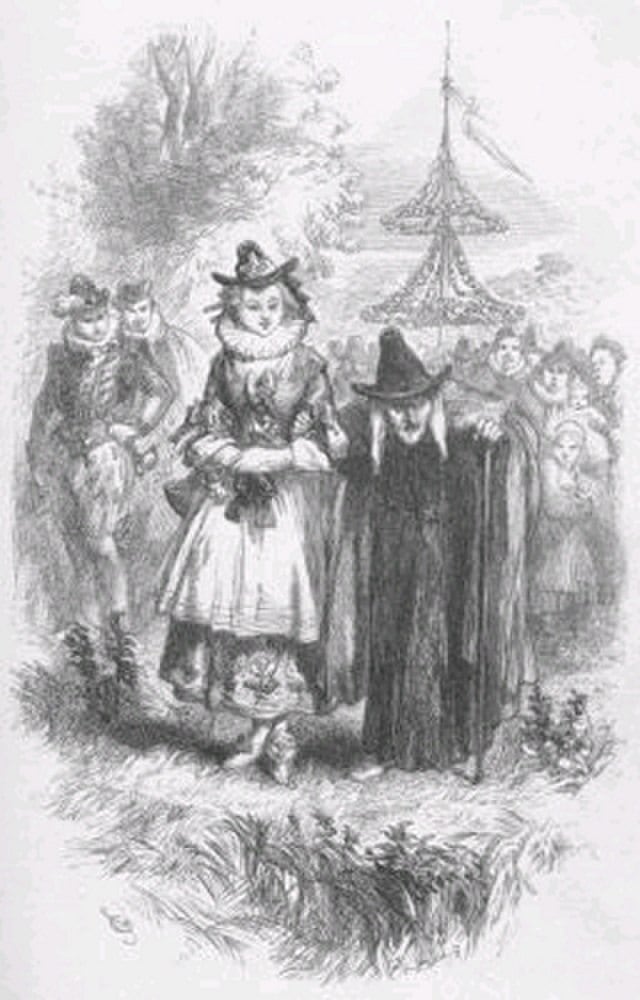
The castle has a long judicial history. The infamous Pendle witches were held and tried here in 1612. More recently, the ‘Birmingham Six’, six Irishmen accused of being implicated in the Birmingham pub bombings were tried here in 1975, because as the prison and courthouse are in the same building, it was considered very secure.
The Crown Court is the oldest working courtroom in Britain, and is still a working court and prison – opening times depend on when the Crown Court is sitting. Large numbers of people were sentenced by the courts, receiving such punishments as imprisonment, fines, being sentenced to death, and, between 1788 and 1868, transportation to the penal colonies, mainly Australia.
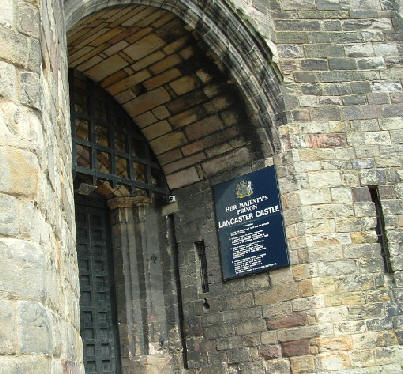
The court at the castle handed out more death sentences than any other in the country. The town earned the nickname ‘Hanging Town’. Executions were frequent, and, from the early 19th century took place outside the castle walls, often with crowds of more than 5000 gathering to witness the spectacle. Prior to that period, the condemned (and the crowd) had to make their way through the town (via a hostelry to have a last drink with family and friends) to Gallows Hill.
The lovely Priory church of St Mary stands on Castle Hill. It was established in 1094, and was once a Benedictine priory, which was closed in 1539 by Henry VIII. The church is mainly 15th century, and is open to visitors.
Towards the end of the 17th century, Lancaster’s fortunes began to improve. The River Lune was deep, so ocean going vessels could navigate upriver, and being on the west side of the country, it was well placed to benefit from the growth of colonies in the West Indies and North America. The town began to prosper, the port became one of the busiest in the UK, importing such goods as sugar, mahogany and tobacco, and became the fourth most important in the slave trade. Many buildings sprung up in the town. There are many fine Georgian buildings in the city centre and along elegant tree-lined St Georges Quay.
Lancaster is a small city, and, being compact, easily explored. There are a variety of museums – the City Museum in the Market Place (in the old Town Hall), the Judges Lodgings, Doll Museum and the Maritime museum, to name but a few.
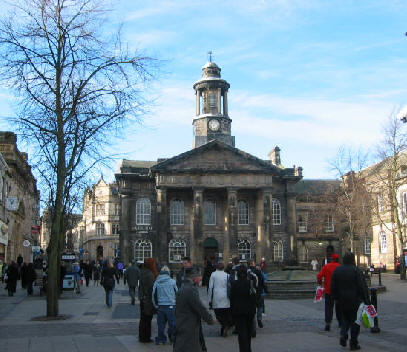
Unfortunately the River Lune began to silt up, and Lancaster’s maritime heyday was rather shortlived. Nowadays Heysham is the main port for the district. The Victorians started the development of Morecambe as a seaside resort.
Today Lancaster is a thriving and vibrant university city, which offers many free art and music festivals throughout the year. The Grand Theatre, one of the country’s oldest working theatres (with ghost in residence!) holds many national and local productions.
Outdoor pursuits for the family include lovely Williamsons Park, dominated by the domed Ashton Memorial, the Lancaster Canal which runs through the city, the River Lune Millennium Park with its unusual art work, the Lancaster Leisure Park and further afield, Morecambe and Morecambe Bay, the Forest of Bowland and the Lake District.
Museums
View our interactive map of Museums in Britain for details of local galleries and museums.
Roman Sites
Try our interactive map of Roman Sites in Britain to browse our vast database of visible Roman remains.
Castles in England
Try our interactive map of Castles in England to view more than 200 castles across the country.
Getting here
Lancaster is easily accessible by both road and rail, please try our UK Travel Guide for further information.