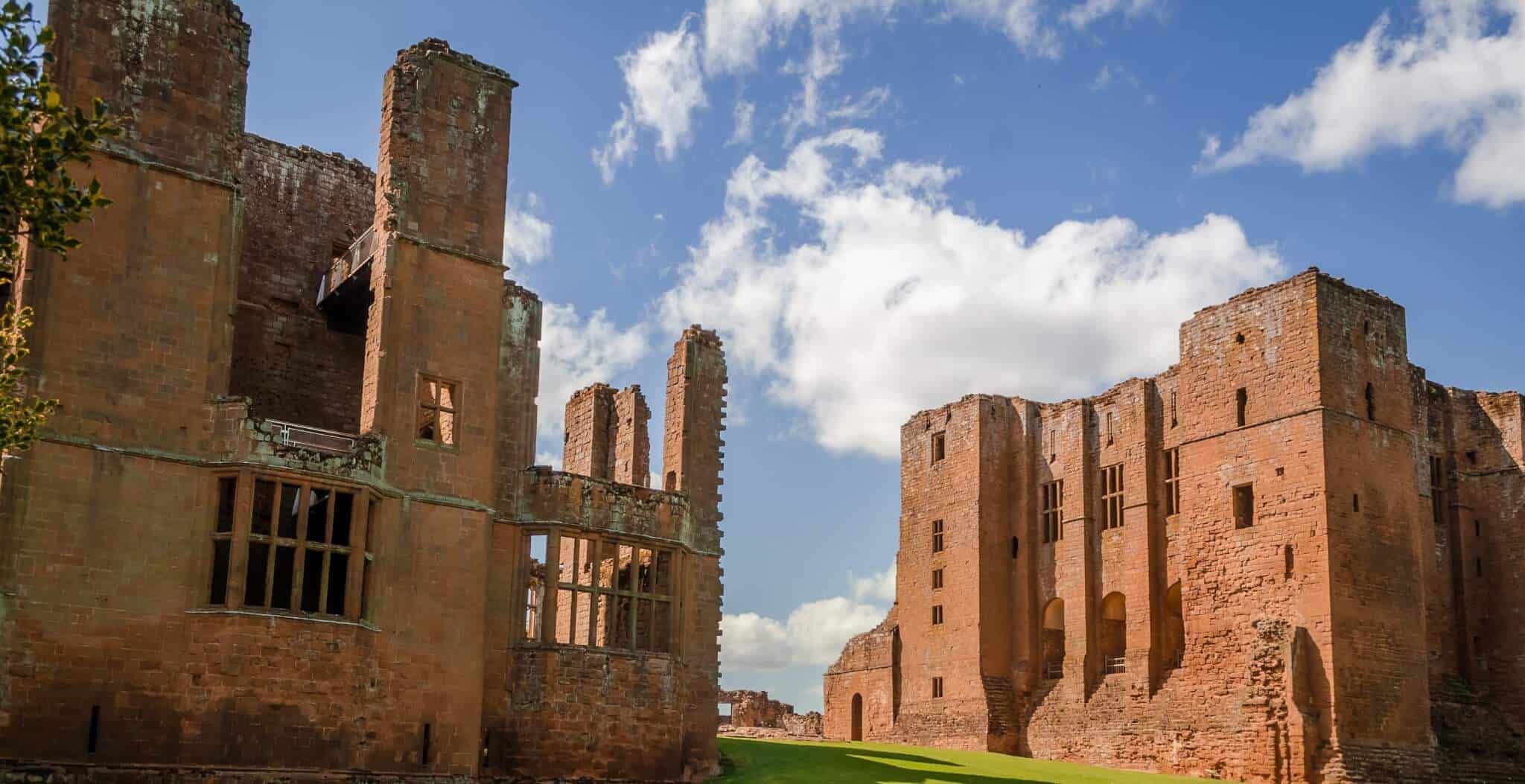


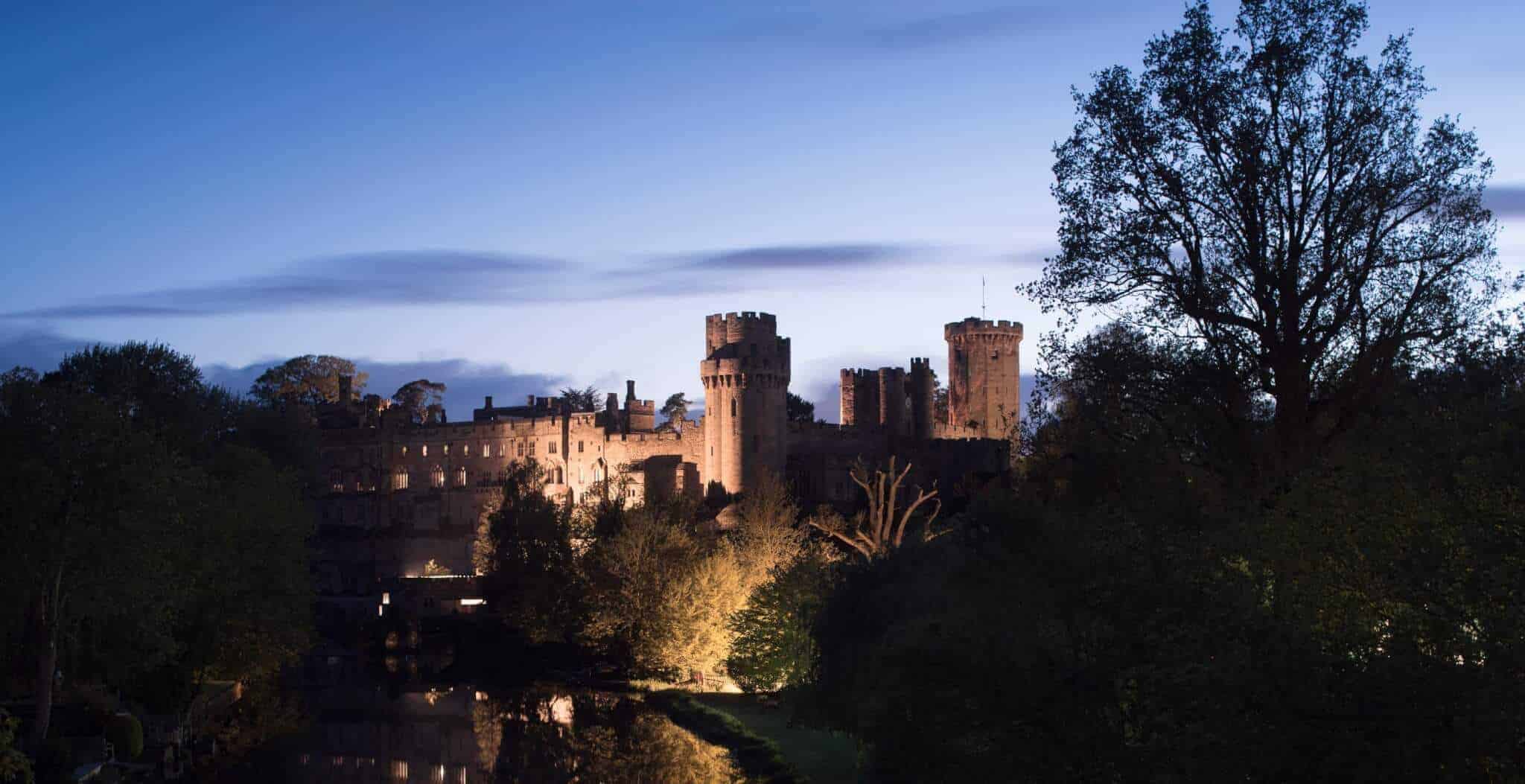
It is thought that a castle has stood at Kenilworth in Warwickshire, since Saxon times. It is likely that the original structure was destroyed during the wars between the Saxon King Edmund and Canute, King of the Danes.
Following the Norman Conquest, Kenilworth became the property of the crown. In 1129, King Henry I gave it to his Chamberlain, a Norman noble named Geoffrey de Clinton, who was both Treasurer and Chief Justice of England at the time.
Shortly after 1129 Geoffrey founded an Augustinian priory and built a castle in Kenilworth. The original structure probably started out as a modest motte-and-bailey timber castle: the large earth mound that formed the base of the motte can still be clearly seen.
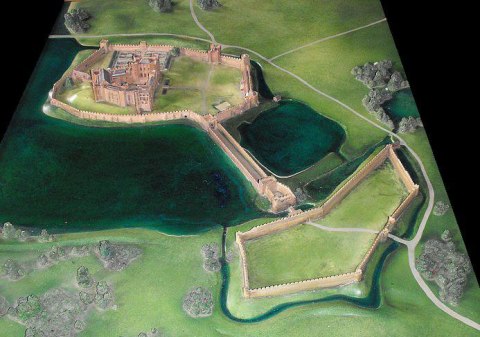
Huge amounts of money were lavished on Kenilworth Castle over the following centuries in order to enhance its defences and to incorporate the latest concepts and fashions into the castle structure. King John alone spent more than £1,000 on defensive works – a huge amount in those days – including building a new outer wall.
In 1244, King Henry III granted the castle to Simon de Montfort, Earl of Leicester, and his wife Eleanor, who also just happened to be the king’s sister. This earl is said to have “wonderfully fortified the castle, and stored with many kinds of warlike engines, till that time never seen nor heard of in England.” He was also responsible for strengthening the water defences that made Kenilworth virtually impregnable.
Although a Frenchman, de Montfort is remembered in history as one of the founders of English democracy. His parliament of 1265 promised the common people a role in governing the country. Such policies found favour with many of the country’s barons who were at that time aggrieved by the King’s heavy taxation system. De Montfort achieved great popularity, however he was killed just a few months later at the Battle of Evesham by the King’s army.
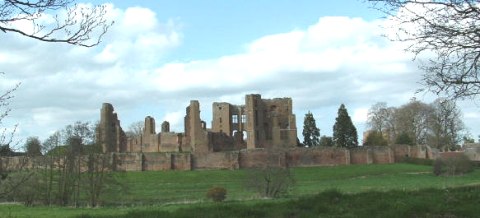
Simon de Montfort had become a leading rebel in the so-called Baron’s War against King Henry III’s abuse of power. In the summer of 1266 many of these barons including Simon’s own son, now under the leadership of Henry de Hastings, used the castle as a refuge when the King surrounded Kenilworth.
The siege that followed remains the longest in English history. The castle was so well fortified that the rebels held out for six months against royal forces. Whilst the buildings of the castle must have proved daunting enough, it was the huge lake or mere surrounding it that proved to be its most crucial defensive feature. Barges were brought in from as far away as Chester in an attempt to help breach the watery defences.
In an early example of psychological warfare, the Archbishop of Canterbury was even brought before the castle walls in order to excommunicate the rebels. Unimpressed by this, one of the defenders promptly stood on the battlements dressed in clerics’ robes and returned the compliment by excommunicating both the King and the Archbishop!
After a six-month siege the barons, now overcome by disease and famine, finally surrendered.
It was John of Gaunt who was responsible for turning the fortress castle into a palace in the 1360’s. The Duke improved and enlarged the domestic quarters of the castle, including building the Great Hall.
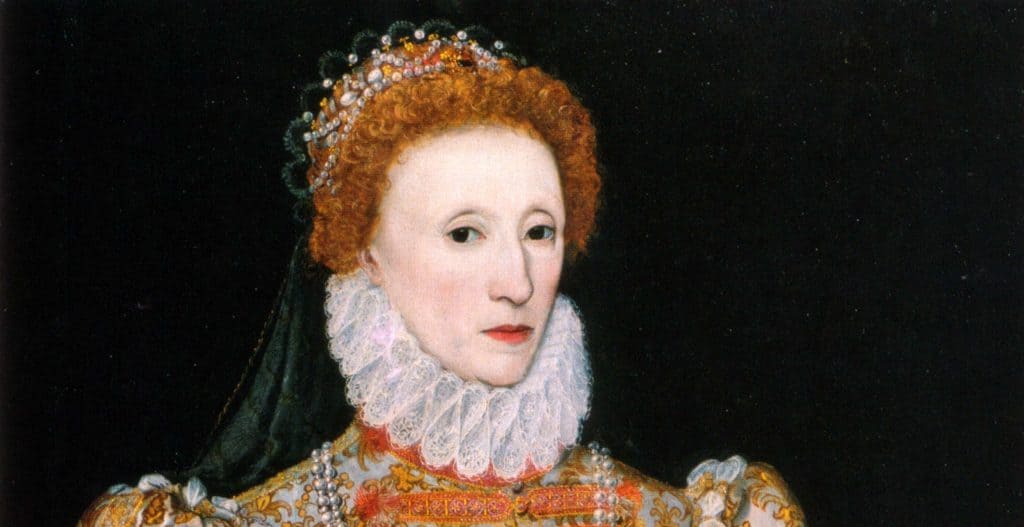
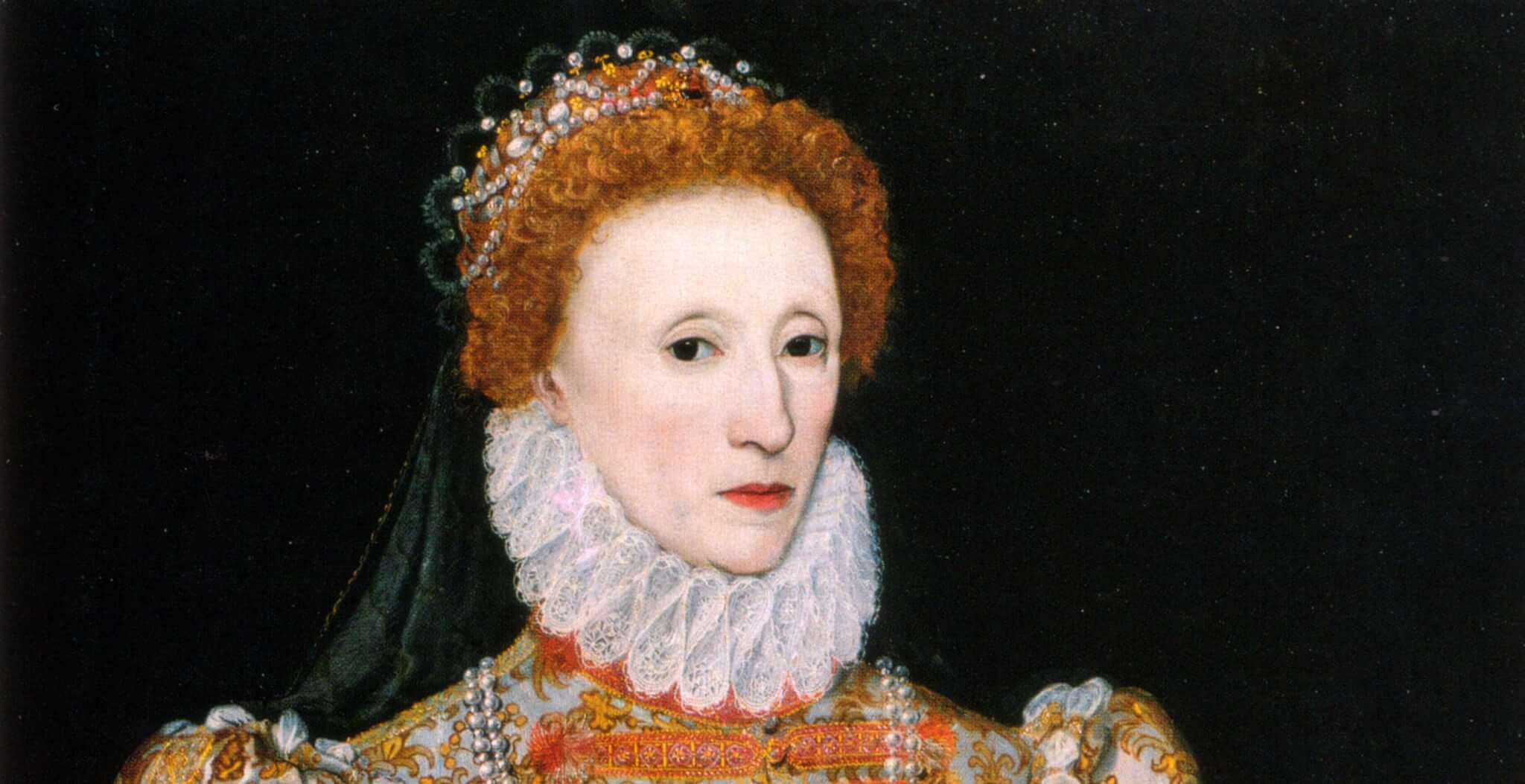
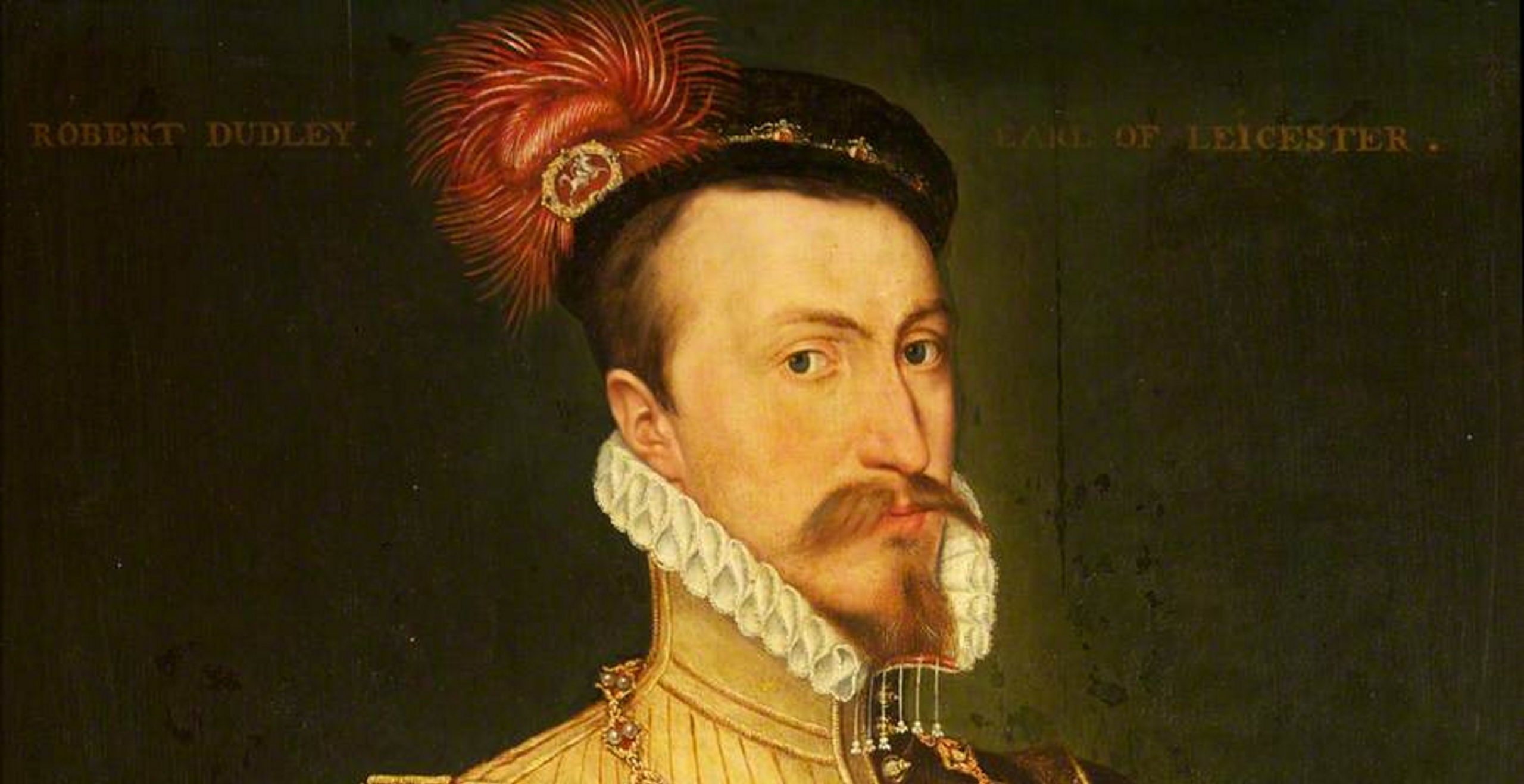
In 1563 Queen Elizabeth I bestowed Kenilworth castle upon her favourite Robert Dudley, Earl of Leicester. It is believed that the young queen wanted to marry Dudley, but his reputation had been tainted by rumours surrounding the suspicious death of his wife. Dudley spent lavishly on the castle, transforming it into a fashionable Tudor palace.
Queen Elizabeth I visited Robert Dudley at Kenilworth Castle in 1566 and again in 1568. However it was her final stay in 1575, complete with an entourage of several hundred, that has passed into legend. No expense was spared for the July visit which lasted for 19 days and is reputed to have cost Dudley £1000 per day, an amount that almost bankrupted him.
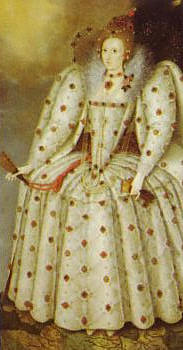 The splendour of the pageantry eclipsed anything that had ever been seen in England before. Elizabeth was entertained with lavish displays on the mere, upon which had been built a mock floating island complete with the legendary Lady of the Lake attended by nymphs, and a firework display that could be heard from twenty miles away. The festivities are said to have been the inspiration for Shakespeare’s A Midsummer Night’s Dream.
William Shakespeare was just 11 years old at the time and from nearby Stratford-upon-Avon. He could well have been among the crowd of locals that would have gathered to witness the occasion with its expensive and lavish arrangements.
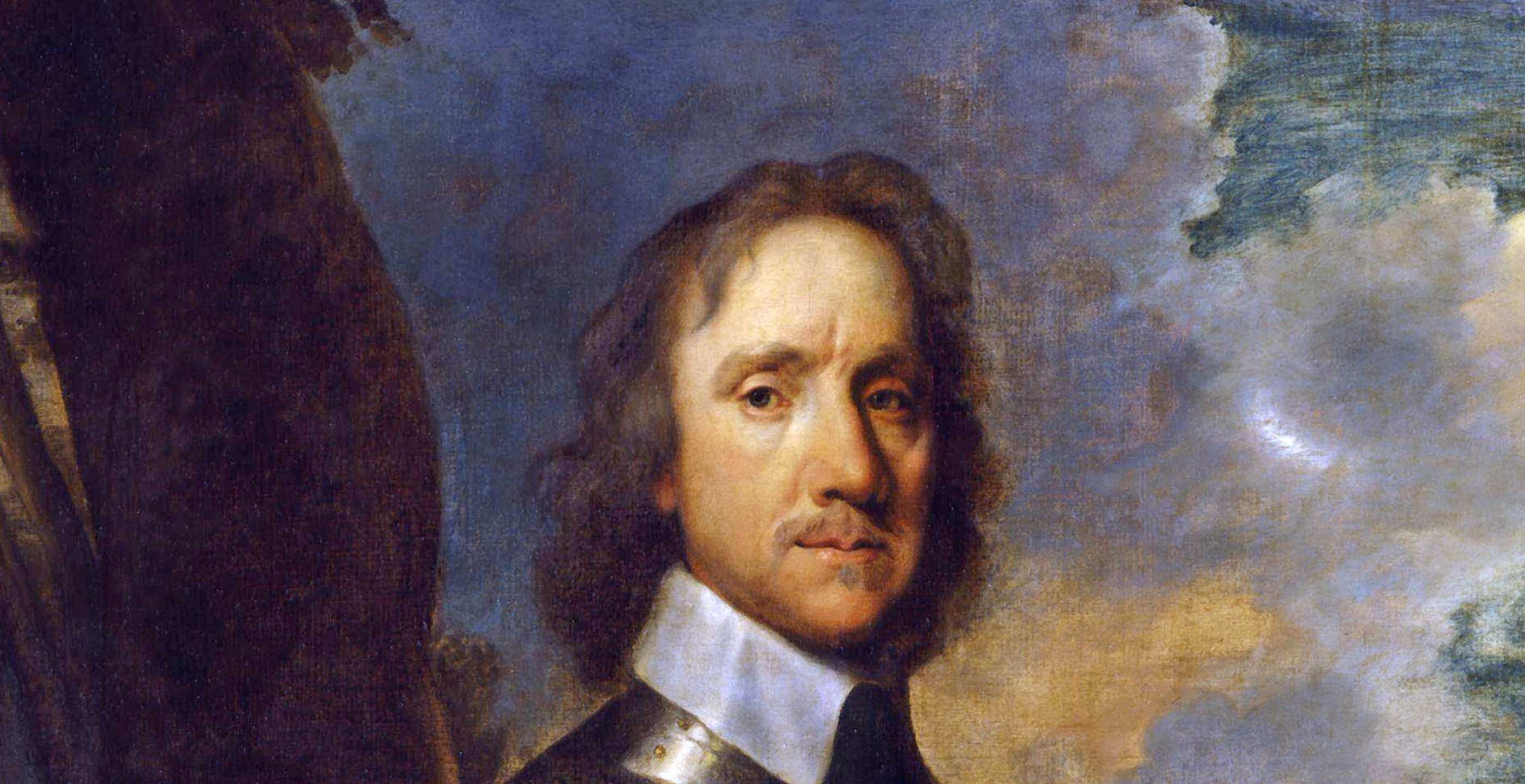
Kenilworth Castle was an important royalist stronghold during the English Civil War. It was eventually partially dismantled and the mere drained by parliamentary troops.
The castle was presented to Kenilworth in 1958, on the 400th anniversary of the accession of Elizabeth I to the throne. English Heritage has looked after the ruins since 1984 and has recently lavished several more million pounds restoring the castle and grounds.
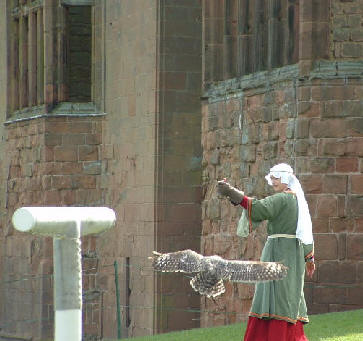
At the heart of the latest restoration project is a new exhibition that tells the story of one of England’s most famous love stories – between Queen Elizabeth I and Sir Robert Dudley. It includes Dudley’s last letter to Elizabeth, written six days before his death in 1588, which she is said to have kept in a casket beside her bed until she died in 1603. Living history events take place at Kenilworth Castle throughout the year.
Museums
View our interactive map of Museums in Britain for details of local galleries and museums.
Castles in England
Try our interactive map of Castles in England to browse our huge database.
Battlefield Sites
Browse our interactive map of the Battlefield Sites in Britain for details of nearby sites.
Getting here
Kenilworth is easily accessible by both road and rail, please try our UK Travel Guide for further information.