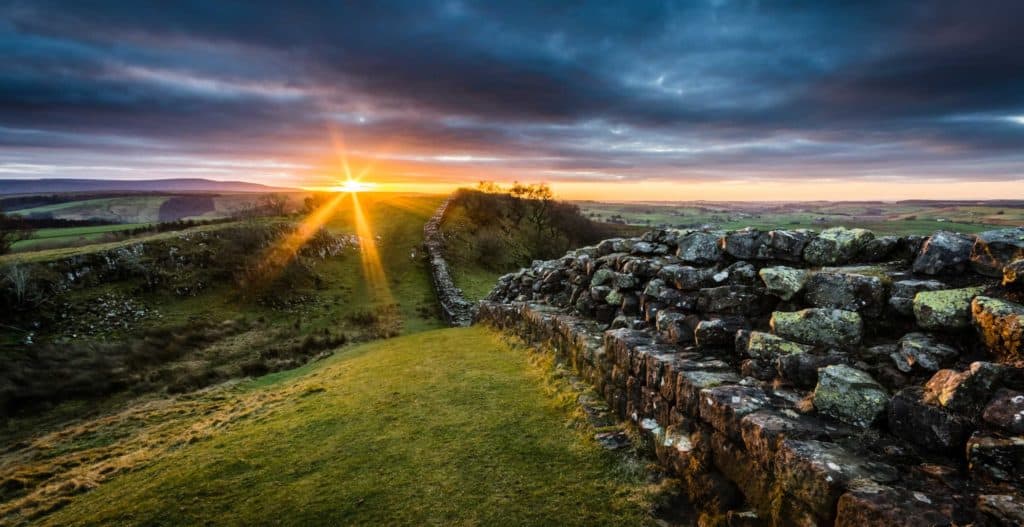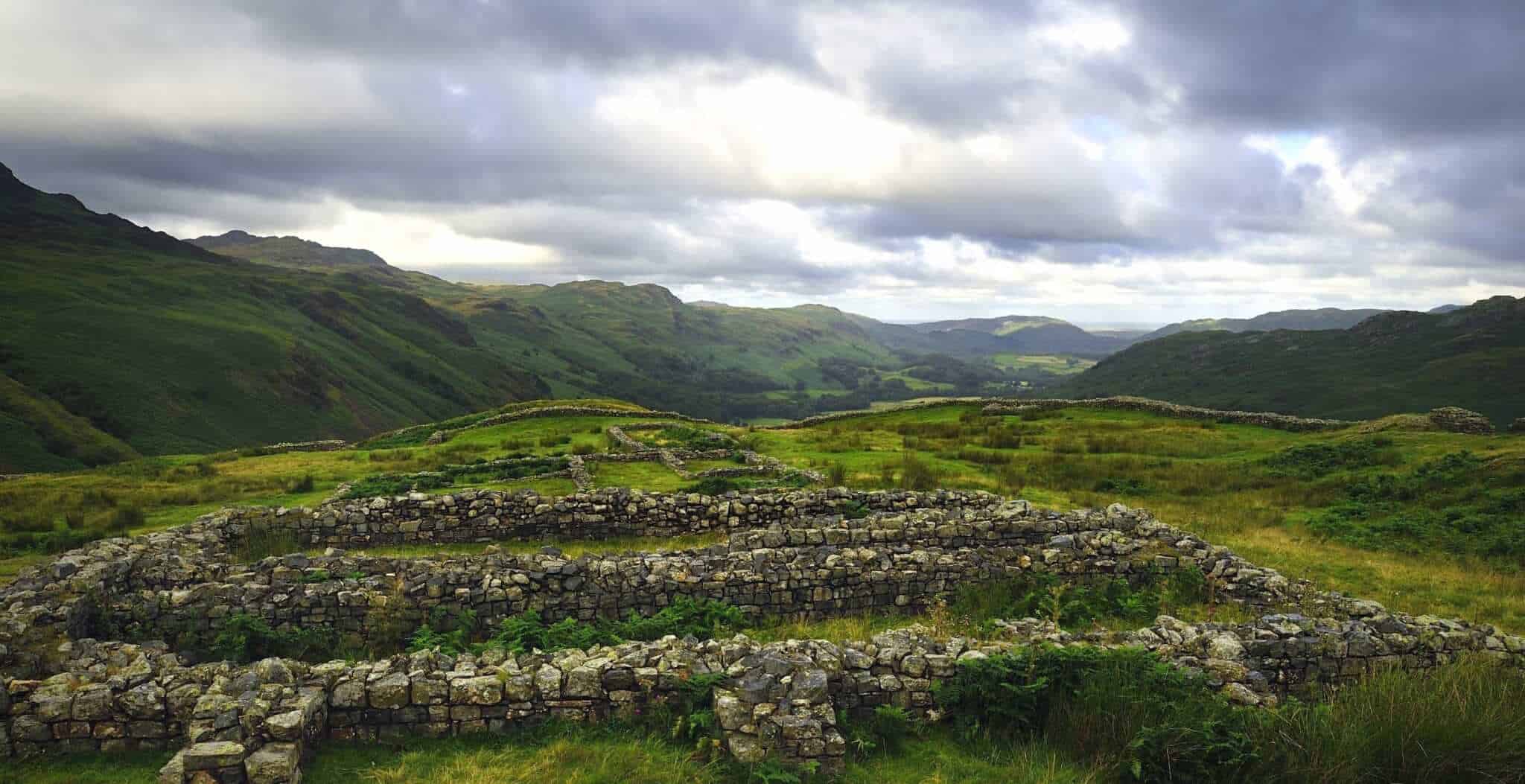


A trip to the Roman fort at Hardknott in Cumbria is probably not for those of a nervous disposition!!
The drive up the steep, winding, narrow road through Hardknott and Wynose passes is often tricky and always a little frightening (especially when icy), but this adds to the experience, as the setting of the fort is spectacular and the scenery incredible. Surely this must have been one of the most isolated and remote Roman outposts in the UK.
The Roman road, called the 10th iter, ran from the coastal fort at Ravenglass (Glannaventa) up the Eskdale Valley to Hardknott Fort before continuing over the Hardknott and Wynose passes towards the other Roman forts at Ambleside (Galava) and Kendal beyond. Hardknott Roman Fort is situated on the western side of Hardknott pass with commanding views down the Eskdale valley.
Built between AD120 and AD138 during the reign of Emperor Hadrian, Hardknott Fort (Mediobogdum) appears to have been occupied initially only briefly before being re-occupied probably in the late 2nd century. It housed a cohort of 500 men, the fourth Cohort of Dalmatians, infantry soldiers from Croatia, Bosnia-Herzegovina and Montenegro. Living at 815ft above sea level, they guarded the Roman road between Ambleside and Ravenglass from invasion by the Scots and Brigantes. The fort is 375 feet square, and covers an area of around 2 and three quarter acres. The fort was sacked in 197AD.
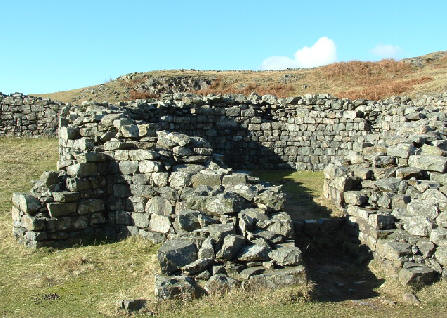
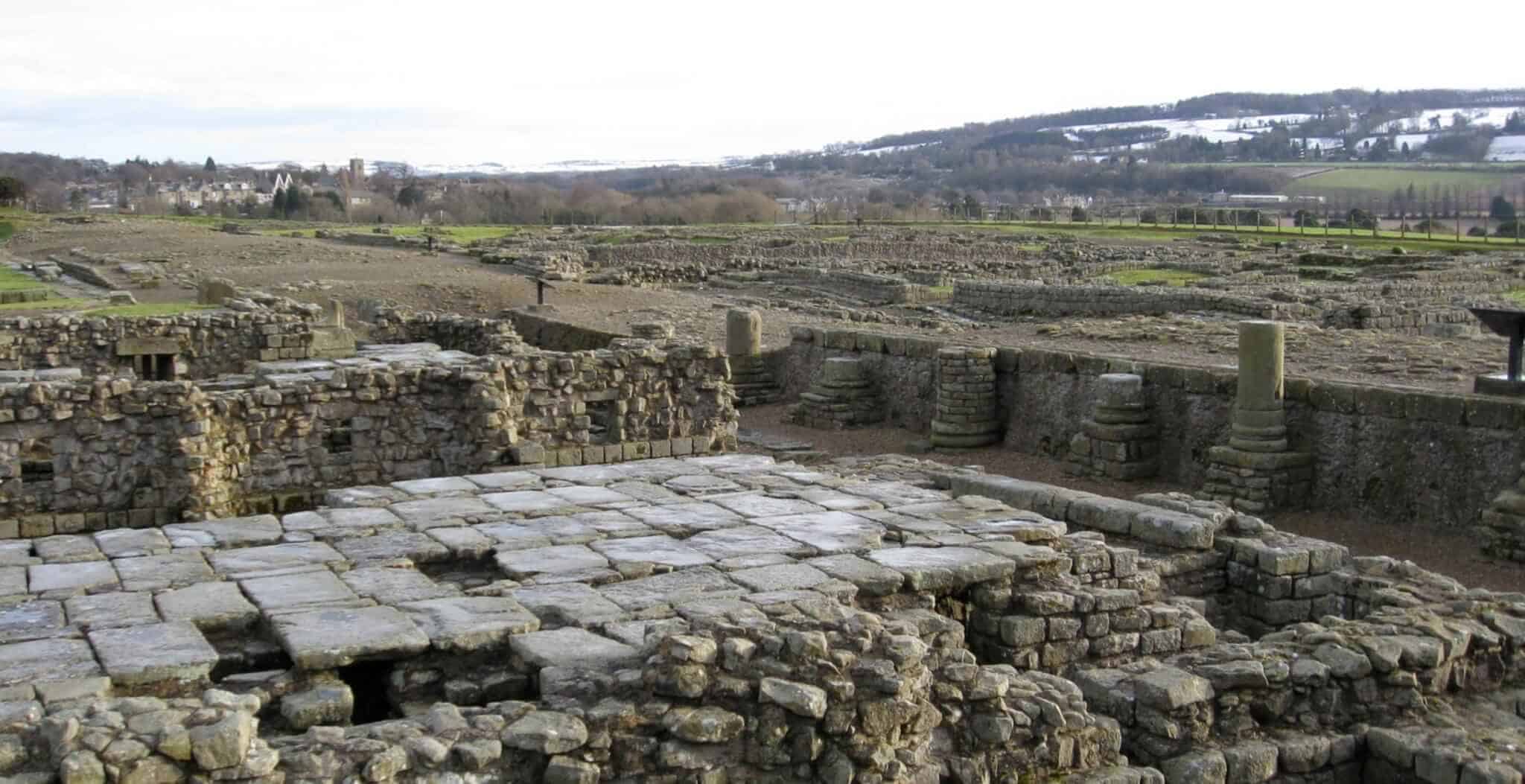
A short walk from small parking area brings you to the bath house, situated just outside the main gate of the fort. Upslope from here are the remains of the parade ground.
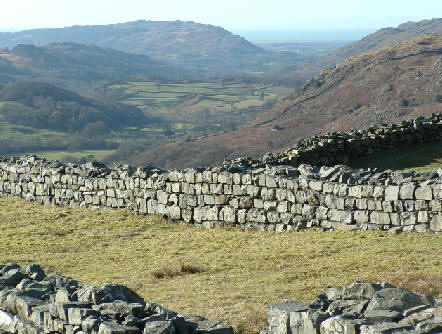
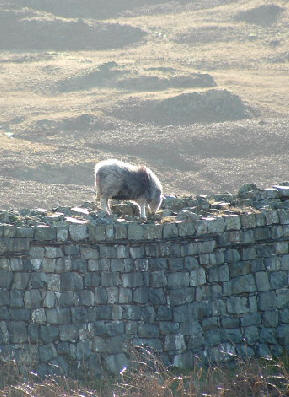
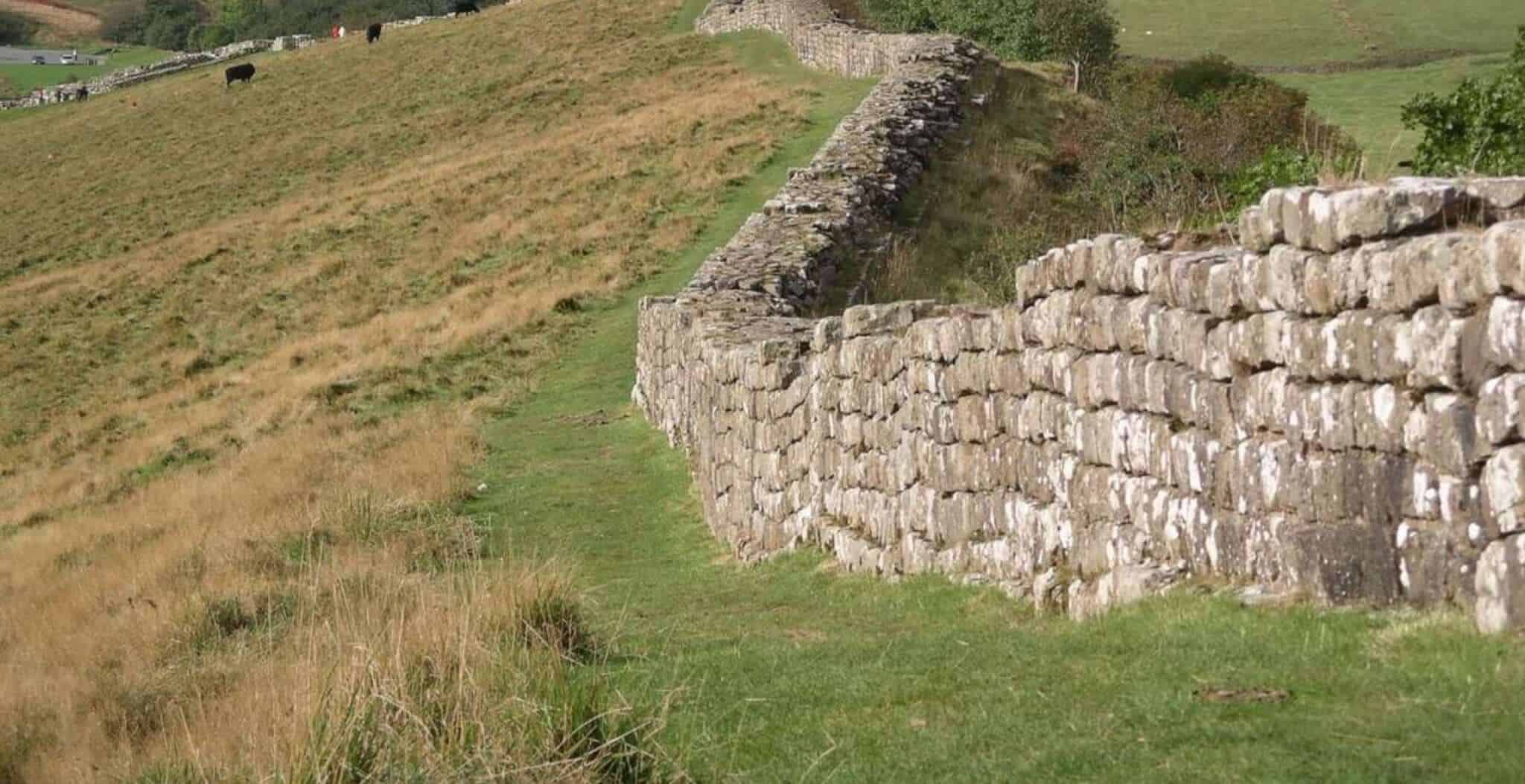
Excavation of the fort took place in the late 19th century and again in the 1950s and 60s. Much of the fort has been rebuilt from rubble at the site: the walls surround the fort on all four sides, some stand to over 8 feet high in places. Inside the fort, the foundations and walls of the soldiers barracks, the commanders house and the granaries can still be seen. The fort had towers at each corner and gateways on the four sides. The entire site is very well signed with information boards by the National Trust and English Heritage, explaining the layout and the history.
The views from the fort on all sides are stunning.
During bad weather in the winter, Hardknott and Wynose passes may be impassable: during the busy summer months, the passes may be equally as difficult to navigate, due to the number of vehicles and the narrowness of the road (only wide enough for one car at a time) and the tight bends!
Getting here
Hardknott Fort is in Eskdale in the western Lake District, beside the road connecting Raveglass on the Cumbrian coast with Ambleside, please try our UK Travel Guide for further information.
Roman Sites in Britain
Browse our interactive map of Roman Sites in Britain to explore our listing of walls, villas, roads, mines, forts, temples, towns and cities.
Museums
View our interactive map of Museums in Britain for details of local galleries and museums.
Castles in England
Try our interactive map of Castles in England to browse our huge database.