

Throughout the centuries smuggling has been considered by the British people to be a very profitable way of life!
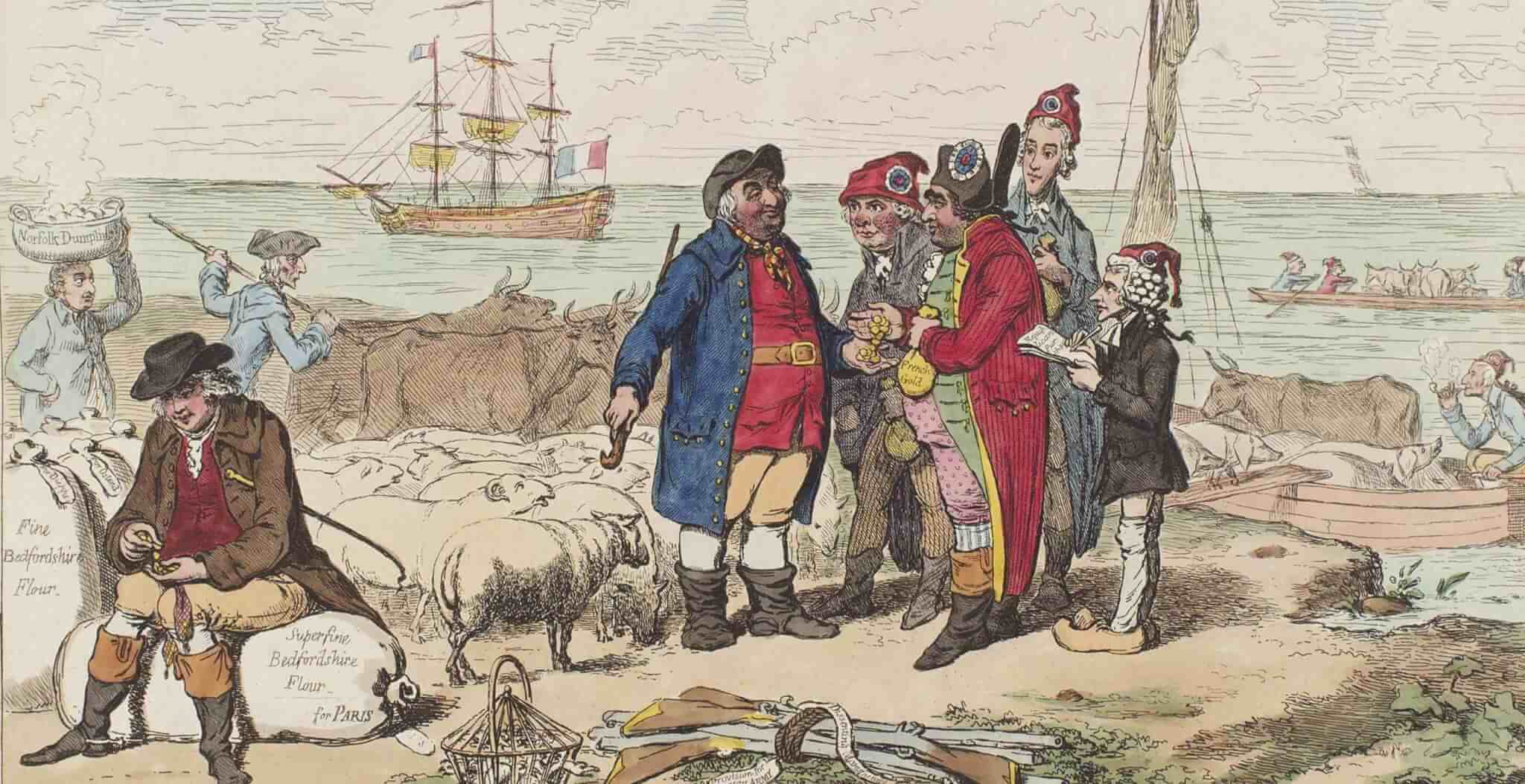
“Something for nothing” has always had an attraction and during the 17th and 18th centuries in southern England smuggling became part of everyday life, and was certainly more profitable than fishing. At one period in history it was estimated that more illicit spirits were being smuggled in to the country than came through London Docks!
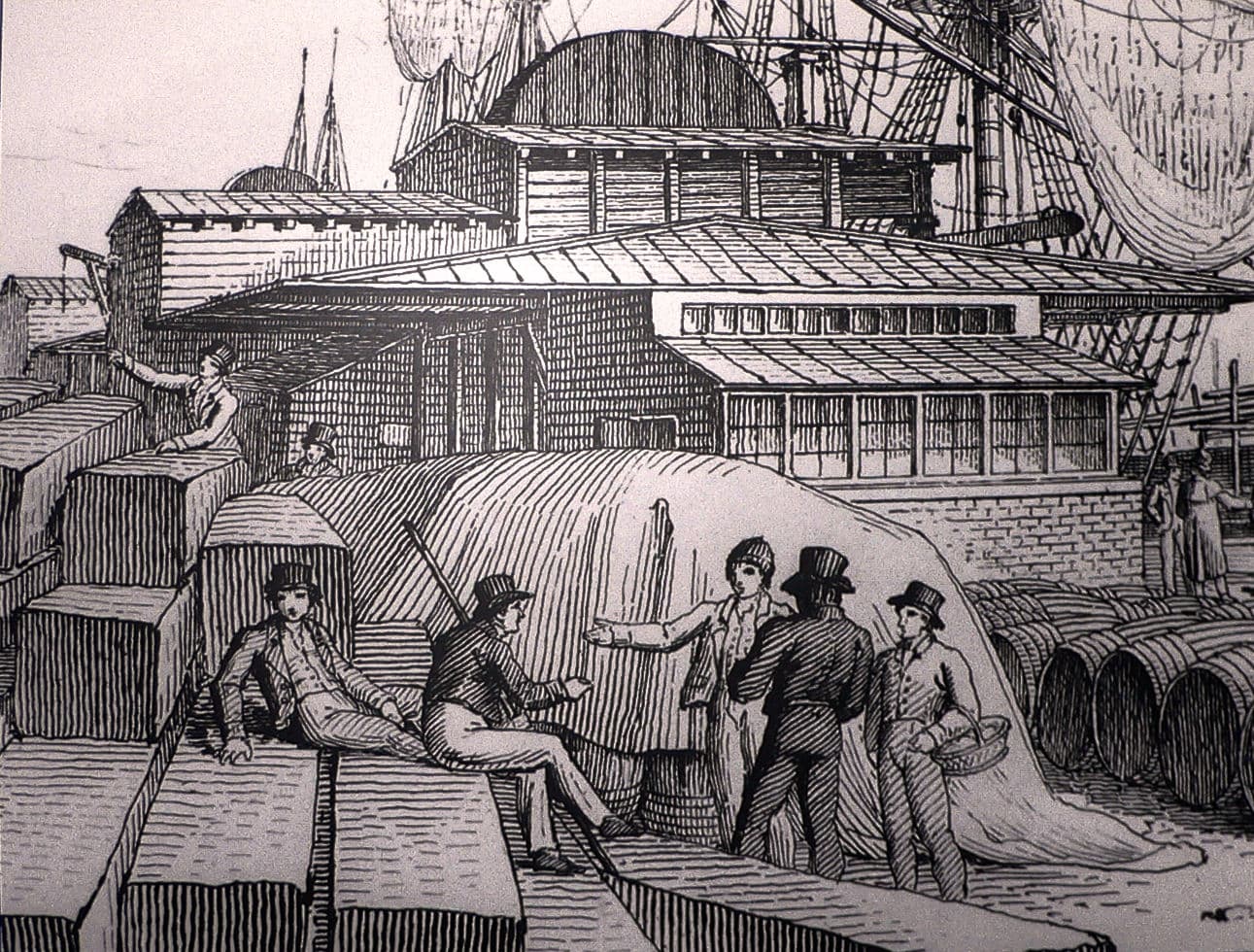
During the long period of the 18th century Continental Wars, the shortage of able-bodied men for home service, coupled with official corruption, allowed smugglers to do very much as they liked, and so they carried on their job in open defiance of the law. However one precaution they did take was to make villagers face the wall when they approached with their contraband. Then if an individual smuggler was arrested later, the villagers could truthfully swear that they had seen nothing, for hearing was not evidence.
One Cornish man, John Carter from Breage was perhaps the most famous smuggler. His nickname was the ‘King of Prussia’, and a line of cannons protected his base near Lands End! To this day the secret harbour he used is known as Prussia Cove.
One smuggler known for his cruelty, Cruel Coppinger, gave his name to some of the roads which converge on the headland of Steeple Brink in Cornwall. Below this cliff is an almost inaccessible cove, and this is where Coppinger and his gang stored their contraband.

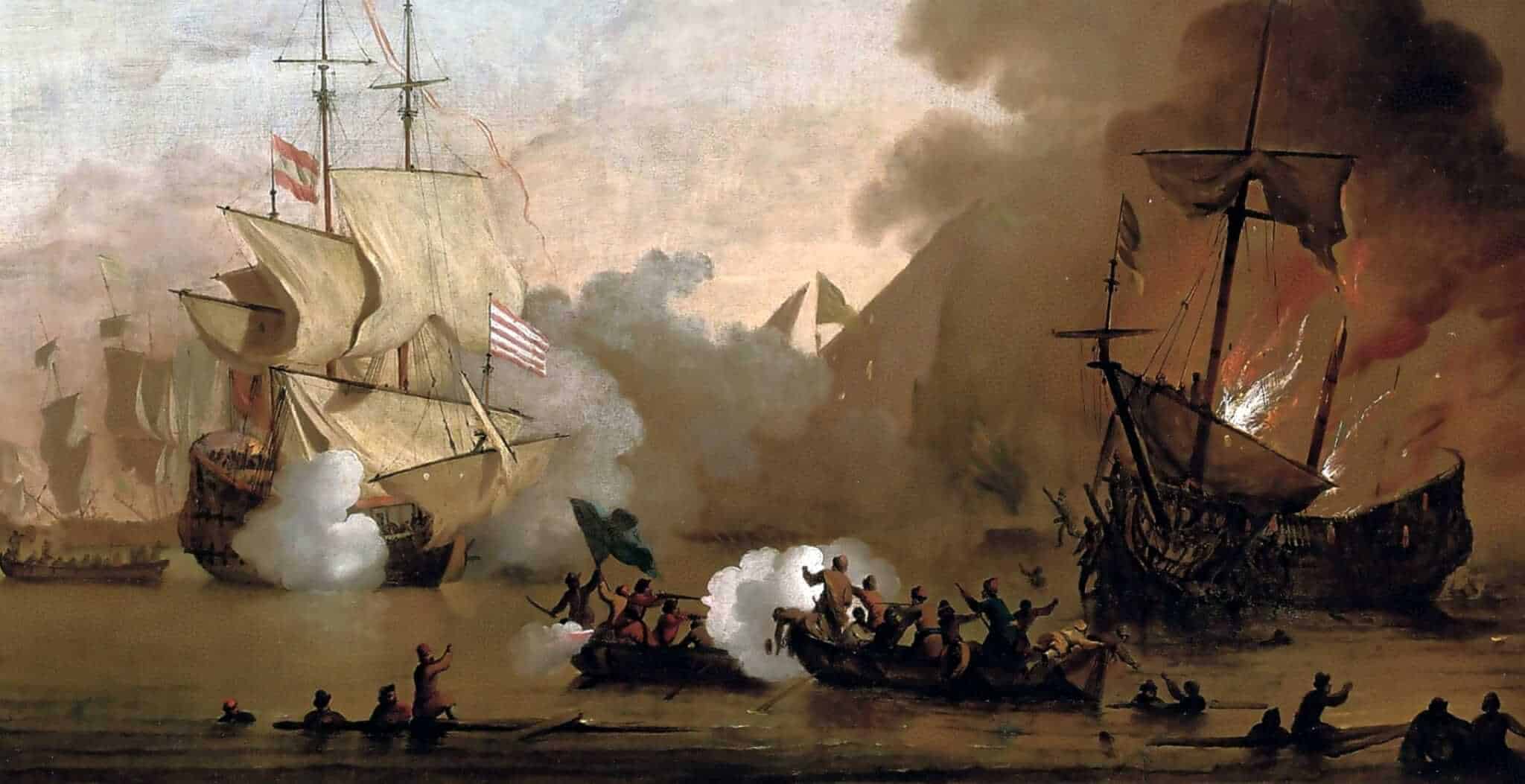
Wrecking was another part of the Cornish smuggling trade, as goods that were washed ashore from a wrecked ship were regarded as common property.
The sight of a ship foundering, would bring the nearby population to the beach, and before long, using pick-axes and hatchets the ship would be dismembered and any goods on it, carried away.
The law in those days deemed it illegal to claim salvage from a wrecked ship if anyone was alive on it. Therefore, the law virtually condemned any survivors found to death! There are legends that lights would be tied to horses tails in order to lure the ships onto the rocks. This was a rare occurrence as it was found more successful to light the beacons on the shore and then hopefully the ship would founder.
Smuggling also prospered in Essex. When the Peter Boat Inn at Leigh-on-Sea was reconstructed about 80 years ago, a warren of secret storage chambers were discovered.
A favourite landing place for contraband was Brandy Hole Creek on the Crouch. From there, the brandy was taken across Daws Heath near Rayleigh in shrimp-carts and taken to London.
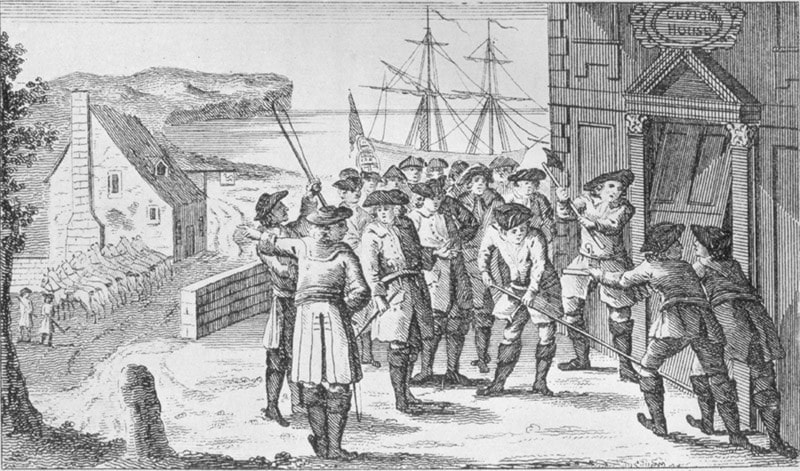
In the 18th century, Poole in Dorset with its convenient harbour, was one of the greatest smuggling towns on the English coast. Tea was landed from passing East Indiamen and brandy, silk and lace came across in huge quantities from France and the Channel islands. The men of Poole were in close touch both with the Sussex smugglers and with those from the West and when a seizure of tea was made in 1747, it was the Hawkhurst gang from Sussex who openly attacked the Custom House at Poole and recovered it.
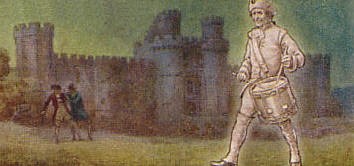
Ghost stories were often used by the smugglers to hide their operations. At Hadleigh Castle a pair of ‘phantoms’, – the White Lady and Black Man – made dramatic appearances just before a shipment of illicit liquor arrived, and duly disappeared when all the liquor had been moved away. There is no doubt that the famous 18th century legend of ‘the Ghostly Drummer of Hurstmonceaux Castle’ in Sussex started with some enterprising smugglers and a little phosphorus!
There were many bloody, desperate fights with the Excise-men in the lonely creeks, and an entire boatload of Excise-men were found with their throats cut on the Sunken Island near Mersea, in the early 1800’s. They now buried beneath their upturned boat in Virley churchyard.
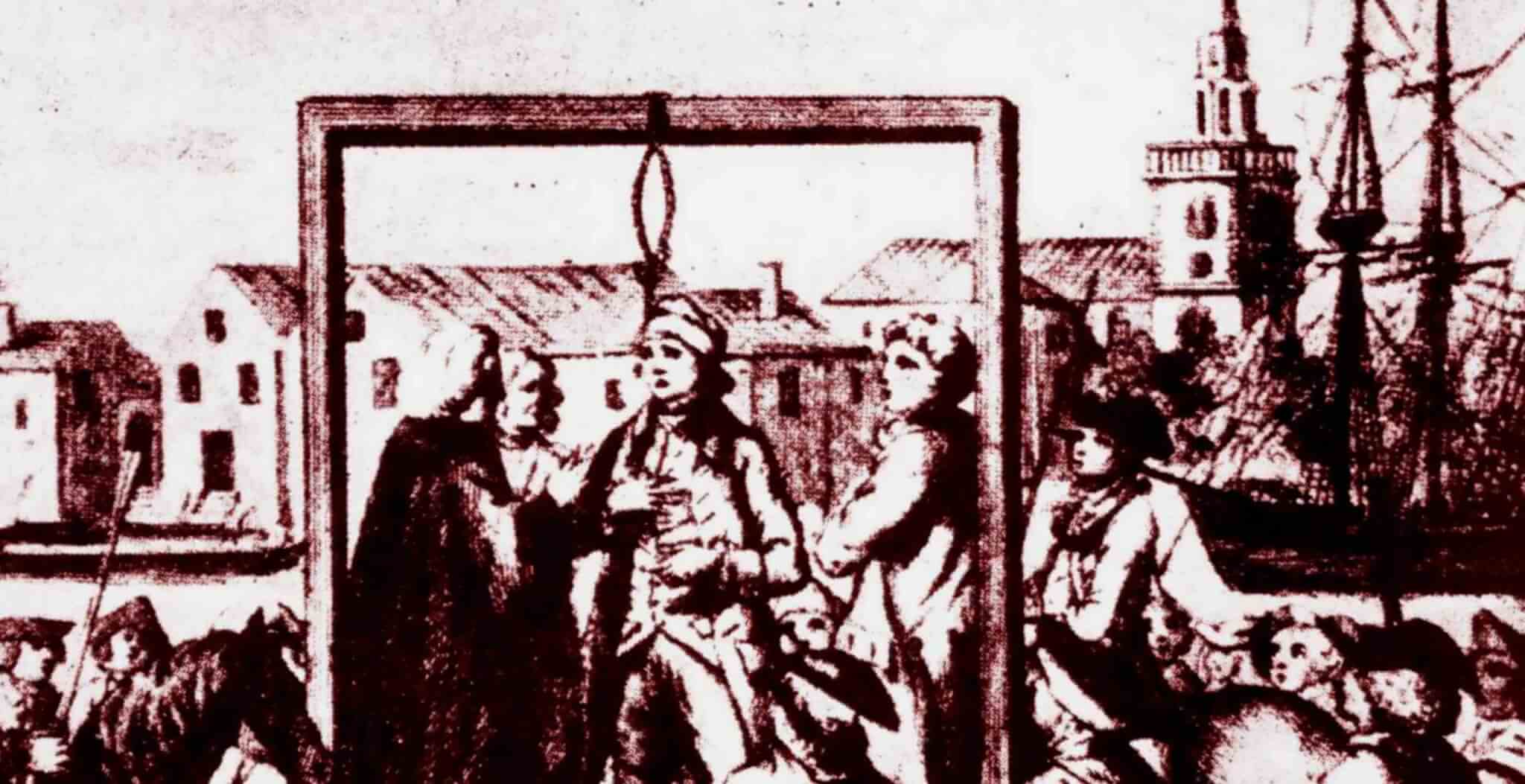
John Pixley was a notorious Essex smuggler in the 18th century and when he was finally caught and sentenced to hanging he managed to obtain his release from prison by enlisting in the Custom Service. There his knowledge of smuggling methods and his natural ruthlessness made him the terror of his former companions.
We may think that in the present day smuggling has ceased but has it? The packs of cigarettes and bottles of whisky hidden in the holidaymaker’s suitcase, is surely a modern day version of the smuggler. Old habits die-hard!! It seems that people never change, and it has to be acknowledged, that here in Britain we have a great deal of experience in the art of smuggling.