

The UK may be a small country but it seems to have more true eccentrics than many larger ones. The old aristocracy supplied many of the most bizarre ones, because to have a really odd lifestyle you require a large personal fortune and the arrogance to ignore the reactions of your fellow countrymen.
For example William John Cavendish Scott Bentick, the fifth Duke of Portland, was a very shy man, didn’t like meeting people and banned them from his home, Welbeck Abbey in Nottinghamshire. He went one step further and decided to live underground. He built a series of subterranean rooms including an underground ballroom and a billiard room so big it could house a dozen billiard tables. These rooms and various others were connected by 15 miles of tunnels. One tunnel, a mile and a quarter long, connected the coach house to Worksop Railway Station. This made it possible for him to travel in a blacked-out carriage to the station where his carriage was then loaded on to a railway truck. When he reached his London home in Cavendish Square, his servants were sent away as he climbed from his coach and rushed in to the privacy of his study.
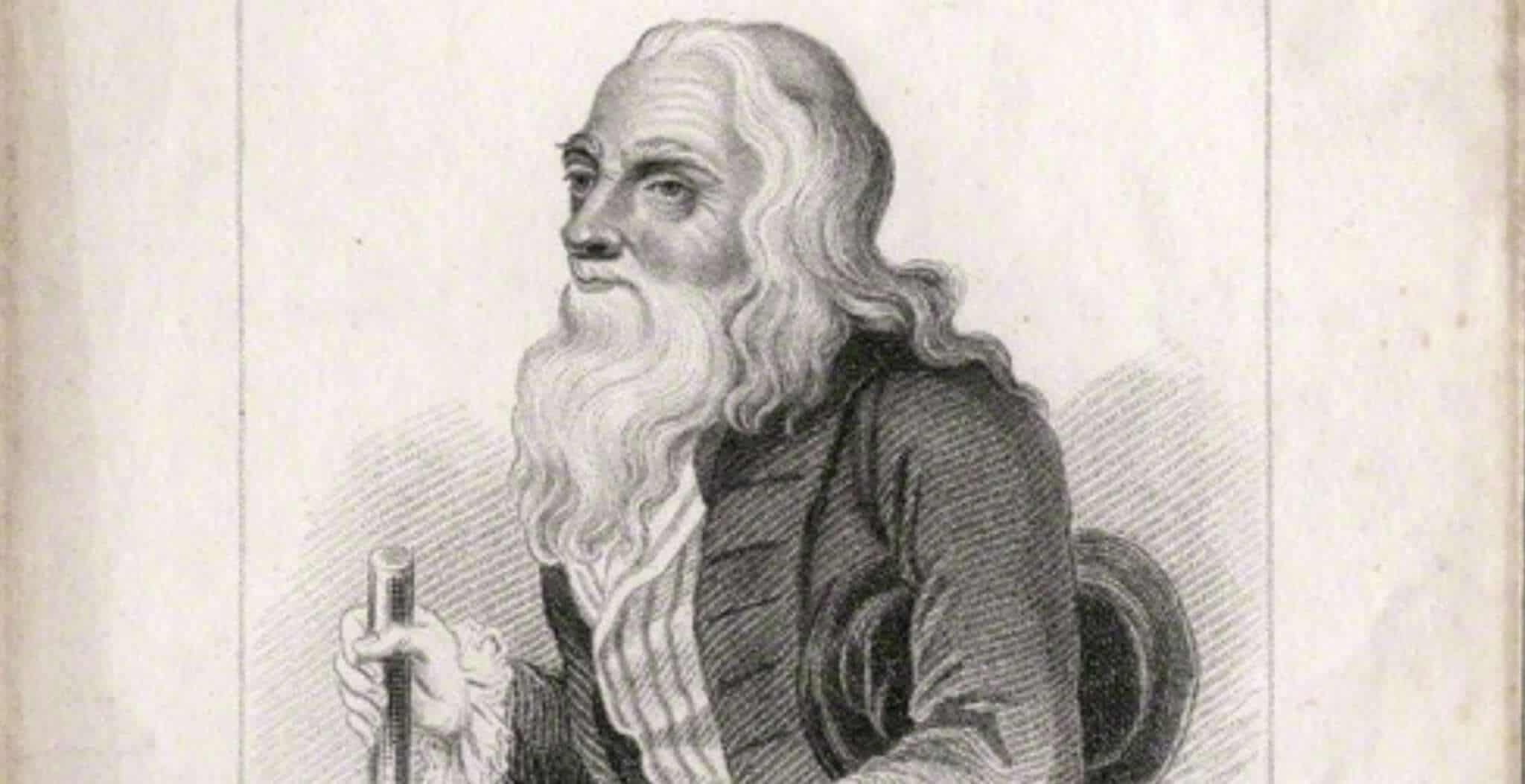
 Lord Rokeby decided that he would like to spend all his life near or in water. He spent hours in the sea off the Kent beaches, and his servants often had to drag him out on to dry land, unconscious. As he got older, at his home Mount Morris near Hythe he had a vast tank built with a glass top, filled with water. He spent a great deal of his time here, floating in the water. He grew the most enormous beard, so long that it hung down to his waist and spread out on the surface of the water. All his meals were taken in his pool, to the embarrassment of his family. His obsession with water was so great that had drinking fountains installed wherever he could and drank great quantities every day. He lived to be 88, so he was a good advertisement for the health giving properties of water!
Lord North was another remarkable eccentric. He married in September and spent his honeymoon in the Caribbean. When he returned with his new American wife to Burgholt House in England in October, he announced to his wife that he was going to bed. His wife was very surprised when he remained in bed for many days and was shocked to be told by a manservant that Lord North always stayed in bed from October 9th until March 22nd. A large 25 foot dining table was brought into Lord North’s bedchamber so that he could entertain people to dinner during these months. Lord North’s explanation for this bizarre behaviour was that no Lord North had got out of bed from October to March since his ancestor had lost the American Colonies!
Francis Henry Egerton, the eighth Earl of Bridgewater preferred dogs to people. He had no time for women, and he declared that dogs were better behaved than gentlemen. The dogs ate with him every day. The huge dining table would be laid for twelve and the dogs led in, each with a clean, white napkin around their necks. Servants would serve them off silver dishes, one servant to each dog. Boots were his other obsession. He wore a new pair every day and at night he ranged them round his walls and used them as a calendar.
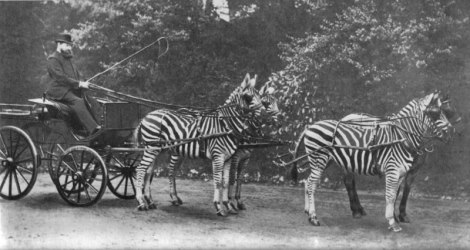
Baron de Rothschild with his carriage drawn by zebras
Another animal lover was Baron de Rothschild. His superb chateau in Buckinghamshire was home to many of these animals. He drove a carriage drawn by four zebras and in the house lived his tame bear that used to slap women guests on the bottom! On one occasion he gave an important political dinner for Lord Salisbury and when the twelve guests were seated at the table, they noticed that each had an empty chair beside them. Just before the meal, twelve immaculately dressed monkeys walked in and sat down in the empty seats.
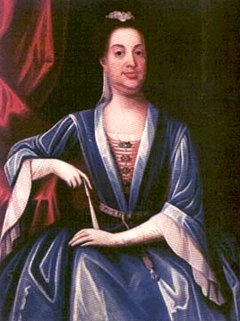 Lord Cornbury, the third Earl of Clarendon, was Queen Anne‘s cousin. His eccentricity took yet another form. The Queen made him her representative as Governor of New York and Jersey in America. He took it all very seriously and decided that as he represented a woman, he should dress as a woman. At the opening of the New York Assembly in 1702 he wore a blue-silk gown and satin shoes and carried a fan! He took to wearing the most sumptuous and expensive decorated hooped gowns in silk. As a result there was no money left for his wife who had to resort to stealing to clothe herself! He was ordered to return to England in 1708 but continued to dress as a woman and managed to remain a favourite of the Queen.
In 1770, at the age of 10 William Beckford inherited £1 million and several plantations in Jamaica. His income was £100,000 a year, an immense sum in the 18th century. He became obsessed with building: large buildings with towers were his speciality. However he was an impatient man and couldn’t wait to see his projects finished.
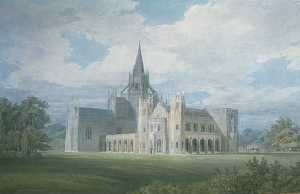 In 1794 he decided to build a Gothic abbey at his Fonthill Estate in Wiltshire. He was so impatient that he couldn’t wait for proper foundations to be dug: the abbey was built on foundations suitable for a much smaller building. 500 men were involved and he plied them with great quantities of beer, in the hope that they would work faster. After six years the magnificent abbey was complete with a spire 300 feet high. A gale blew up and the spire snapped in two. Beckford gave orders to start on a new tower immediately. Seven years later, the new tower was finished. Beckford lived in the abbey with just one servant, a Spanish dwarf but every day his dining table was laid for 12 and the cooks ordered to prepare food for twelve. Beckford had vowed he would eat his Christmas dinner in his new abbey’s kitchen. He did, but as soon as he had finished the meal, the kitchen collapsed! Little remains of Fonthill Abbey today.
Published: 13th June 2015