

The people of Wales have fiercely guarded and retained many of their ancient traditions, customs and language, and this is also true of the cuisine of Wales.
A decade or so ago it was admittedly difficult to find traditional Welsh cooking in the cities of Wales such Cardiff or Swansea or even in the seaside resorts such as Llandudno or Colwyn Bay. Nowadays thanks to an initiative called ‘Wales, the True Taste’, traditional Welsh produce and dishes are being celebrated throughout the land, in hotels, restaurants and country inns.
The ‘Wales, The True Taste’ scheme, managed by the Welsh Development Agency (WDA), promotes and endorses the use of quality Welsh produce throughout the hospitality and tourism industries in Wales.
Many different types of speciality foods are grown and prepared in Wales, from honey to ham, cockles to specialist sauces, white wine to whisky, and ice-cream to yoghurt.
Welsh sheep are small and have a particularly delicious flavour when eaten as a lamb. Salt-marsh lamb has a buttery texture and gentle well rounded flavour, as a result of the flocks of sheep grazing on seaweed by the seashore. Although lamb is the meat most often associated with Wales, in the past this was a meat eaten only on high days and holidays: the pig was the staple meat for the family.
Traditional Welsh cooking derives from the diet of the working man: fisherman, farmer, coal miner or labourer. Thus fresh vegetables from the garden, fish from the rivers, lakes or sea, meat from the family pig etc. form the basis of traditional Welsh cooking. Welsh lamb and beef feature prominently as do freshly caught fish such as salmon, brown trout, white crab, lobsters and cockles.
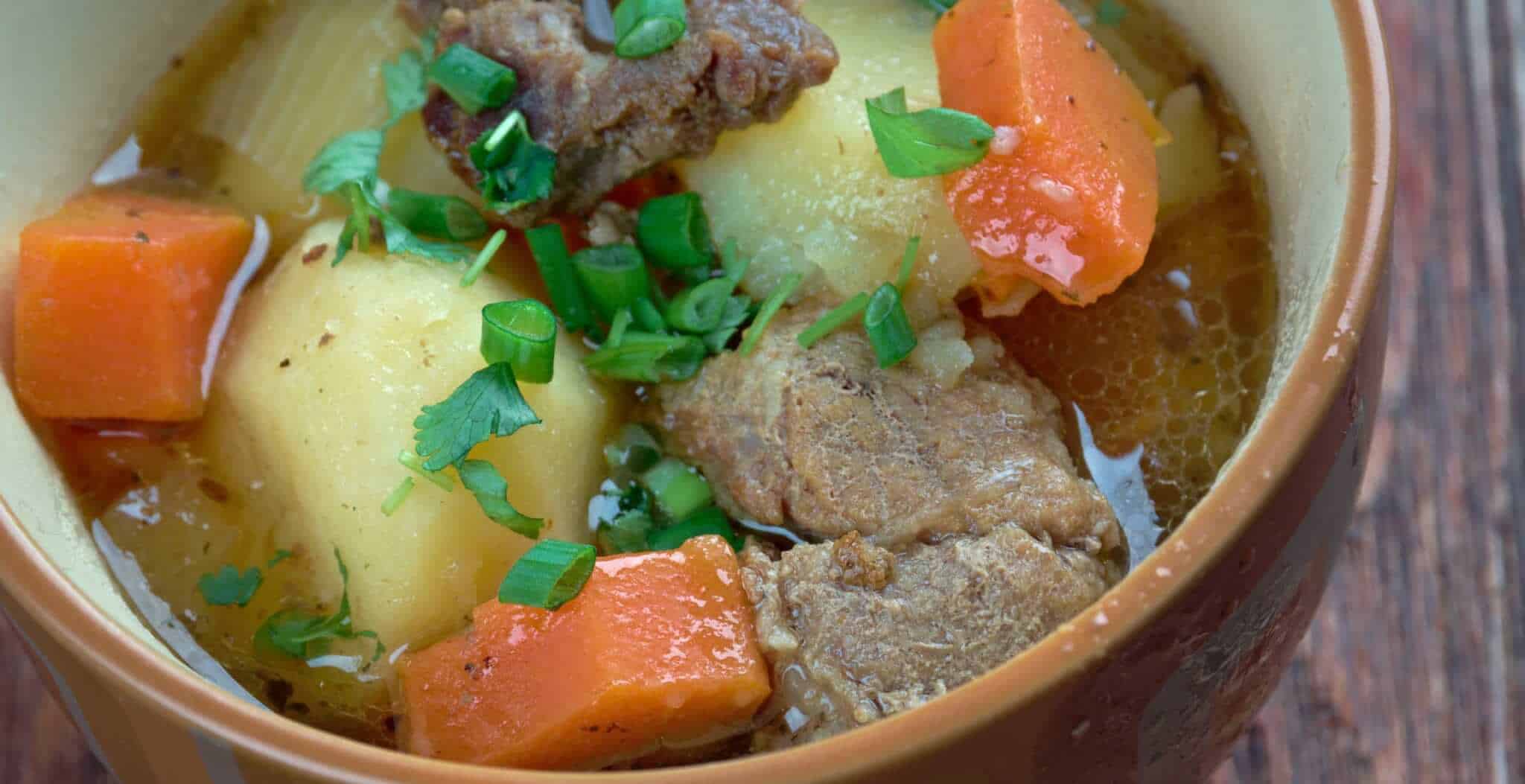
Bacon, along with the two Welsh staple vegetables leeks and cabbage, goes to make the traditional Welsh dish cawl, a broth or soup. This classic one-pot meal, originally cooked in an iron pot over an open fire, used all local ingredients: home-cured bacon, scraps of Welsh lamb, cabbage, swede, potatoes and leeks. Recipes for cawl vary from region to region and from season to season, depending on what vegetables and produce are available. While cawl can be eaten all together, in some regions the broth is served first followed by the meat and vegetables.
 Only in Wales, and some parts of Scotland and Ireland, is an edible seaweed known as laver gathered and processed commercially. Available already cooked and prepared in numerous markets throughout Wales, bara lawr or laverbread is usually eaten sprinkled with oatmeal, then warmed in hot bacon fat and served with bacon for breakfast or supper. The seaweed itself can be found in some parts of the west coast, clinging to the rocks at low tide.
Caerphilly is a mild crumbly white cheese which originated in South Wales and is probably the best known Welsh cheese. Today farmhouse Caerphilly, made in traditional rounds with natural rinds, is made only in the West Country of England, not in Wales, although mild, crumbly block cheese is made in creameries in the Principality. In the mountains and hills of Wales, where sheep or goats grazed rather than cows, ewe’s milk cheeses were made on farms and today in Wales there is a revival in soft, creamy goats’ milk cheeses.
The Welsh love teatime! Traditional bara brith ( the famous speckled bread of Wales), Teisen lap ( a shallow moist fruit cake) teisen carawe (caraway seed cake), tease sinamon (cinnamon cake) and teisen mêl (honey cake) are favourites for the tea table. Such cakes are still made today throughout Wales, although the ancient recipes have been updated to suit modern methods of cooking.
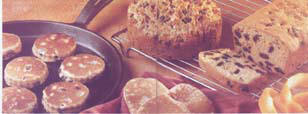
Griddle cakes are also served at teatime. A variety of scones, pancakes, cakes, breads, turnovers and oatcakes are all cooked this way. Then there are the famous spicy Welsh cakes. Pancakes and pikelets, (a little like crumpets) are also family favourites and are served oozing with rich Welsh butter.
When travelling through the Principality of Wales, be sure to seek out cafes, restaurants and hotels displaying the ‘Wales, the True Taste’ logo and try for yourself some of the delicious traditional dishes, produce and cuisine of Wales.