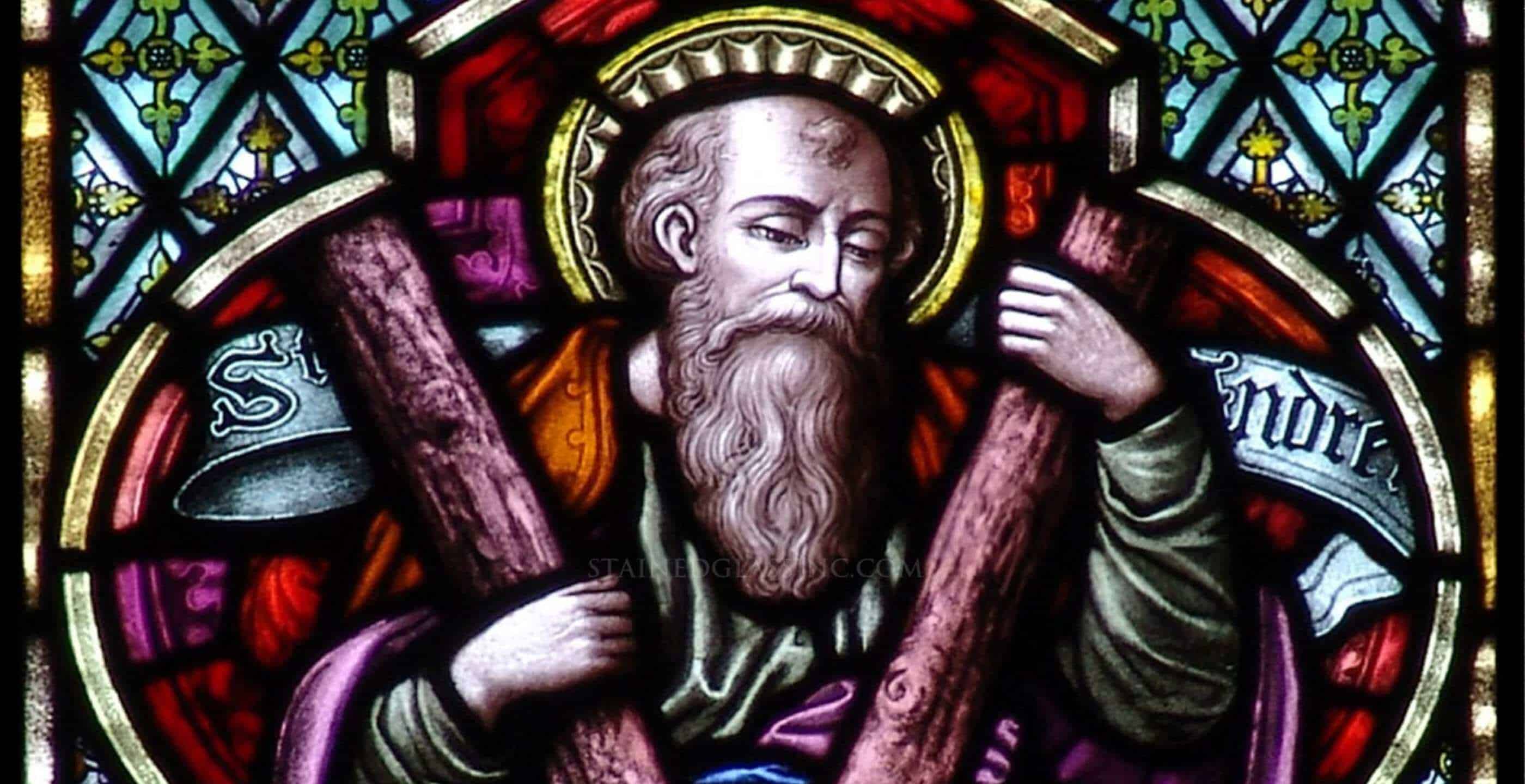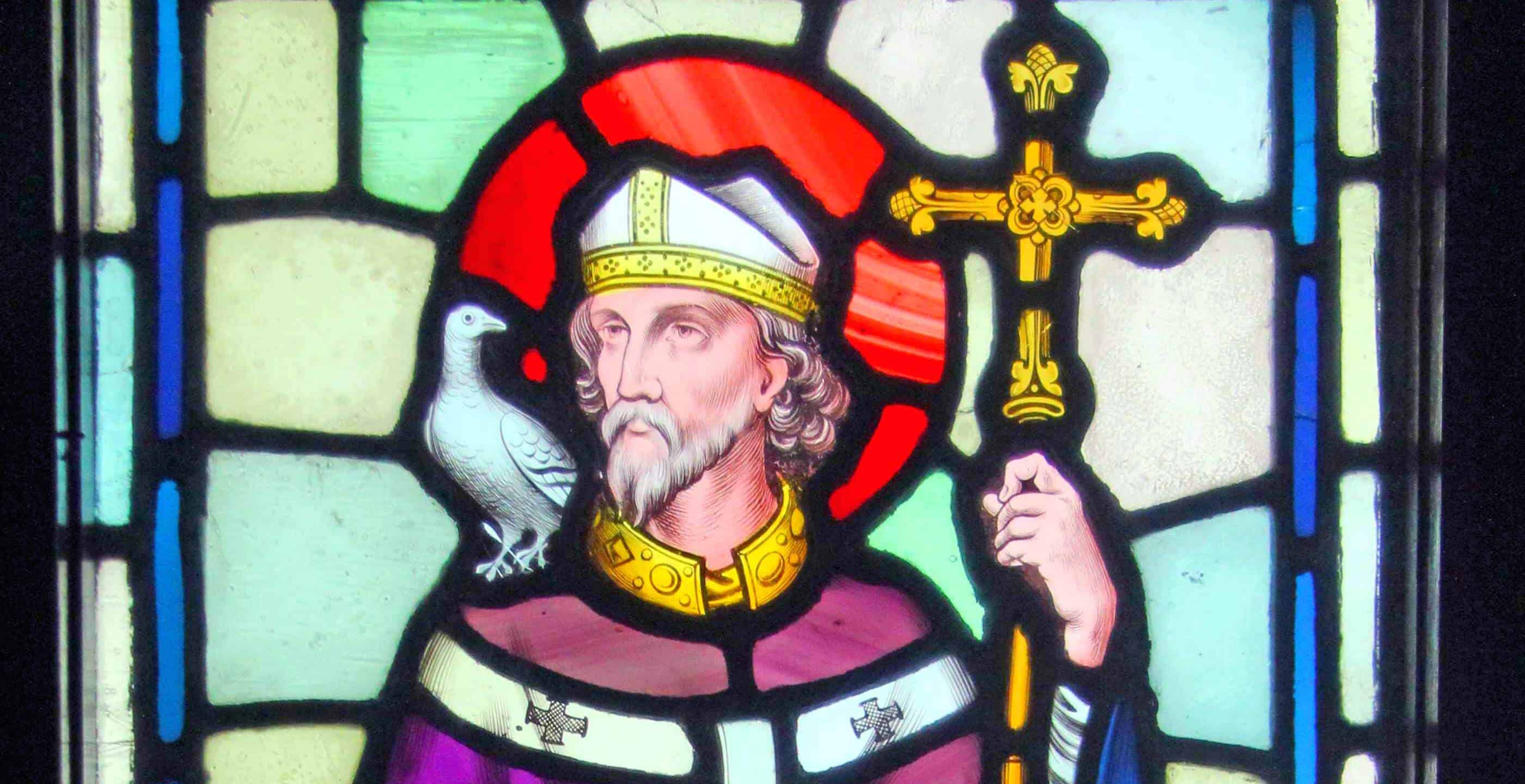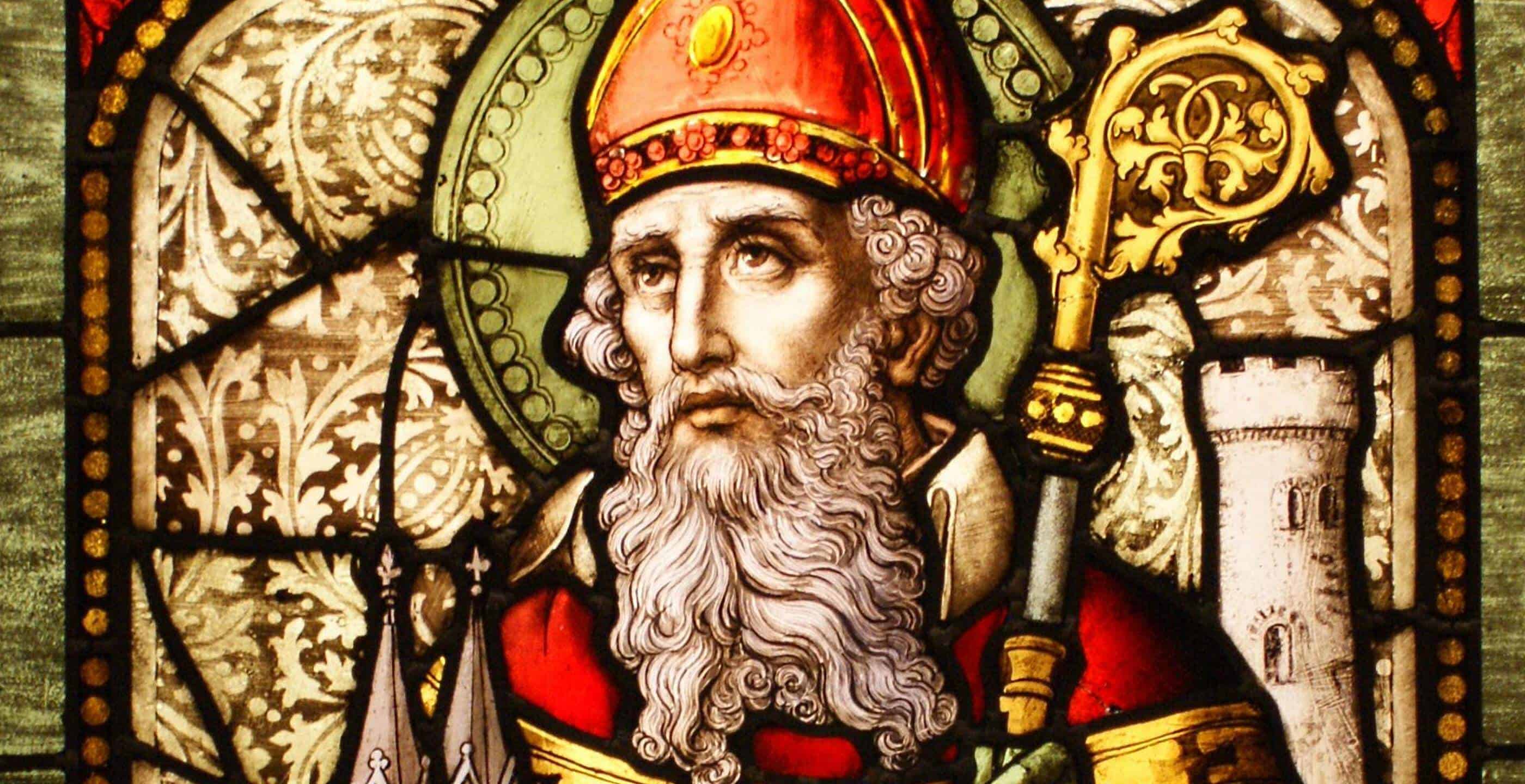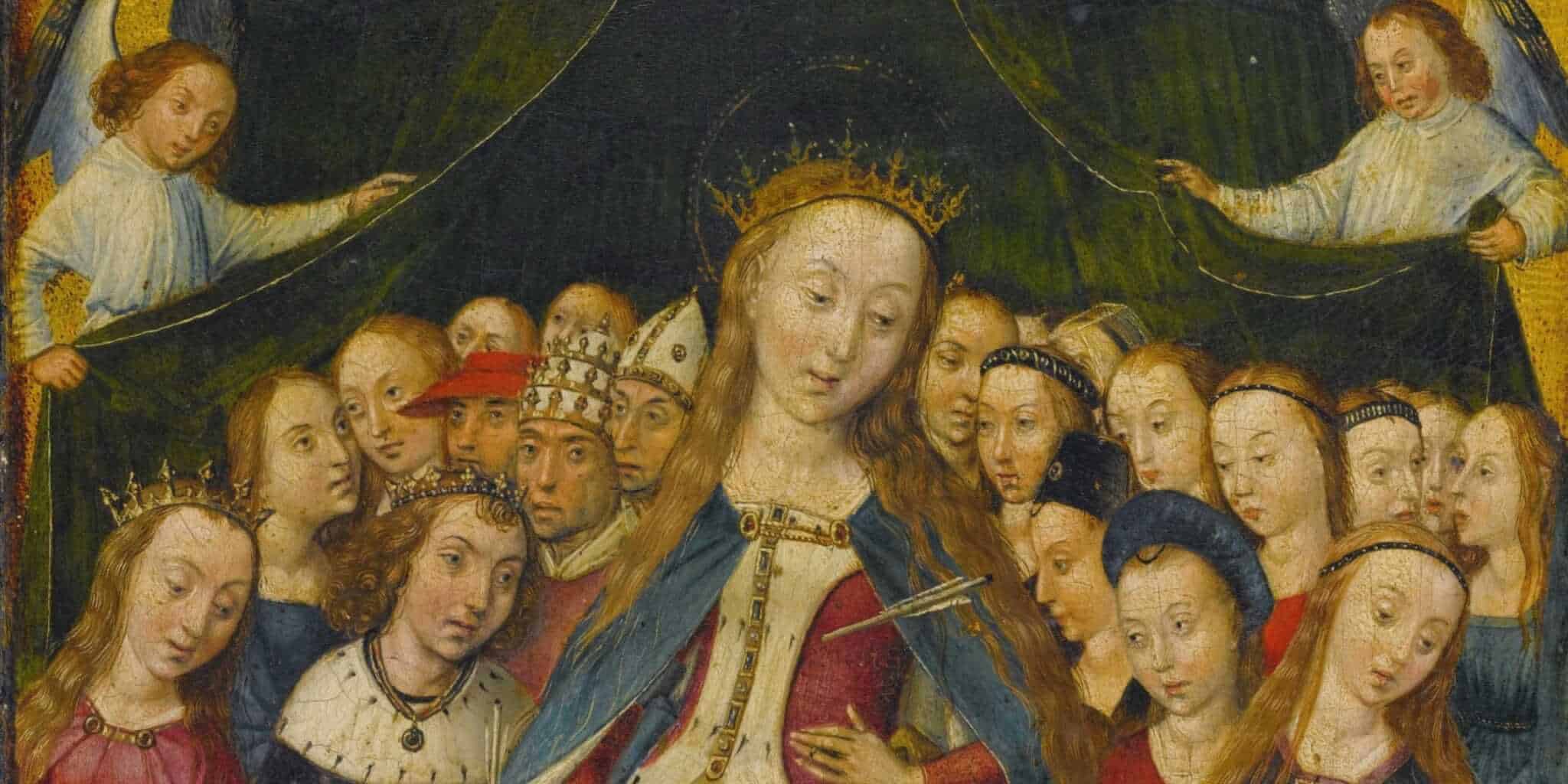


Every nation has its own ‘Patron Saint’ who in times of great peril is called upon to help save the country from its enemies. St David is the patron saint of Wales, St Andrew of Scotland and St Patrick of Ireland – St George being the patron saint of England.
But who was St. George, and what did he do to become England’s Patron Saint?
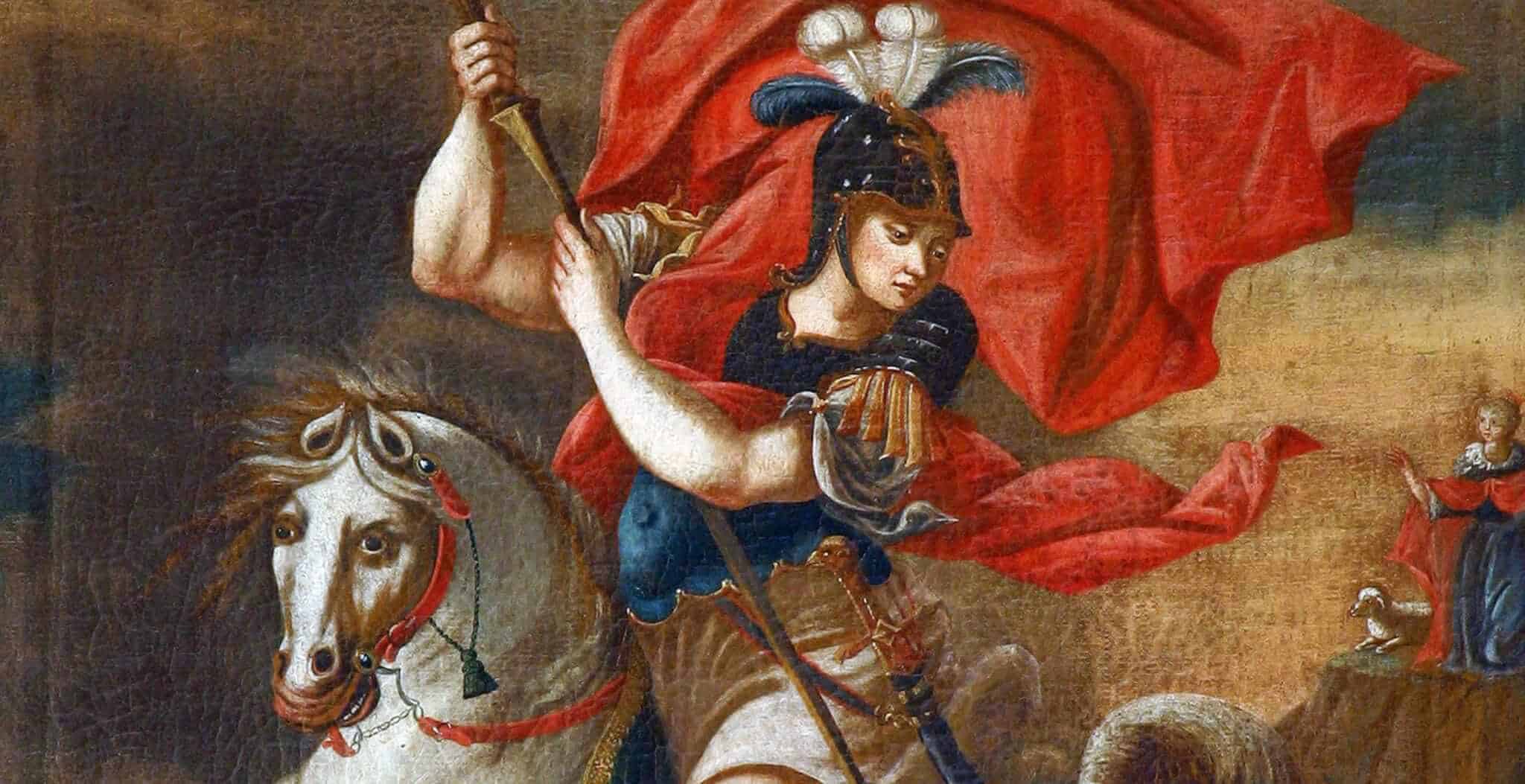
Very little is known about St. George’s life, but it is thought he was a high ranking officer in the Roman army who was killed in around AD 303.
 It seems that the Emperor Diocletian had St. George tortured to make him deny his faith in Christ. However despite some of the most terrible torture even for that time, St George showed incredible courage and faith and was finally beheaded near Lydda (aka Lod) in Palestine, now central Israel. His head was later taken to Rome where it was interred in the church dedicated to him.
Stories of his strength and courage soon spread throughout Europe. The best-known story about St. George is his fight with a dragon, but it is highly unlikely that he ever fought a dragon, and even more unlikely that he ever visited England, however his name was known there as early as the eighth-century.
In the Middle Ages the dragon was commonly used to represent the Devil. Unfortunately the many legends connected with St. George’s name are fictitious, and the slaying of the ‘Dragon’ was first credited to him in the 12th century.
St. George, so the story goes, killed a dragon on the flat topped Dragon Hill in Uffington, Berkshire, and it is said that no grass grows where the dragon’s blood trickled down!
It was probably the 12th century Crusaders however who first invoked his name as an aid in battle.
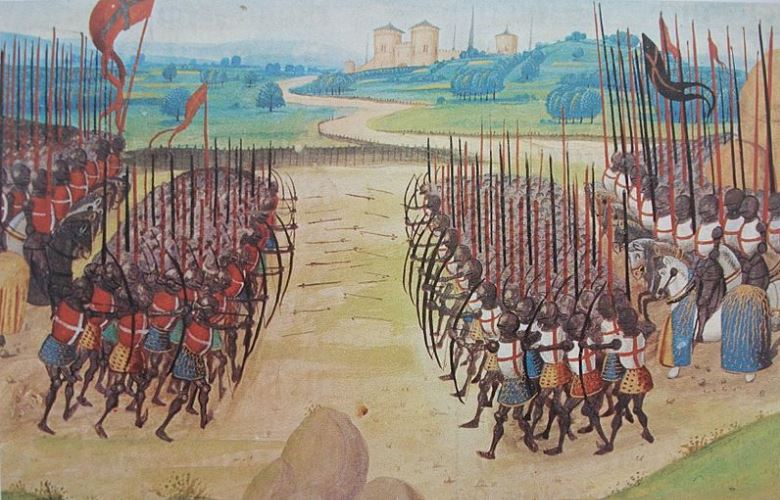
King Edward III made him the Patron Saint of England when he formed the Order of the Garter in St. George’s name in 1350, and the cult of the Saint was further advanced by King Henry V, at the battle of Agincourt in northern France.
Shakespeare made sure that nobody would forget St. George, and has King Henry V finishing his pre-battle speech with the famous phrase, ‘Cry God for Harry, England and St. George!’
King Henry himself, who was both warlike and devout, was thought by his followers to possess many of the saint’s characteristics.

In England St. George’s Day is celebrated, and his flag flown, on his feast day, April 23rd.
An interesting piece of trivia – Shakespeare was born on or around St. George’s Day 1564, and if the story is to be believed, died on St. George’s Day 1616.
An appropriate end perhaps for the man who helped to immortalise the Saint in English tradition.
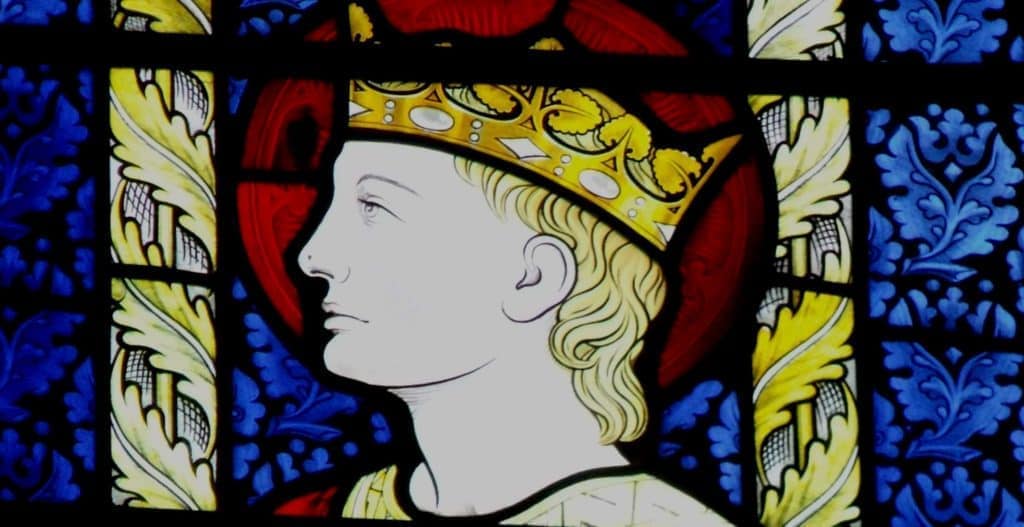
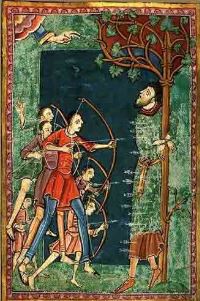 And yet another interesting piece of oft-forgotten history – for over 300 years the Patron Saint of England was actually an Englishman, St. Edmund, or Edmund the Martyr, the Anglo-Saxon King of East Anglia. Edmund fought alongside King Alfred of Wessex against the pagan Viking and Norse invaders until 869/70 when his forces were defeated. Edmund was captured and ordered to renounce his faith and share power with the Norsemen, but he refused. Edmund was bound to a tree and used as target practice by the Viking bowmen before being beheaded.
St. Edmund’s Day is still celebrated on 20th November, particularly by the good East Anglian (Angles) people of Suffolk “south folk”.