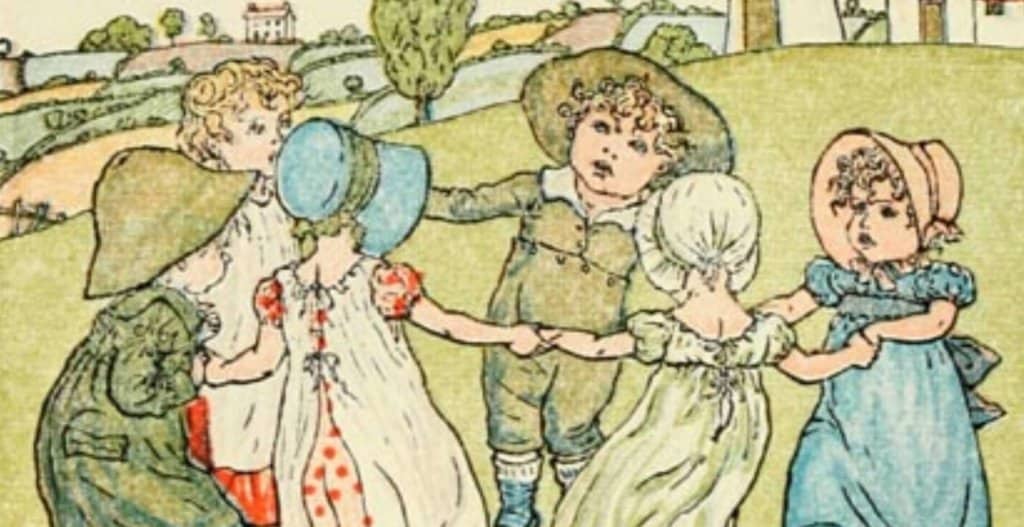


Every child has heard of Little Jack Horner, and has played, at some time, Ring a Ring O’Roses, little realising that these seemingly childish rhymes are based on fact.
Little Jack Horner lived in the 1530’s, the time of the Dissolution of the Monasteries during the reign of Henry VIII. Jack Horner was steward to Richard Whiting, the last of the Abbots of Glastonbury. It is said that the Abbot, hoping to placate King Henry, sent His Majesty an enormous Christmas pie containing the deeds of 12 manors. Horner was given the task of taking the ‘pie’ to London. During the journey he managed to open the pie and extract the deeds of the Manor of Mells in Somerset, presumably the ‘plum’ referred to in the rhyme. A Thomas Horner did assume ownership of Mells, but his descendants and the present owner of the house claim the rhyme is a slander!
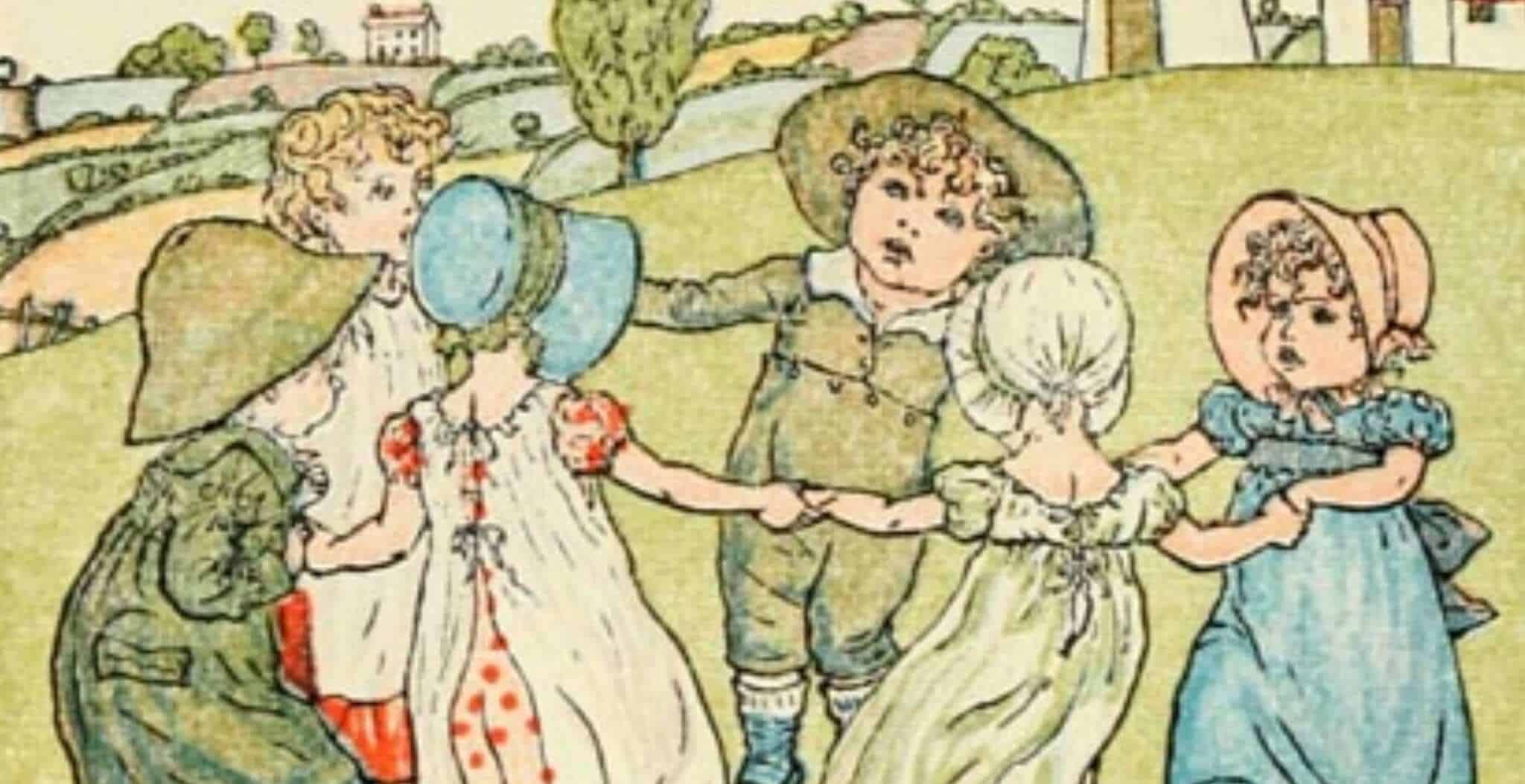
Ring a Ring O’ Roses,
A pocketful of posies,
Atishoo! Atishoo!
We all fall down!
“Ring a Ring O’ Roses” is said to be a macabre parody on the horrors of the Great Plague. One of the first signs of the plague was a ring of rose-coloured spots, and the protection against this terrible disease was, in popular belief, a posy of herbs. Sneezing was taken as a sure sign that you were about to die of it, and the last line “We all fall down” omits the word, “dead”!
Hush a-bye baby in the tree-top,
When the wind blows the cradle will rock,
When the bough breaks the cradle will fall,
Down will come cradle, baby and all
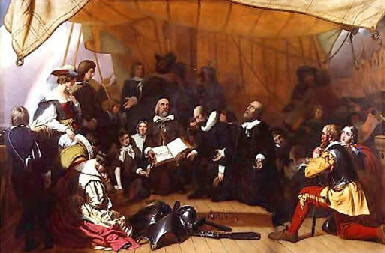
“Hush a-bye Baby” was reputably written by a boy who sailed with the Pilgrim Fathers to America in 1620 and was the first English poem written on American soil. It is said to have been inspired by the Native American custom of popping babies’ cradles in the branches of trees.
Mary, Mary quite contrary
How does your garden grow,
With silver bells and cockle shells
And pretty maids all in a row
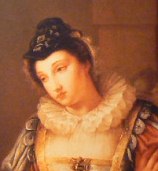 The tragic Mary Queen of Scots is commonly accepted as the heroine of the rhyme, “Mary, Mary quite contrary”. The cockle shells and silver bells are supposed to have been ornaments on a dress given to her by her first husband, the Dauphin of France. The pretty maids all in a row were her ladies in waiting, the famous Four Marys.
Another interpretation is that the rhyme could refer to Mary I, ‘Bloody Mary’. Mary was a devout Catholic and upon taking the throne on the death of her brother Edward VI, restored the Catholic faith to England, hence ‘Mary Mary quite contrary’. The ‘garden’ in the second line is taken to refer to the country itself. The ‘silver bells’ were a type of thumbscrew and the ‘cockle shells’ were also instruments of torture, used on Protestant martyrs to ‘persuade’ them to change faith. The ‘maiden’ was an instrument used to behead people (a little like the later French guillotine) and the line ‘pretty maids all in a row’ is taken to refer to the mass execution of Protestants during Mary’s reign.
Published: 14th April 2015