

Many folklore customs have their roots planted firmly back in the Dark Ages, when the ancient Celts had divided their year by four major festivals. Beltane or ‘the fire of Bel’, had particular significance to the Celts as it represented the first day of summer and was celebrated with bonfires to welcome in the new season. Still celebrated today, we perhaps know Beltane better as May 1st, or May Day.
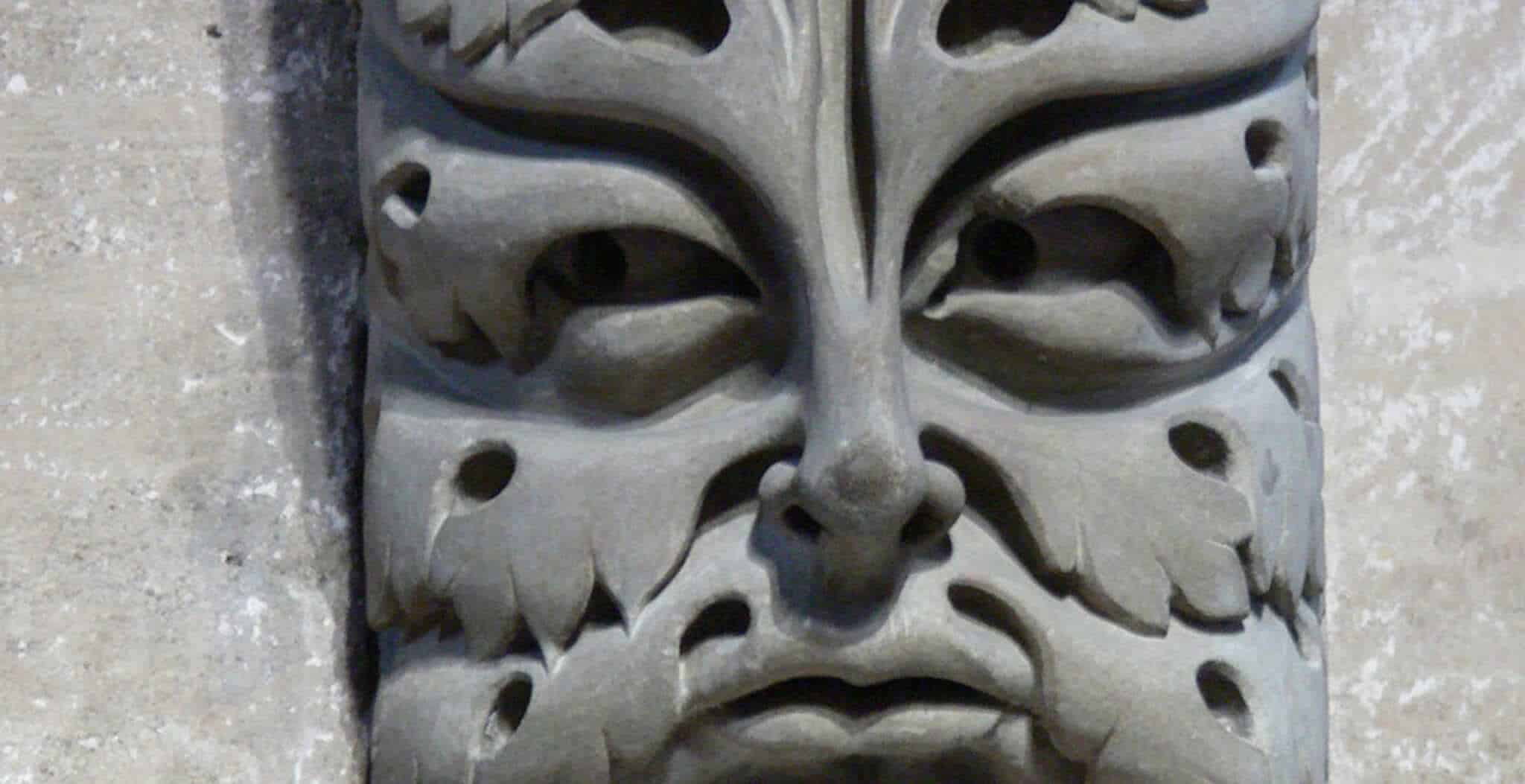
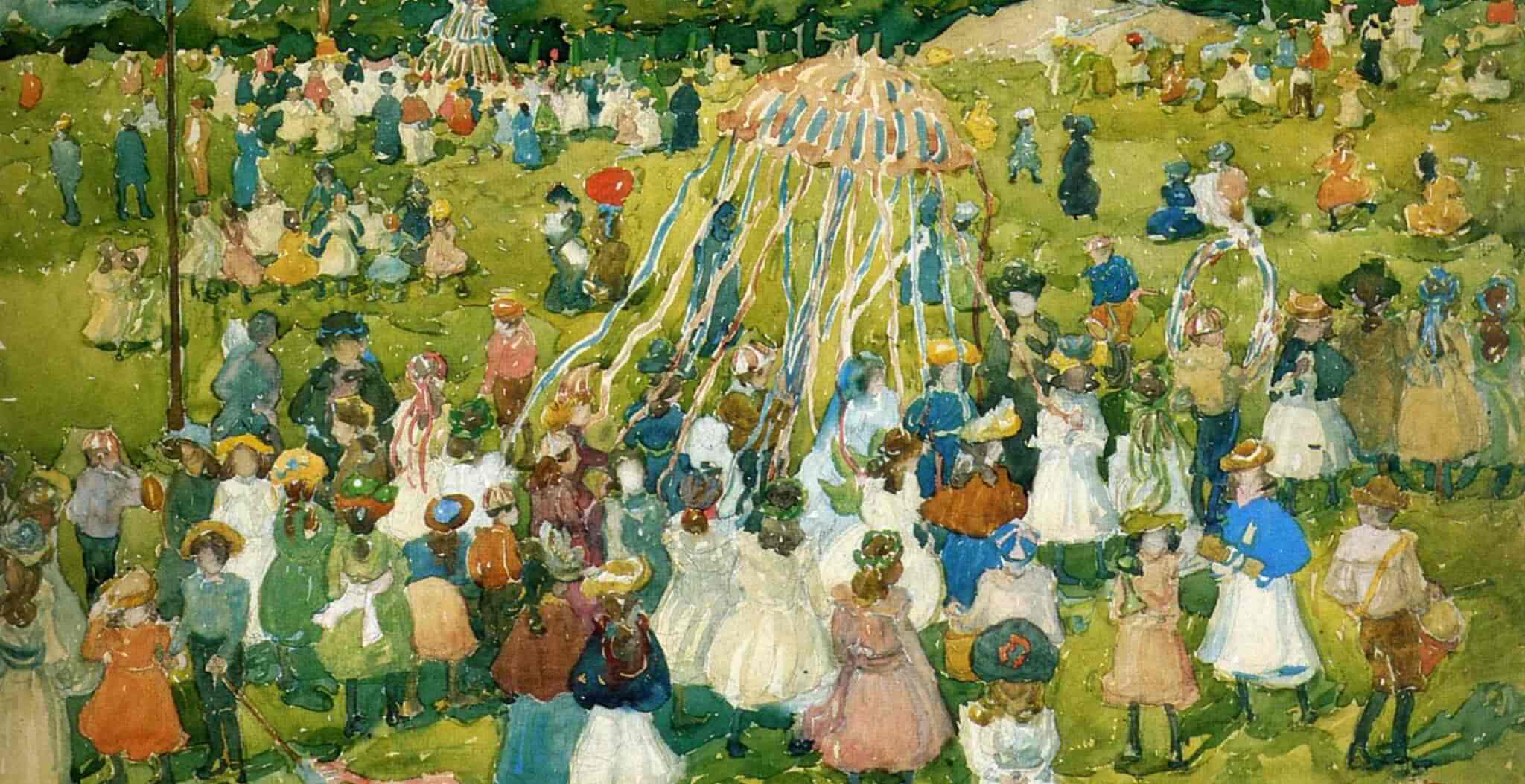
Down through the centuries May Day has been associated with fun, revelry and perhaps most important of all, fertility. The Day would be marked with village folk cavorting round the maypole, the selection of the May Queen and the dancing figure of the Jack-in-the-Green at the head of the procession. Jack is thought to be a relic from those enlightened days when our ancient ancestors worshipped trees.
These pagan roots did little to endear these May Day festivities with the either the established Church or State. In the sixteenth century riots followed when May Day celebrations were banned. Fourteen rioters were hanged, and Henry VIII is said to have pardoned a further 400 who had been sentenced to death.
The May Day festivities all but vanished following the English Civil War when Oliver Cromwell and his Puritans took control of the country in 1645. Describing maypole dancing as ‘a heathenish vanity generally abused to superstition and wickedness’, legislation was passed which saw the end of village maypoles throughout the country.
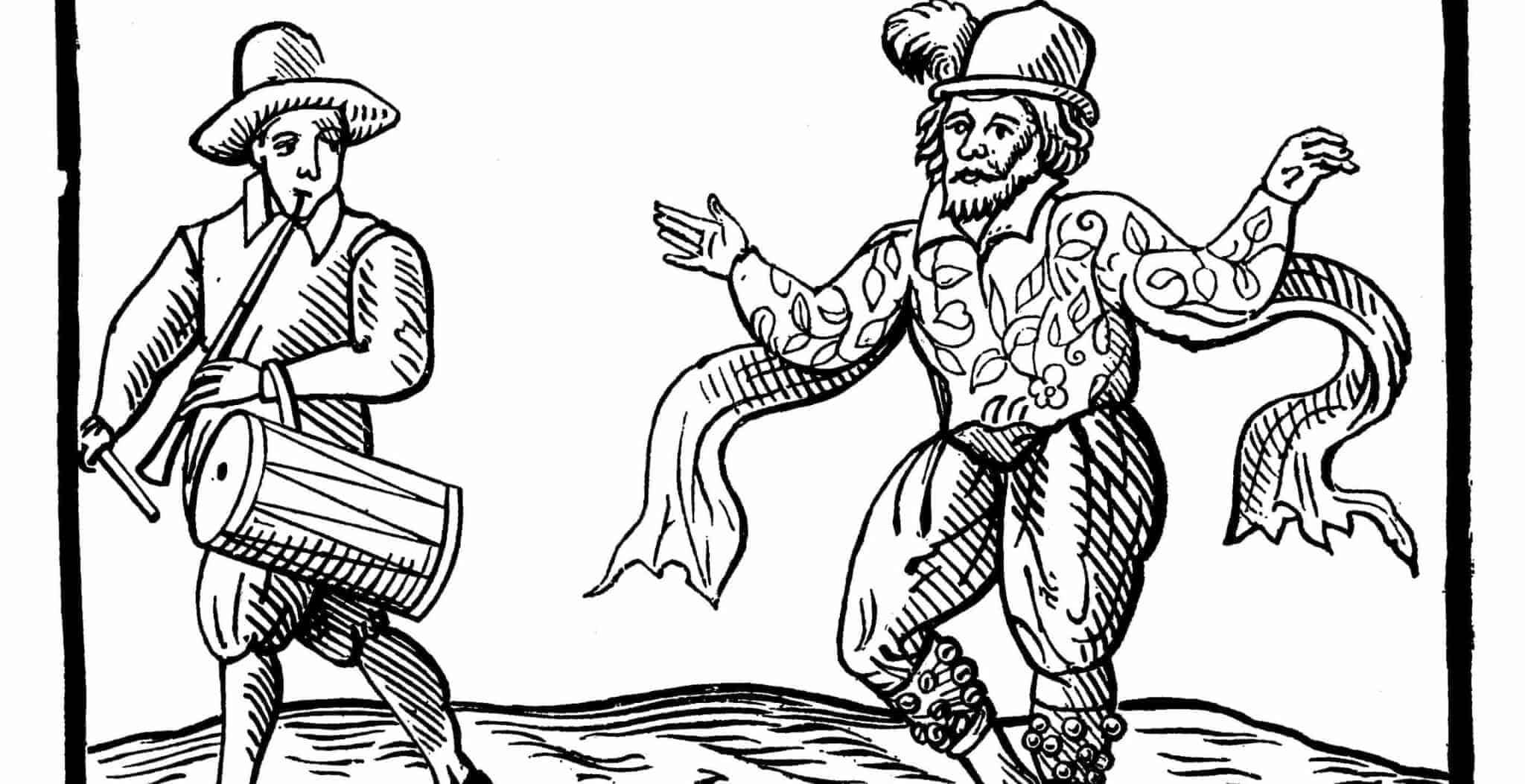
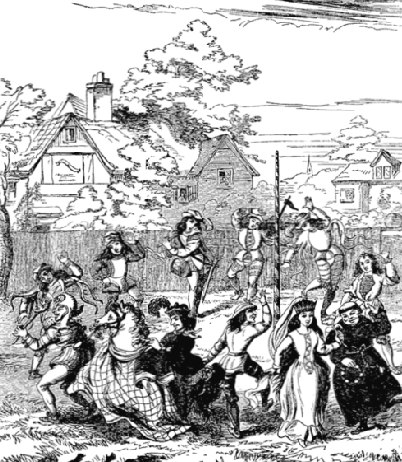 Morris dancers with maypole and pipe and taborer, Chambers Book of Days
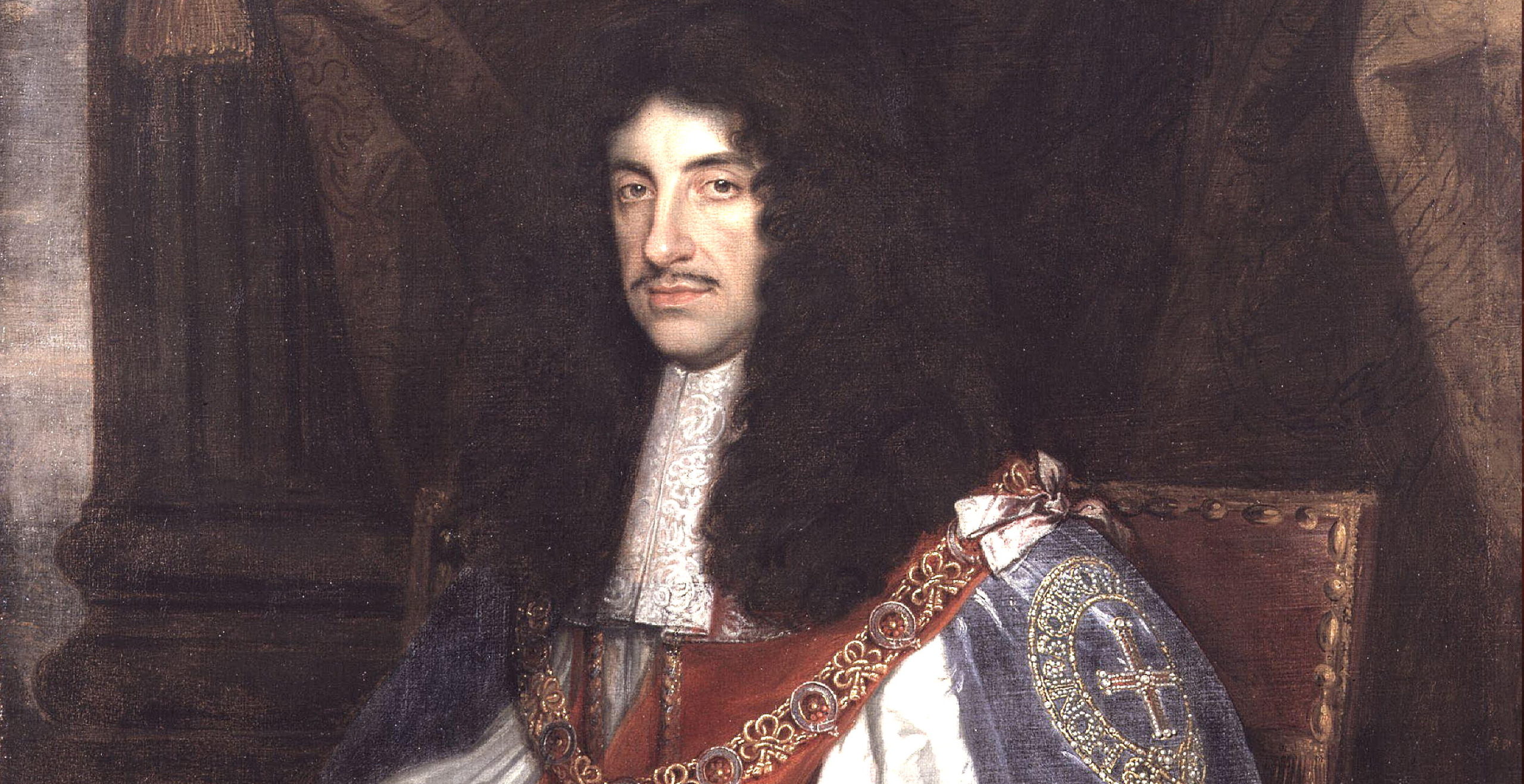
Dancing did not return to the village greens until the restoration of Charles II. ‘The Merry Monarch’ helped ensure the support of his subjects with the erection of a massive 40 metre high maypole in London’s Strand. This pole signalled the return of the fun times, and remained standing for almost fifty years.
Maypoles can still be seen on the village greens at Welford-on-Avon and at Dunchurch, Warwickshire, both of which stand all year round. Barwick in Yorkshire, claims the largest maypole in England, standing some 86 feet in height.
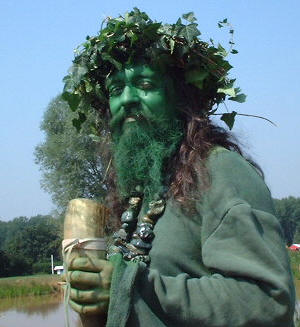
May Day is still celebrated in many villages with the crowning of the May Queen. The gentlemen of the village may also been found celebrating with Jack-in-the-Green, otherwise found on the signs of pubs across the country called the Green Man.
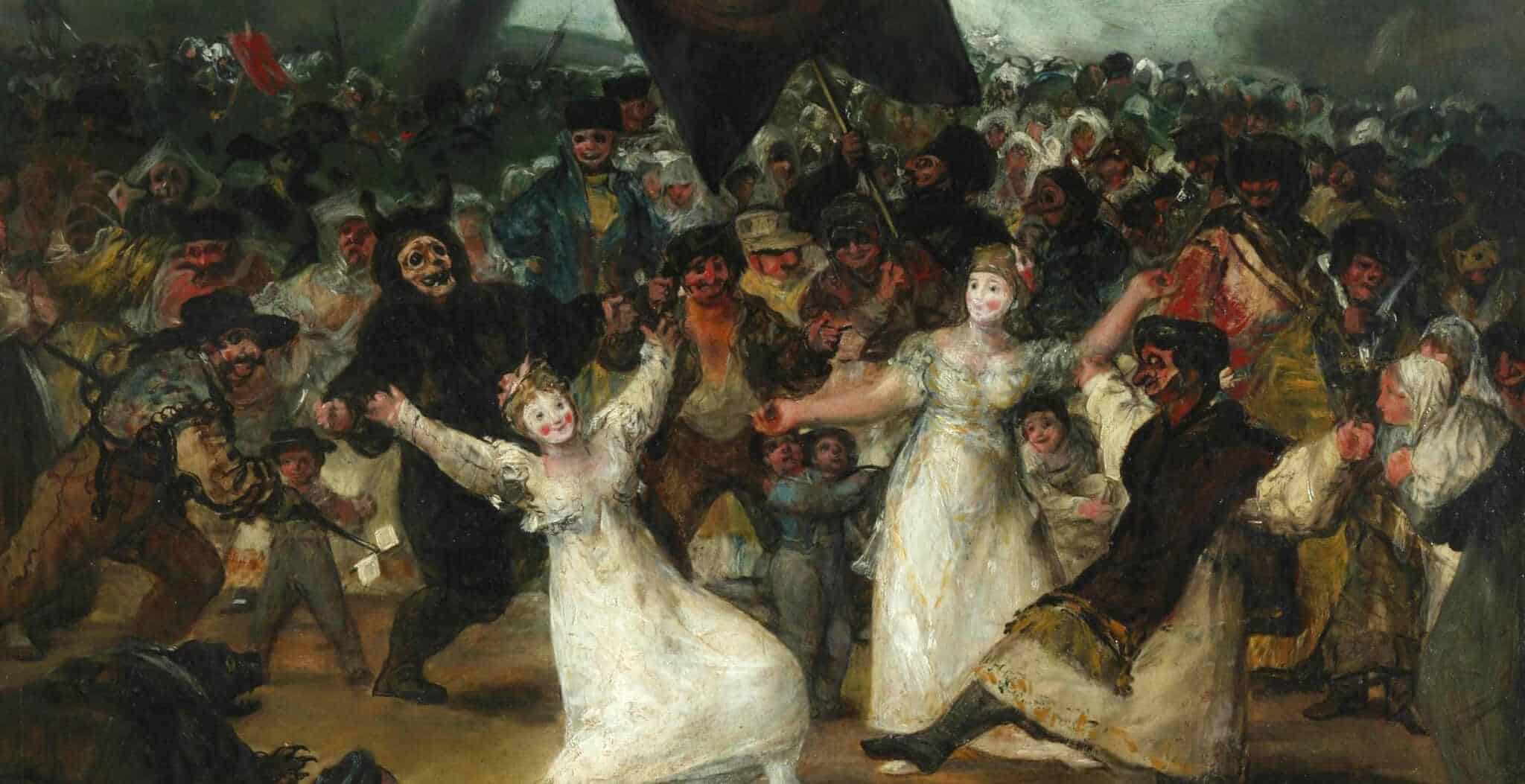
May Day traditions in southern England include the Hobby Horses that still rampage through the towns of Dunster and Minehead in Somerset, as well as Padstow in Cornwall. The horse or the Oss, as it is normally called is a local person dressed in flowing robes wearing a mask with a grotesque, but colourful, caricature of a horse.
In Oxford, May Day morning is celebrated from the top of Magdalen College Tower by the singing of a Latin hymn, or carol, of thanksgiving. After this the college bells signal the start of the Morris Dancing in the streets below.
Further north in Castleton, Derbyshire, Oak Apple Day takes place on 29th May, commemorating the restoration of Charles II to throne. Followers within the procession carry sprigs of oak, recalling the story that in exile King Charles hid in an oak tree to avoid capture by his enemies.
It is important to remember that without ‘The Merry Monarch’ May Day celebrations might have come to a premature end in 1660.