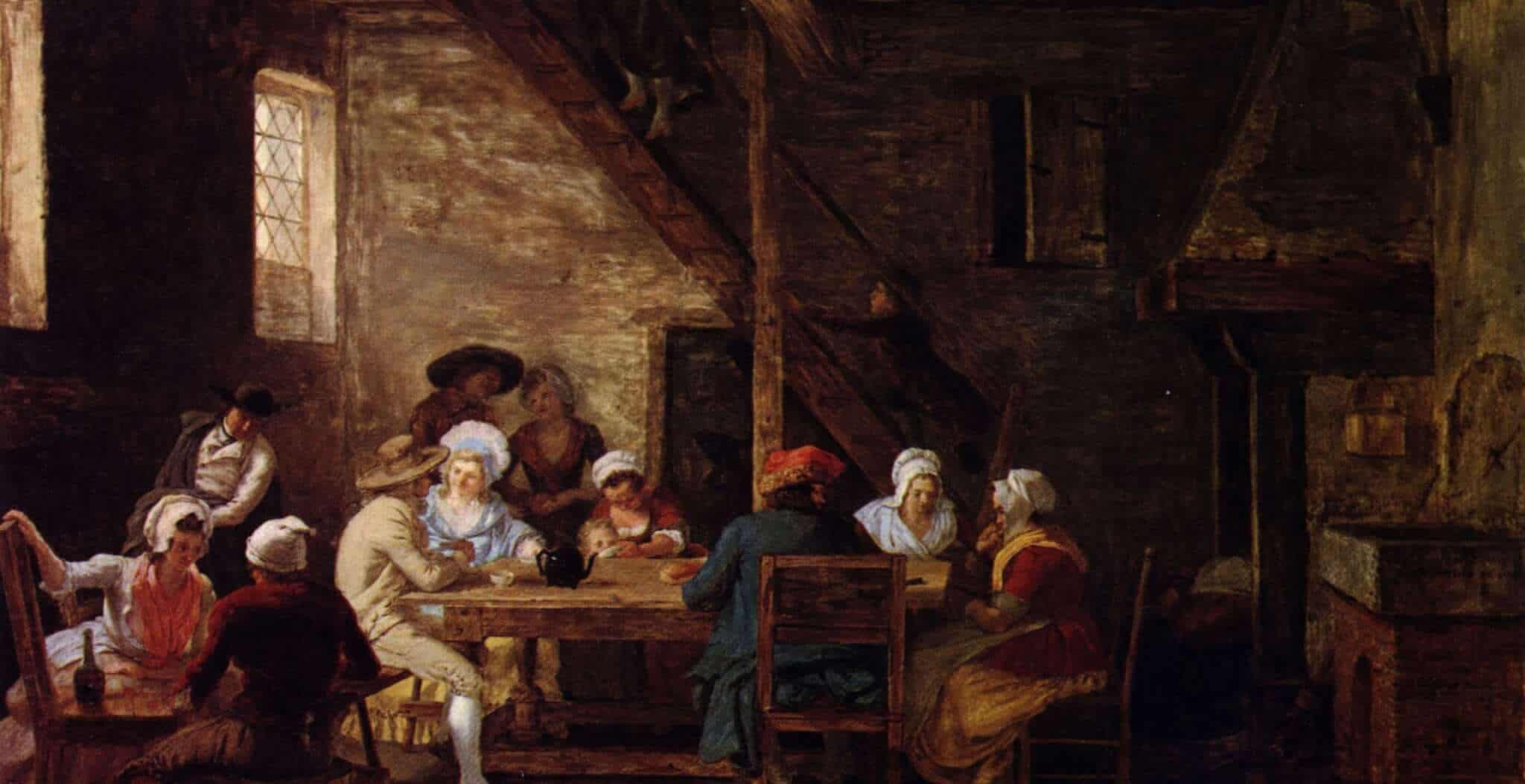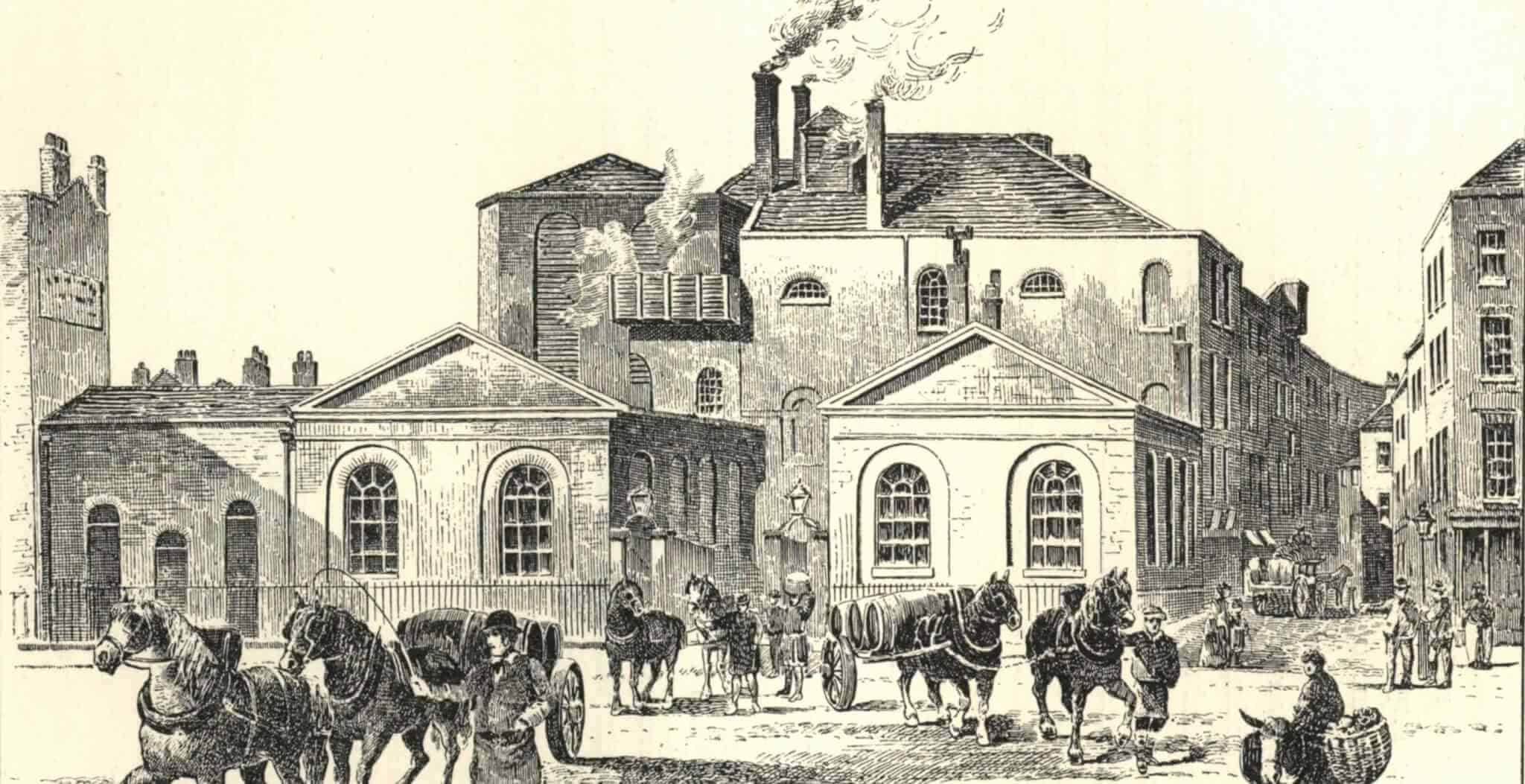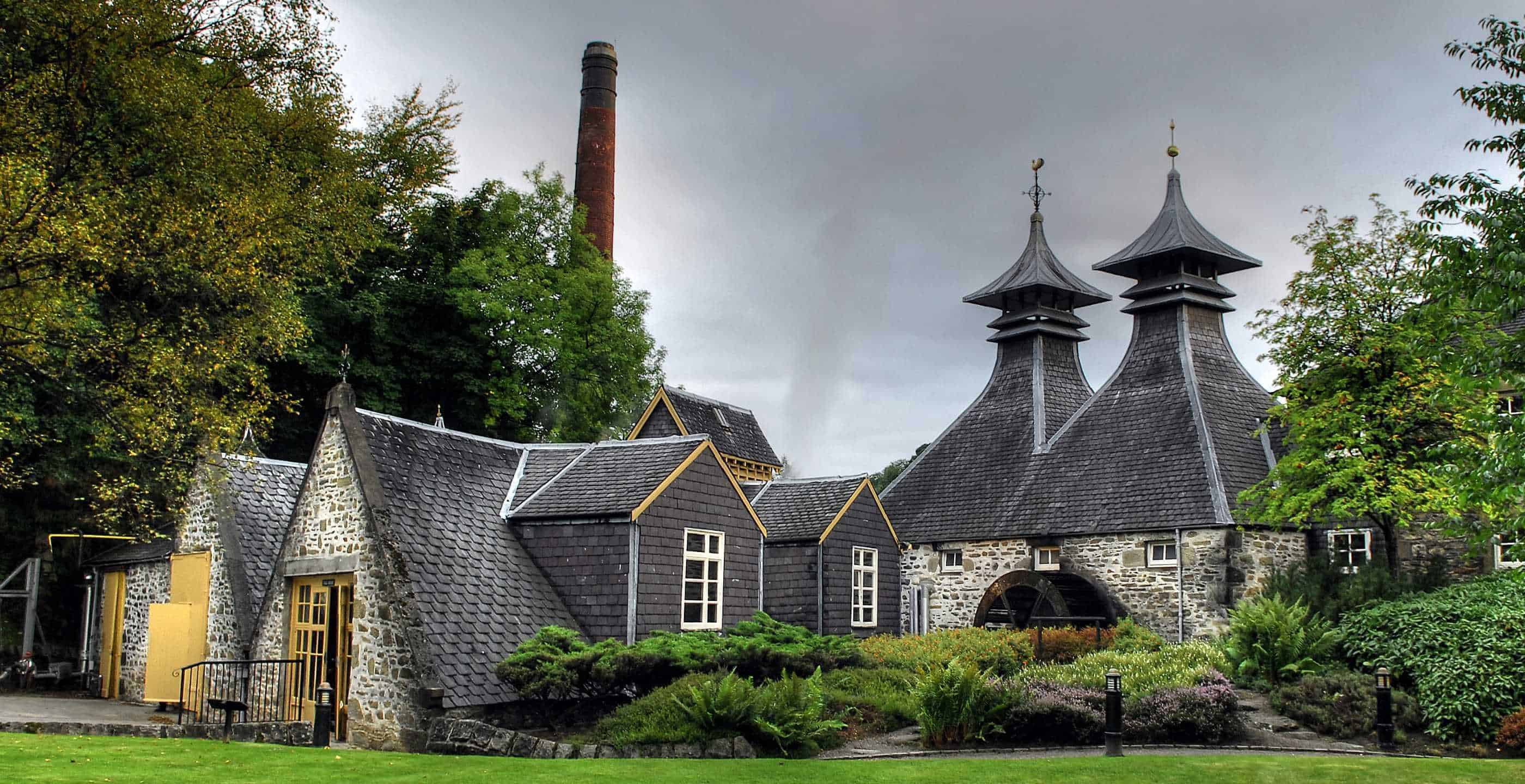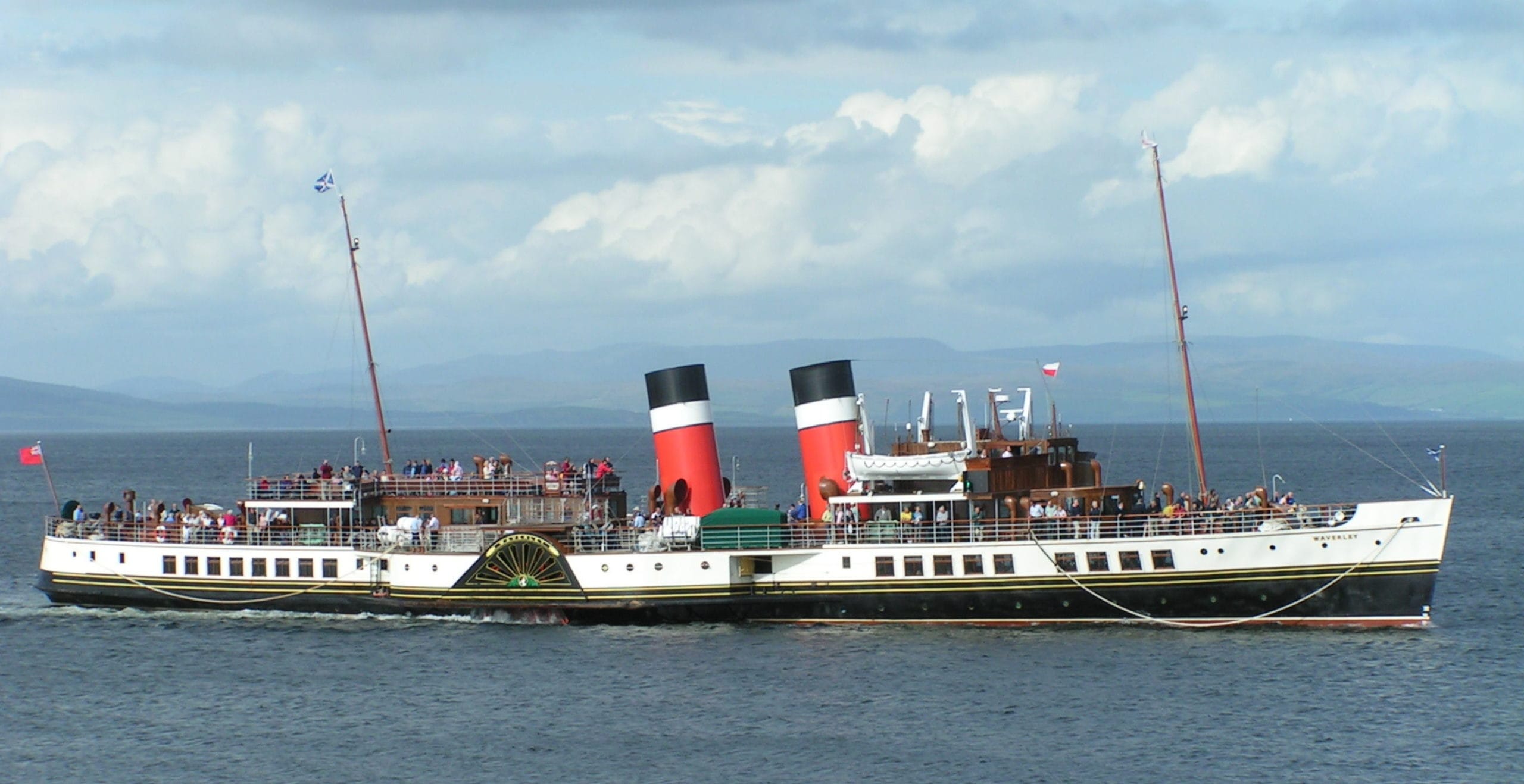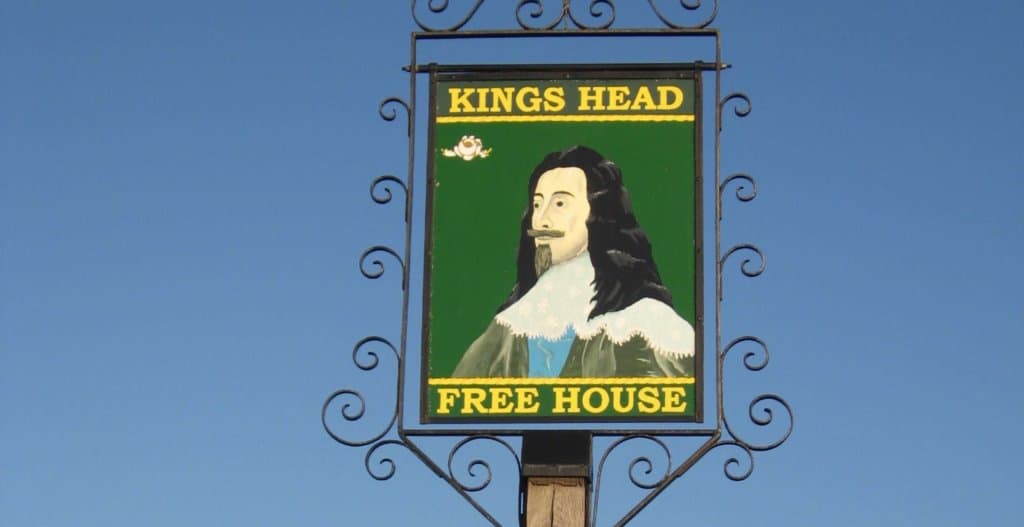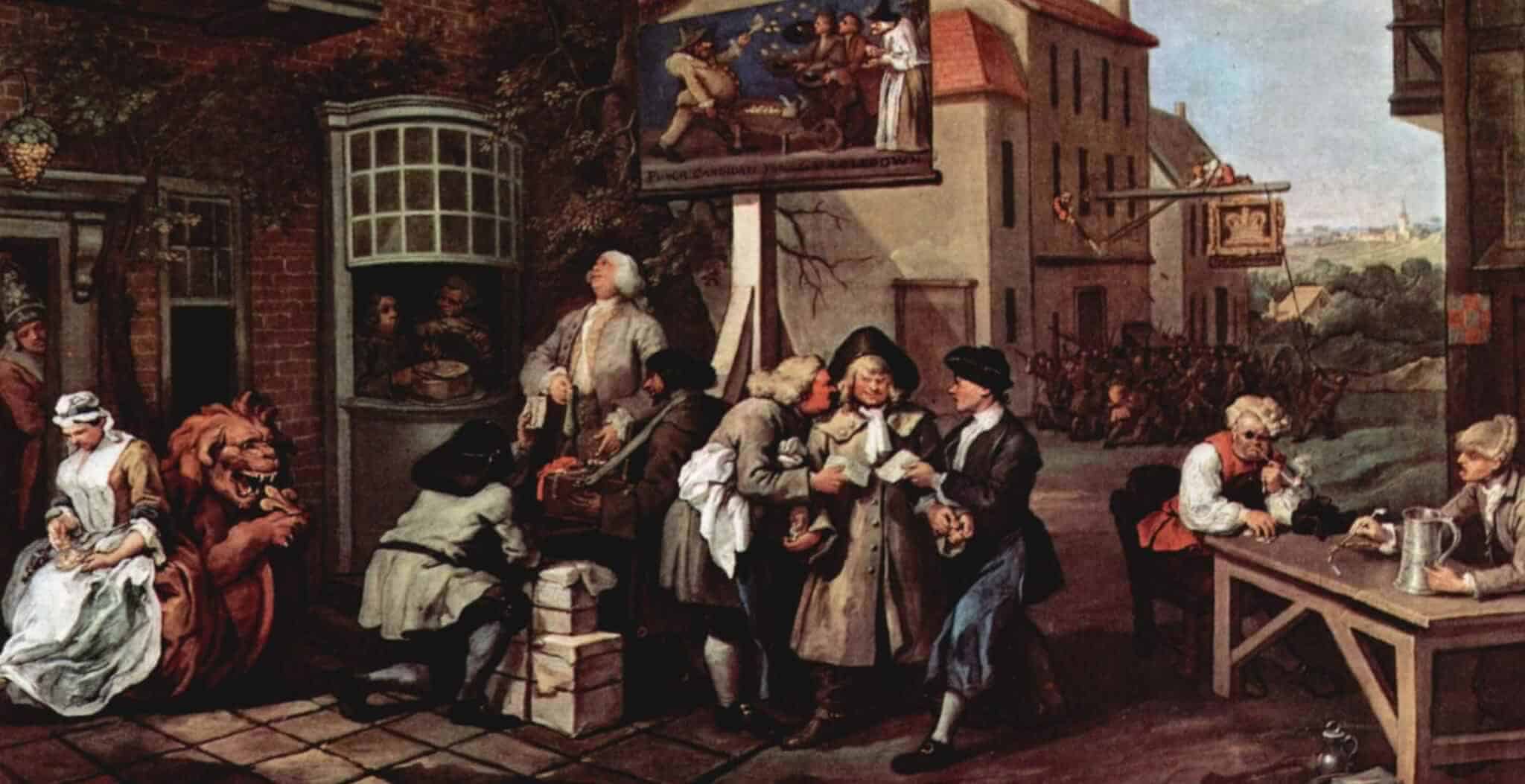


Renowned the world over, the great British pub is not just a place to drink beer, wine, cider or even something a little bit stronger. It is also a unique social centre, very often the focus of community life in villages, towns and cities throughout the length and breadth of the country.
Yet it appears that the great British pub actually started life as a great Italian wine bar, and dates back almost 2,000 years.
It was an invading Roman army that first brought Roman roads, Roman towns and Roman pubs known as tabernae to these shores in 43 AD. Such tabernae, or shops that sold wine, were quickly built alongside Roman roads and in towns to help quench the thirst of the legionary troops.
It was ale, however, that was the native British brew, and it appears that these tabernae quickly adapted to provide the locals with their favourite tipple, with the word eventually being corrupted to tavern.
These taverns or alehouses not only survived but continued to adapt to an ever changing clientele, through invading Angles, Saxons, Jutes, and not forgetting those fearsome Scandinavian Vikings. In around 970 AD, one Anglo-Saxon king, Edgar, even attempted to limit the number of alehouses in any one village. He is also said to have been responsible for introducing a drinking measure known as ‘the peg’ as a means of controlling the amount of alcohol an individual could consume, hence the expression “to take (someone) down a peg or two”.
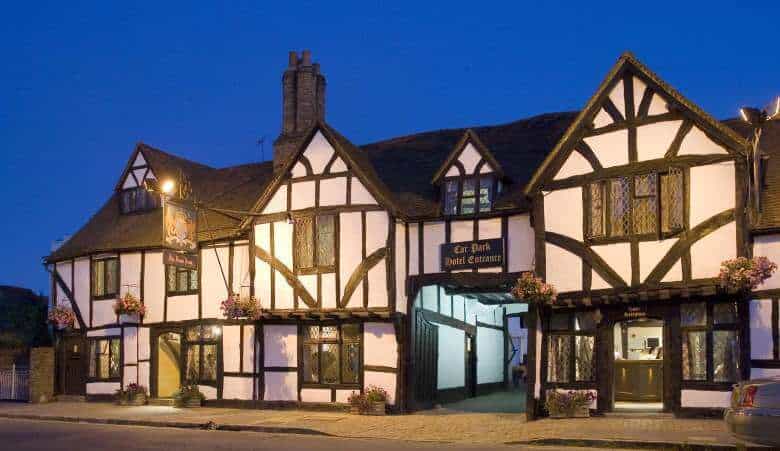
Taverns and alehouses provided food and drink to their guests, whilst inns offered accommodation for weary travellers. These could include merchants, court officials or pilgrims travelling to and from religious shrines, as immortalised by Geoffrey Chaucer in his Canterbury Tales.
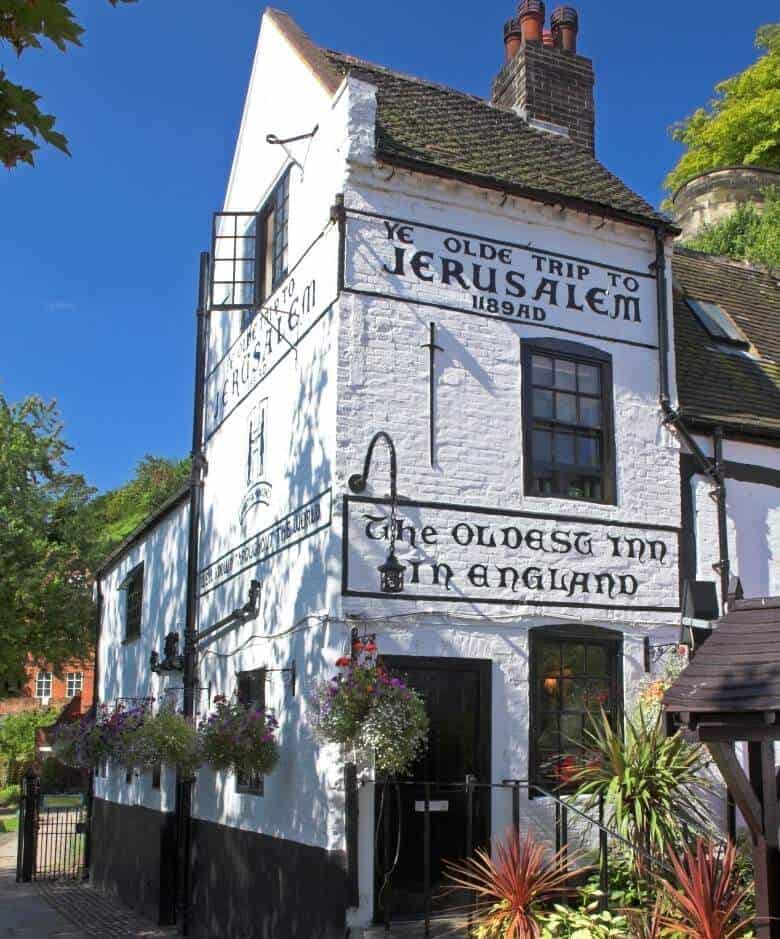
Inns also served military purposes; one of the oldest dating from 1189 AD is Ye Olde Trip to Jerusalem in Nottingham, and is said to have acted as a recruitment centre for volunteers to accompany King Richard I (The Lionheart) on his crusade to the Holy Lands.
Alehouses, inns and taverns collectively became known as public houses and then simply as pubs around the reign of King Henry VII. A little later, in 1552, an Act was passed that required innkeepers to have a licence in order to run a pub.
By 1577 it is estimated that there were some 17,000 alehouses, 2,000 inns and 400 taverns throughout England and Wales. Taking into account the population of the period, that would equate to around one pub for every 200 persons. To put that into context, that same ratio today would be approximately one pub for every 1,000 persons… Happy Daze!
Throughout history, ale and beer have always formed a part of the staple British diet, the brewing process itself making it a much safer option than drinking the water of the times.
Although both coffee and tea were introduced into Britain around the mid-1600s, their prohibitive prices ensured that they remained the preserve of the rich and famous. Just a few decades later however, things changed dramatically when cheap spirits, such as brandy from France and gin from Holland hit the shelves of the pubs. The social problems caused by the ‘Gin Era’ of 1720 – 1750 are recorded in Hogarth’s Gin Lane.
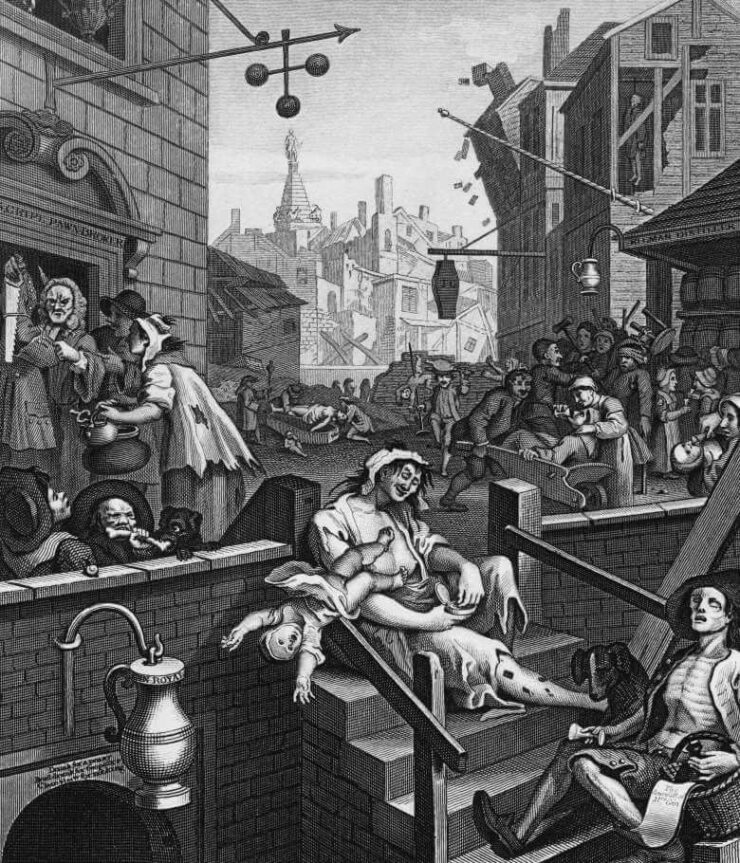
The Gin Acts of 1736 and 1751 reduced gin consumption to a quarter of its previous level and returned some semblance of order back to the pubs.
The age of the stagecoach heralded yet another new era for the pubs of the time, as coaching inns were established on strategic routes up and down and across the country. Such inns provided food, drink and accommodation for passengers and crew alike, as well as changes of fresh horses for their continued journey. The passengers themselves generally consisted of two distinct groups, the more affluent who could afford the relative luxury of travelling inside the coach, and the others who would be left clinging on to the outside for dear life. The ‘insiders’ would of course receive the warmest greetings and be welcomed into the innkeepers private parlour or salon (saloon), the outsiders meanwhile would get no further than the inn’s bar room.
The age of the stagecoach, although relatively short-lived, did establish the precedence for the class distinctions that was continued in rail travel from the 1840s onward. Like the railways that operated a First, Second and even Third Class service, so the pubs evolved in a similar manner. Pubs of that time, even relatively small ones, would typically be split into several rooms and bars in order to cater for differing types and classes of customer.
In today’s ‘open-plan’ society such walls have been removed, and now anyone and everyone is welcome in the great British pub. So welcome, in fact, that almost one in four Britons will now meet their future wife or husband in a pub!
Historical Note: The native British brew of ‘ale’ was originally made without hops. Ale brewed with hops was gradually introduced in the 14th and 15th centuries, this was known as beer. By 1550 most brewing included hops and the expression alehouse and beerhouse became synonymous. Today beer is the general term with bitter, mild, ales, stouts and lagers simply denoting different types of beer.
A Special Thanks
Many thanks to English Country Inns for sponsoring this article. Their enormous directory of historic inns is perfect for those looking for a quirky weekend away, especially with their recent inclusion of old smugglers and highwaymen inns featuring accommodation.
Published: 1st June 2015.