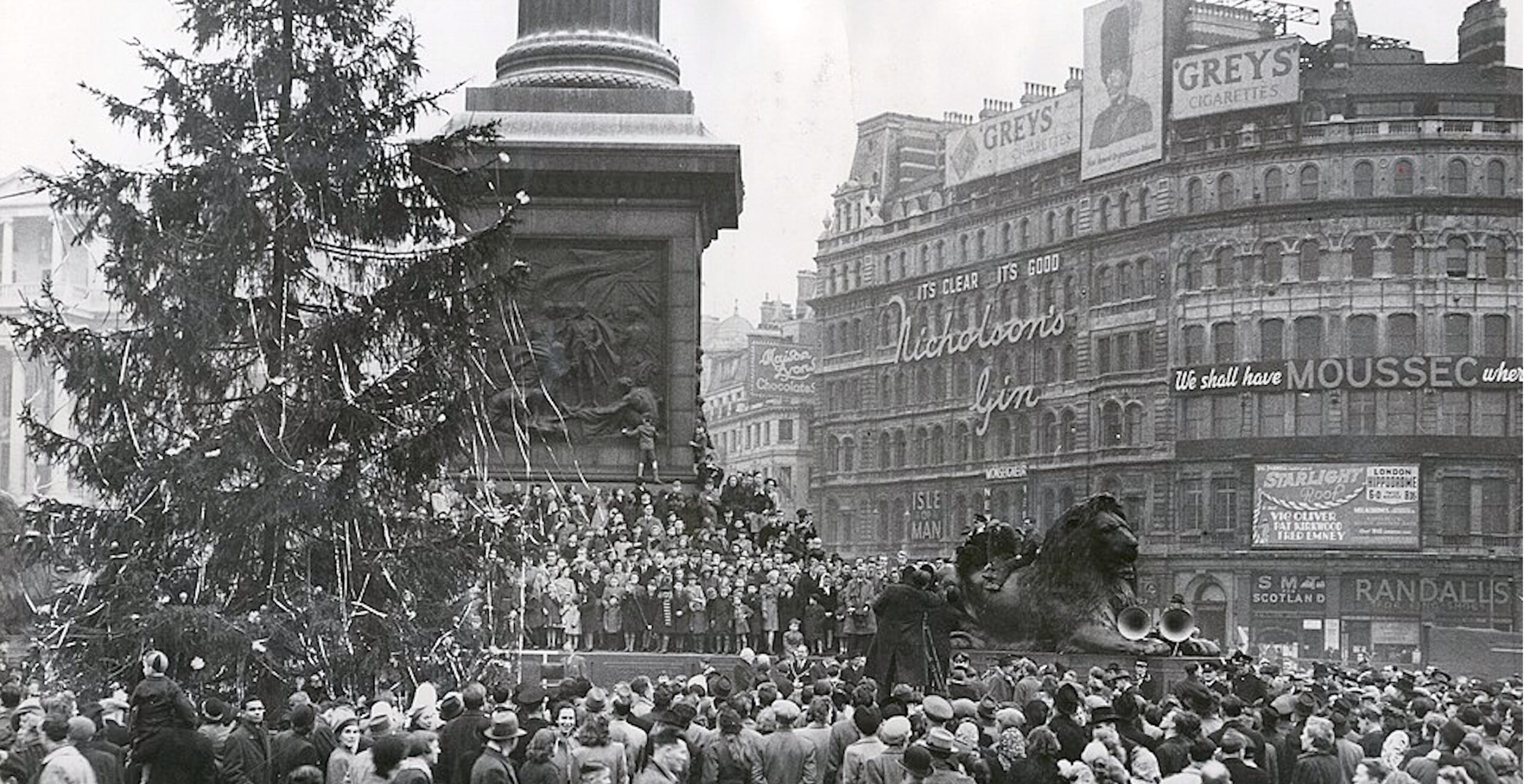


Every year, since 1947, a Christmas tree is felled in a forest outside Oslo, and conveyed to London and erected in Trafalgar Square. And the story behind the tree is an intriguing one, involving Ian Fleming, author of the James Bond novels, an exiled King, and the unquestionable bravery of Norwegian Motor Torpedo Boat (MTB) crews and commandos during World War II.
In April 1940, the Germans invaded Norway. However, King Haakon, his son, Crown Prince Olav, and the Norwegian government, managed to escape, eventually arriving at the heavily bombed, fire-ravaged west coast town of Molde.
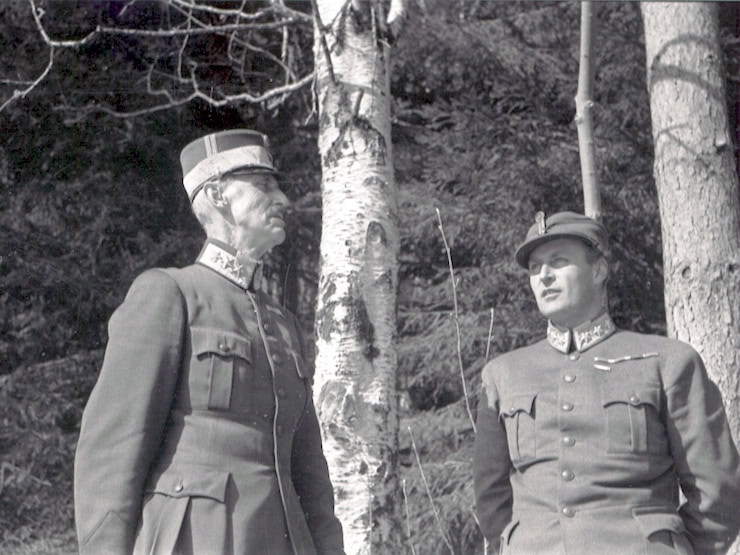
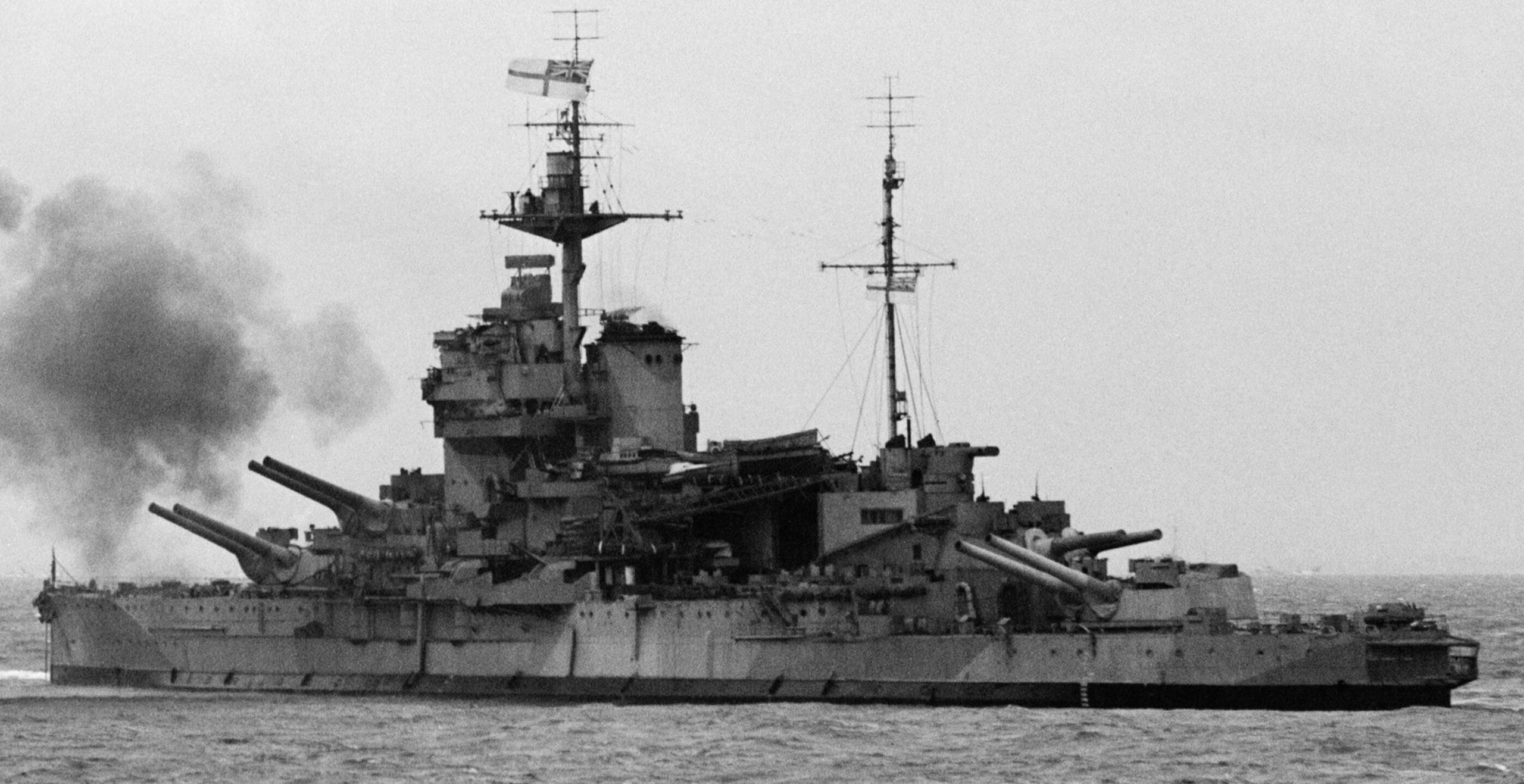
Meanwhile, Captain Pegram, skipper of HMS Glasgow, had received orders to go to Molde, and embark the King, the Crown Prince, the Norwegian government, and a consignment of state gold.
Molde’s quayside was almost destroyed, but there was enough left for Glasgow to tie up to, embark the Royal party, the Norwegian government and twenty-three tons of gold.
A low-flying Heinkel attempted to bomb Glasgow, but was driven off by the cruiser’s gunners. Glasgow departed going full astern into the pitch black; the ship’s navigation officer using a chart, a compass and a stopwatch to steer by. Eventually, Glasgow turned about and sailed north, later disembarking the King and the Prince to carry on the fight. The cruiser returned to Greenock, Scotland, and offloaded the gold – it was later taken to the Bank of England.
By early June, Norway was all but lost. With the Germans closing in, King Haakon and his son had little choice but to board HMS Devonshire, and escape to Britain. With the King and the Crown Prince safely in exile, the free Norwegian forces in Britain began organising to take the fight back to Norway.
Among those interested in what the Norwegians could offer was Ian Fleming. He had joined Naval Intelligence in 1939 as personal assistant to Admiral John Godfrey, the Director of Naval Intelligence (DNI). Fleming’s roles were many, including the coordinating of MTB clandestine operations, known as VP – Vulnerable Points – raids, into occupied Norway. The aim was to disrupt enemy supply lines, mine the inner leads – the myriads of channels and waterways that are a feature of western Norway – torpedo enemy shipping, attack enemy patrol boats and watch-posts, confuse coastal traffic and defences, destroy enemy facilities, pinch equipment, code books and papers, and capture prisoners for intelligence interrogation.
The 30th (Royal Norwegian) MTB Flotilla, operating from Shetland, conducted these raids at night, though dependent on weather.
Shortly after 8am on a chilly, wet morning of 26 November 1942, five heavily armed ‘D-Class’ MTBs, known as ‘Dog-Boats’, departed Lerwick, in the Shetlands. Despite difficult seas and a veering north-westerly wind, the boats surged across the North Sea.
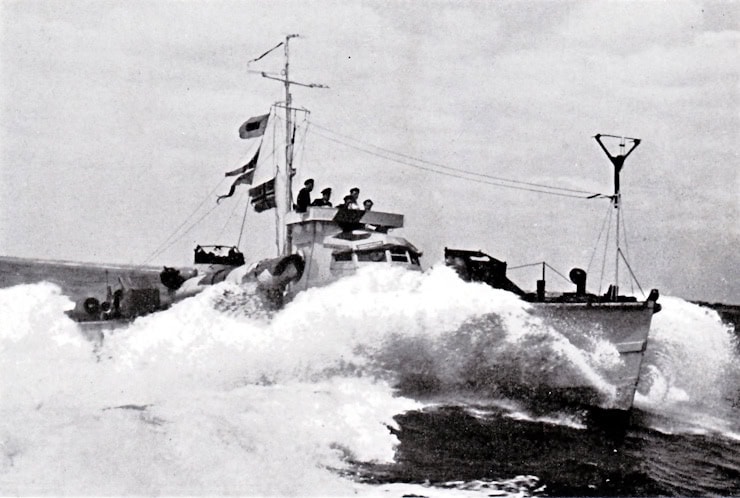
Two boats sought opportunities in the Flora area, whilst another two patrolled off Askvoll, a well-known German anchorage, torpedoing and sinking two enemy ships. Meanwhile, MTBs 626 – skippered by Lt Bøgeberg, and 651, headed for an island south of Bergen, to hide up.
Mons Klubben, a well-liked, outgoing, but tough seaman, who had escaped to Britain in 1941 to join the Royal Norwegian Navy, knew the area well and helped pilot the boats. Major Fynn RM (Fynn Force), and Lt Risnes (10 Commando) posted armed guards on the island whilst crews laid down masts and camouflaged the boats with netting.
Fynn’s plan was to reconnoitre the area in preparation for Operation Cartoon – a raid aimed at destroying the pyrite mine on the island of Stord near Leirvik. The following morning, with the help of locals in a mail boat, Fynn set out. His reconnaissance mission paved the way for Cartoon’s triumph in January 1943. Fynn would later receive the Military Cross.
Meanwhile, Klubben suggested ‘liberating’ a couple of Christmas Trees from the island and present them to King Haakon in London. With the two trees stowed, and no other targets presenting themselves, the ‘Dog Boats’ returned to Lerwick.
Commander ‘Ned’ Denning RN – later to become Director Naval Intelligence – wrote what happened next.
“Sometime before Christmas… we had occasion to bring back from Norway a Norwegian agent operating there. He arrived after an adventurous journey, and in view of the risks and dangers he had been exposed to, Ian Fleming suggested it would be a nice thing to lash him up to a first-class meal and night out in town. Ian organised it in the Savoy and in fact, provided some of the fare for the chef to cook. At all events, it was a dinner very rarely come by in wartime London.
Present were Ian, Commander Welsh, R.N.V.R., two or three Norwegians and myself, and it was a convivial evening. Afterwards we piled into two jeeps, only to discover that amongst the gear with the agent were two Christmas trees.
These he had… smuggled over with him at some discomfort, intending to present one to the King… I think it was Ian who suggested it would be a nice gesture to put one up in Trafalgar Square. This we did tying it to a balustrade on the North Side. Of course, there were no fairy lights, but one or two aircraft flares provided illumination.
But to us more welcome perhaps was a bottle of Aquavit the agent had brought back with him. So, passing the bottle we toasted the happy return of the agent, King George, King Haakon, and the liberation of Norway.”
One of the Norwegian officers at the party later presented a tree to King Haakon, who was so moved, he cried.
The gift of Christmas tree from Norwegian soil to the King became something of a tradition for the Norwegians, with the tradition carrying on throughout the remainder of the war.
In 1947, to demonstrate his appreciation of his time in Britain, King Haakon ordered a Christmas tree be sent to Britain. Seventy-eight years later, the tradition continues.
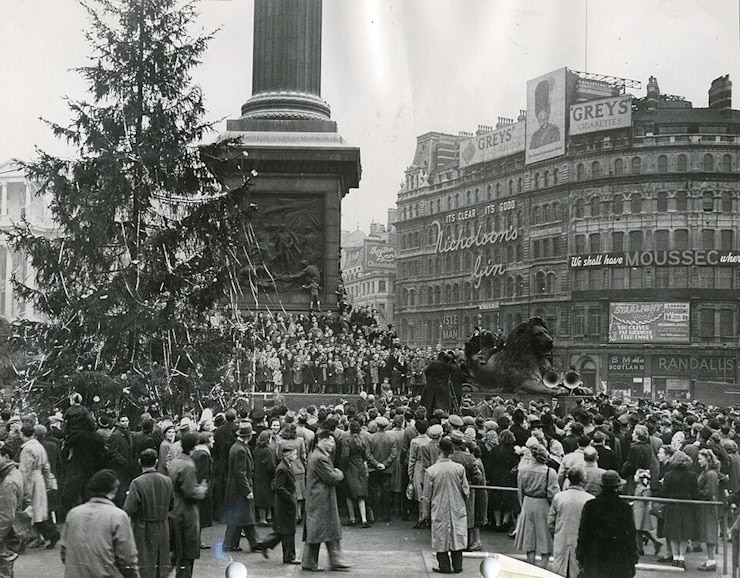
FACTS: The tree-lighting ceremony takes place on the first Thursday in December each year. The Trafalgar Square Christmas tree is usually a Norwegian spruce (Picea abies) over 20 metres high and 50 to 60 years old. They replace the tree with a sapling.
Each sailor aboard HMS Glasgow received the Norwegian War Medal for their role in saving the King, the Norwegian government and twenty-three tons of gold.
The 30th Norwegian Flotilla was later renamed as the 54th Flotilla. MTB 626 was built by Tough Brothers at Teddington Wharf, but fire and explosion destroyed the boat at Lerwick in November 1943.
D-Class MTBs – had a max speed of approximately 30 knots.
Since 2009, The Poetry Society has worked with the Royal Norwegian Embassy in London to create a poetry project inspired by the tree, which is now established as a central part of the tradition.
Link: https://www.youtube.com/watch?v=vWqhDF7rUnk
Acknowledgments:
The National Archives Ref: WORK 21/29
Marinemuseet, Horten, Norway
Jan Tore Nilsen
Stig Herjuaune
Hege Alsvåg
Bob Pearson is the author of Gold Run – the daring rescue of 50 tons of Norwegian gold during WW2. He has written for British, Norwegian and American magazines, and consulted on films, including the Battle for Narvik. He is writing a book on the factual origins of James Bond, and is seeking a publisher.
Published: 26th November 2025