
The 1840s was a difficult decade in British history. Often referred to as the ‘Hungry Decade’, it was characterised by social unrest, military losses, and economic hardship. The year 1842 in particular was fraught with problems which led to it becoming known as the Terrible Year, arguably the worst of the 19th century.
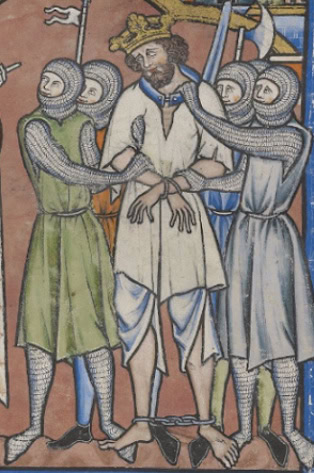
The beginning of the year was marked by the disastrous escapades of Britain’s military forces in Afghanistan. The First Anglo-Afghan War began four years prior, when Britain took sides in the succession dispute between Emir Dost Mohammad Khan and the former King Shah Shujah in the hope of gaining a strategic alliance in the region. This formed part of a much broader ongoing competition between Britain and Russia known as the Great Game.
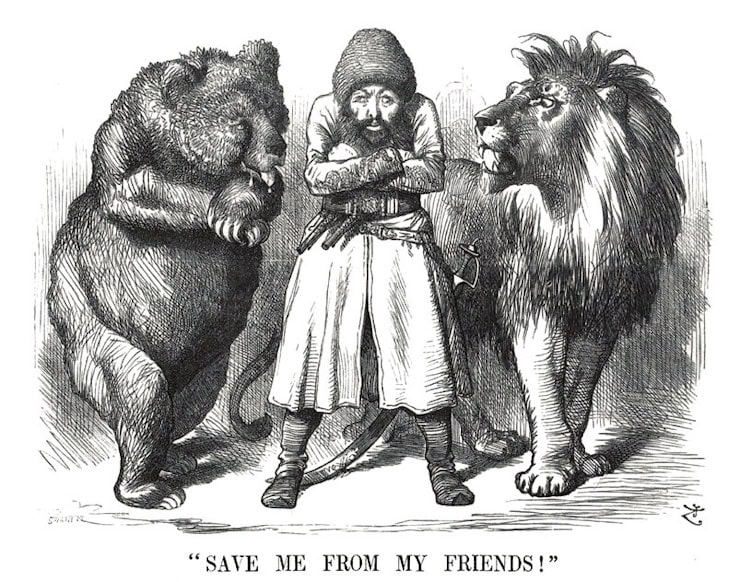
With Britain’s interests in India under threat from an equally ambitious Russia, Afghanistan became a major battleground and a landscape for future unrest between the two warring nations, both vying for ultimate control in Central Asia.
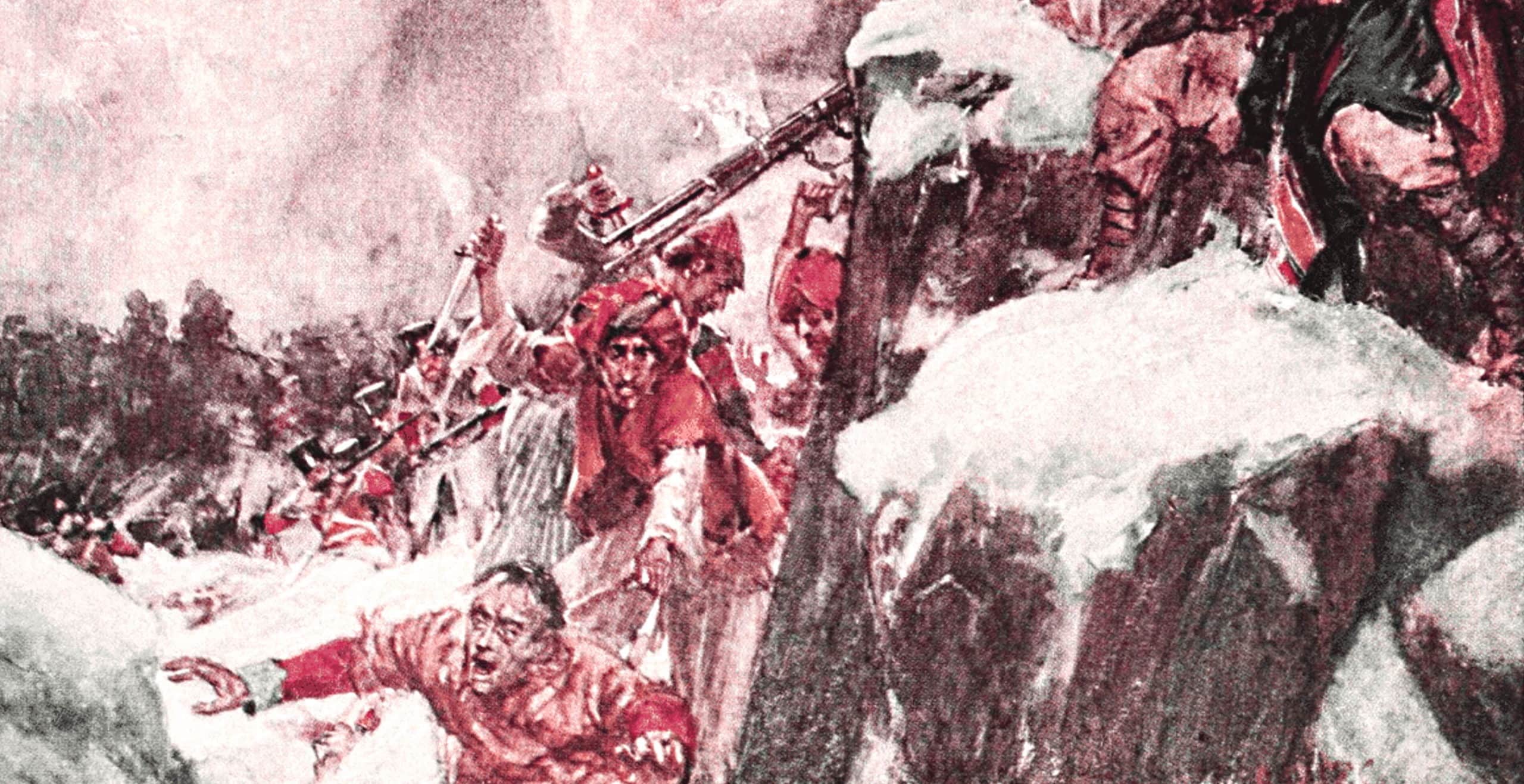
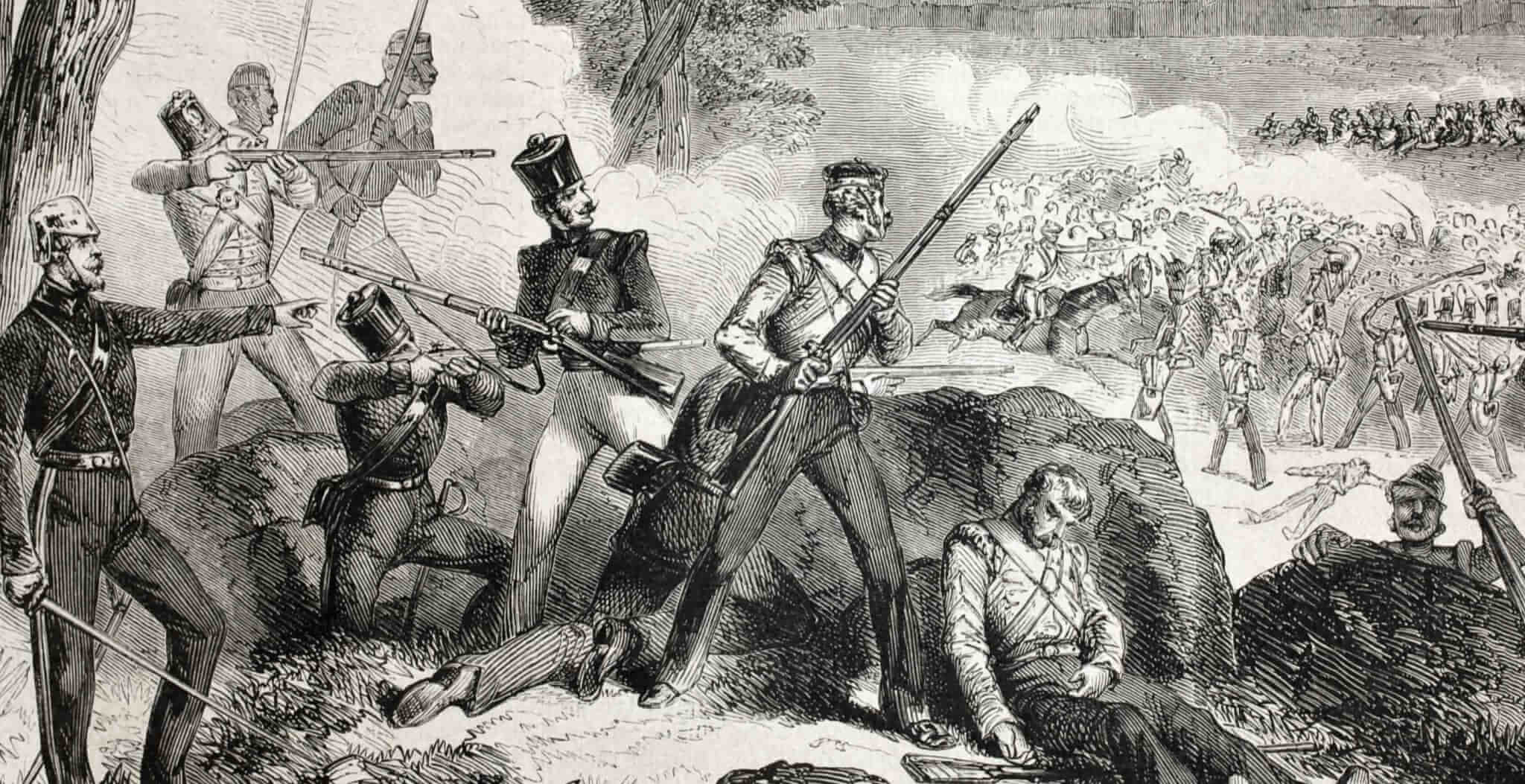
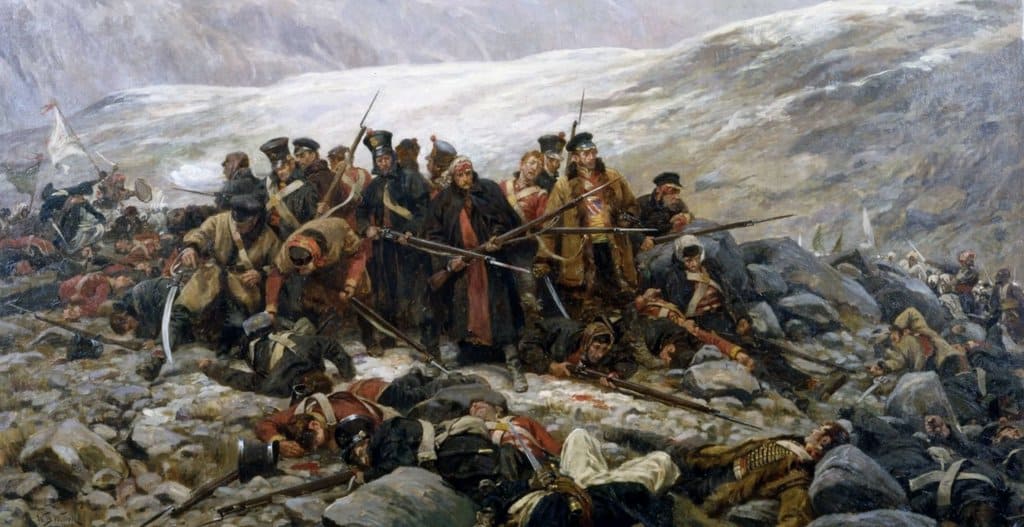
Unfortunately for Britain, in January 1842 General Elphinstone and his men were ambushed during a retreat in the snowy passes of the Hindu Kush. Out of a column of around 16,500 British and Indian soldiers (including their families), only a handful of men made it to Jalalabad. One of those was British army surgeon Dr William Brydon who managed to escape the onslaught and deliver the grim news to the waiting garrison.
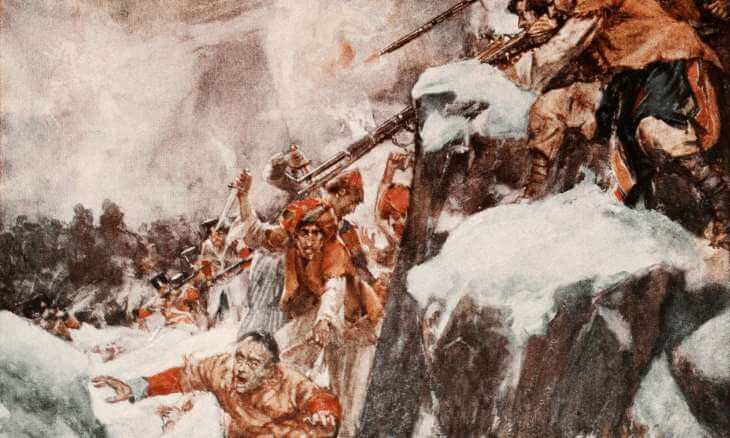
Many in the column perished, killed in the massacre or dying from starvation or frostbite whilst the survivors were held prisoner or sold into slavery.
The impact of this horrific loss was felt deeply by the British, so much so that the Governor-General of India Lord Auckland was said to have suffered a stroke after hearing the news.
In events which concluded the First Anglo-Afghan War, the British in retaliation defeated the Afghans twice in battle and recovered some of the prisoners.
Despite these successes, the nation’s global reputation had been severely affected, succumbing to a humiliating defeat at the hands of a group of Afghan warriors and tribesmen, a symbolic loss which dented Britain’s pride and international prestige for long to come.
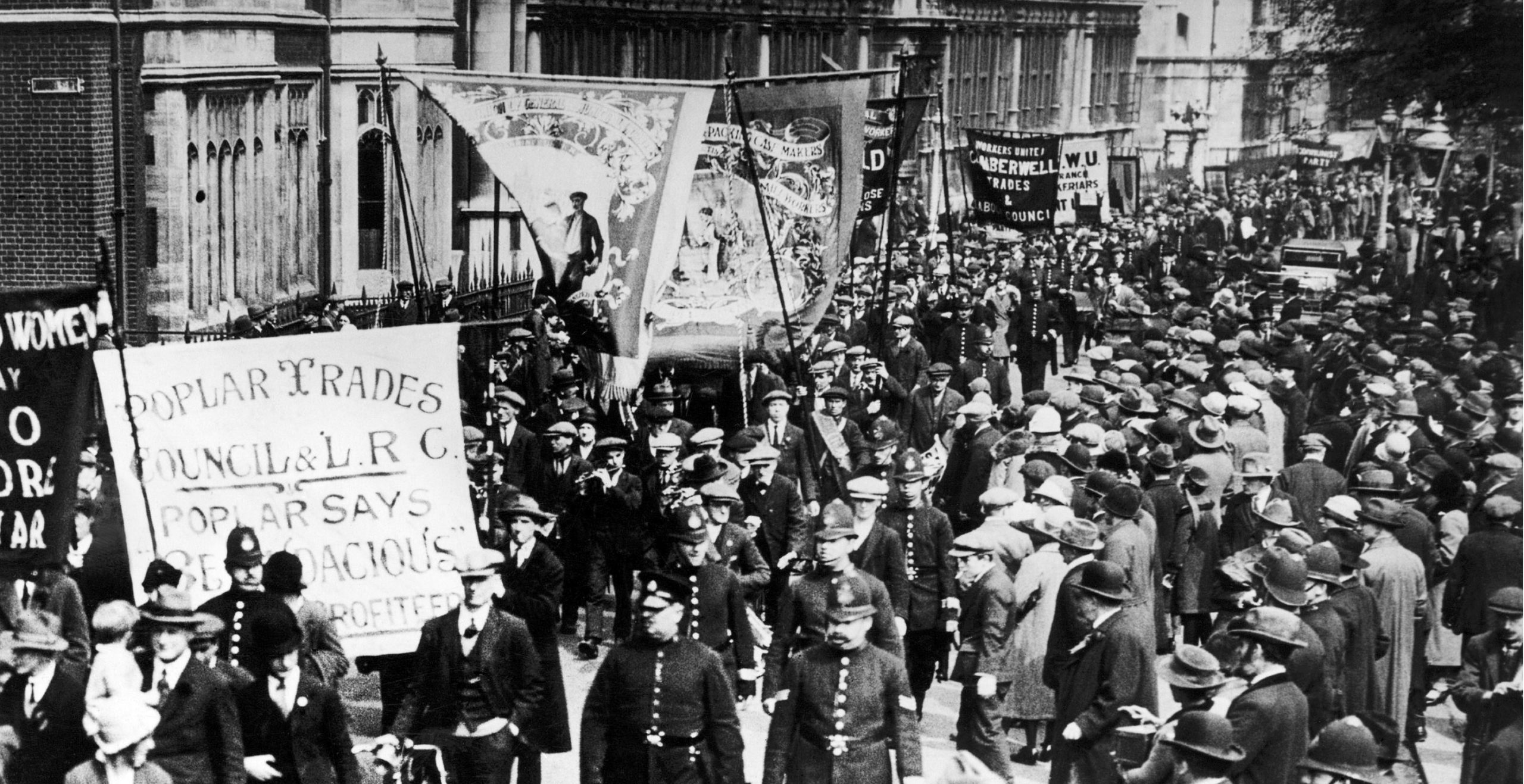
Meanwhile, back in Britain social unrest was brewing, taking the form of the Chartist movement which sparked widespread outrage, demonstrations, and the world’s first general strike.
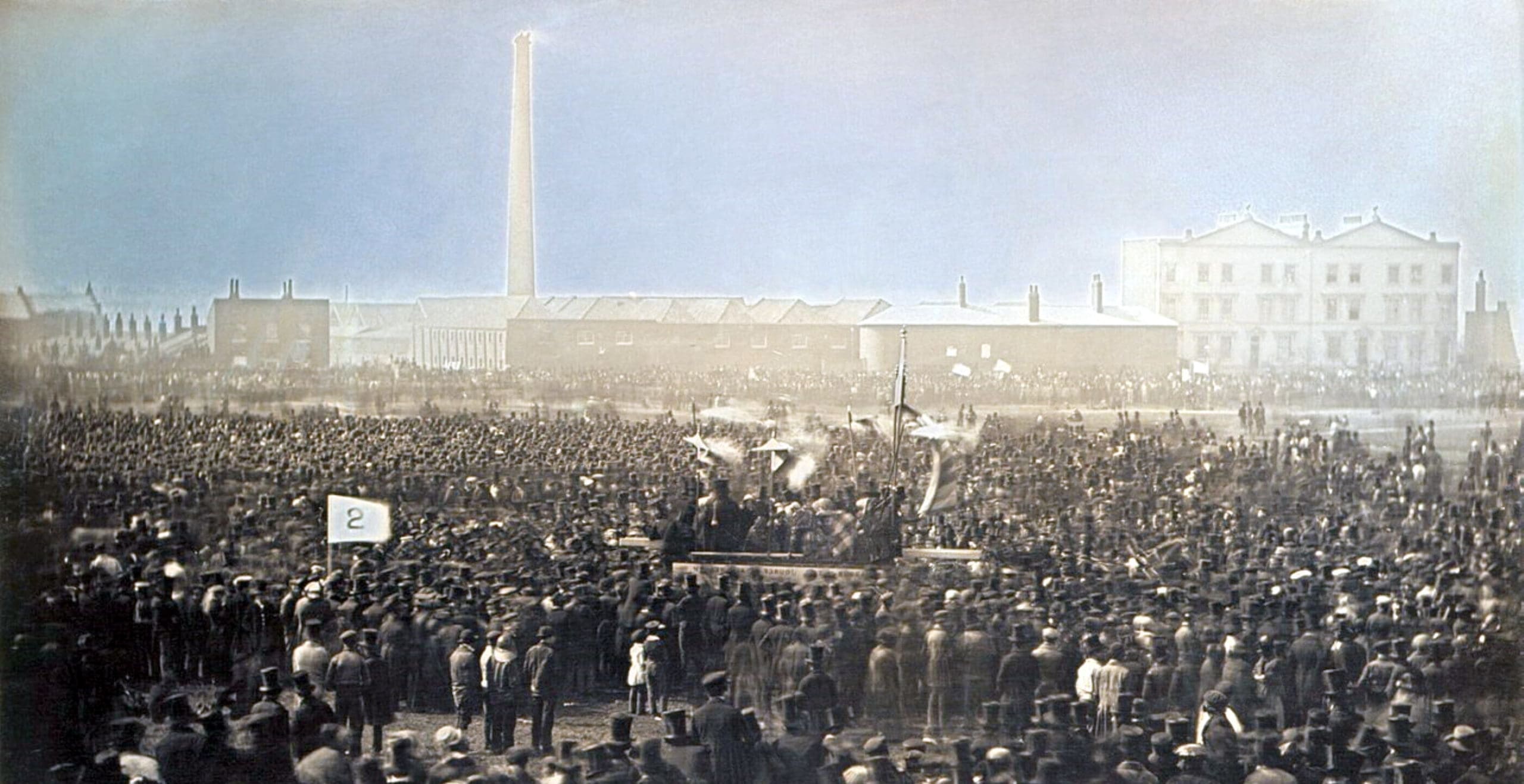
Chartism had emerged in 1838 and continued to gain momentum throughout the following decade. A grass roots movement calling for political reform, it had garnered widespread support from working class communities across the country, particularly concentrated in industrial dependent areas such as in the north of England, the Midlands, and the Welsh Valleys.
The protest involved large-scale petitions which were signed by millions of people and then handed to Parliament in an attempt to incite political change through constitutional means.
At the heart of the matter was the call for universal male suffrage, whilst the People’s Charter outlined six main reforms including a secret ballot for the voter, a vote given to every man aged over 21, an end to the property qualifications for MPs, equal constituencies, annual parliamentary elections and payments of members.
By May 1842, a petition, the second of its kind, garnered over three million signatures and was handed to Parliament only to be rejected again.
The continued denial of the People’s Charter combined with the worsening economic situation of 1842 culminated in a wave of strikes, the first of their kind.
In 14 counties up and down Britain, working people showed their discontent by going on strike, resolving to down tools until their wages were not only restored but increased.
The strike lasted from July until September and included factory workers in Lancashire and Yorkshire, and miners from Dundee, Cornwall, and southern Wales. Involving nearly half a million workers it was the most substantial industrial action to take place anywhere in the 19th century.
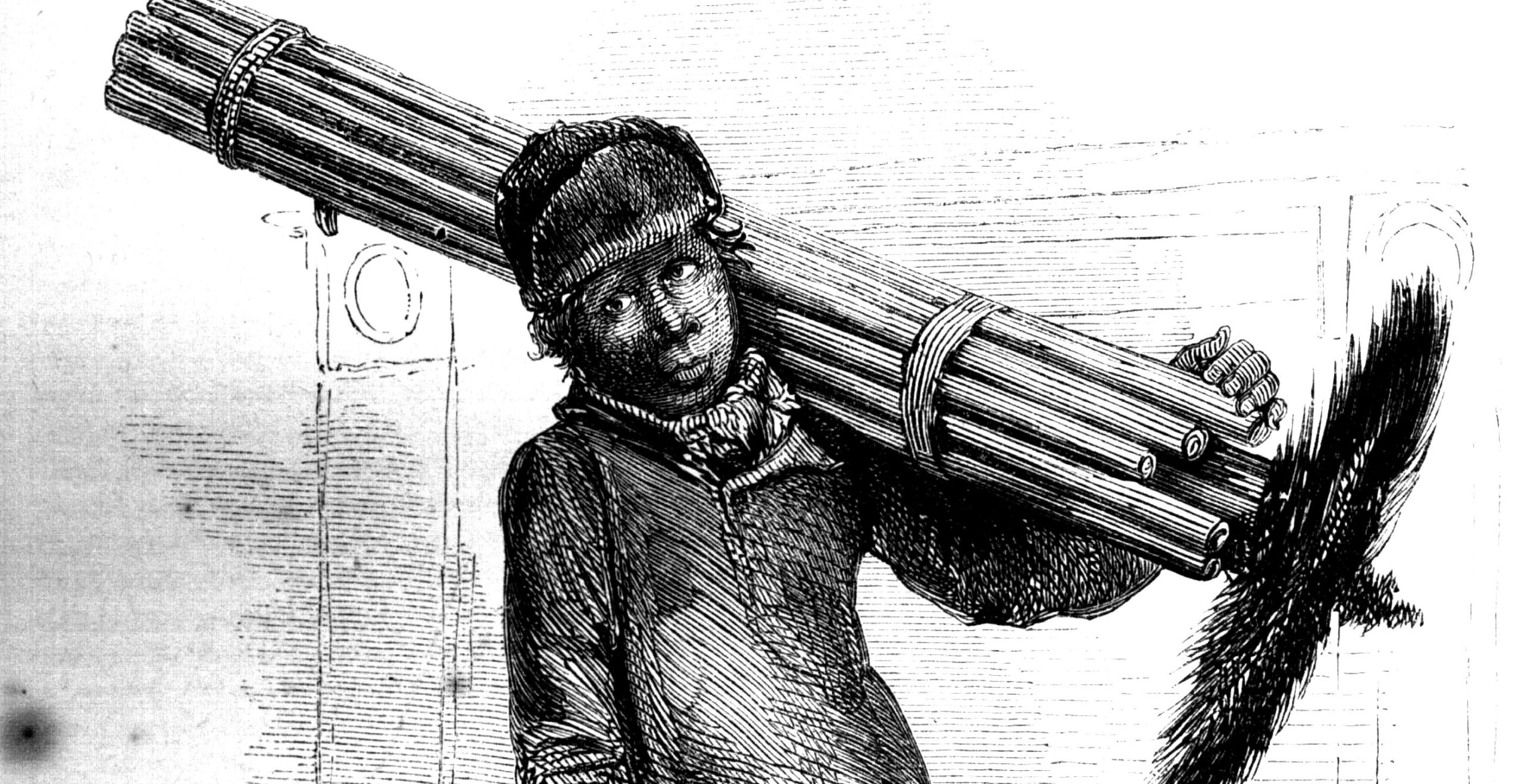
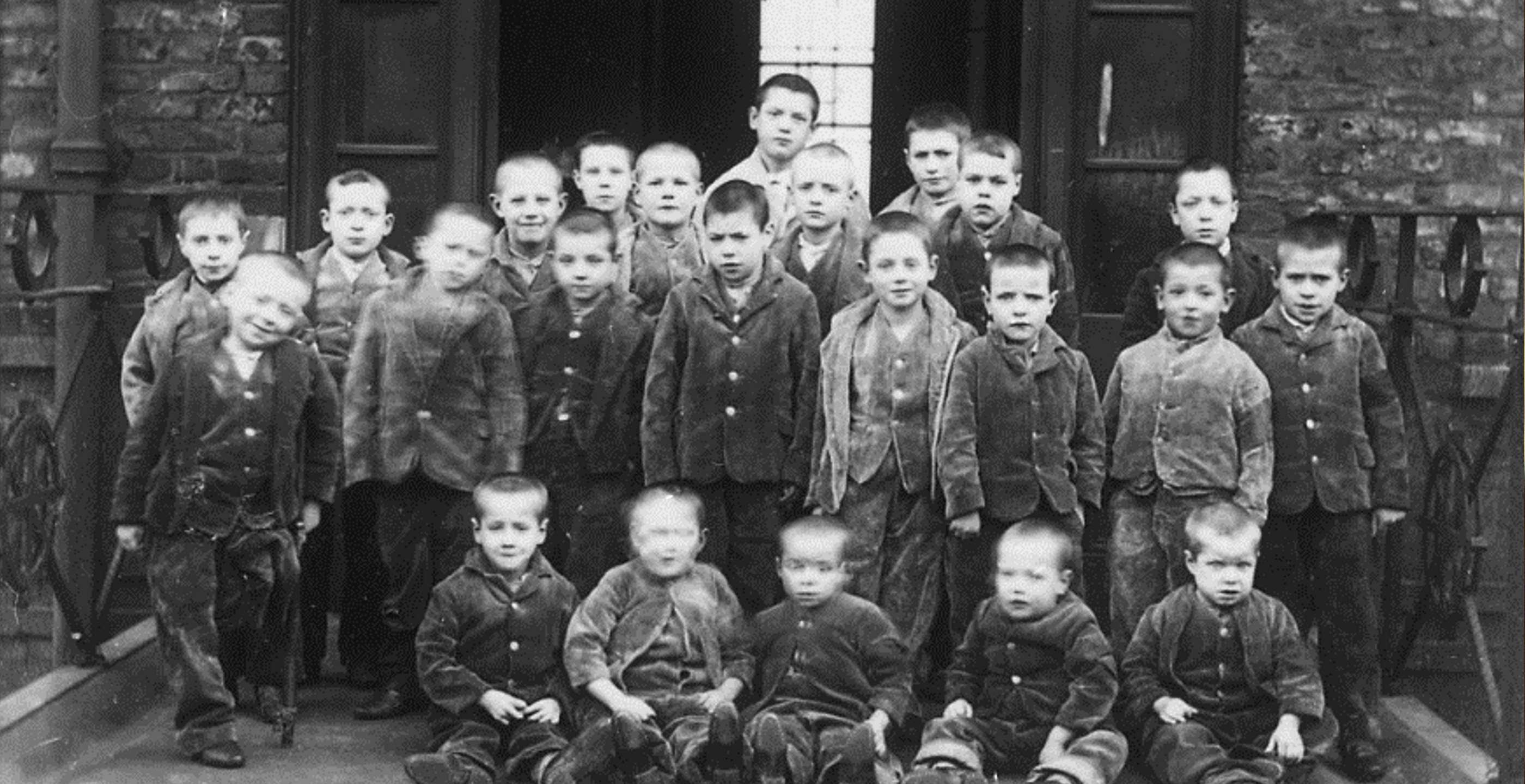
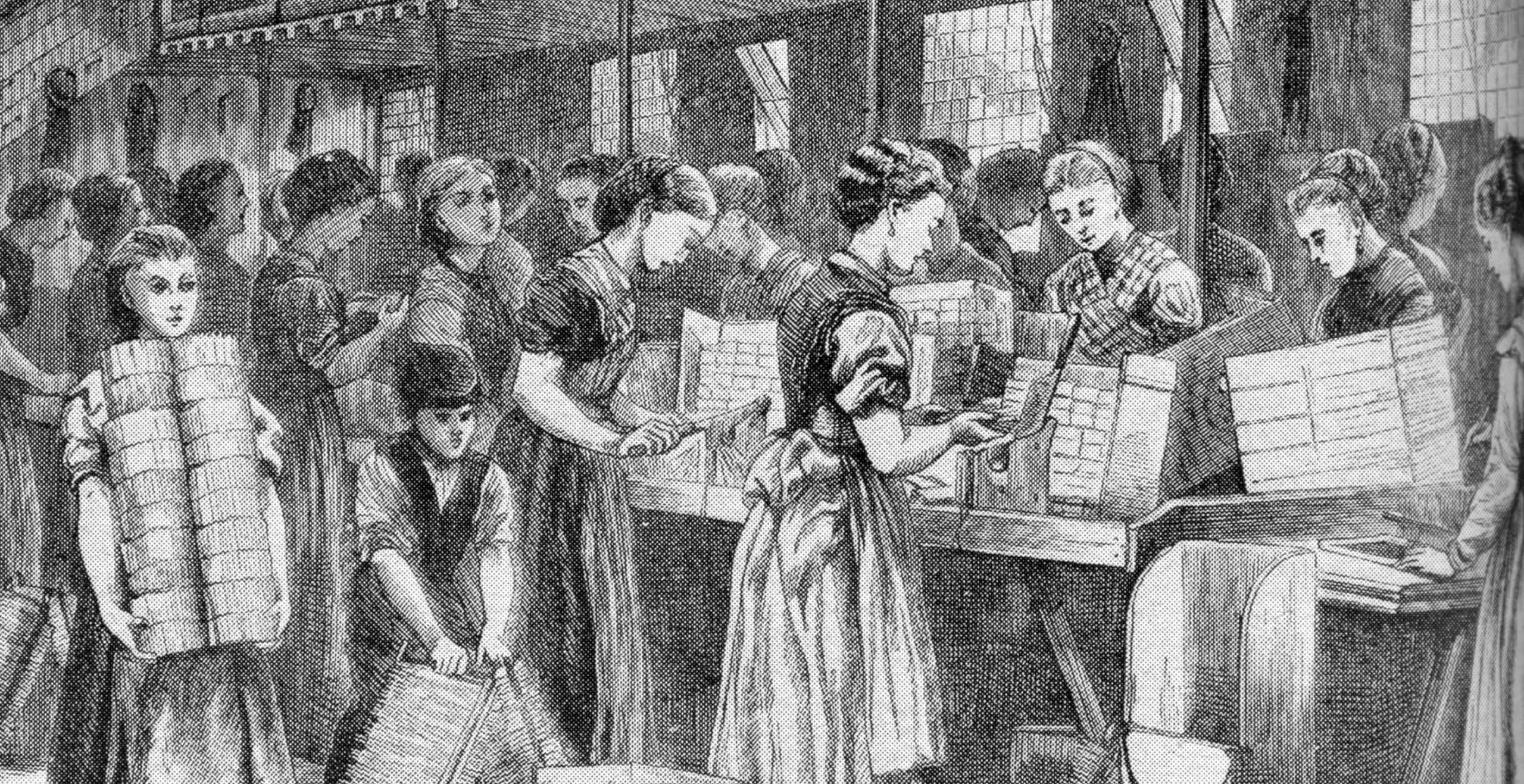
A contributory factor to the ensuing social tensions was the widespread poverty and poor working conditions which plagued many towns and cities.
An important figure in addressing these issues was Sir Edwin Chadwick, a prominent English social reformer who pioneered the reforms of the Poor Laws in England as well as garnering major changes in the field of public health and sanitation.
In 1842, he published his damning Sanitary Report which outlined the extent of disease and destitution which were ubiquitous elements of urban life, caused by unhealthy living conditions and poor sanitation.
The report itself would initiate future public reforms however short-term it only highlighted what many people already knew about their vulnerability to disease both at home and work.
Adding to the litany of social difficulties experienced during this period was the rapidly growing population which in only a decade had increased by two million.
The demographic pressure burdened the already failing infrastructure in urban areas. Many people died from a number of common diseases such as typhus, dysentery and cholera which thrived particularly well in unsanitary conditions.
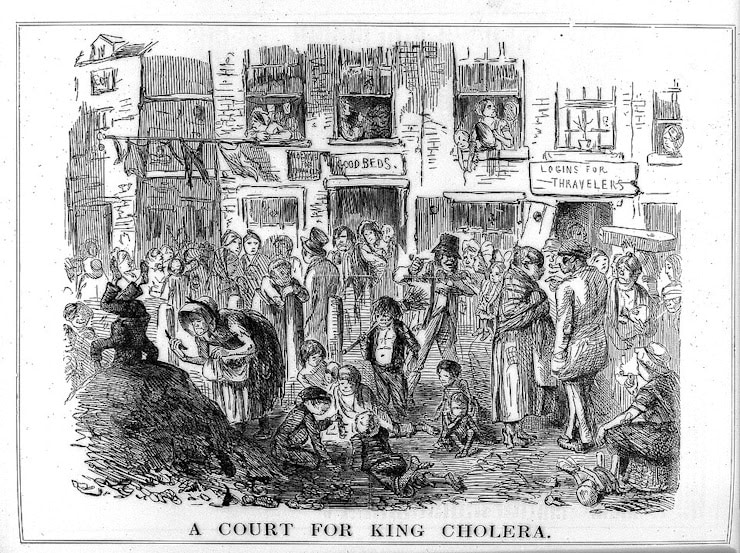
The result was an exceptionally low life expectancy, a national average of just 40 years but in some locations even lower at just 27 years of age in industrial heartlands such as Manchester.
To make matters worse, Britain during this time was hit hard by a series of failed harvests.
The Conservative government which came into power in 1841, thus had an immeasurable list of problems, effectively leaving Sir Robert Peel with the difficult agenda of attempting to mitigate as many issues as possible without causing an uprising.
This included the introduction of a temporary income tax of 7 pence on the pound, designed for incomes of over £150 in order to alleviate some of the effects of the depression.
Whilst the vast majority of the labouring and working classes were exempt from the tax and thereby unaffected, the government did face a backlash from the professional classes who felt that the disclosure of their incomes was a breach of their privacy.
The financial crisis also hindered manufacturing output and construction projects, thus impeding the development of the railways.
This downturn directly affected the workers in the industrial sector, with people laid off both in Lancashire and Cheshire whilst others saw a reduction in their working hours and wages. For many families, the dire situation left them with no choice but to seek poor relief as a means of survival.
Meanwhile in Scotland, the government was informed that almost 20,000 people in Paisley were affected by starvation, with not enough relief provided and a failure of resources to aid with the health of the community.
Thus, by the summer of 1842, the economic state of Britain transformed into social unrest, taking the form of strikes, petitions, and sporadic outbreaks of violence.
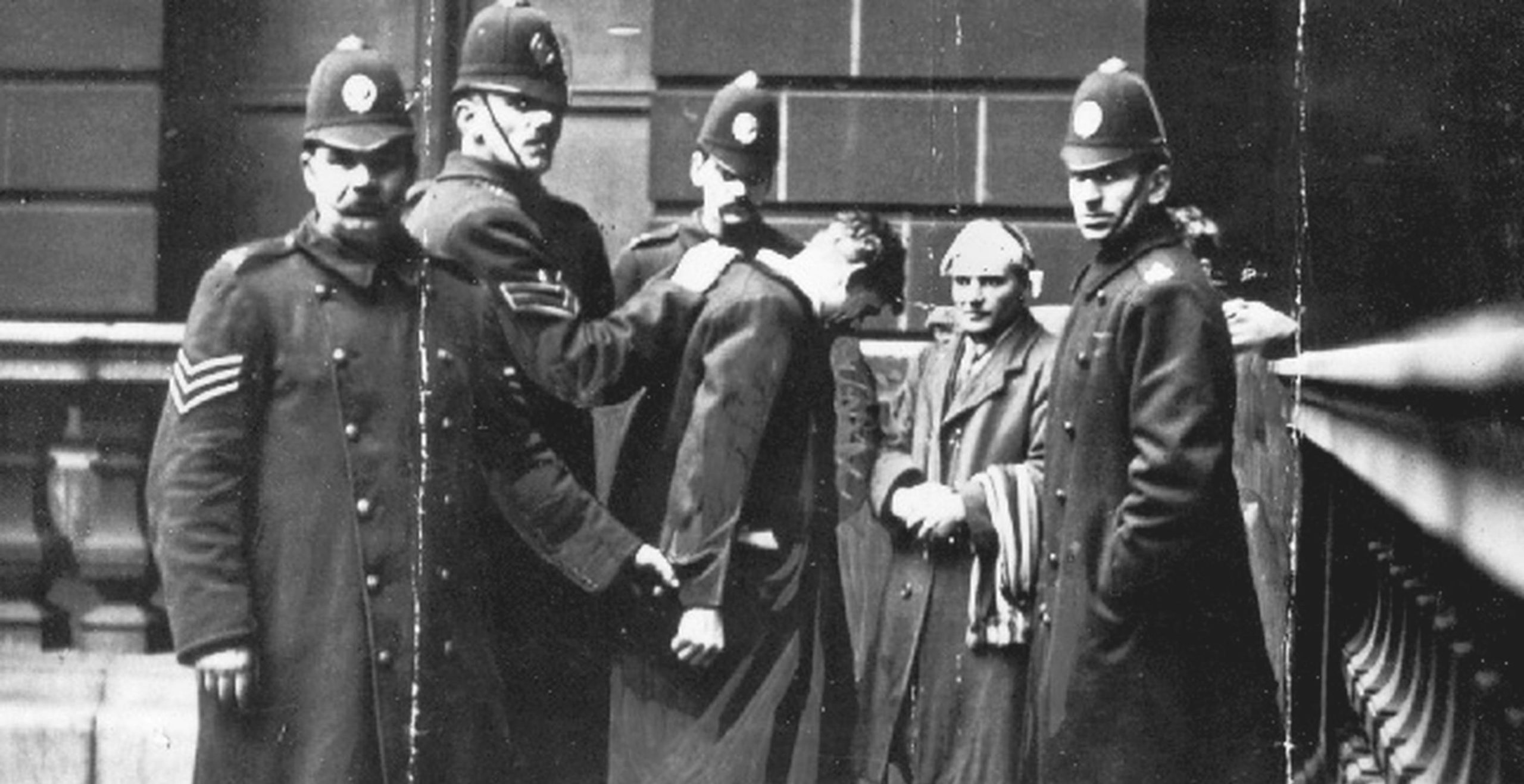
In some cases, people’s desperation manifested into hostility with shops looted and skirmishes with the police common in areas of extreme unemployment, such as in the towns of Yorkshire and Lancashire. This crime wave worked in tandem with wider social discontent, with families across Britain calling for more poor relief or else face the ultimate disaster of destitution and death.
These disastrous circumstances were encapsulated and recorded by the prominent economist and philosopher Friedrich Engels who compiled his observations in his famous work ‘The Condition of the Working Class in England.’
On 25th April 1842, a major scene of industrial unrest unfolded in Dudley, the Black Country when a series of riots broke out orchestrated by disgruntled and disenfranchised nail makers. After suffering from wage stagnation made worse by a growing economic depression, their livelihoods came under threat from cheaper machine-made nails. As a result, almost 20,000 nailers and miners rallied together in Dudley in a desperate act of protest, taking to the streets, kidnapping local ‘nail masters’ and damaging factory equipment.
This soon escalated into clashes between government forces in the form of the calvary and the nailers, who used their forging hammers as weapons. They also used a brutal rudimentary weapon which they constructed called a tiswas which consisted of three heavy nails welded together.
The Black Country Nailers’ Riots were eventually quelled with the starving crowds offered loaves of bread to appease their unheeded claims of hunger.
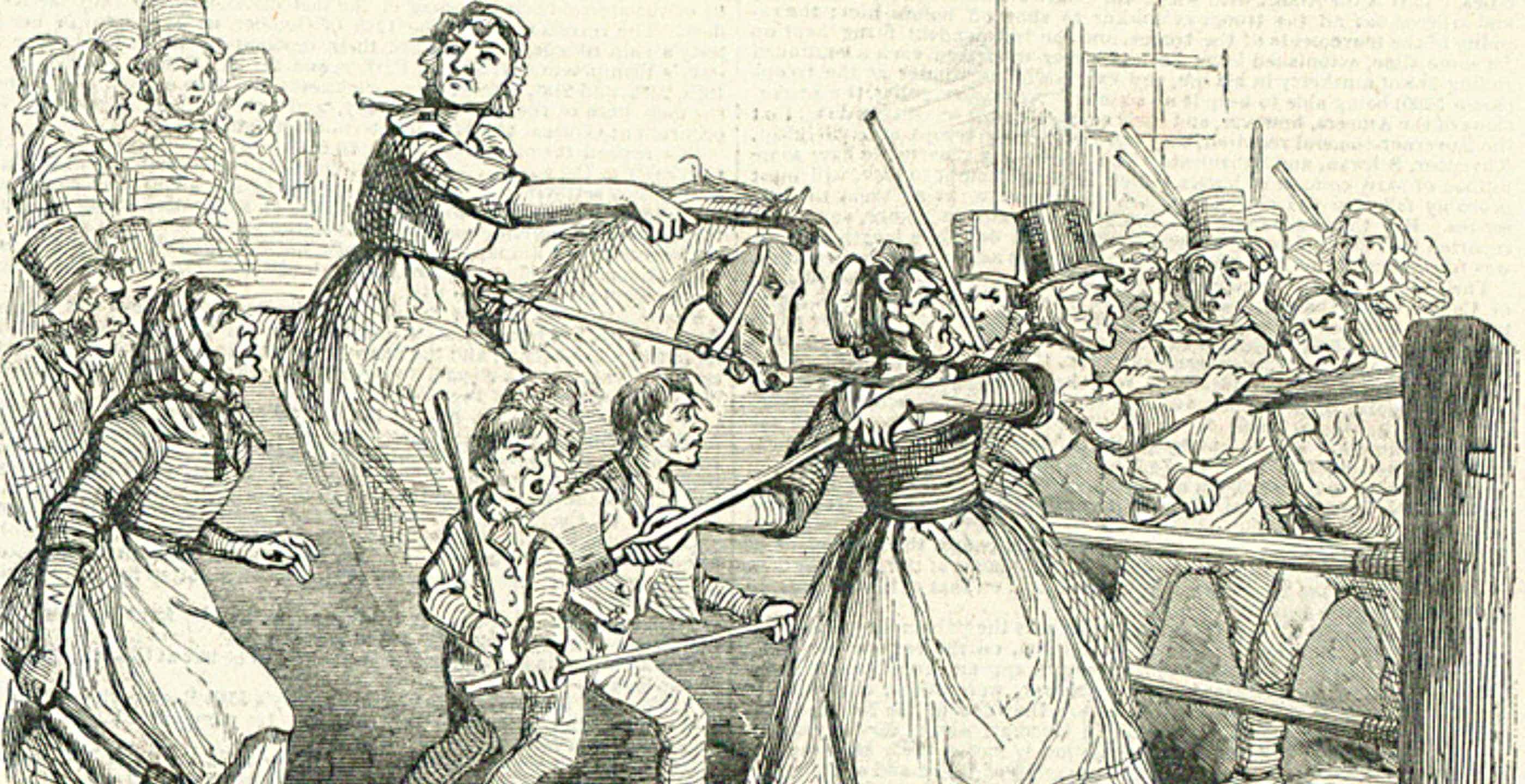
Elsewhere, in the heart of Wales local farmers and agricultural workers launched a series of protests known as the Rebecca Riots in reaction to levels of taxation.
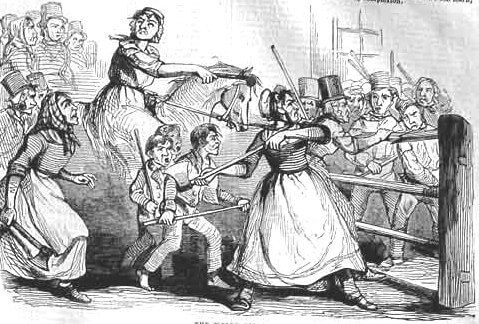
As part of the wider strike and protest movement, a group of rioters engaged in sabotage of machinery, known as the Plug Plot Riots, whereby the perpetrators removed plugs from textile mill boilers to sabotage them.
In a reaction to the poor standards endured by many working in the mining industry, in August 1842, the Mines and Collieries Act was introduced, making it illegal for women and girls to work in the mines, whilst boys under ten years old were also banned in response to the harsh findings uncovered by the Children’s Employment Commission.
During the entirety of the 1840s, Britain was plagued by consistently low standards of living, impacted by an ongoing economic depression which affected workers pay and conditions. The harsh realities of life during this time culminated in a series of rebellions, riots and wave of social unrest reflecting the harsh reality endured by communities across the British Isles.
The year 1842 was the epitome of this continued struggle, with a grasping public desperate to see change implemented and with little to show for their struggle. The fight would continue…
Jessica Brain is a freelance writer specialising in history. Based in Kent and a lover of all things historical.
Published: 7th July 2026.