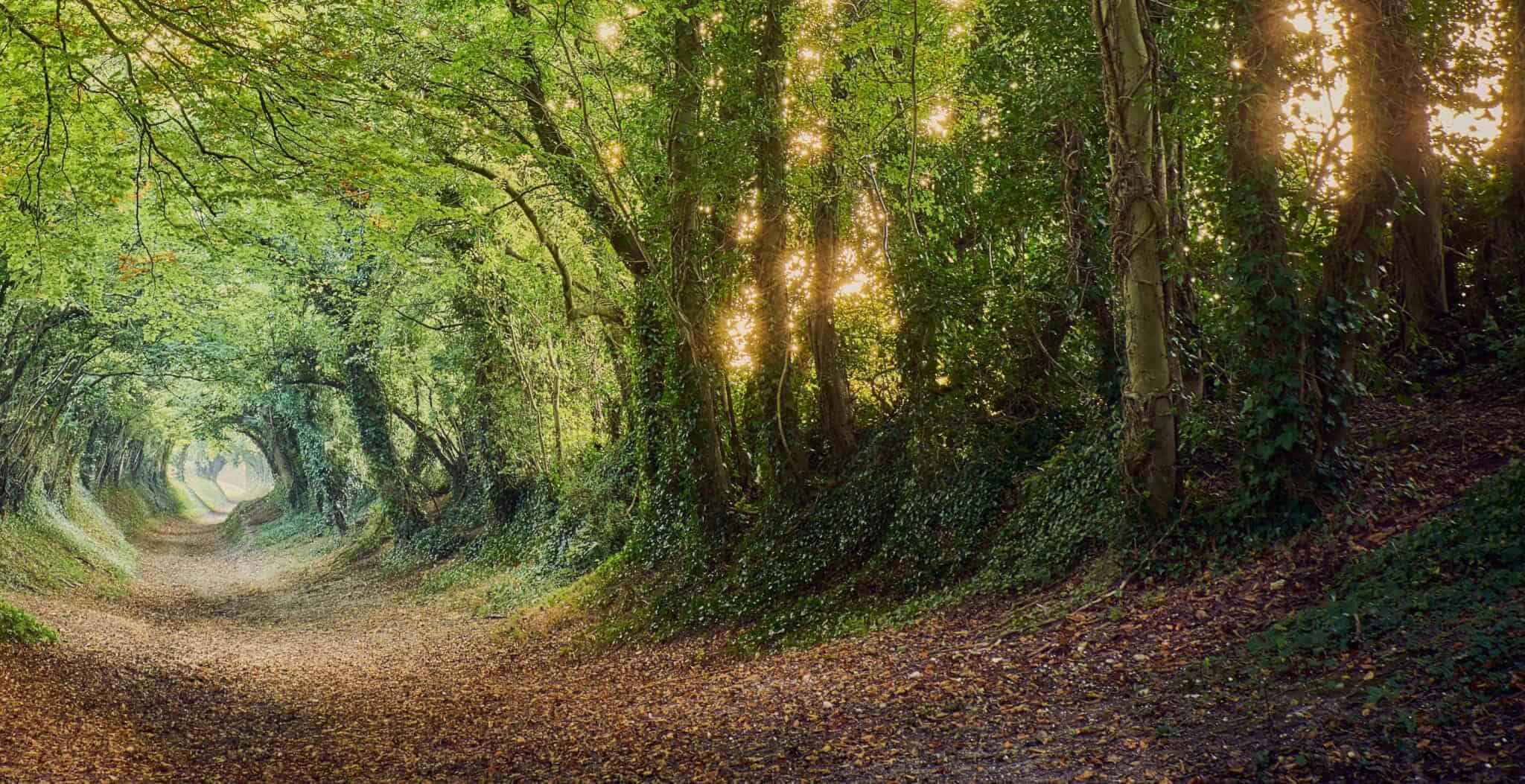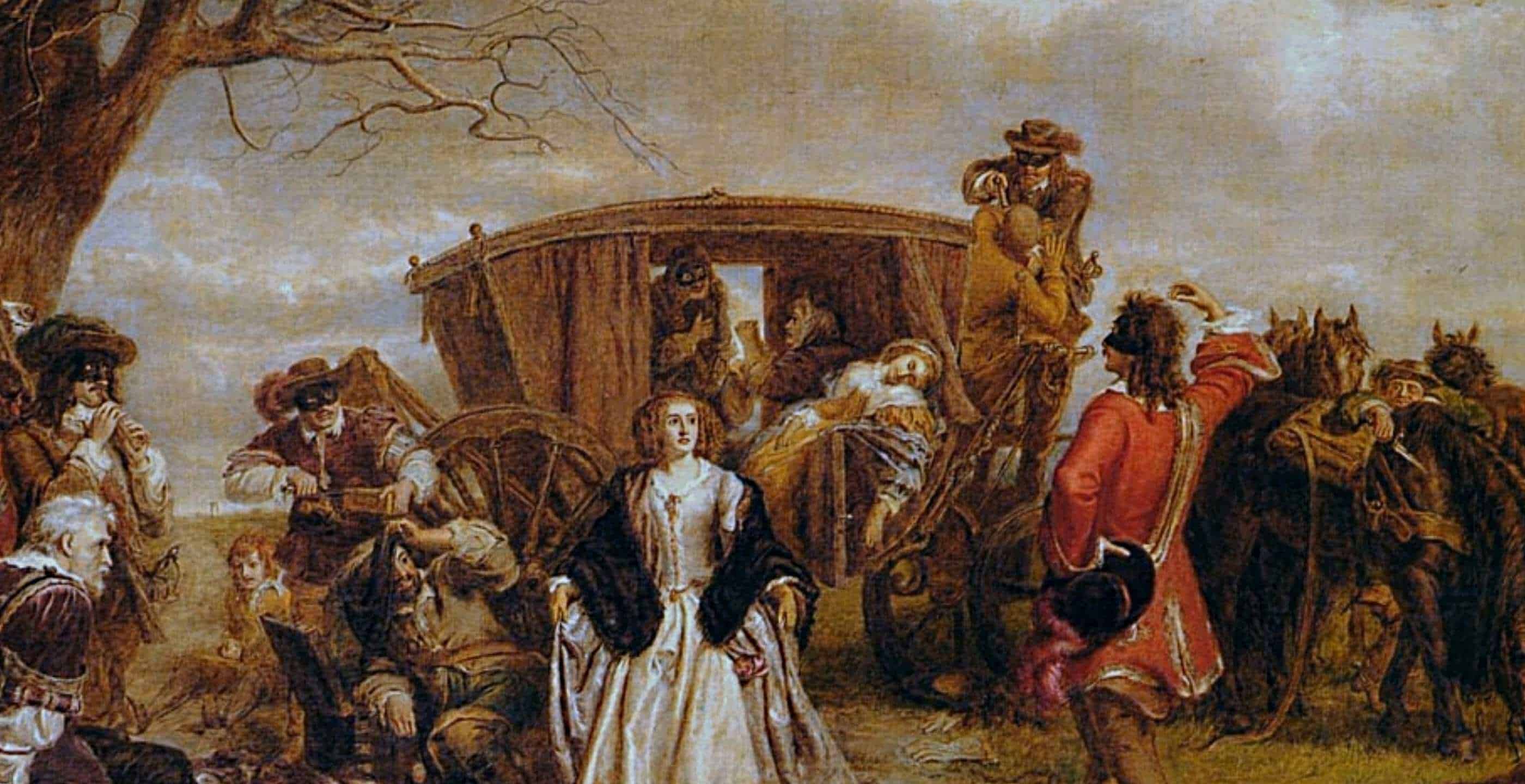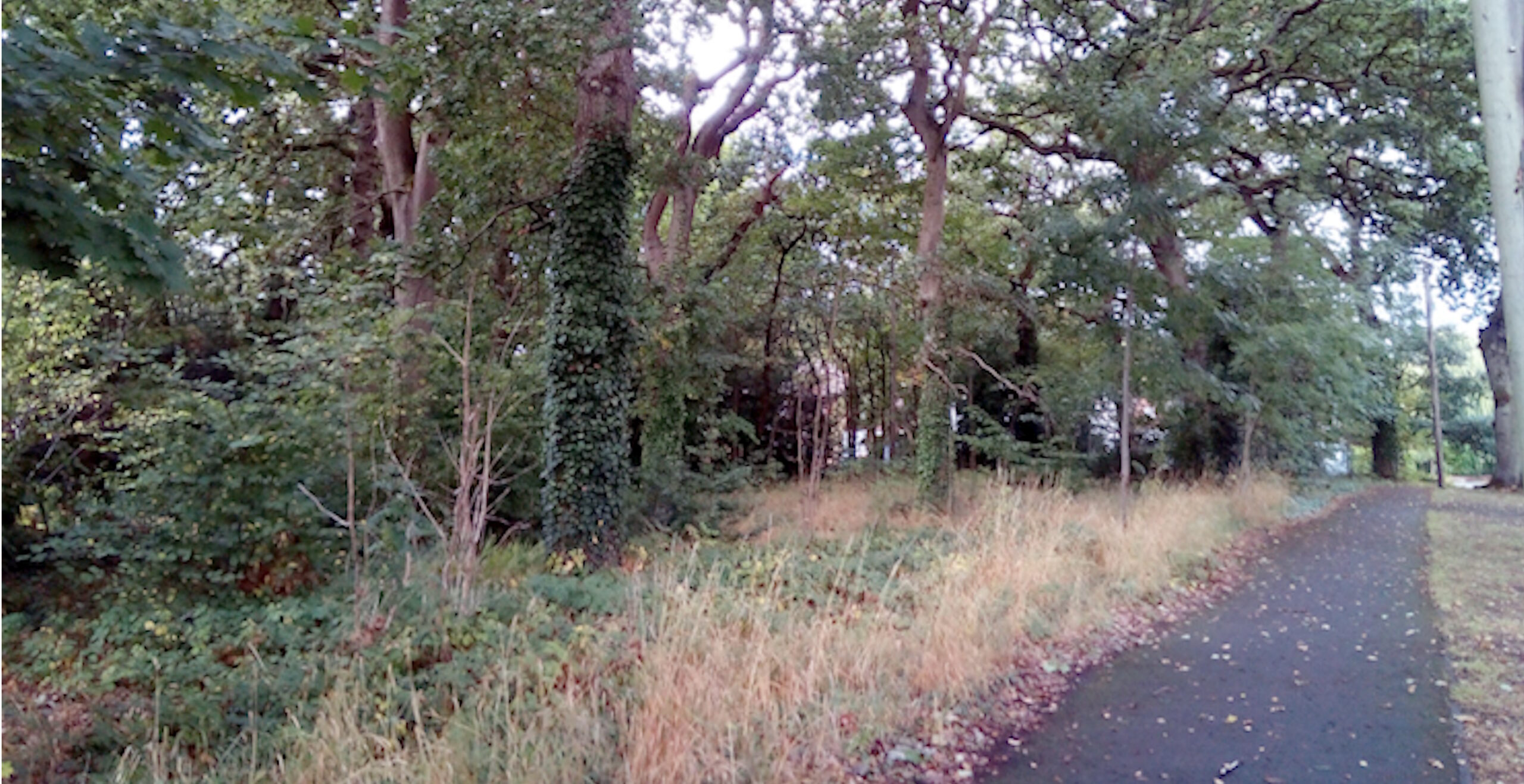


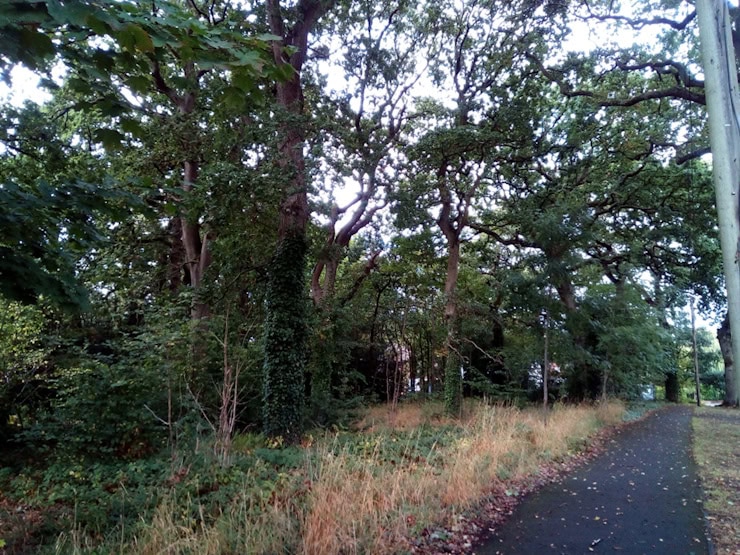
Not far from Solihull town centre, there is a small group of trees that most people tend to ignore. Its name is Cut Throat Coppice. The trees are mostly oak, interspersed with silver birch, and together they form a triangular junction between three roads. They are the remains of a much bigger wood that apparently got its name from a time when it was populated by ruthless bandits who preyed on unwary travellers. Similar pockets of ancient woodland can be found across the West Midlands. Many are hidden in plain sight.
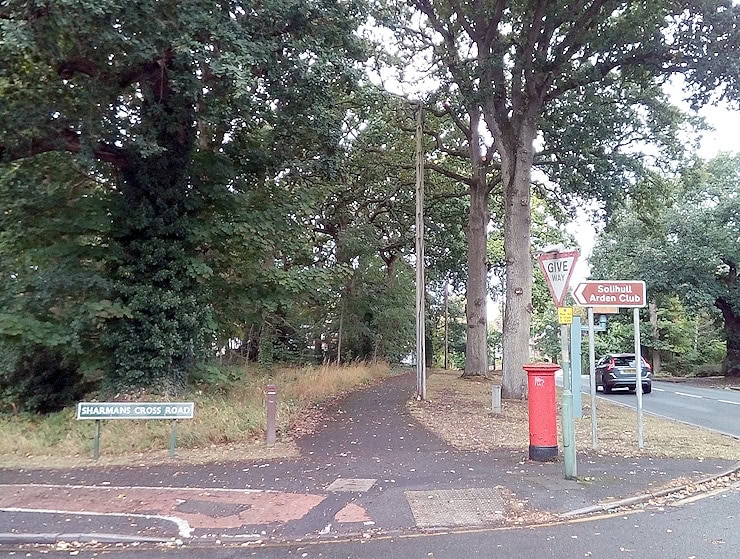
These trees, like the others, are the surviving remnants of a mighty forest that once stretched from the River Tame in the north to the River Avon in the south. This was the Forest of Arden, a behemoth that dominated the landscape for centuries.
It was present in Roman Britain and covered such a wide area that the road network of the time had to go around it: Watling Street bordered the north, whilst the eastern and southeastern sections were skirted by Icknield Street and the Fosse Way respectively; the south was bordered by a salt road, and the west by another branch of Watling Street. In all, five counties now occupy the area in which the Forest of Arden existed. Warwickshire and the metropolitan county of West Midlands held most of the wood, and parts of Staffordshire, Worcestershire, and Shropshire the rest.
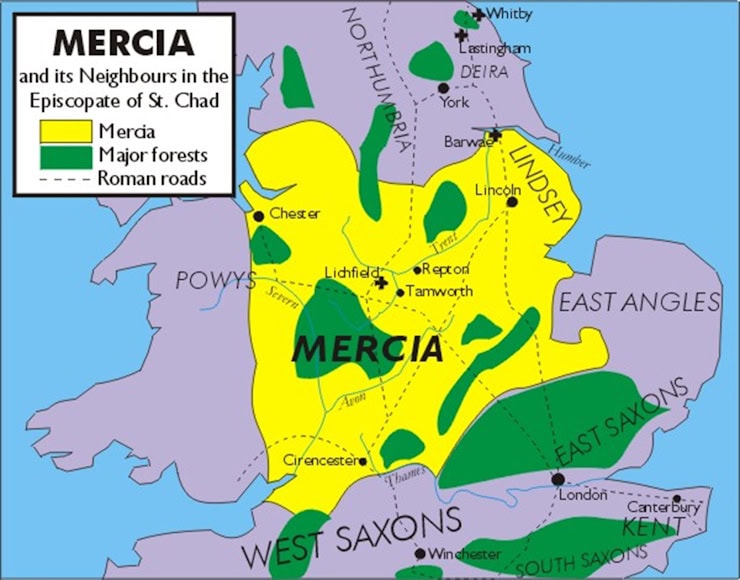
So impenetrable was the forest that it has often been said that no Roman road went through it, but it appears that Icknield Street did, suggesting a division between two distinct parts, one west of the road and another to the east.
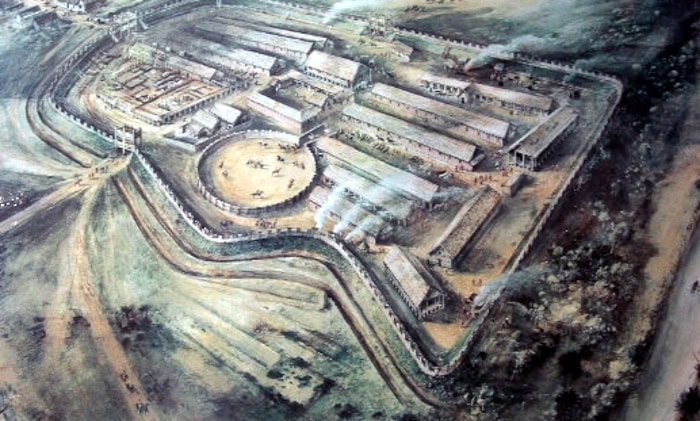
Open heathland was scattered throughout the forest. These clearings provided habitable spaces for the few people hardy enough to live within them. Iron Age hillforts like Berry Mound and Wychbury Ring on the Worcestershire/West Midlands border are evidence of this early settlement, as is the reconstructed Lunt Roman fort near Coventry.
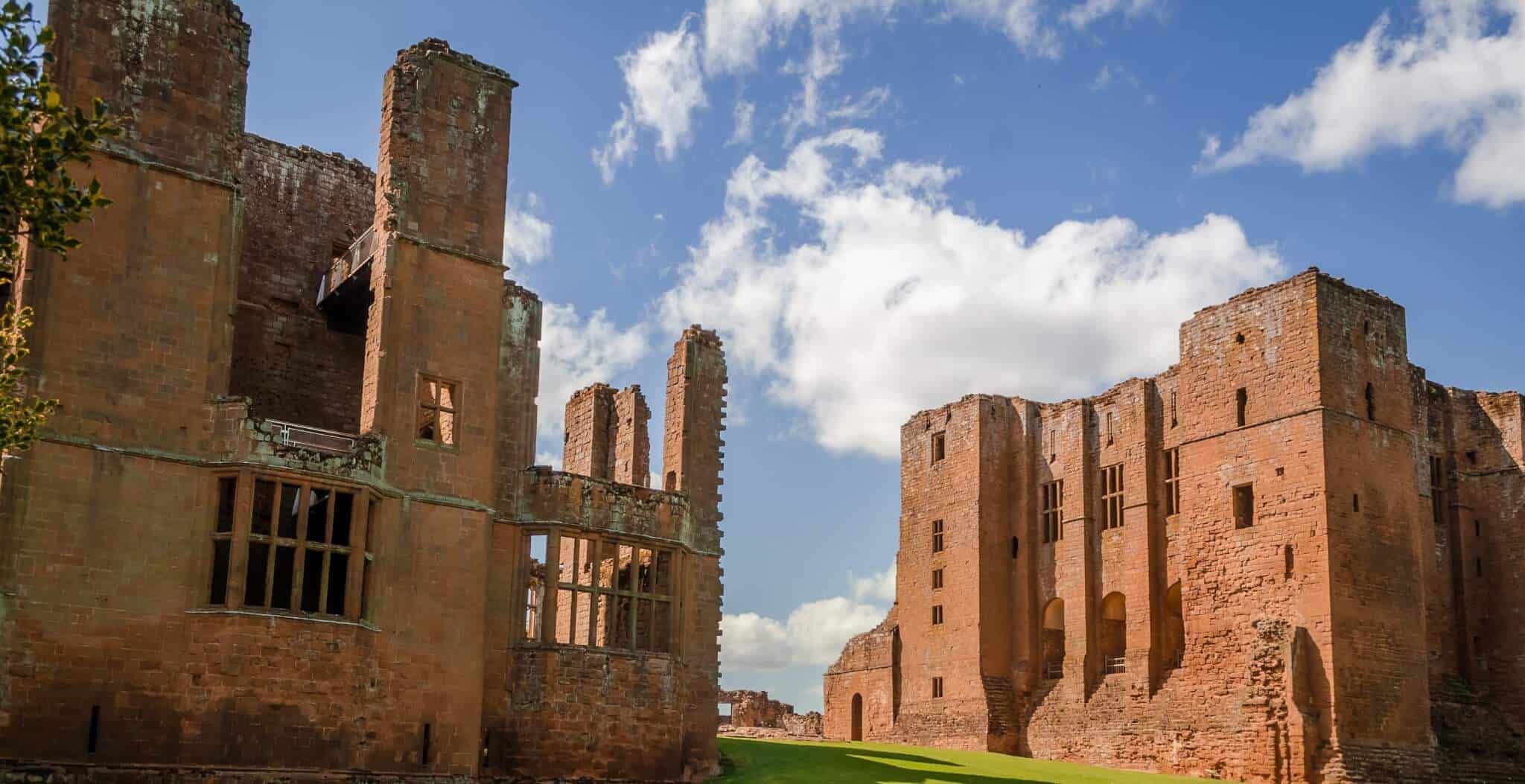
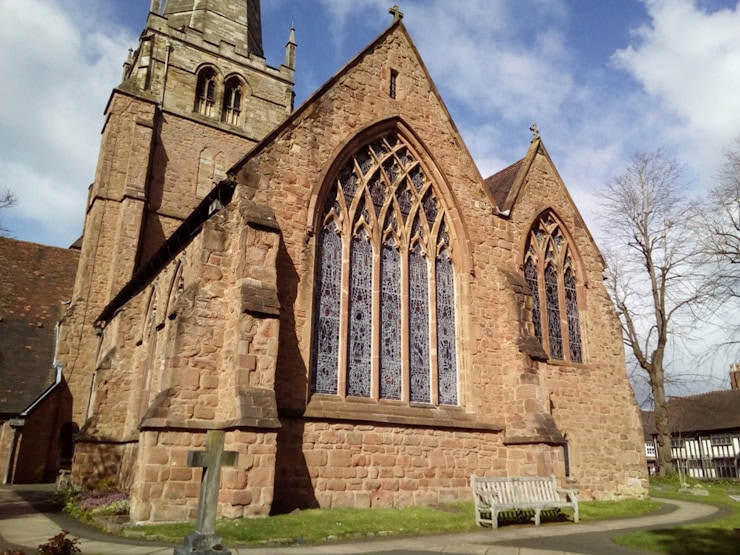
The name ‘Arden’ is believed to derive from ‘ardu’, the ancient Celtic term for ‘high’ or ‘highland’ (a reference to the Midlands Plateau); later it became the name of the old Mercian ruling family. By the time of the Norman Conquest, the forest was already being depleted for its resources, both above and below ground. As trees were felled for timber to make houses and ships, the land was quarried to extract the reddish sandstone beneath. What is today known as Arden Sandstone was used to build some of the region’s finest medieval buildings, including Kenilworth Castle in Warwickshire and St. Alphege Church in Solihull. The process of deforestation is thought to have taken several centuries.
Despite this, the Forest of Arden retained a reputation as a wild and dangerous place, especially for those travelling through it, for danger lurked everywhere, from packs of wolves to roving gangs of thieves. In the village of Coughton, near Stratford-upon-Avon, are the remains of a medieval stone cross which marked the forest’s southern boundary. Local legend has it that travellers would pray there before entering to ensure their journey was a safe one.
The area was eventually settled by the peasantry but only with encouragement from local lords. Logging operations expanded and gradually Arden transitioned from forest to isolated tracts of woodland, separated by farms and hedged fields. Villages and hamlets were established, many of which incorporated aspects of the Forest of Arden into their names. The Old English for clearing – ‘ley’ – appears in the names of Hawkesley and Shirley, places that were originally woodland clearings. Similarly, the names of villages like Hampton in Arden and Tanworth in Arden reflect their connection to the Arden area. Today, a number of local businesses also carry the name.
The Arden name also lived on in the Mercian family who had adopted it back in the 11th century, and by the 1500s the Arden family owned land across the West Midlands and beyond. One prominent member was a certain Mary Arden, the mother of William Shakespeare. The forest that both mother and son knew would have been a shadow of its former glory, but what little remained was enough to inspire the bard to immortalise it in several of his plays, most notably As You Like It.
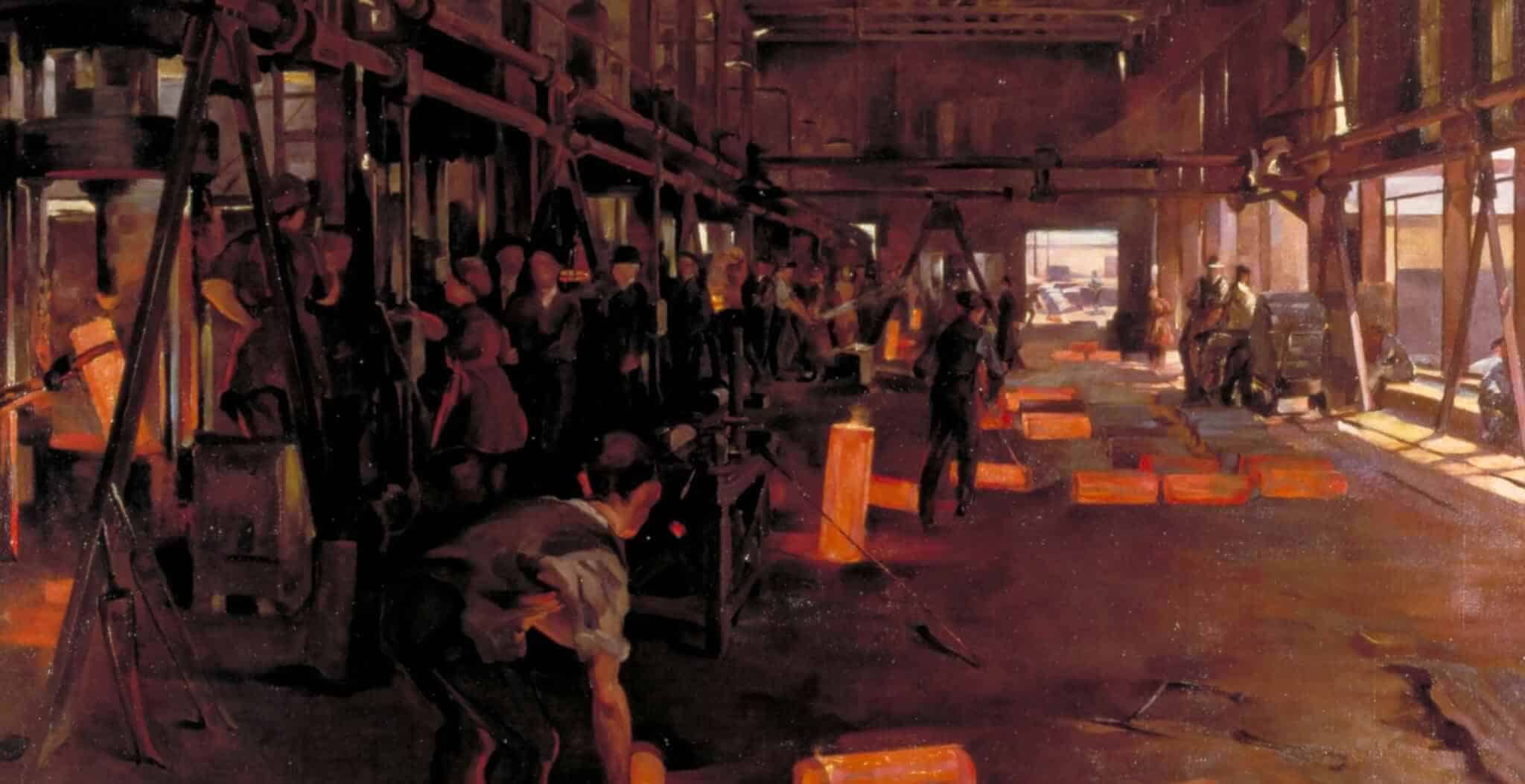
In time, the forest diminished further, and in its place the population centres of Birmingham and Coventry expanded, becoming manufacturing bases that kickstarted the Industrial Revolution.
But remnants of the old forest still clung on. In a suburb of East Birmingham, one part still remains. The Moseley Bog nature reserve stands on the site of an old mill pond and is a popular destination for visitors both young and old, not least because the author JRR Tolkien grew up nearby and frequented the wood as a child. Moseley Bog is said to be the inspiration for the Old Forest in the Lord of the Rings books. The gnarled, ancient trees with their twisted limbs can, with a little imagination, sometimes appear as if they are about to come to life and move about.
Fortunately, you are unlikely to encounter any evil tree-sprits at Moseley Bog. Over the decades, the conservation work carried out there has transformed it from an overgrown tangle of trees and brambles to a wonderful little wood that can be safely explored and appreciated. With nearby Sarehole Mill, the area captures the pastoral atmosphere it once had, giving it a certain lost world feel, something which Tolkien would have been happy with.
Small parts of the Forest of Arden are dotted all over the West Midlands and are, thankfully, protected. Solihull contains several remnants within its suburbs. In the Castle Bromwich area, not far from what was once the Arden family’s primary estate at Park Hall, the forest survives as the Spinney, a long and thin oak tree-filled verge between Green Lane and West Avenue. Nearby Smith’s Wood has an estate of the same name that has grown around it. And, of course, there is the sinister Cut Throat Coppice . . .
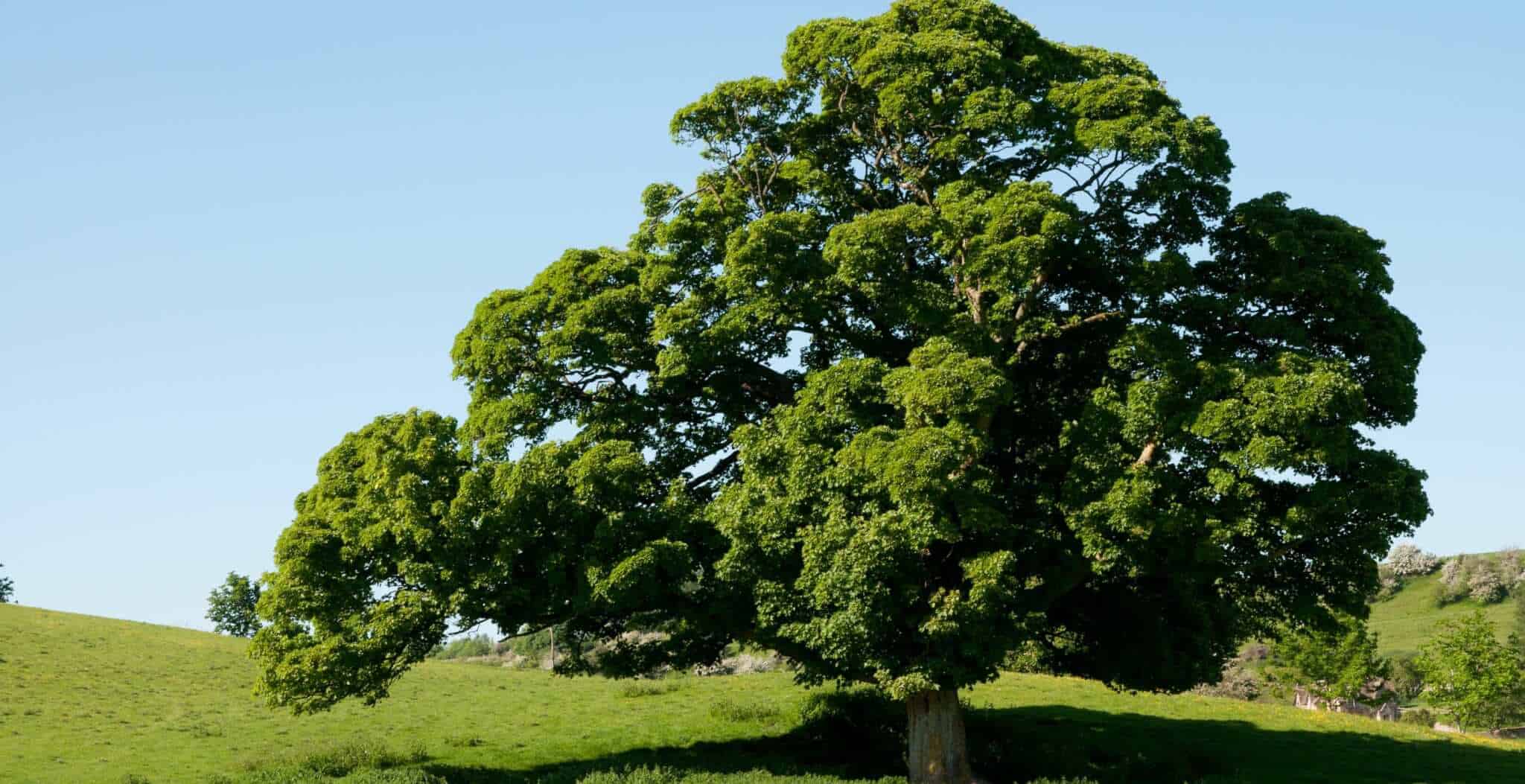
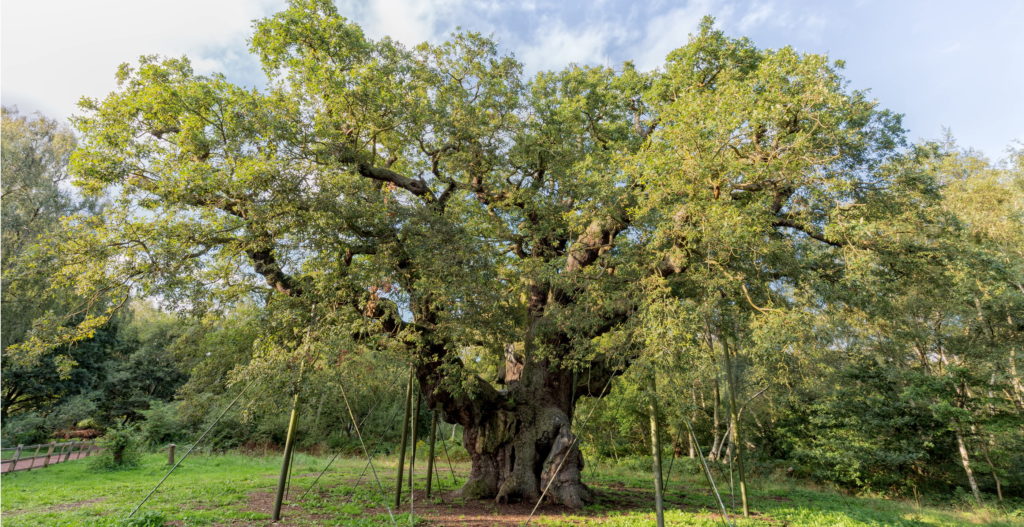
The Forest of Arden shaped an entire region. With continued protection, this once enormous habitat will carry on in its current fragmented state, providing the trees are left alone and allowed to regenerate, which they have now been doing for thousands of years in woods and hedgerows across the region. Amazingly, a few original oaks are still going strong – the one at Stoneleigh Abbey near Kenilworth is estimated to have reached the ripe old age of 1000.
If you ever come across any of these old timers, be sure to give them a nod. They deserve it.
David Jones lives in Solihull in the West Midlands. He has a degree in Art History and Classical Studies.
Published: 21st April 2026.