

The history of the border town of Mold in northeast Wales is fascinating in itself; it is however the events surrounding the summer of 1869 that will record forever the town’s role in the social history of Britain.
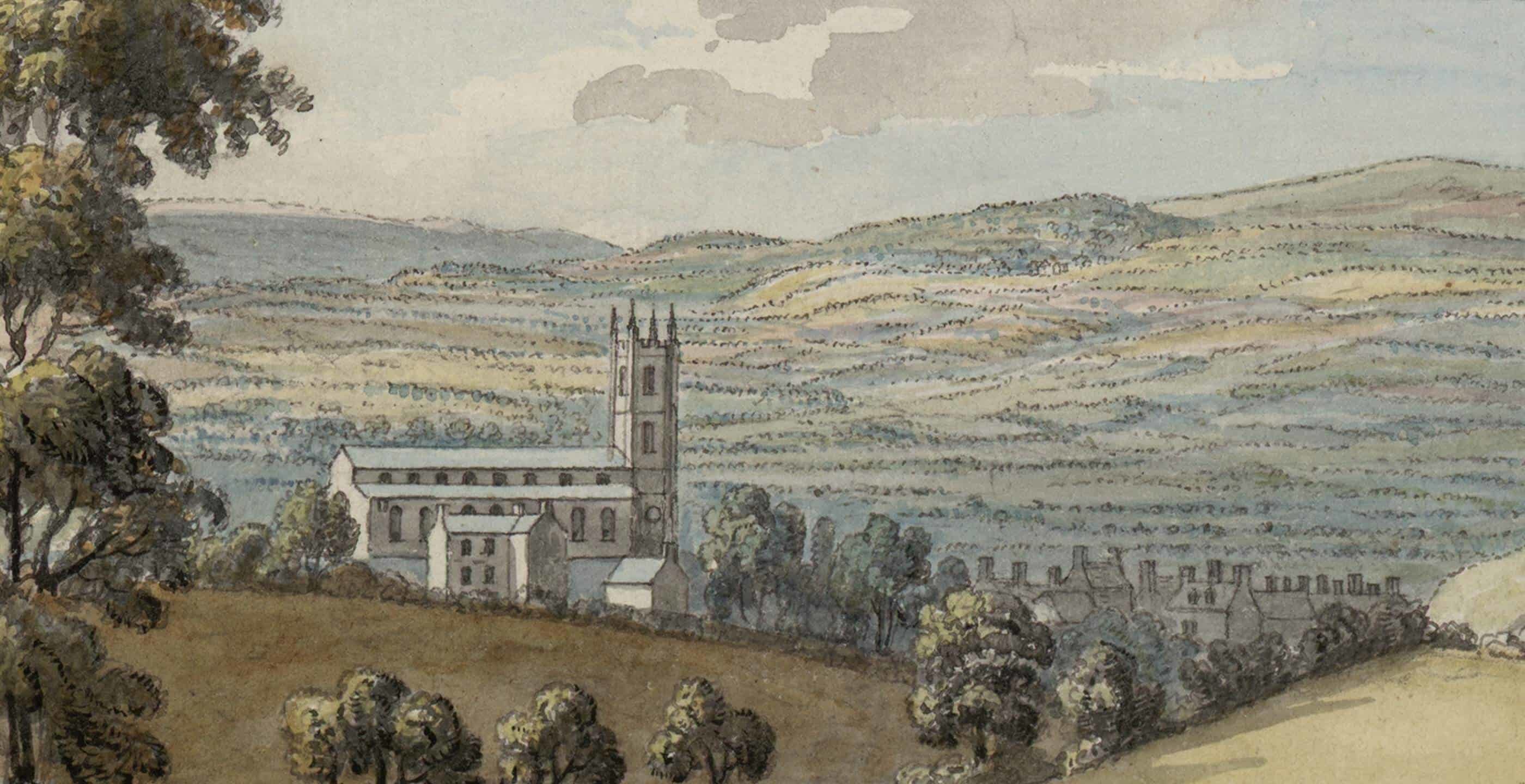
The Normans established Mold as a settlement during the reign of William Rufus. As a frontier town Mold changed hands several times between the Normans and the Welsh, until Edward I finally resolved the issue with his conquest of Wales in 1277. After this, the Lordship of Mold eventually fell to the Stanley family.
It was the Stanley family who had the Parish Church of Mold built to mark the victory of Henry Tudor in the Battle of Bosworth in 1485 – Lord Stanley’s wife was the mother of Henry Tudor.
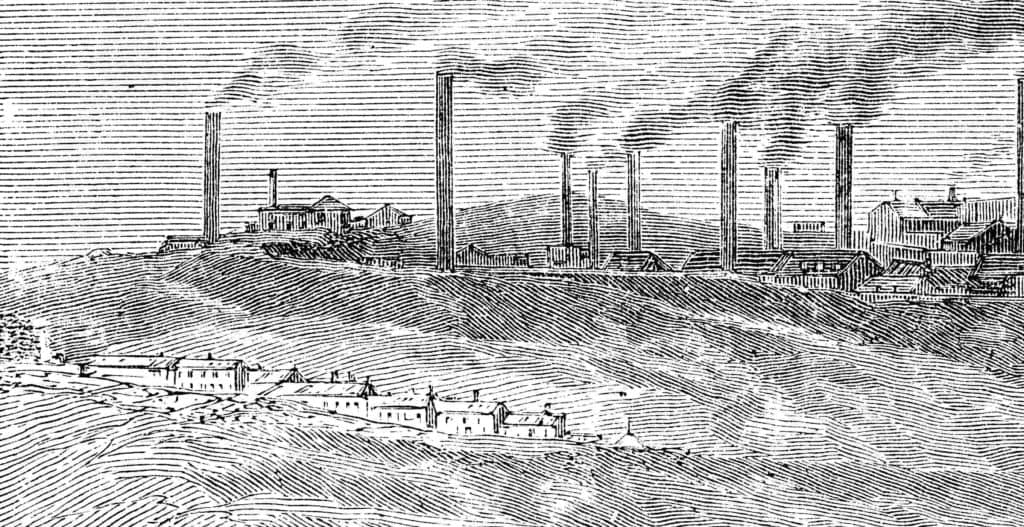
It was however, the extensive development of mining in the area during the 18th and 19th centuries that first defined Mold as an industrial town. The iron, lead and coal that helped power Britain’s Industrial Revolution were all mined in the surrounding area.
And it was to be from one of these mines that events would take place and spark such social unrest, influencing the future policing of public disturbances in Great Britain.
The trouble began after two coal miners were sentenced to prison for attacking the manager of Leeswood Green Colliery in the nearby village of Leeswood.
The relationship between the Leeswood colliers and the pit management had deteriorated greatly in the weeks before the disturbance. The miners were angered by the decisions and arrogant attitude of the manager, John Young, an Englishman from Durham.
The charismatic Young had initially sought to ‘curry favour’ with his miners by banning them from speaking their native Welsh language when underground. And then on 17th May 1869, as if to add insult to injury, Young also announced that their wages would be cut.
Far from impressed with his management style, two days later the miners held a meeting at the pit head. Obviously inflamed by events, a number of angry men left the meeting and attacked Young before frog-marching him to the police station at Pontblyddyn. His house was also attacked and all his furniture carried off to the railway station, in the hope of getting rid of him for once and for all.
Seven men were arrested and ordered to stand trial at Mold Magistrates Court on 2nd June 1869. All were found guilty and the alleged ringleaders, Ismael Jones and John Jones, were sentenced to a month’s hard labour.
The case had attracted such attention that a large crowd had gathered outside the Court to hear the magistrates verdict. It seems that the Chief Constable of Flintshire may have been expecting some trouble as he had ordered police from all over the county and a detachment of soldiers of the 4th Regiment The King’s Own from nearby Chester to be brought to the town on that day.
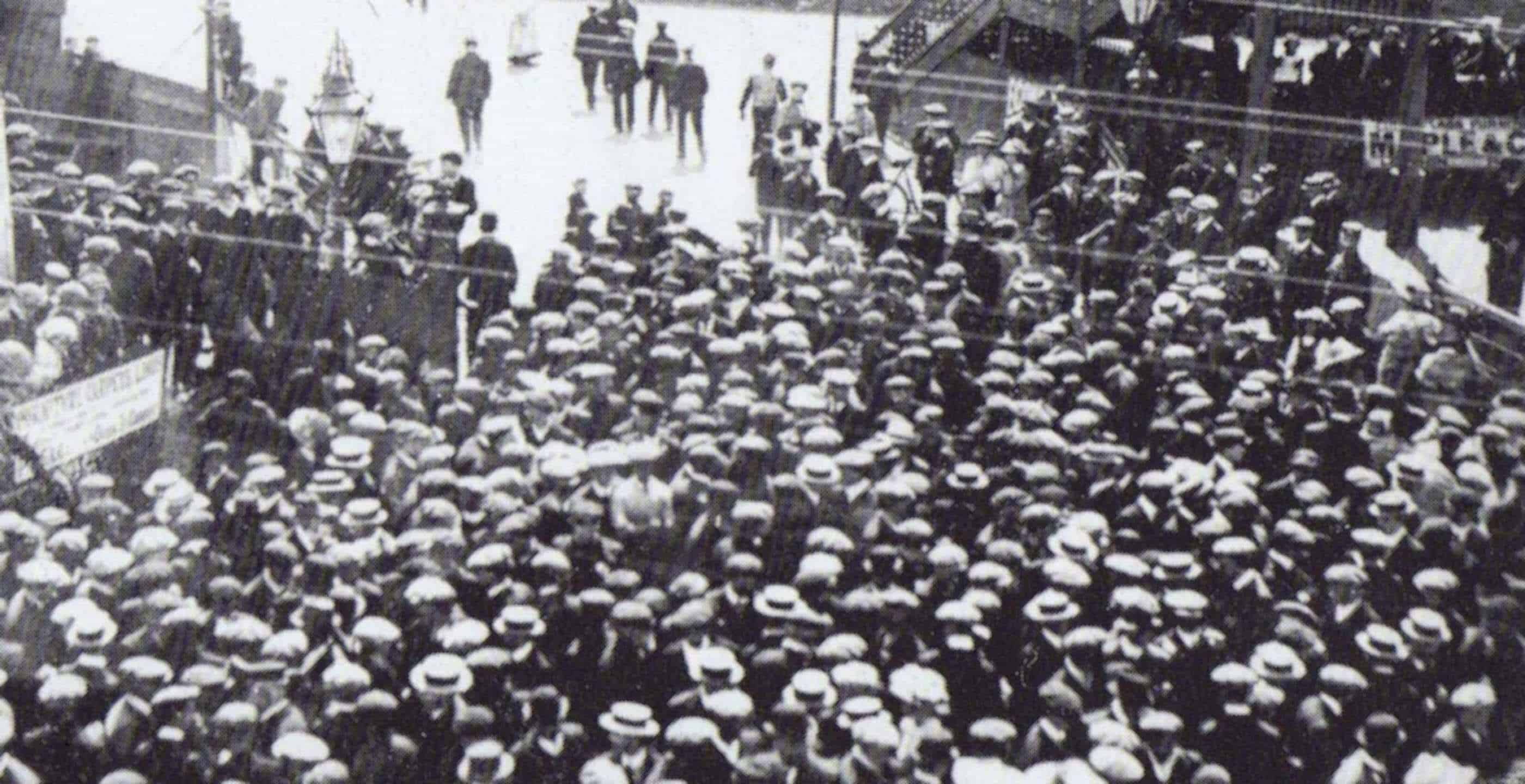
As the two prisoners were being taken from the court to the railway station, where a train was waiting to take them to the jail at Flint Castle, the angry crowd of over 1000 miners and their families reacted. They began to hurl stones and other missiles at the guards.
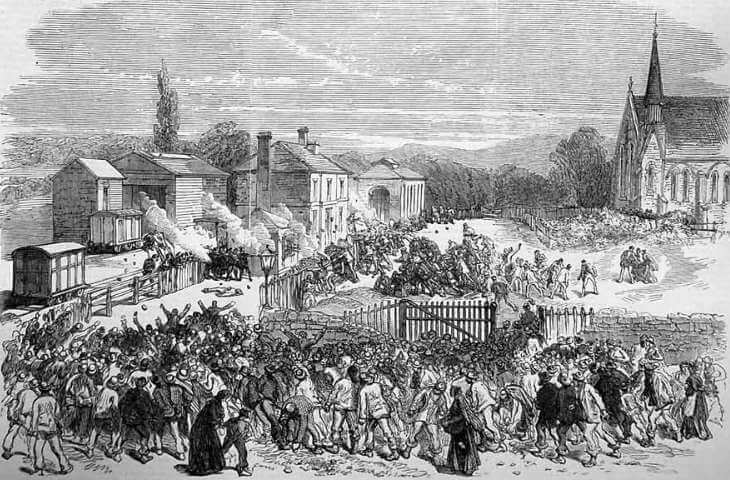
Retaliating without warning, the soldiers fired shots indiscriminately into the crowd, killing four people, including two women, and injuring dozens more. The crowd quickly dispersed and by the following morning the blood soaked streets were empty.
A coroner’s inquest was held into the deaths: the coroner, apparently more than a little deaf and and described by some as a bit of a fool, had to receive the witnesses’ evidence through an ear trumpet. The Welsh jury returned a verdict of “Justifiable Homicide”.
The Riot Act of 1715 made it a serious crime for members of a crowd of twelve or more people to refuse to disperse within an hour of being ordered to do so by a magistrate. It would appear that the Riot Act was not read to the rioters at Mold. In fact the tragedy at Mold led the Authorities to rethink and change the way they dealt with public disorder in the future.
Such less heavy-handed policing policies remained in place right up to the 1980’s, when some other miners, this time from South Wales, Yorkshire and Nottinghamshire, also chose to strike!