

Important events of 1915, the second year of the First World War, including the first German Zeppelin raid on England, the Gallipoli Campaign and the Battle of Loos.
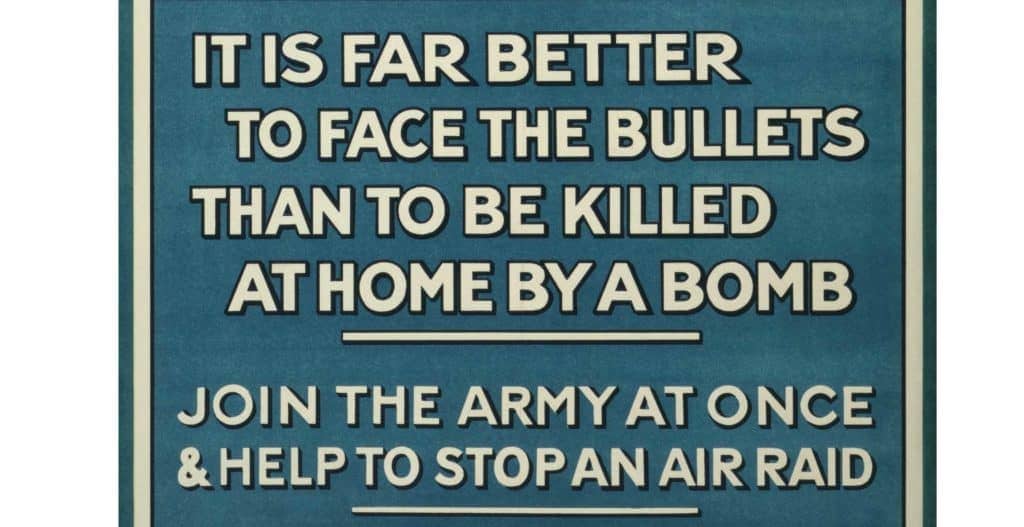
| 19 Jan | The first German Zeppelin raid on the east coast of England; Great Yarmouth and King’s Lynn are both bombed. Diverted by strong winds from their original industrial targets on the Humber estuary, the two airships involved, the L3 and L 4, drop 24 high explosive bombs, killing 4 people and causing ‘untold’ damage, estimated at almost £8,000. |
| 4 Feb | The Germans declare a submarine blockade of Britain: any ship approaching the British coast is to be considered a legitimate target. |
| 19 Feb | In response to a request from Russia to help fend off a Turkish attack, British naval forces bombard Turkish forts in the Dardenelles. |
| 21 Feb | Russia suffers heavy troop losses following the Second Battle of Masurian Lakes. |
| 11 Mar | In an attempt to starve the enemy into submission, Britain announces a blockade of German ports. Neutral ships heading for Germany are to be escorted to Allied ports and detained. |
| 11 Mar | The British steamship RMS Falaba becomes the first passenger ship to be sunk by German U-boat, U-28. 104 people are lost to the sea, including one American passenger. |
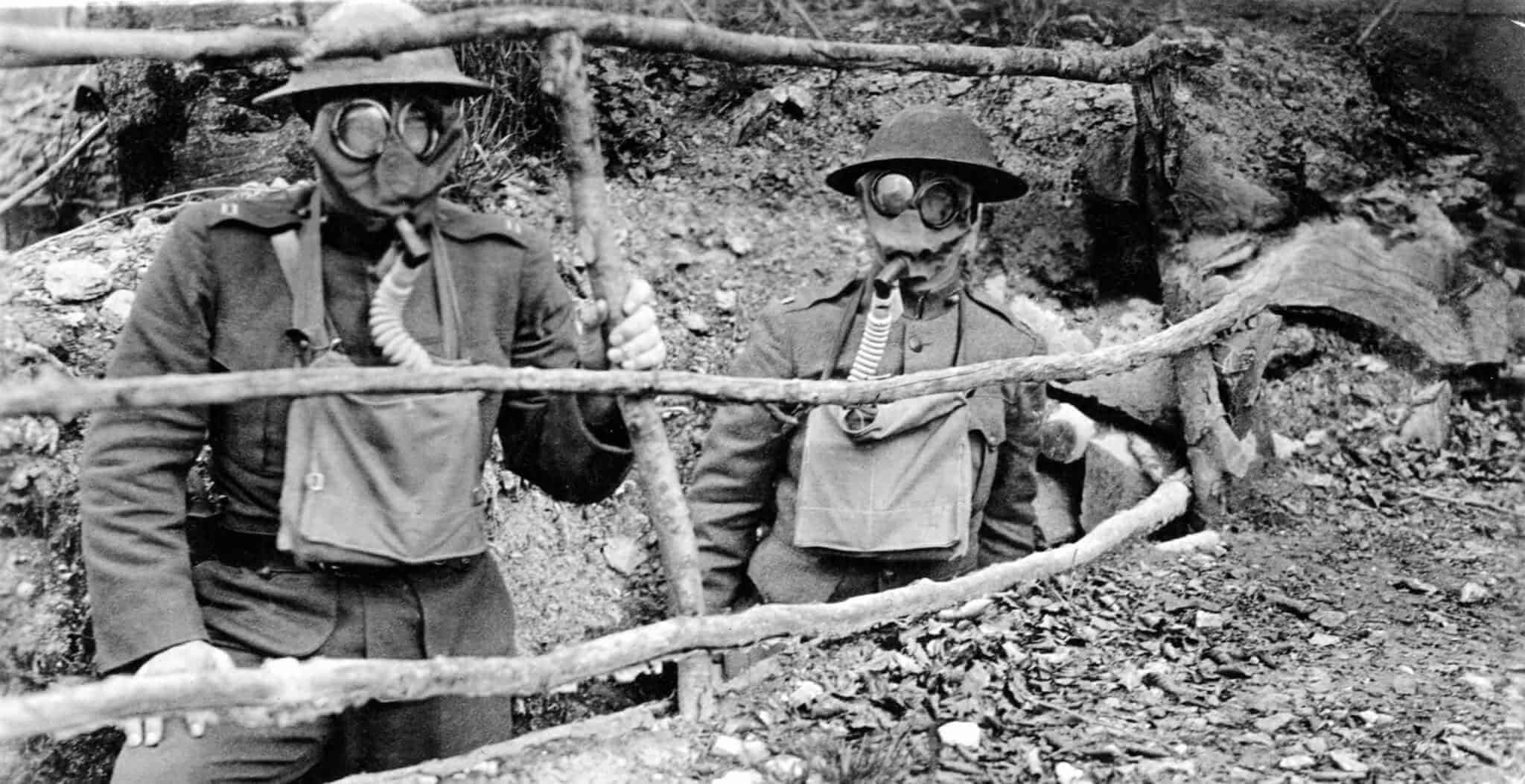
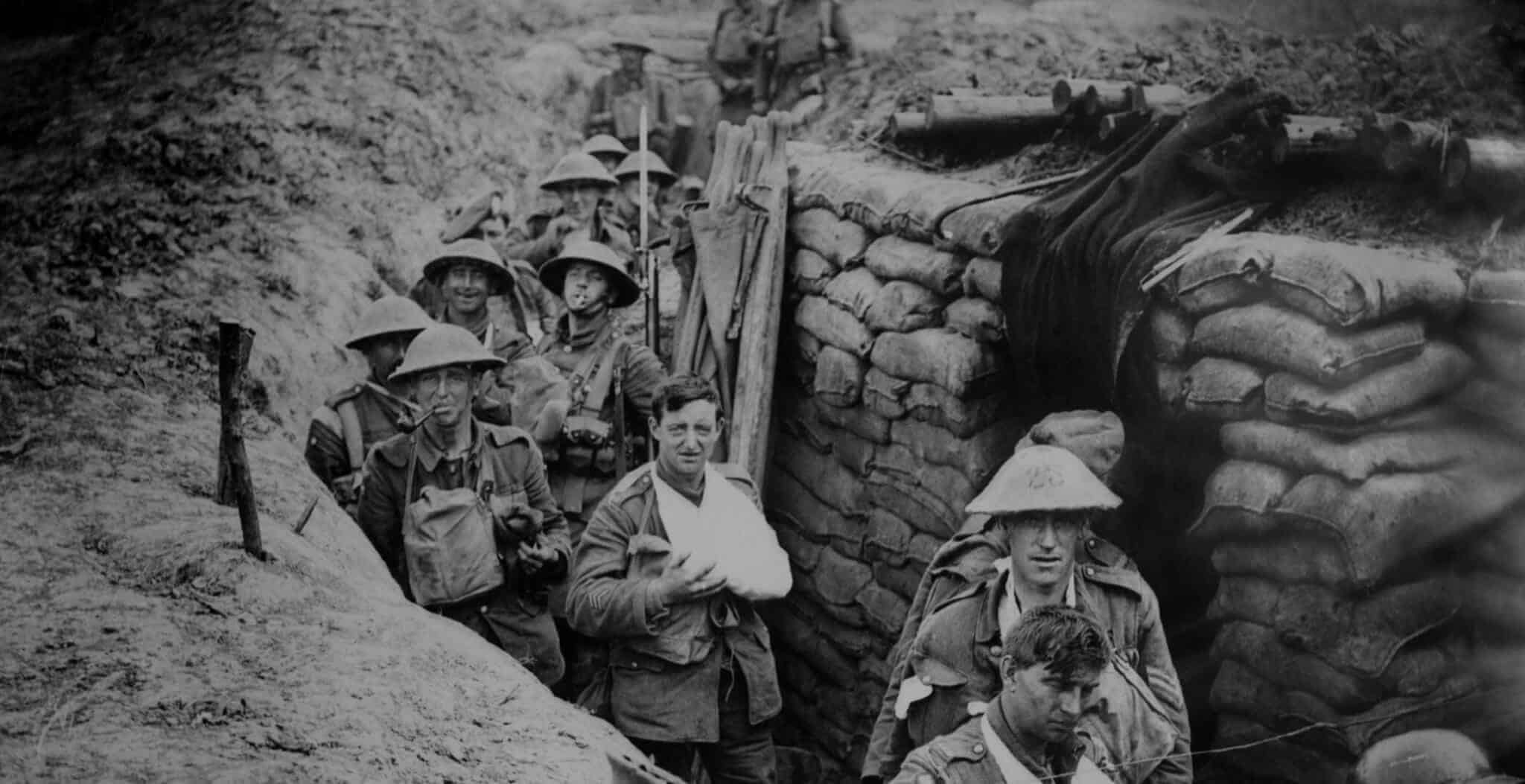
| 22 April | The Second Battle of Ypres begins. Germany uses poison gas for the first time in a major offensive. At 17.00 hours, German soldiers open the valves and release almost 200 tonnes of chlorine gas across a 4km front. Being heavier than air, they rely on the wind direction to blow the gas towards the French trenches. 6,000 Allied troops die within 10 minutes. Canadian reinforcements improvise by covering their faces with urine-soaked scarves. |
|
|
|
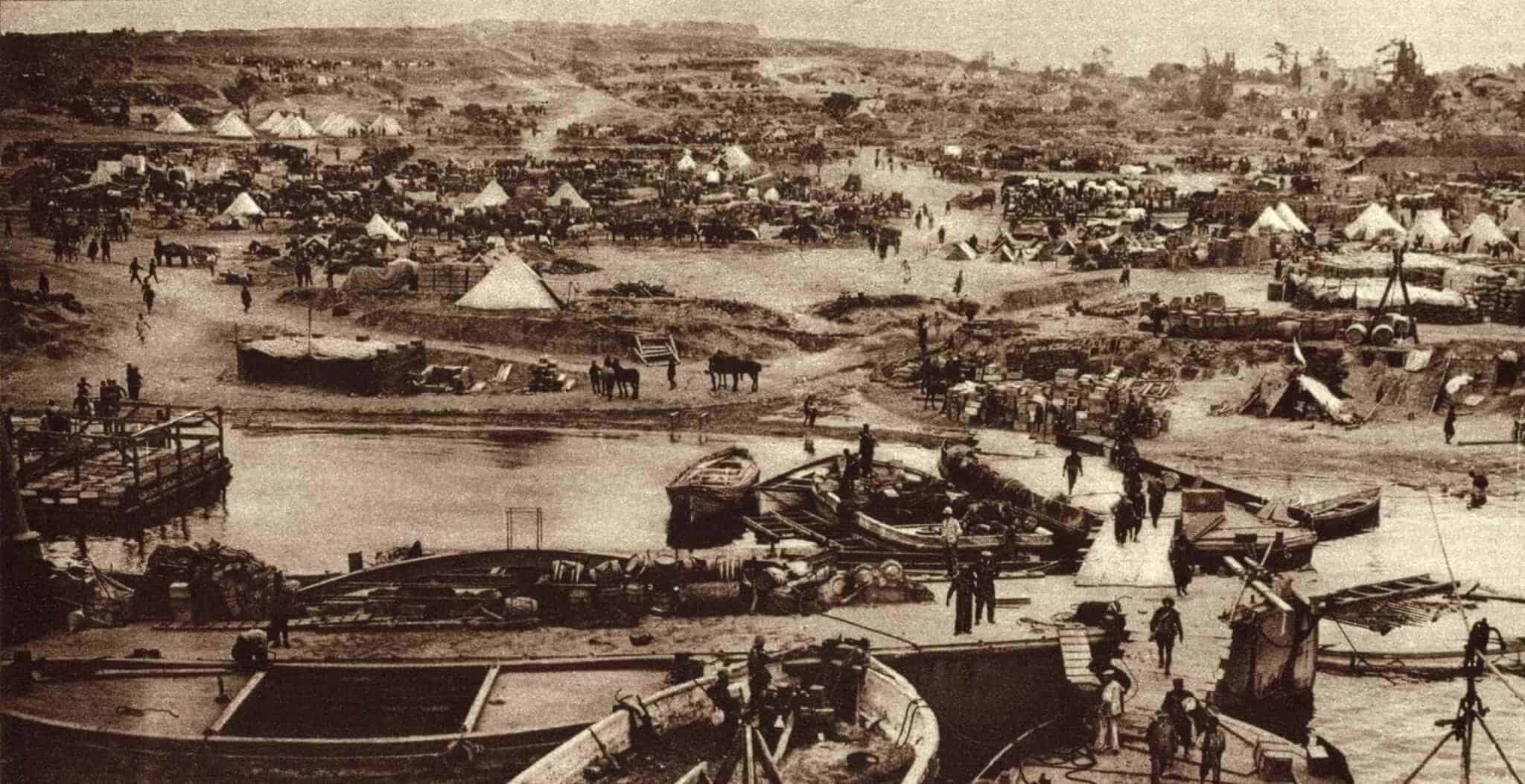
| 25 April | Several weeks after the Anglo-French naval bombardment of Turkish positions, Allied forces finally land in the Gallipoli region of the Dardenelles. The Turkish troops have had plenty of time to prepare for the Allied land assault of the peninsula. |
| After April | Blamed for the disastrous Dardenelles Campaign, Winston Churchill resigns his post as First Lord of the Admiralty and rejoins the army as a battalion commander. |
| After April | On the Eastern Front the Austro-German forces launch an offensive against the Russians breaking through at Gorlice-Tarnow in Poland. |
| 7 May | The British liner Lusitania is sunk by a German U-Boat with the loss of 1,198 civilian lives. Included in these losses are over 100 American passengers, leading to a US – German diplomatic crisis. |
| 23 May | Italy joins the Allies by declaring war on Germany and Austria. |
| 25 May | The British Prime Minister Herbert Asquith reorganises his Liberal government into a coalition of the political parties. |
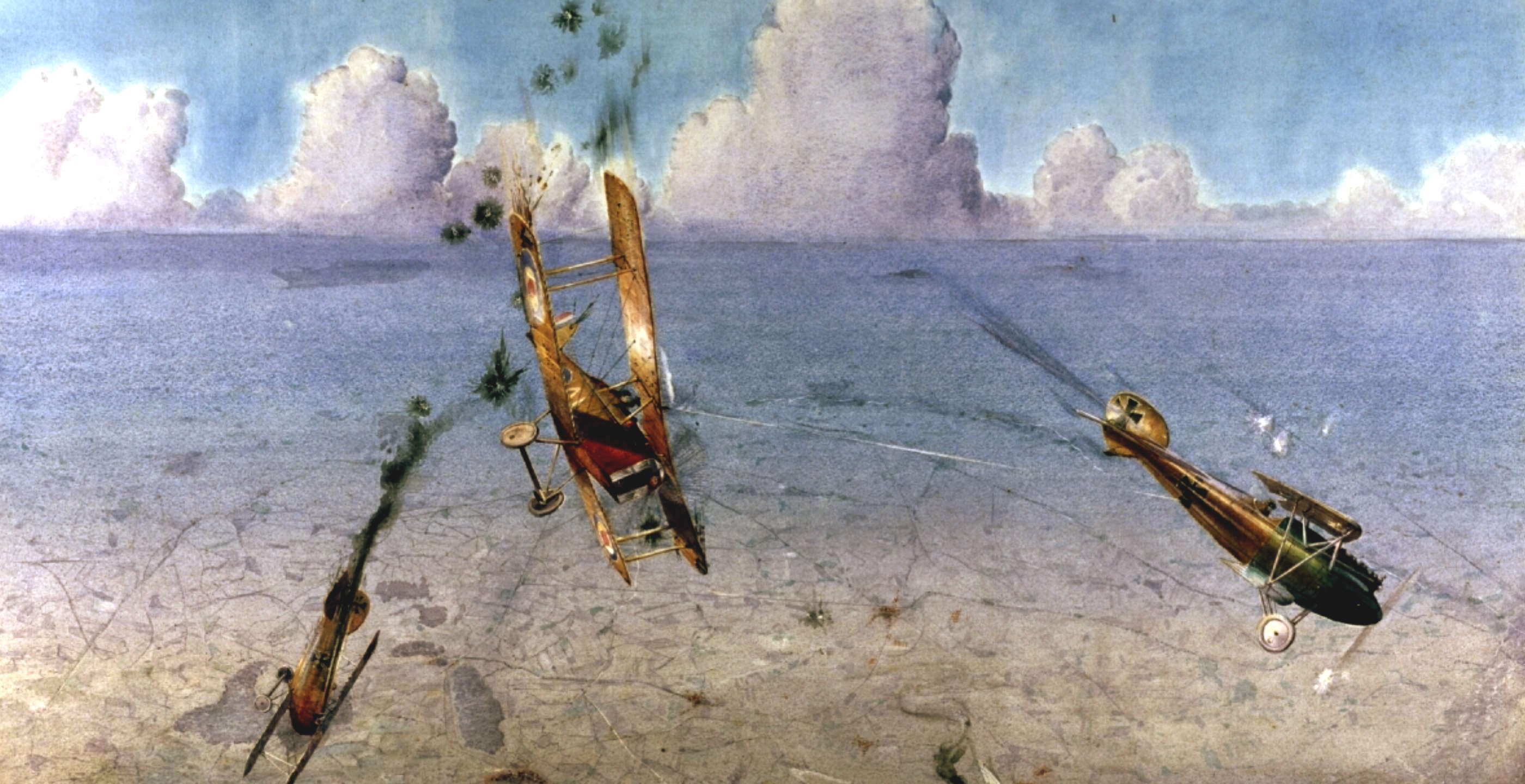
| 31 May | The first Zeppelin raid on London kills 28 people and injures 60 more. Zeppelins would continue to raid London without the risk of being shot down, as they flew too high to be worried by most aircraft of that time. |
| 5 Aug | German troops capture Warsaw from the Russians. |
| 19 Aug | The British passenger liner Arabic is torpedoed by a German U-boat off the coast of Ireland. Among the dead are two Americans. |
| 21 Aug | A story in the Washington Post reports that the US General Staff are planning to send a force of one million soldiers overseas. |
| 30 Aug | In response to American demands, Germany stops sinking ships without warning. |
| 31 Aug | Having removed Russian forces from much of Poland, Germany ends its offensive against Russia. |
| 5 Sept | Tsar Nicholas takes personal command of the Russian armies. |
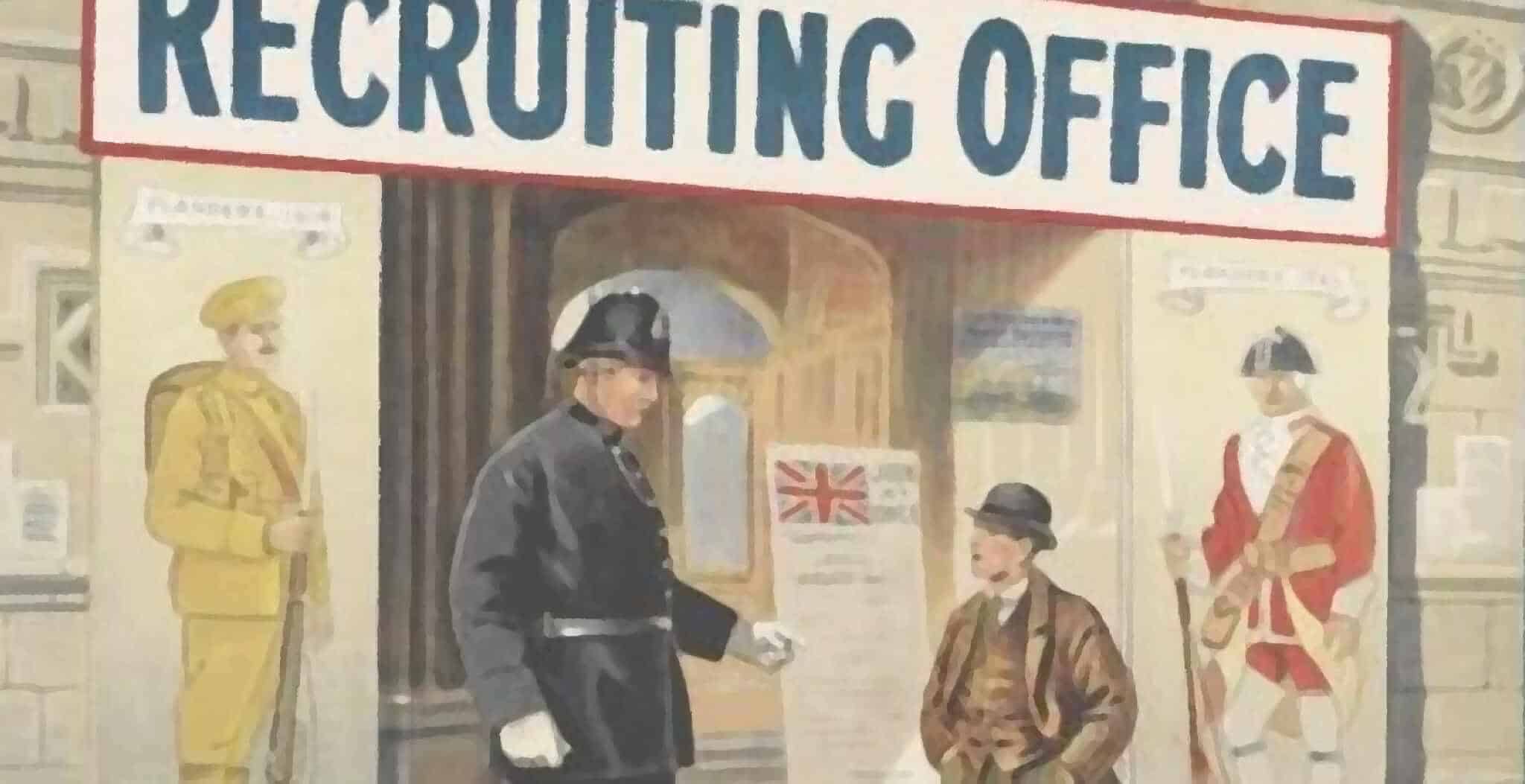
| 25 Sept | Battle of Loos starts. This marks the first time that the British use poison gas in the war. It also sees the first large-scale deployment of Kitchener’s Army. Just prior to the attack, British troops release 140 tons of chlorine gas into the German lines. Due to shifting winds however, some of the gas is blown back, gassing British soldiers in their own trenches. |
| 28 Sept | Fighting at the Battle of Loos subsides, with Allied forces retreating back to where they began. The Allied attack cost 50,000 causalities, including three divisional commanders. 20,000 officers and men who fall in the battle have no known grave. |
| 15 Dec | General Sir Douglas Haig takes Field Marshal Sir John French’s position as Commander-in Chief of the British and Canadian Forces in France. |
| 18 Dec | The Allies start what will become the most successful element of the entire Gallipoli Campaign: the final evacuation! Of the half-a-million Allied troops who took part in the campaign, over a third have either been killed or injured. Turkish losses are even greater. |