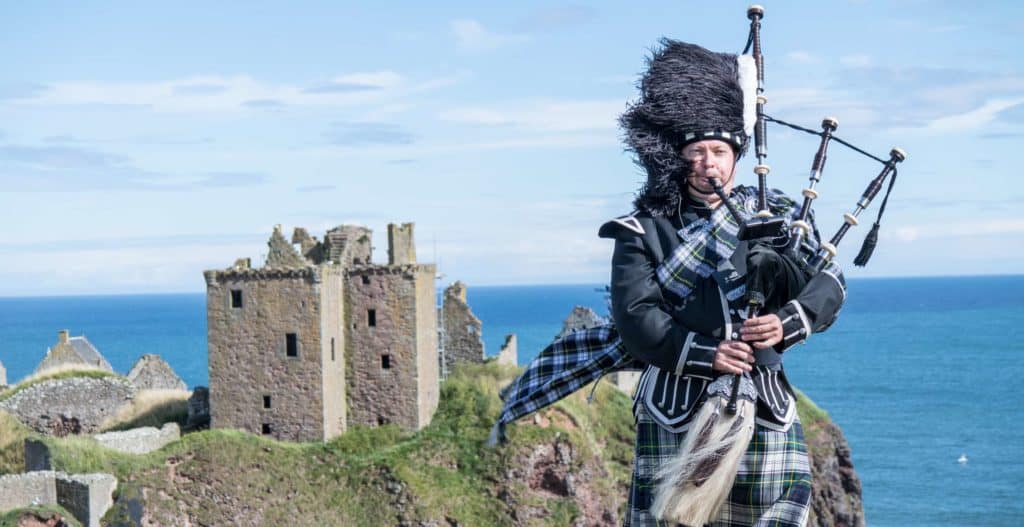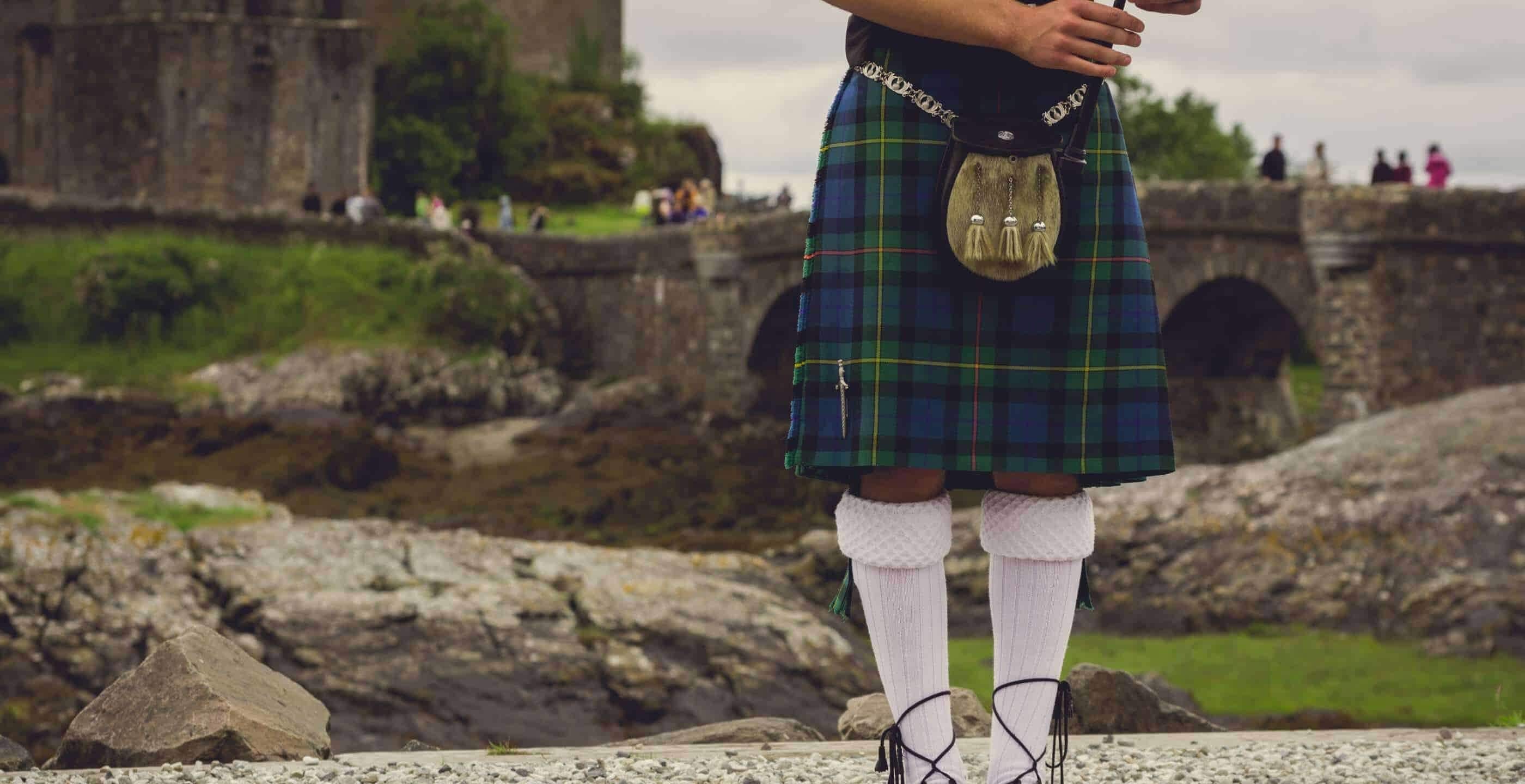


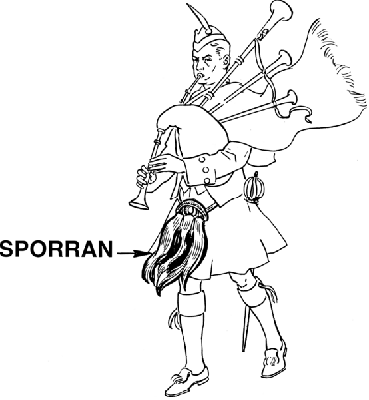
An essential piece of Highland dress to accompany a Scotsman’s kilt is the ornately decorated pouch that hangs down the front, commonly referred to as the sporran. But where did the sporran originate and what was its purpose?
As early as the twelfth century Highland warriors were described as being “bare-legged, with shaggy cloaks and a scrip [small bag] …” Such dress was, at that time, confined to the Highlands, as Scottish Lowlanders considered such apparel as barbarous, referring with contempt to their Highland kinsmen as “redshanks”!
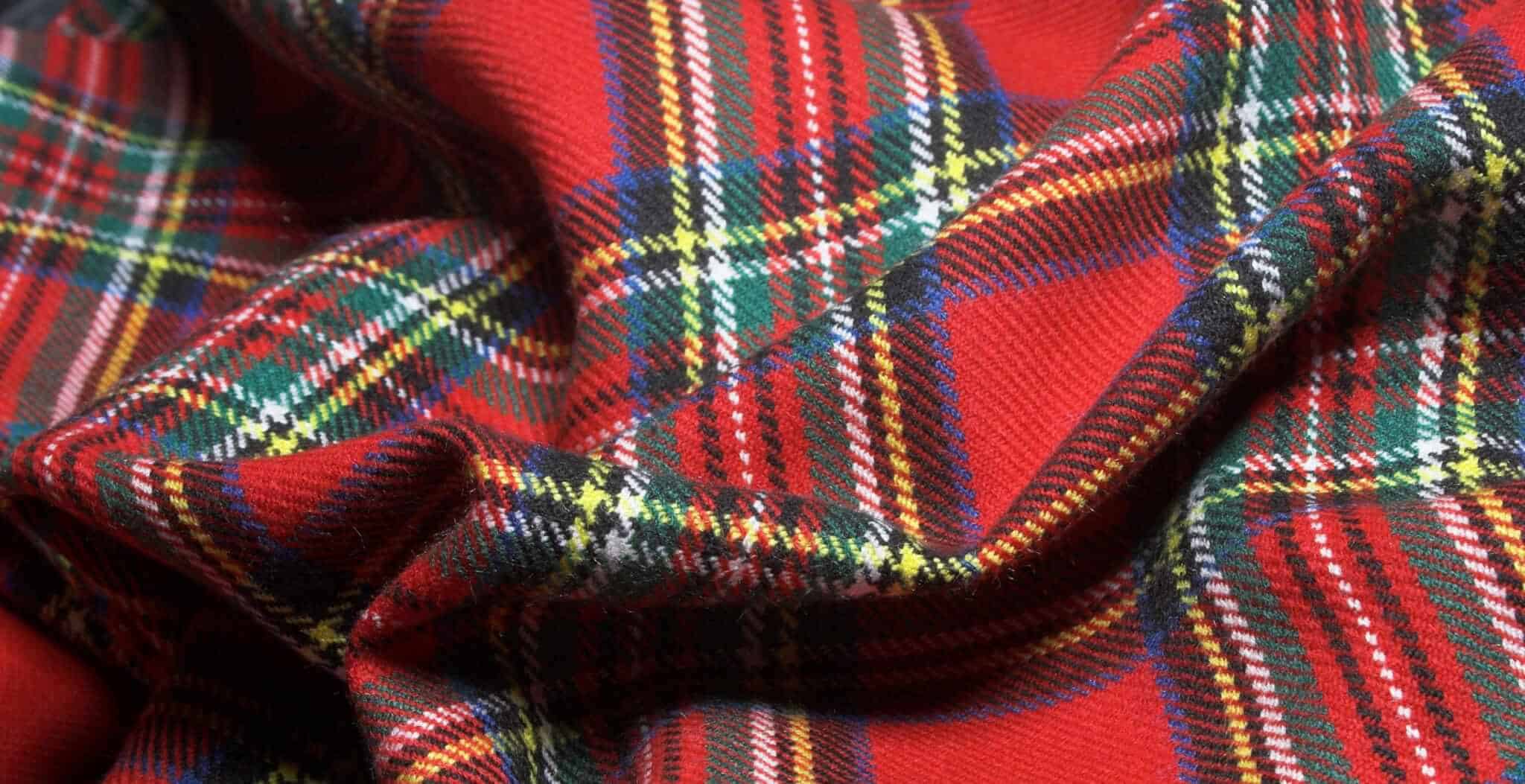
Kilts of that time were very basic garments that required no tailoring and comprised a single piece of tartan cloth some two yards in width by four or six yards in length. This was commonly referred to as the Breacan, the Feileadh Bhreacain and the Feileadh Mor – or as the English called it The Big Kilt. It fell down to the knees and was secured over the left shoulder with a brooch or pin and a tight belt gathered it all around the waist.
Such dress was ideally suited to the climate and terrain of the Highlands. It allowed freedom of movement, the tightly woven woollen cloth was warm and waterproof, unwrapped it could provide a voluminous cloak against the weather or a comfortable overnight blanket, it dried out quickly and with much less discomfort than trousers. But unlike trousers, the kilt could not provide pockets and so the sporran was born out of necessity. A survival of the medieval purse, the sporran was the Highlander’s pocket they didn’t have.
Early sporrans were made from leather or skin, both deerskin and calfskin proved particularly popular. They were simple in design and usually gathered at the top by basic drawstrings or by thongs with small tassels. The Highlanders of the Western Isles often wore cloth pouches known as trews.
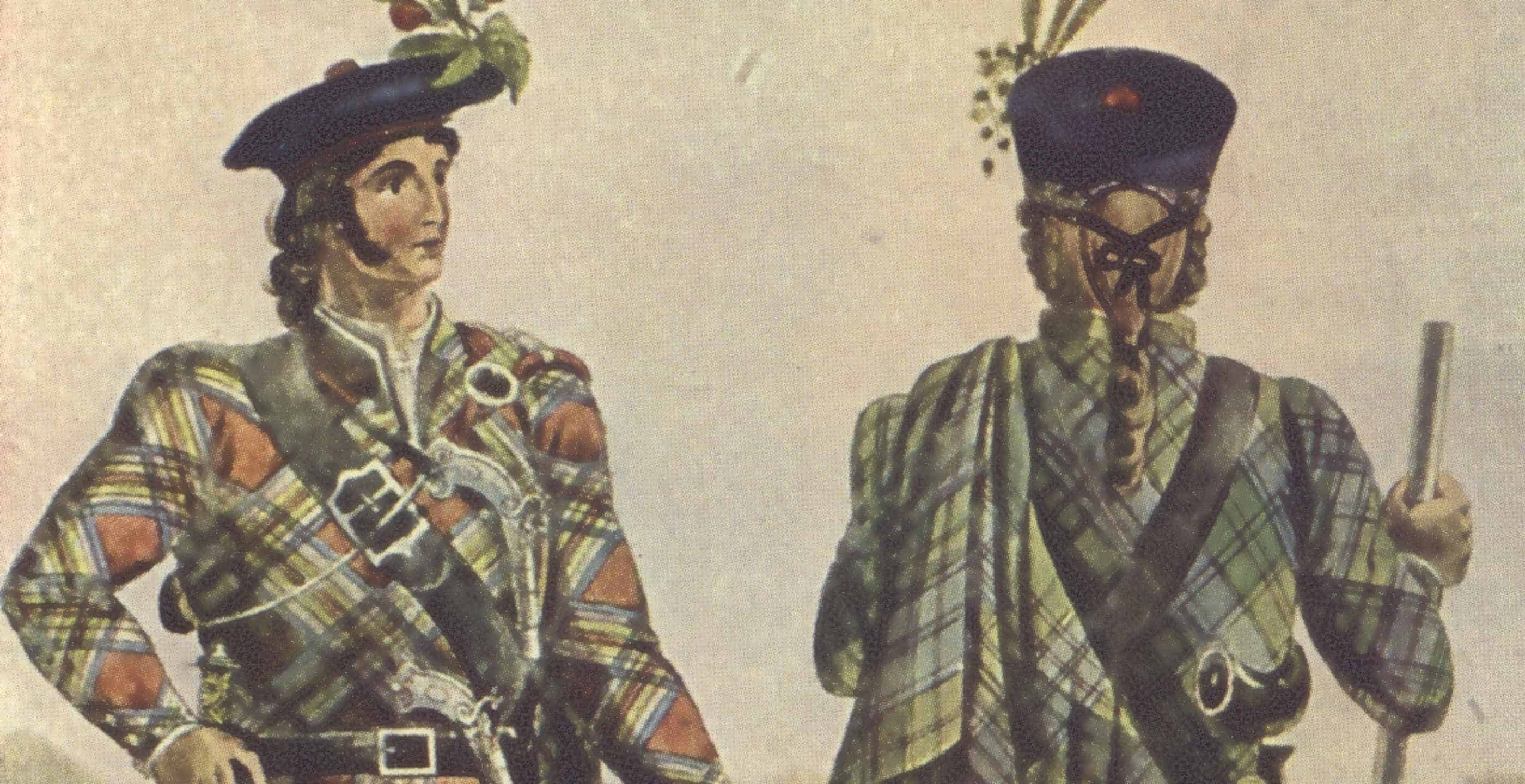
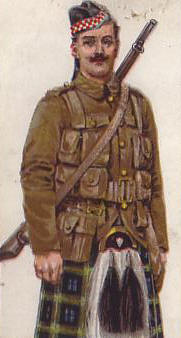 Original sporrans dating from the fourteenth century and onwards can be viewed at many Scottish museums. The history and evolution of the sporran can also be traced through early British military paintings and portraits of Highland soldiers; these later sporrans start to show more elaborate decoration.
From the late seventeenth century and early eighteenth century sporrans were generally fitted with metal clasps, usually made from brass, or for clan chiefs, occasionally silver. The elaborate metal workings of some of these clasps are indeed miniature works of art. The goat-haired, sporran molach or hairy sporran was introduced by the military in the eighteenth century. These sporrans often had flap-tops and large tassels and featured a variety of furs and hair such as fox and horse, or occasionally sealskin, all set off with a badger’s head.
But what is it that a Scotsman actually keeps in his sporran? Well, one sporran on display at the National Museum in Edinburgh features a clasp of brass and steel with four concealed pistols inside, the contraption being designed to be discharged should anybody attempt to open the locked purse, thus either killing or maiming the thief.
The modern sporran, or sporan – Gaelic, has evolved a long way from the doeskin bag containing ammunition or daily rations and many now feature stainless steel and even plastics! Despite modern enhancements however, sporrans retain their basic design principles and carry everything from car keys to mobile phones.