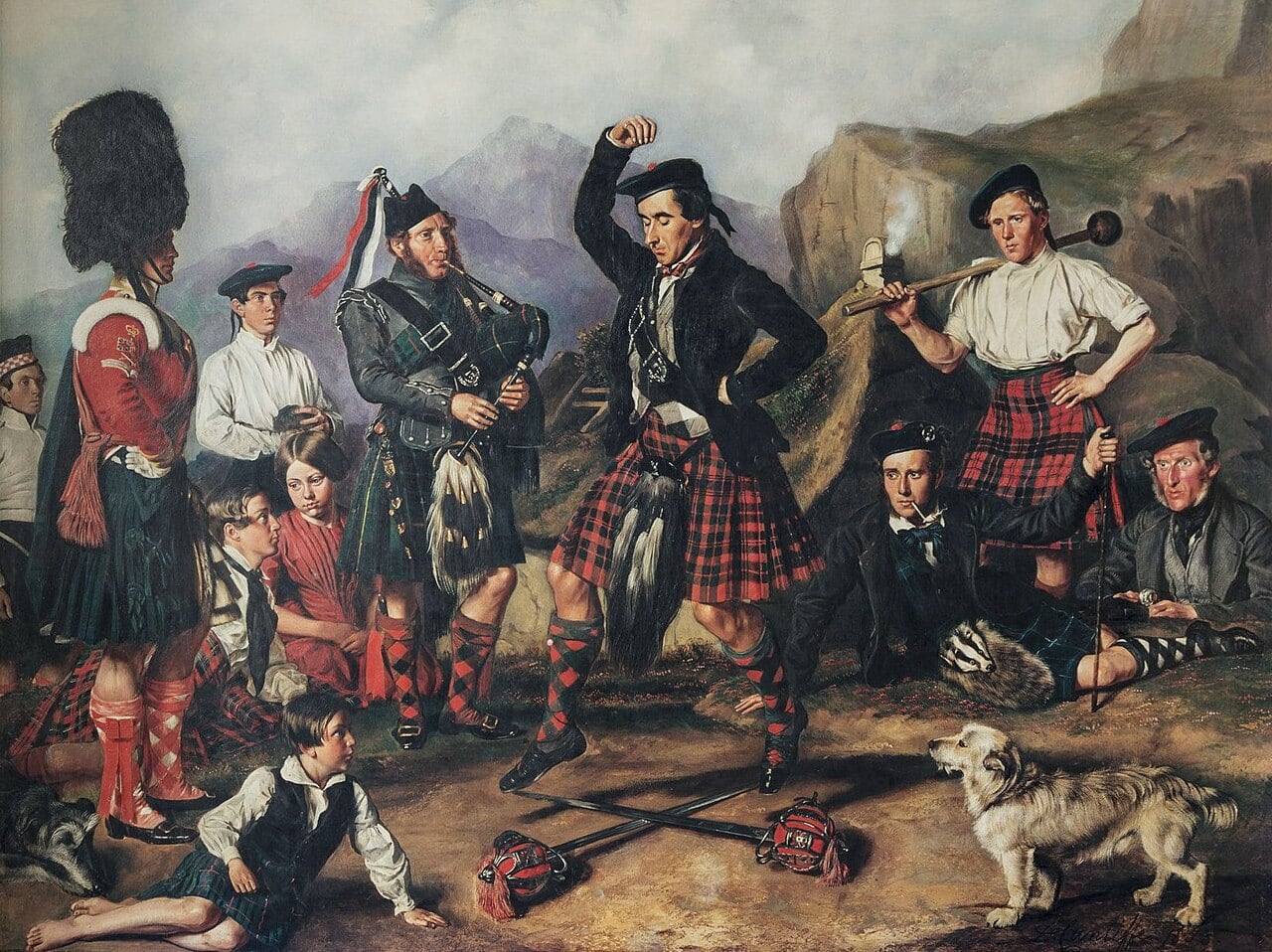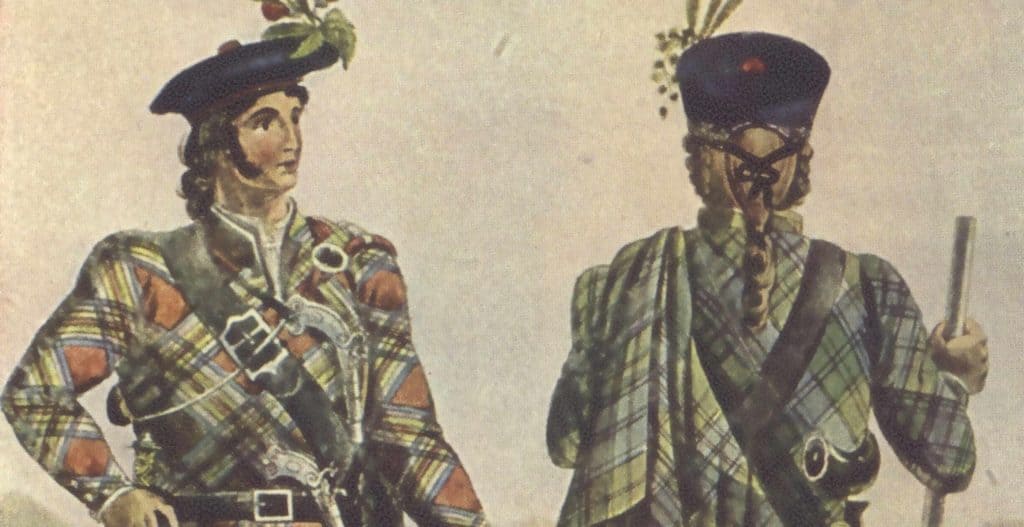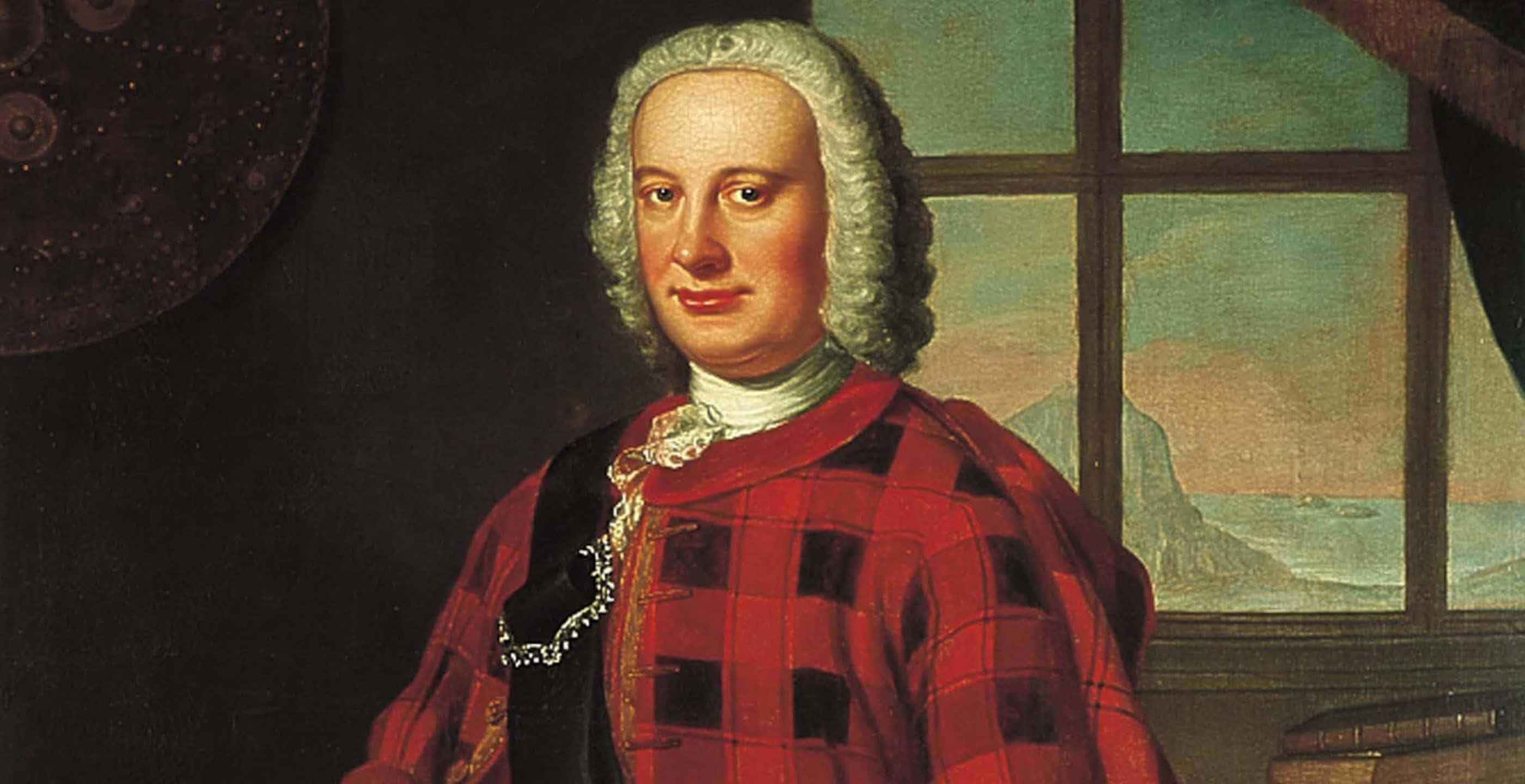


The word “clann” comes from the Gaelic and means children, and its members claimed kinship from the common ancestor whose name they bore, and even the poorest clansman considered themselves of nobler birth than any southerner.
In the 17th century the chief of the clan was both a gentleman and a barbarian. He held his territory by consent of the clan whose members were his tenants, and they gave their loyalty to the chief.
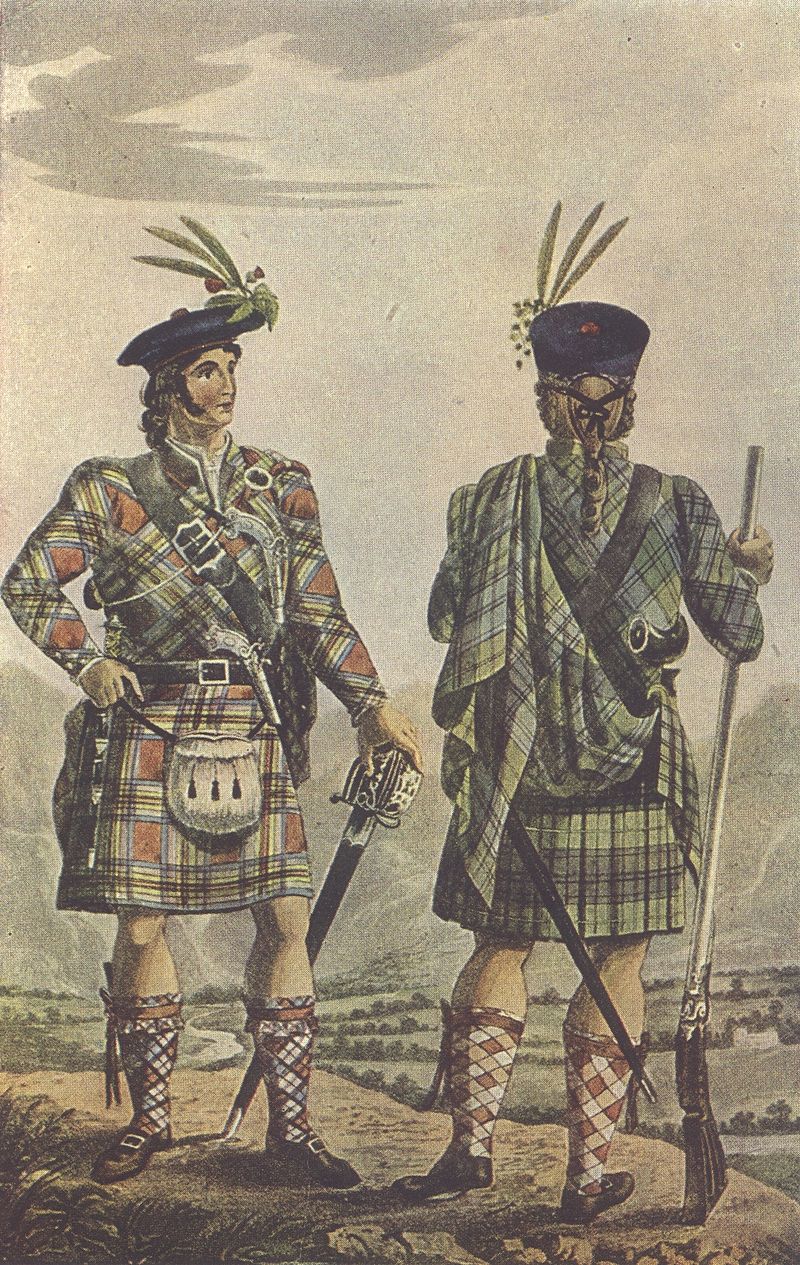
The clans were distinguished by the badges in their bonnets. The MacDonalds wore a sprig of heather, the Grants fir, and the Macintoshes wore holly.
For centuries the sovereign had no authority in the Highlands, and therefore, safe in their mountain fortresses, the clans escaped retribution. This kind of independence led to clan feuds and the consequences were often tragic. Stories abound of jealousies, atrocities, and endless raiding of cattle, goods and women!
The clan system was the basis of highland life. Massacres were commonplace but the one that took place at Glen Coe in 1692 will never be forgotten.
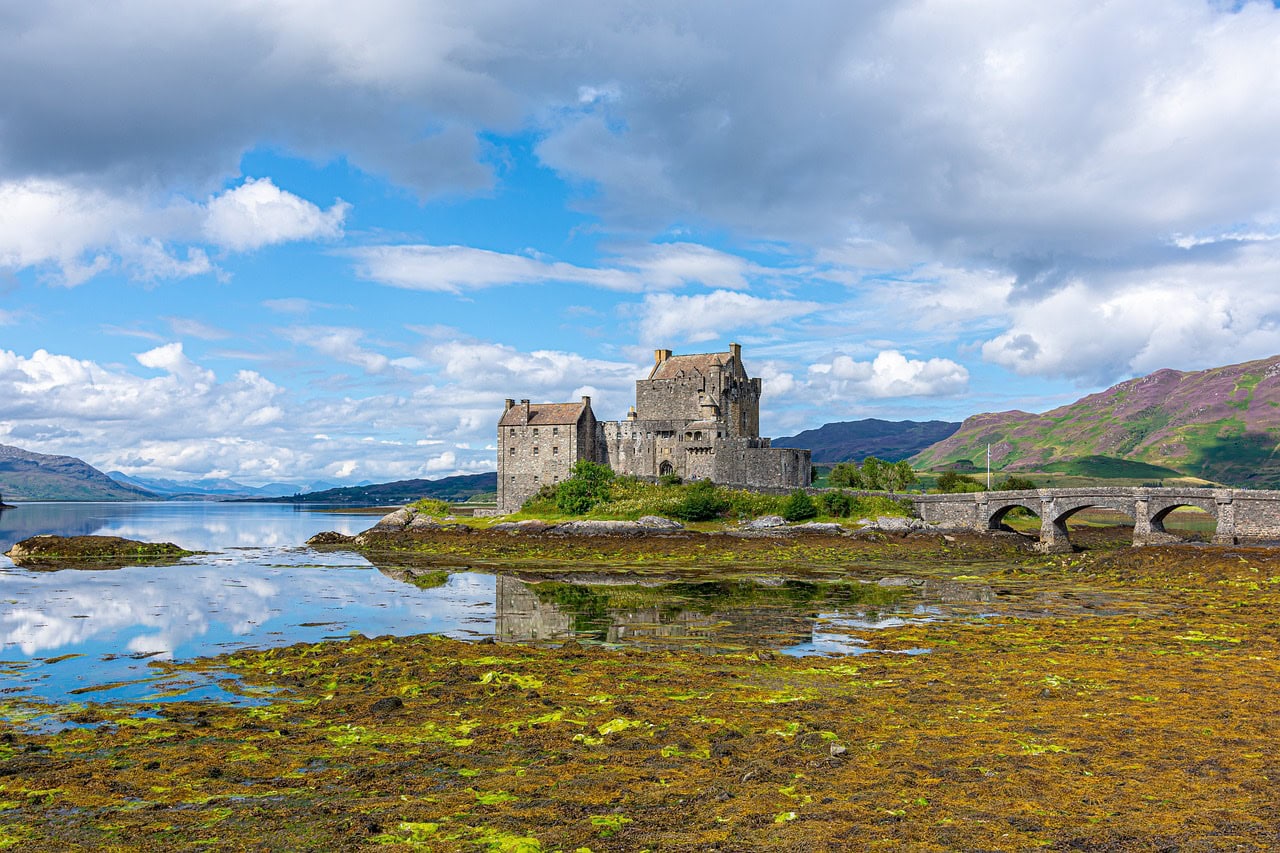
Glen Coe is a valley in the northern part of Bute in Strathclyde. Even today in winter Glen Coe is a bleak place, and it was here in February 1692 that 37 MacDonalds were murdered by their guests, a company of Campbell militia.
An order had gone out to the highland chiefs from King William III that they should take an oath of allegiance to him before 1 January 1692. MacDonald of Glencoe, by accident, came too late to take the oath to the King.
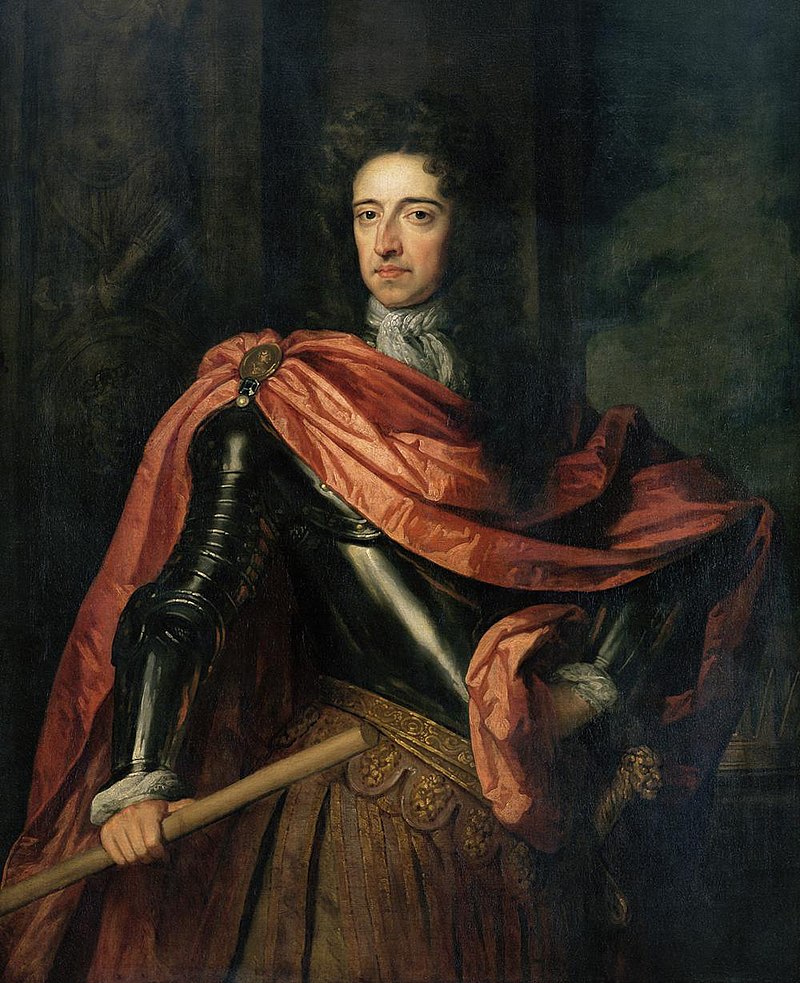
The King became angry and Sir Robert Dalrymple of Stair recommended to him that the MacDonalds should be wiped out for their disobedience. The King agreed.
The Campbells, the MacDonalds’ hereditary enemies, were approached and given the task, and told to ‘put all to the sword that were under 70’.
The Campbells were staying with the MacDonalds, and after a week of apparent friendship, at 5am the Campbells turned on their hosts and massacred them.
Some 37 MacDonalds perished, including the clan chief Alasdair MacDonald, known as MacIain. However, some of the clan managed to escape and report the massacre to the other clans.
To this day the 9 of diamonds in a pack of playing cards is known as the ‘Curse of Scotland’ because the pips on the card bear some resemblance to the arms of the Master of Stair (Robert Dalrymple) who, like William III, bore the greatest responsibility for the slaughter. A further reminder of the massacre, the old Clachaig Inn at Glen Coe still carries the sign on its door, ‘No Campbells’.
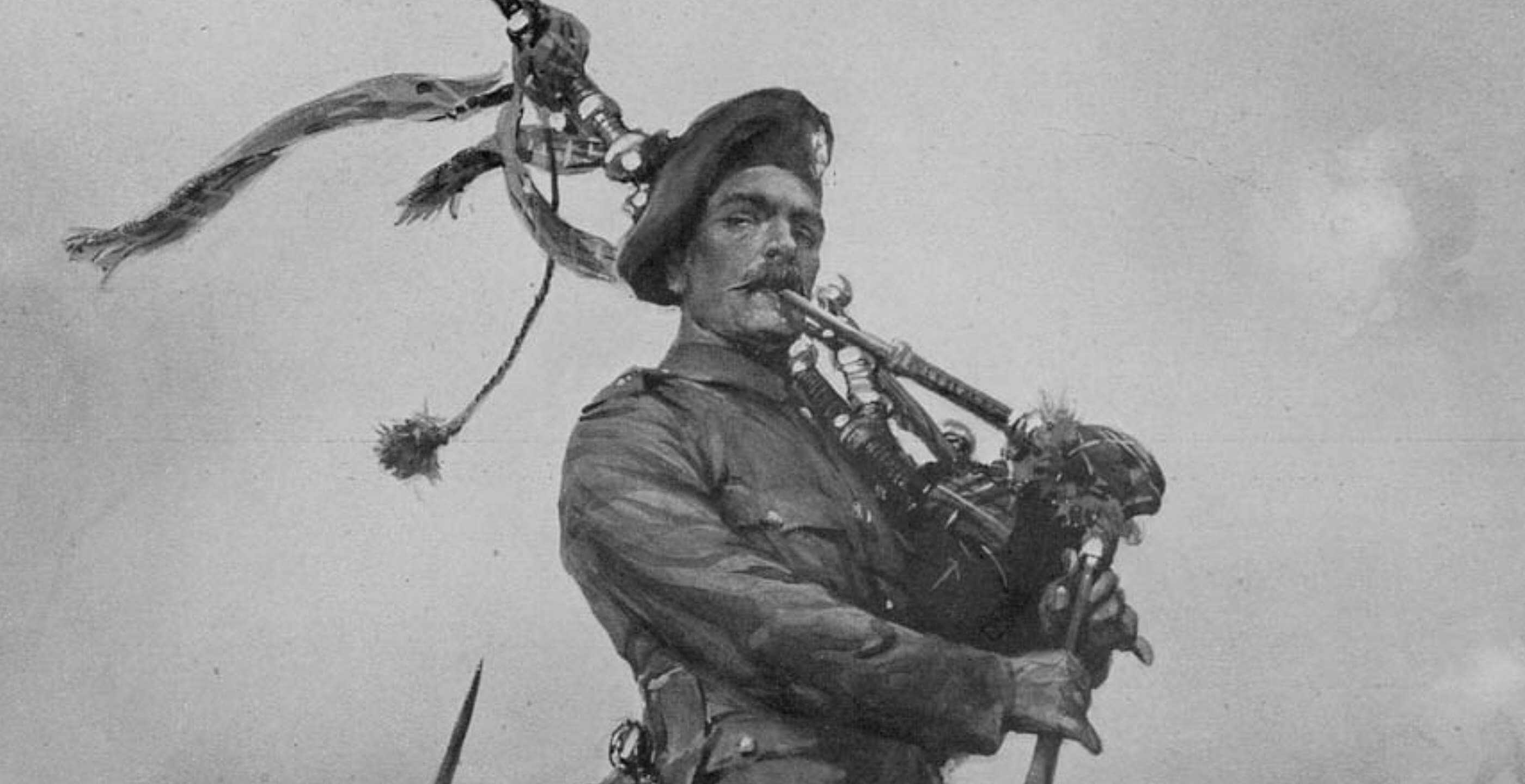
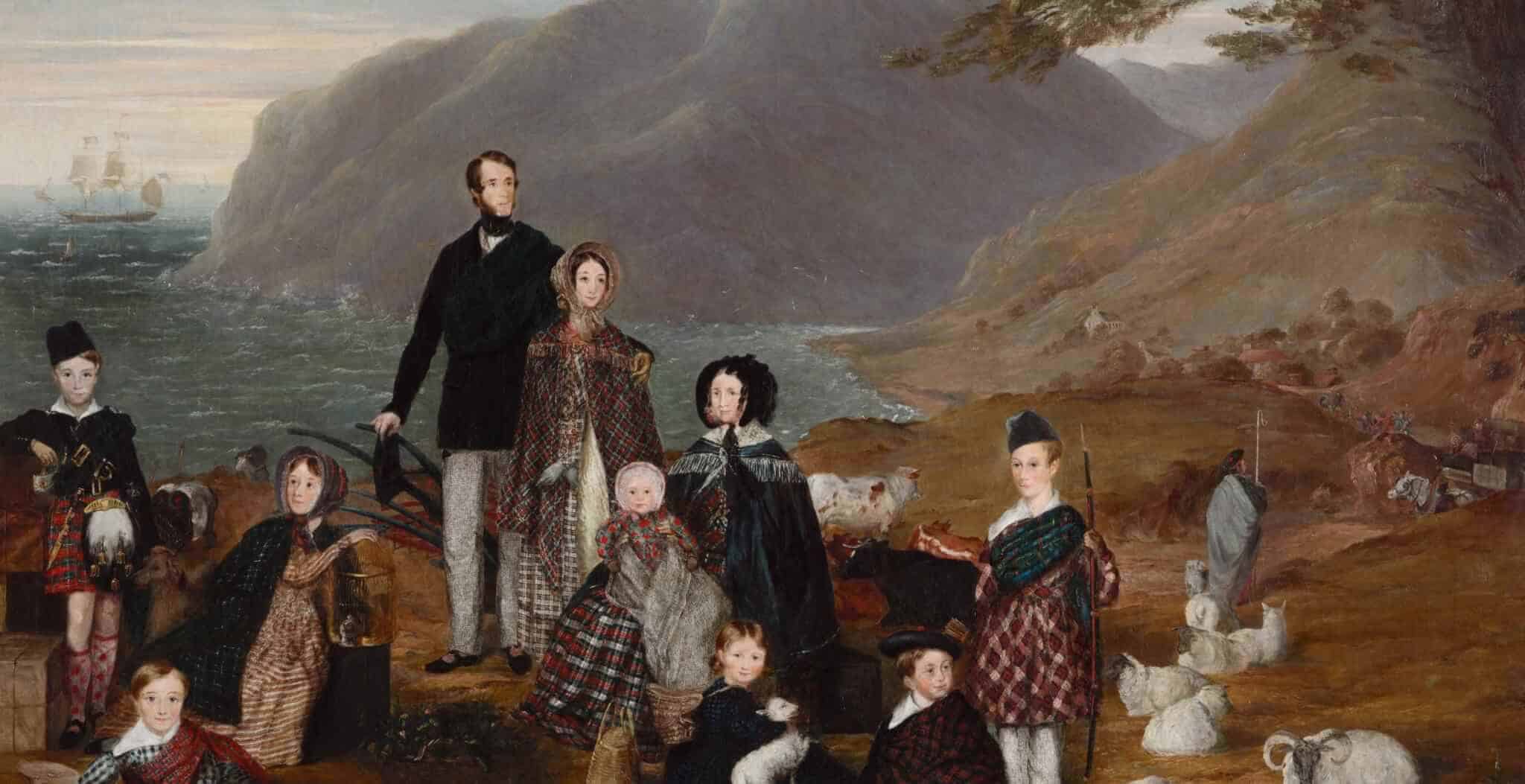
The clan system was already dying by the 18th century; it was extraordinary that this ‘tribal’ system had survived so long. The clans lived by the sword and perished by the sword, and the last feeble embers flickered out at the battle of Culloden in 1746.
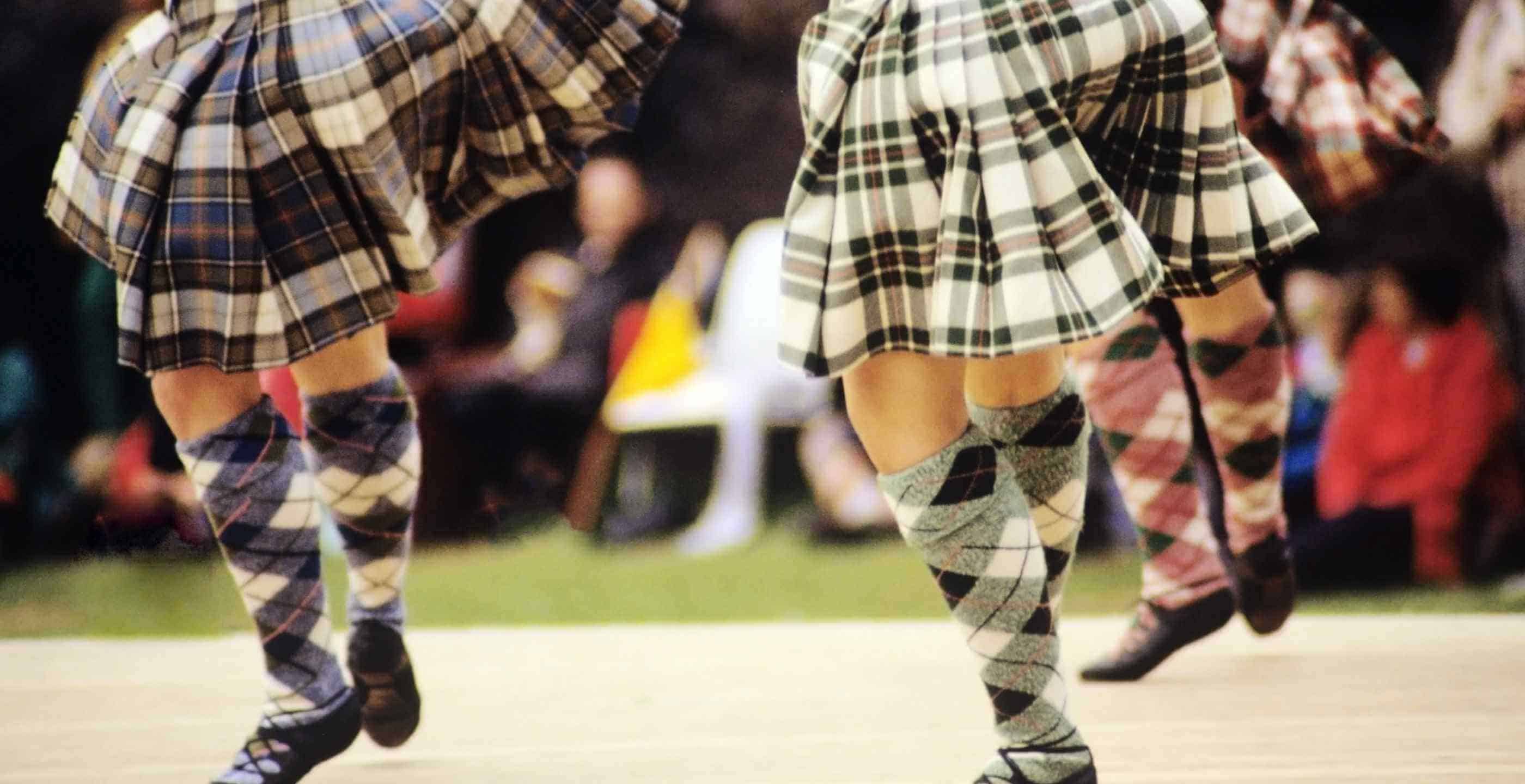
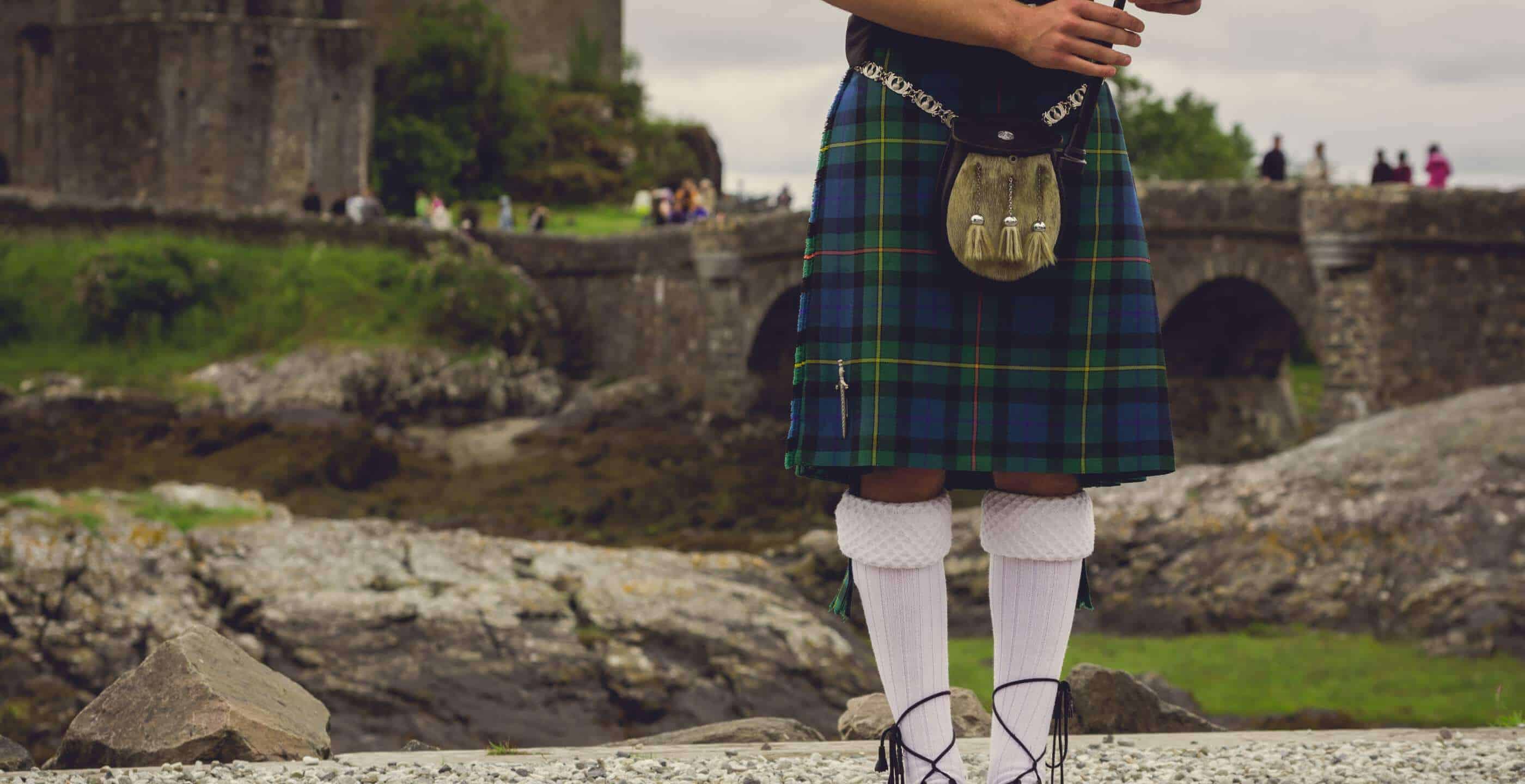
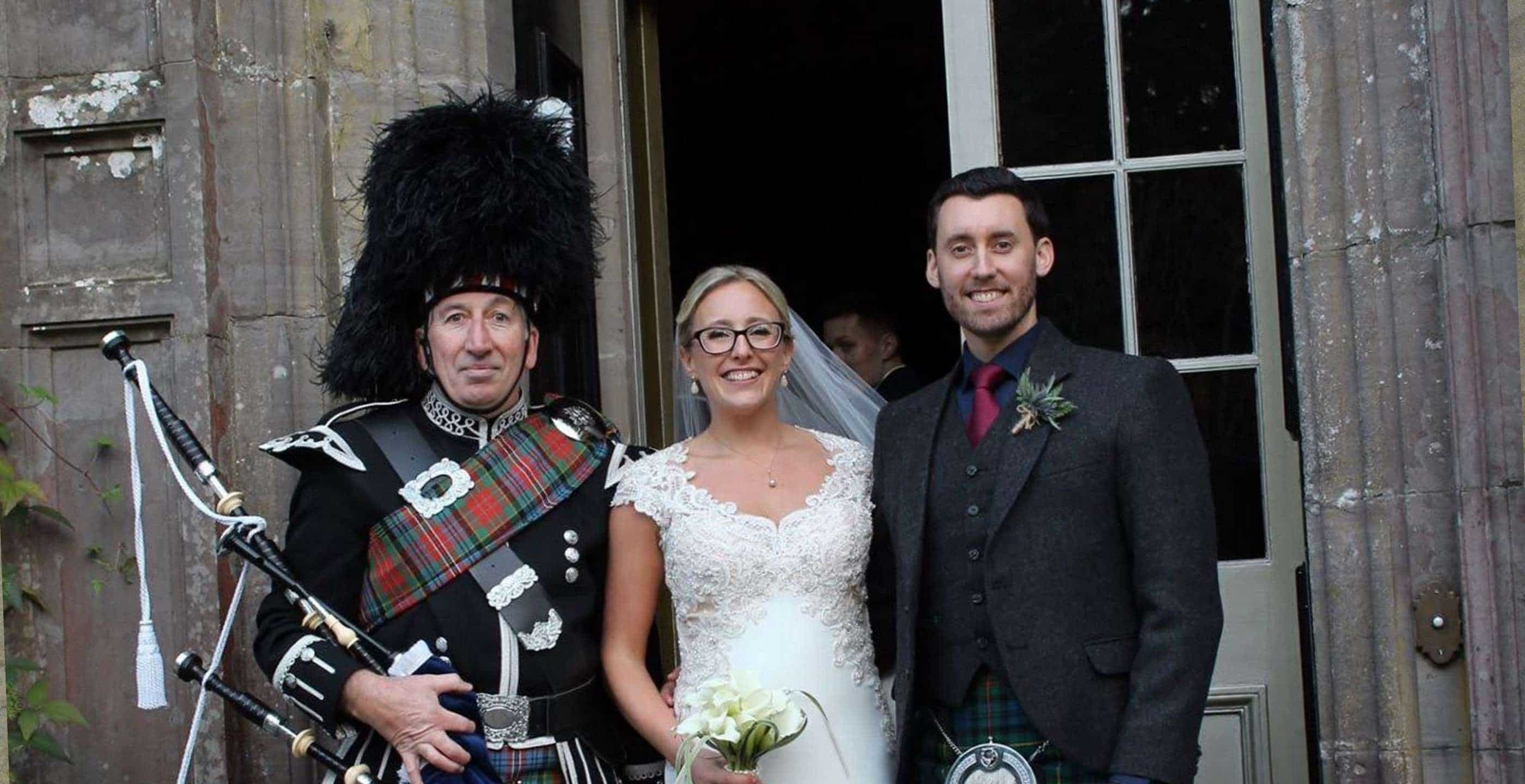
Even though the clan system has lost the power it had over the years, people still wear the tartan of their clan, usually either a tie or a kilt, to proclaim their pride in their ancestry and in a vanished world.