

If your surname is Armstrong, Maxwell, Johnston, Graham, Bell, Scott, Nixon, Kerr, Crozier or Robson then your family history, just like the astronaut Neil Armstrong’s, may very well be intertwined with the Border Reivers. And, if you do share one of these surnames, you may be advised not to read on…
The story of the Reivers dates from the 14th century and continued through into the late 17th century. It concerns the border between the two sovereign countries of England and Scotland. In those days, this Border displayed all of the characteristics of a frontier, lacking law and order. Cattle rustling, feuding, murder, arson and pillaging were all common occurrences.
It was a time when people owed their tribal or clan loyalty to their blood relatives or families. And it was common for these families to straddle the Border.
The Reivers were the product of the constant English-Scottish wars that would often reduce the Border area to a wasteland. The continuing threat of renewed conflict offered little incentive to arable farming. Why bother planting crops if they may be burned before they could be harvested?
The reiving (raiding or plundering) of livestock was however a totally different matter, and so it became the principal business of the Border families.
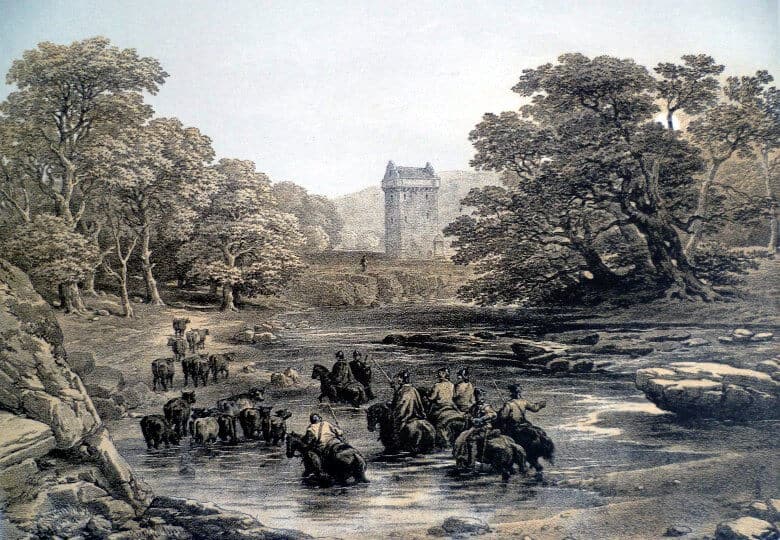
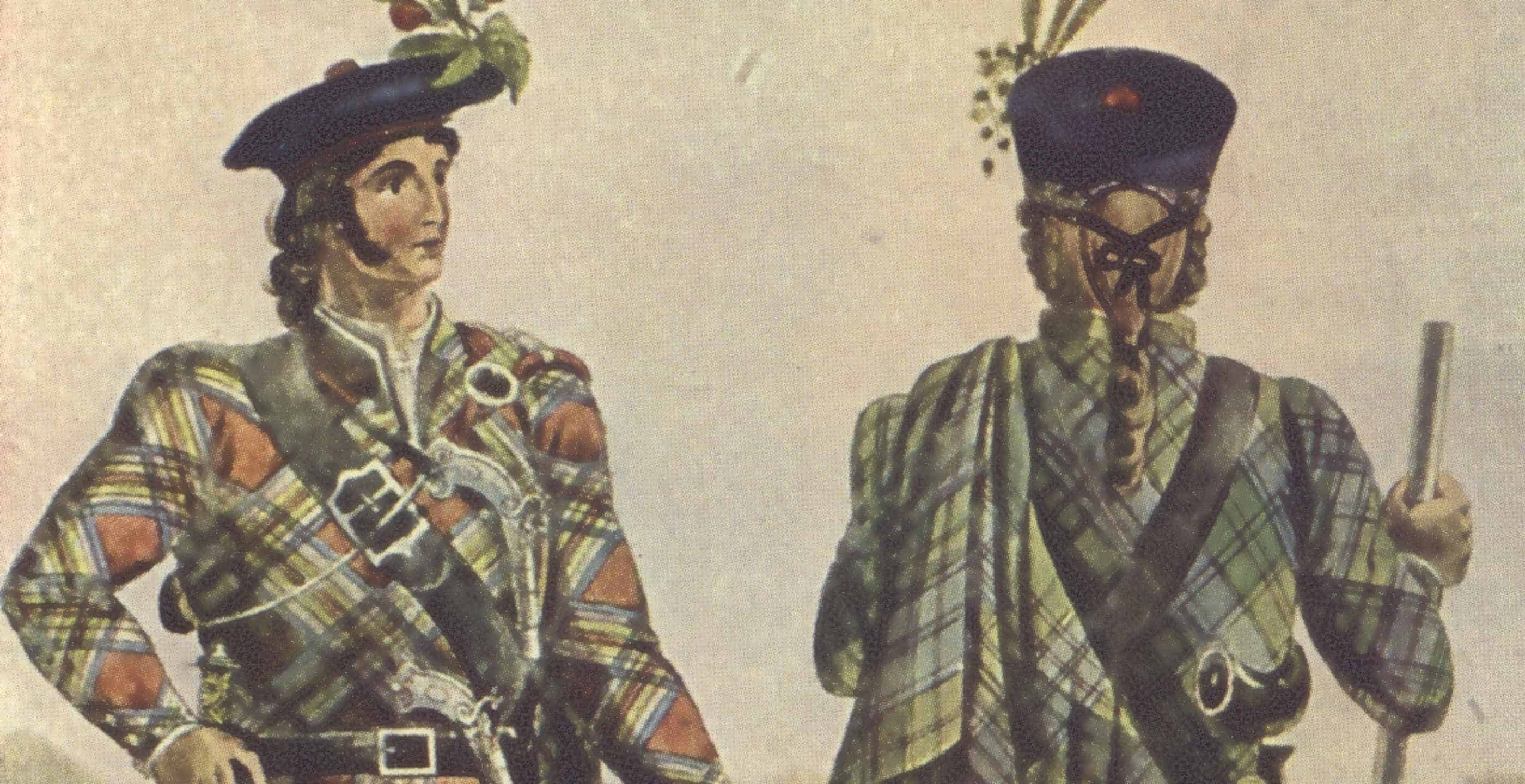
The Reiver came from every social class from labourer to peer of the realm. He was a skilled horseman and fine guerrilla soldier, practised in the fine arts of arson, kidnapping and extortion. There was no social stigma attached to reiving, it was simply an accepted way of life.
It is said that the wife of one famous Border Reiver demonstrated that her larder was empty by serving her husband his spurs on a plate instead of his dinner. The message was clear either mount up and go reiving, or go hungry.
Reiving was simply a way of earning a living. Scottish Reivers were just as likely to raid other Scots as to raid across the English Border. Scots and English would even join forces to raid on either side of the Border. The victims of reiving could be anyone from outside the immediate family.
Raids were planned like military operations and could involve gangs of armed men and last for days. More modest raids might involve no more than a short moonlit ride, a quick plunder from a small farm followed by a dash home for breakfast.
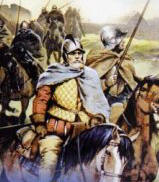 The Reiver rode a small sturdy pony known as a hobbler, which was noted for its ability to cover great distances over difficult ground at high speed. On his head the Reiver would typically wear a steel bonnet and a quilted jacket of stout leather sewn with plates of metal or horn to protect his body. Although the Reiver carried a variety of weapons including sword, dagger and axe, his preferred weapon was the ‘lang spear’ or Border lance.
The central governments of both England and Scotland attempted in vain to establish law and order across the Border, however a borderer would owe allegiance to England or Scotland only when it suited him or his family.
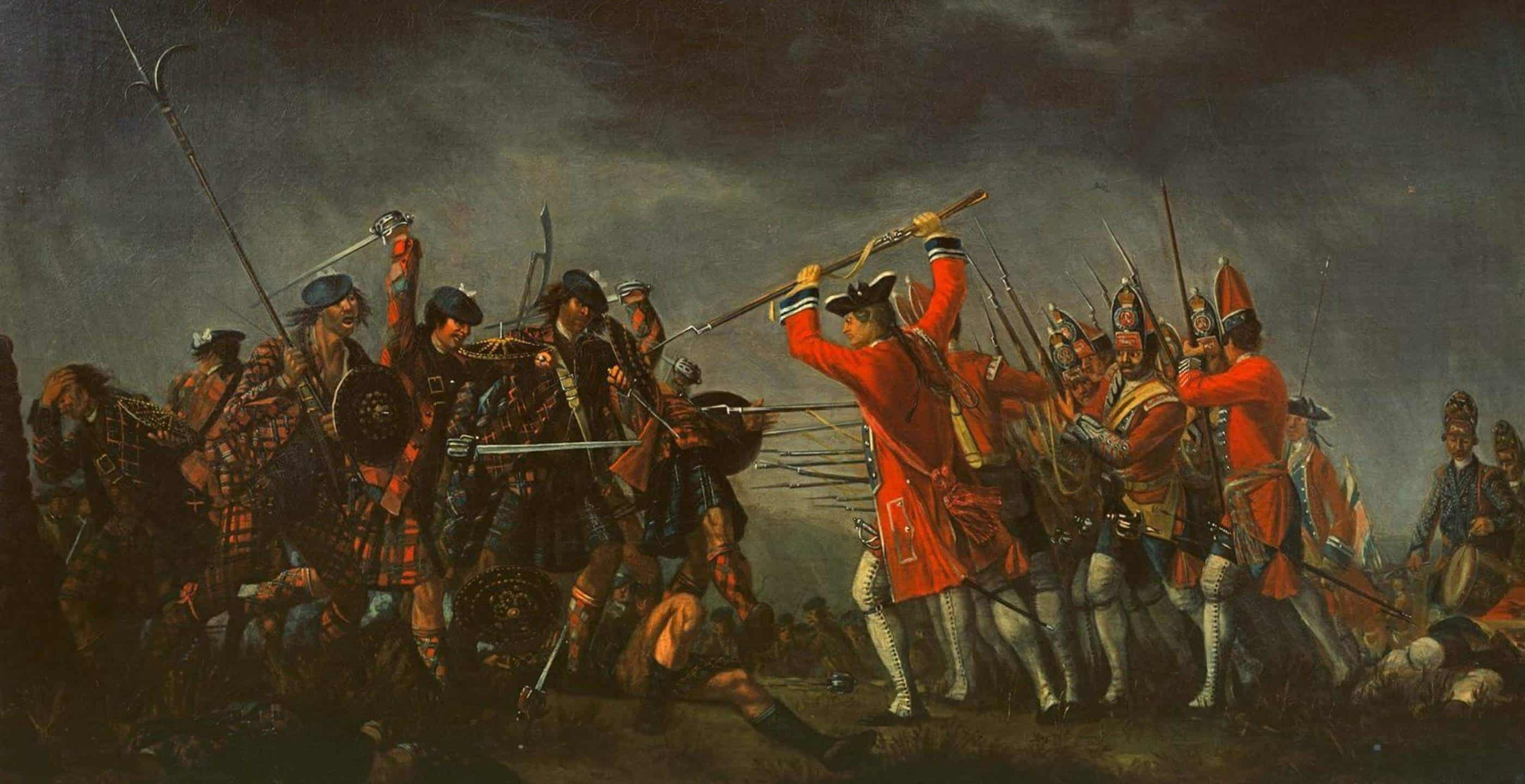
When England and Scotland were at war, it could become very much a Border affair with Reivers providing large numbers of cavalry. The battles of Otterburn (1388), Flodden Field (1513) and Solway Moss (1542) are all linked with the Reivers.
With the exception of the Scottish Highlands, the Borders were the last part of Britain to be brought under the rule of law.
It was only following the Union between England and Scotland in 1603 that a concerted effort was made by James I (VI of Scotland) to rid the Border of Reivers. However, between the death of Elizabeth I and the crowning of James I in March, several Scottish families launched massive raids into Cumbria, claiming to believe that when a monarch died the laws of the land were automatically suspended until the new king was proclaimed!
James I, who now ruled over a new kingdom called Great Britain, was furious with his Scottish subjects for relieving his new English subjects in Cumbria of some 1,280 cattle and 3,840 sheep and goats. James issued a proclamation against ‘all rebels and disorderly persons’.
James decreed that the Borders should be renamed ‘the Middle Shires’ and in 1605 he established a commission to bring law and order to the region. In the first year of the commission’s existence it executed 79 individuals and in the years which followed, scores more were hanged.


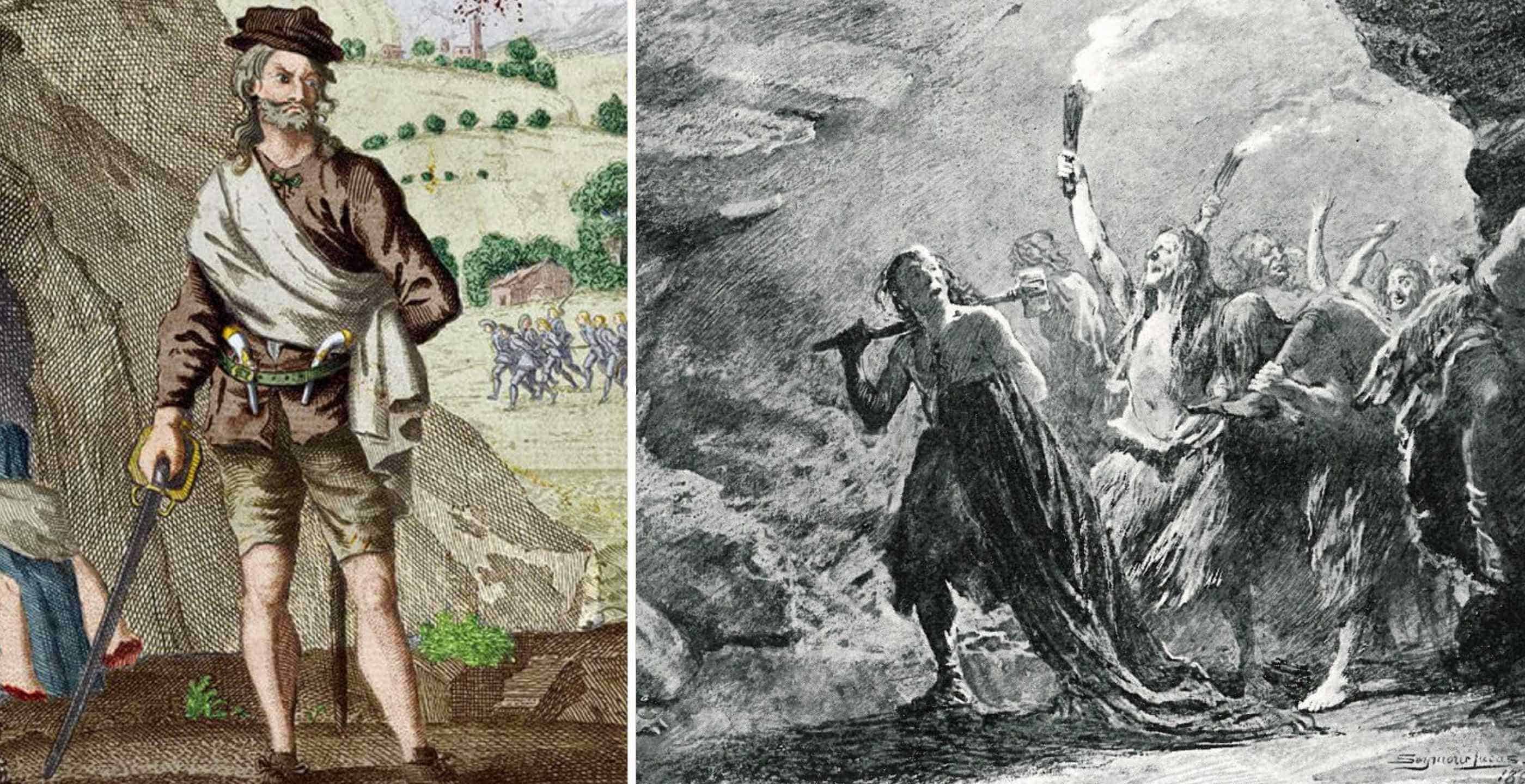
Other Reivers were encouraged to leave and serve as mercenaries in the armies of continental Europe. The Armstrongs and the Grahams were singled out for special treatment and were banished to Fermanagh in Ireland. Some continued as outlaws and became known as ‘Mosstroopers’.
By the early 1620’s peace had arrived in the Borders, possibly for the first time ever.
Some view the Border Reivers as loveable rogues, while others have compared them to the Mafia. Whatever your opinion their legacy remains in the fortified dwellings called pele towers, their ballads and their words now common in the English language such as “bereave” and “blackmail”: greenmail was the proper rent you paid, blackmail was “protection money”!
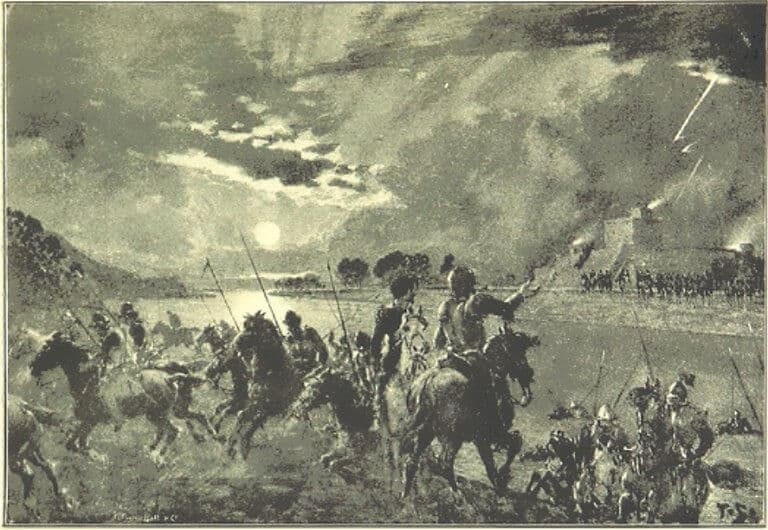
The rescue of Kinmont Willie Armstrong
Three of the most celebrated Reivers of all time were Kinmont Willie Armstrong, Wat Scott of Harden and Geordie Burn. The night before he was hanged in 1596, Geordie Burn admitted that ‘he had lain with above forty men’s wives… and that he had killed seven Englishmen with his own hand, cruelly murdering them; that he had spent his whole time in whoring, drinking, stealing and taking deep revenge for slight offences’.’
Kinmont Willie prided himself on his large scale raids, targeting whole areas rather than individual farms or villages. He would ride at the head of some 300 Reivers, known as ‘Kinmont’s bairns’. One of the most famous incidents in Border history involves the rescue of Kinmont Willie from Carlisle Castle on 13 April 1596.
On 17 March 1596, a truce-day was held in the Borders, so that Scots and English could meet to negotiate deals and treaties. On the Scottish side was one William Armstrong of Kinmont or ‘Kinmont Willie’ – perhaps the most notorious of all the Border Reivers.
 As Willie was riding home to his tower at Morton Rigg, just north of Carlisle, a band of Englishmen broke the truce and apprehended him. Kinmont Willie was escorted to Carlisle in chains.
Willie had been a prisoner of the English for almost a month when the Keeper of Liddesdale, Scott of Buccleuch, decided to launch a rescue attempt. ‘Bold Buccleugh’ and his party of about eighty men entered the castle on Sunday 13 April and rescued Willie from the English, who were under the command of Sir Thomas Scrope, 10th Lord Scrope of Bolton Knight of the Garter (pictured left). Buccleugh had bribed a member of the garrison to leave a door unbarred.
Together Buccleugh and Willie made good their escape with Scrope in hot pursuit. Scrope was so angered by the audacity of the rescue that he vented his anger by burning the towns of Annan and Dumfries to the ground, capturing two hundred prisoners whom he marched home ‘naked, chained together on leashes’. This caused a major diplomatic incident, Queen Elizabeth was furious with Scrope.
It was also said that north of the Border, James VI of Scotland was so terrified that Buccleugh had ruined his chances of succeeding Elizabeth on the throne of England that he ordered Buccleugh to hand himself over to the English.
And as for wiley Willie, he was never apprehended again and is said to have died of old age in his bed. The tale of his escape recorded forever in the Ballad of Kinmont Willie:
Ballad of Kinmont Willie
O hae ye no heard o’ the fause Sakelde?
O hae ye no heard o’ the keen Lord Scroope?
How they hae ta’en bauld Kinmont Willie,
On Haribee to hang him up?
Had Willie had but twenty men,
But twenty men as stout as he,
Fause Sakelde would never the Kinmont ta’en,
Wi’ eight score in his company.
They band his legs beneath the steed,
They tied his hands behind his back.
They guarded him, fivesome on either side,
And they led him through the Liddel-rack.
They led him through the Liddel-rack,
And also through the Carlisle sands;
They took him tae Carlisle Castle,
To be at my Lord Scroope’s commands.
“My hands are tied, but my tongue is free,
And whae will dare this deed avow?
Or answer by the Border law?
Or answer tae the bauld Buccleuch?”
“Now haud thy tongue, thou rank reiver.
There’s never a Scot shall set thee free:
Before ye cross my castle gate,
I trow ye shall take farewell of me.”
Now word has gane tae the bauld keeper,
In Branksome Ha’, where that he lay,
That Lord Scroope has ta’en the Kinmont Willie,
Between the hours of night and day.
And here detained him, Kinmont Willie,
Against the truce of Border tide.
And forgotten that the bauld Buccleuch
Is keeper on the Scottish side?
“Had there been war between the lands,
As well I wot that there is nane,
I would slight Carlisle Castle high,
Though it were built of marble stane.”
“I would set that castle in a lowe,
And sloken it wi’ English blood.
There’s never a man in Cumberland,
What kent where Carlisle castle stood.”
“But since nae war’s between the lands,
And here is peace, and peace should be;
I will neither harm English lad or lass,
And yet the Kinmont shall be free.”
And as we crossed the Debatable land,
And tae the English side we held,
The first of men that we met wi’,
Whae should it be but fause Sakelde?
“Where ye be gaun, ye broken men?”
Quo’ fause Sakelde; “Come tell to me?”
Now Dickie o’ Dryhope led that band,
And there never a word of lear has he.
And as we left the Staneshaw-bank,
The wind began full loud tae blaw;
But ’twas wind and weet, and fire and sleet,
When we came beneath the castle wa’.
They thought King James and a’ his men
Had won the house wi’ bow and spear;
It was but twenty Scots and ten,
That put a thousand in sic a steir!
And as we reached the lower prison,
Where Kinmont Willie he did lie,
“O sleep ye, wake ye, Kinmont Willie,
Upon the morn that thou’s to die?”
Then shoulder high, with shout and cry,
We bore him doon the ladder lang;
At every stride Red Rowan made,
I wot the Kinmont’s airns play’d clang!
He turn’d him on the other side,
And at Lord Scroope his glove flung he.
“If ye na like my visit in merry England,
In fair Scotland come and visit me!”
All sair astonished stood Lord Scroope,
He stood as still as rock of stane;
He scarcely dared tae trew his eyes,
When through the water they had gane.
“He is either himsel’ a devil frae hell,
Or else his mother a witch maun be;
I wadna hae ridden that wan water,
For a’ the gowd in Christendie.”