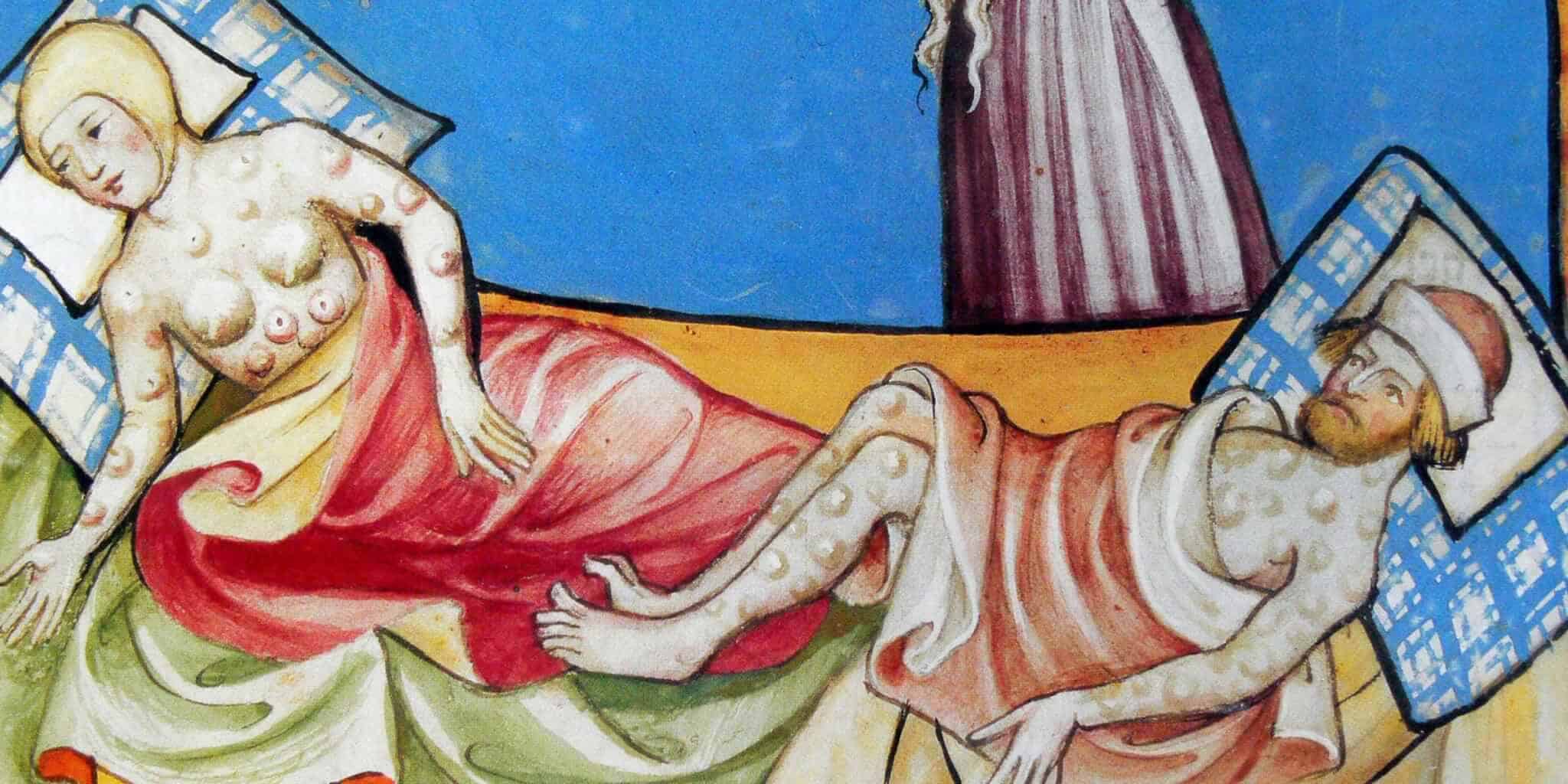


In 1381, some 35 years after the Black Death had swept through Europe decimating over one third of the population, there was a shortage of people left to work the land. Recognising the power of ‘supply and demand’, the remaining peasants began to re-evaluate their worth and subsequently demanded higher wages and better working conditions.
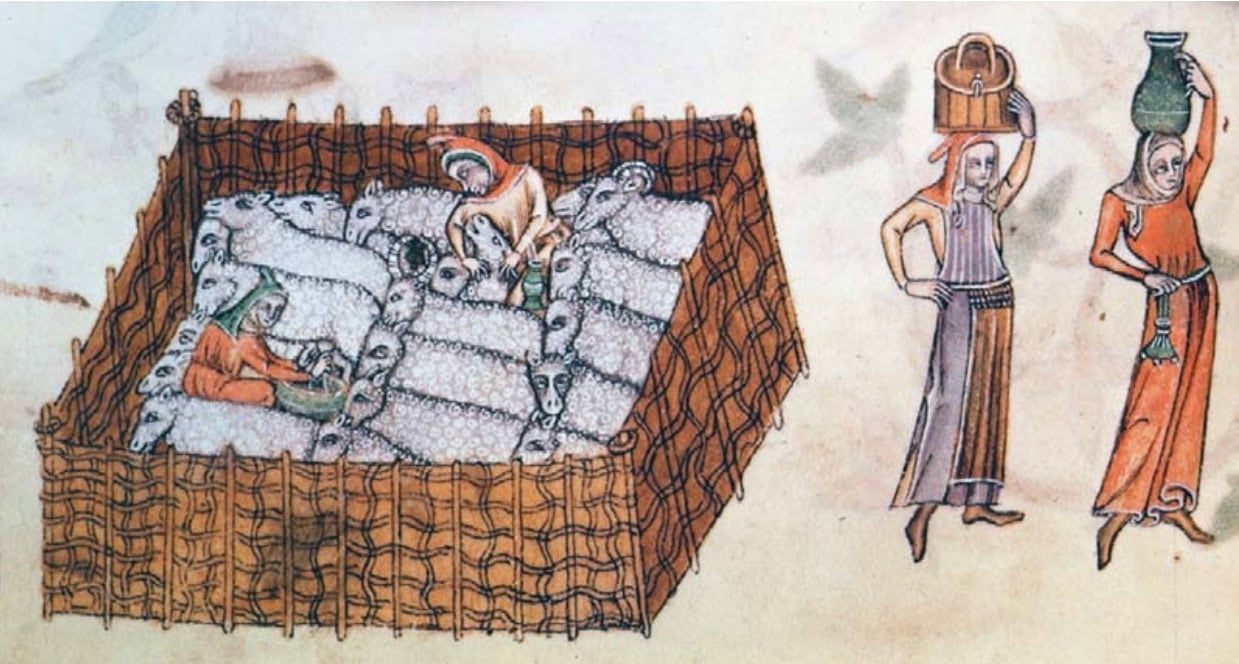
Not surprisingly the government of the day, comprising mainly of the land-owning Bishops and Lords, passed a law to limit any such wage rise. In addition to this, extra revenue was required to support a long and drawn out war with the French, and so a poll tax was introduced.
It was the third time in four years that such a tax had been applied. This crippling tax meant that everyone over the age of 15 had to pay one shilling. Perhaps not a great deal of money to a Lord or a Bishop, but a significant amount to the average farm labourer! And if they could not pay in cash, they could pay in kind, such as seeds, tools etc. All of which could be vital to the survival of a farmer and his family for the coming year.
Things appear to have come to a head when in May 1381 a tax collector arrived in the Essex village of Fobbing to find out why the people there had not paid their poll tax. The villagers appear to have taken exception to his enquiries and promptly threw him out.
The following month, the 15-year-old King Richard II sent in his soldiers to re-establish law and order. But the villagers of Fobbing meted out the same unceremonious treatment to them.
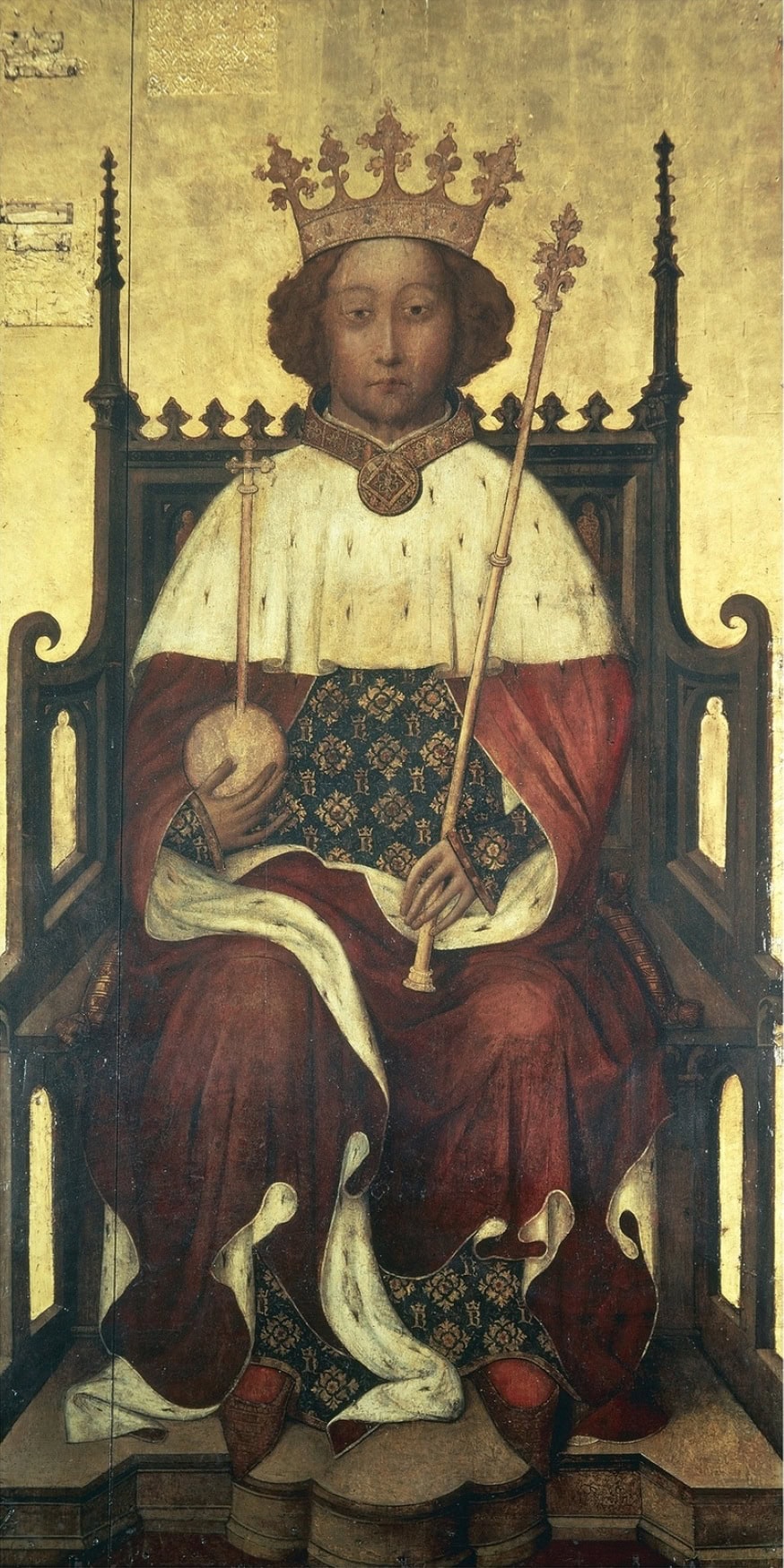
Joined by other villagers from all corners of the southeast of England, the peasants decided to march on London in order to plead their case for a better deal before their young king. Not that the peasants blamed Richard for their problems, their anger was aimed instead at his advisors – Simon Sudbury, the Archbishop of Canterbury, and John of Gaunt, the Duke of Lancaster, whom they believed to be corrupt.
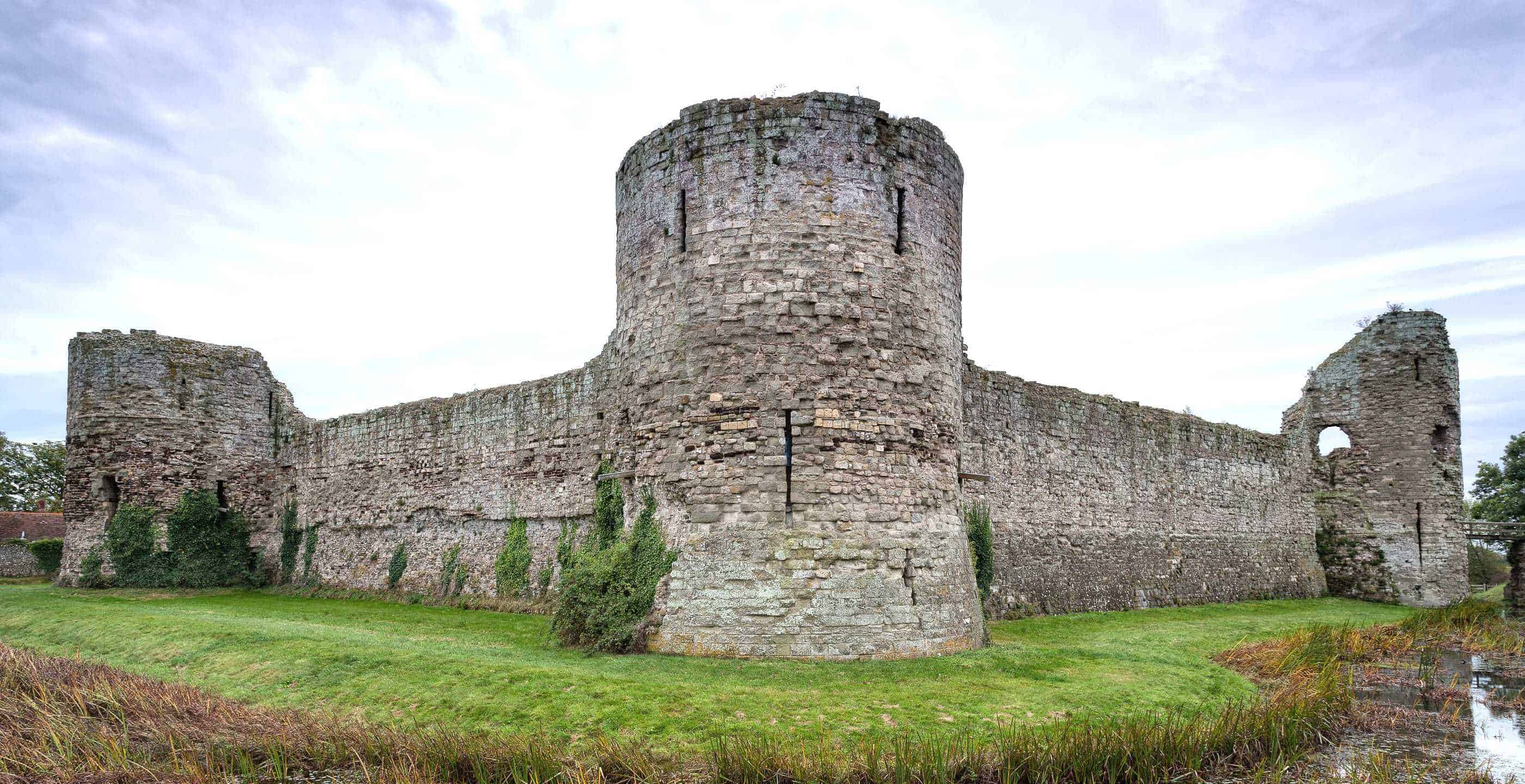
In what appears to have been a well organized and coordinated popular uprising, the peasants set off for London on the 2nd June in a sort of pincer movement. The villagers from the north of the Thames, primarily from Essex, Norfolk and Suffolk, converged on London via Chelmsford. Those from the south of the Thames, comprising mainly of Kentish folk, first attacked Rochester Castle and then Sudbury’s Canterbury, before setting off for Blackheath on the outskirts of London.
More than 60,000 people are reported to have been involved in the revolt, and not all of them were peasants: soldiers and tradesmen as well as some disillusioned churchmen, including one Peasant leader known as ‘the mad priest of Kent’, John Ball.

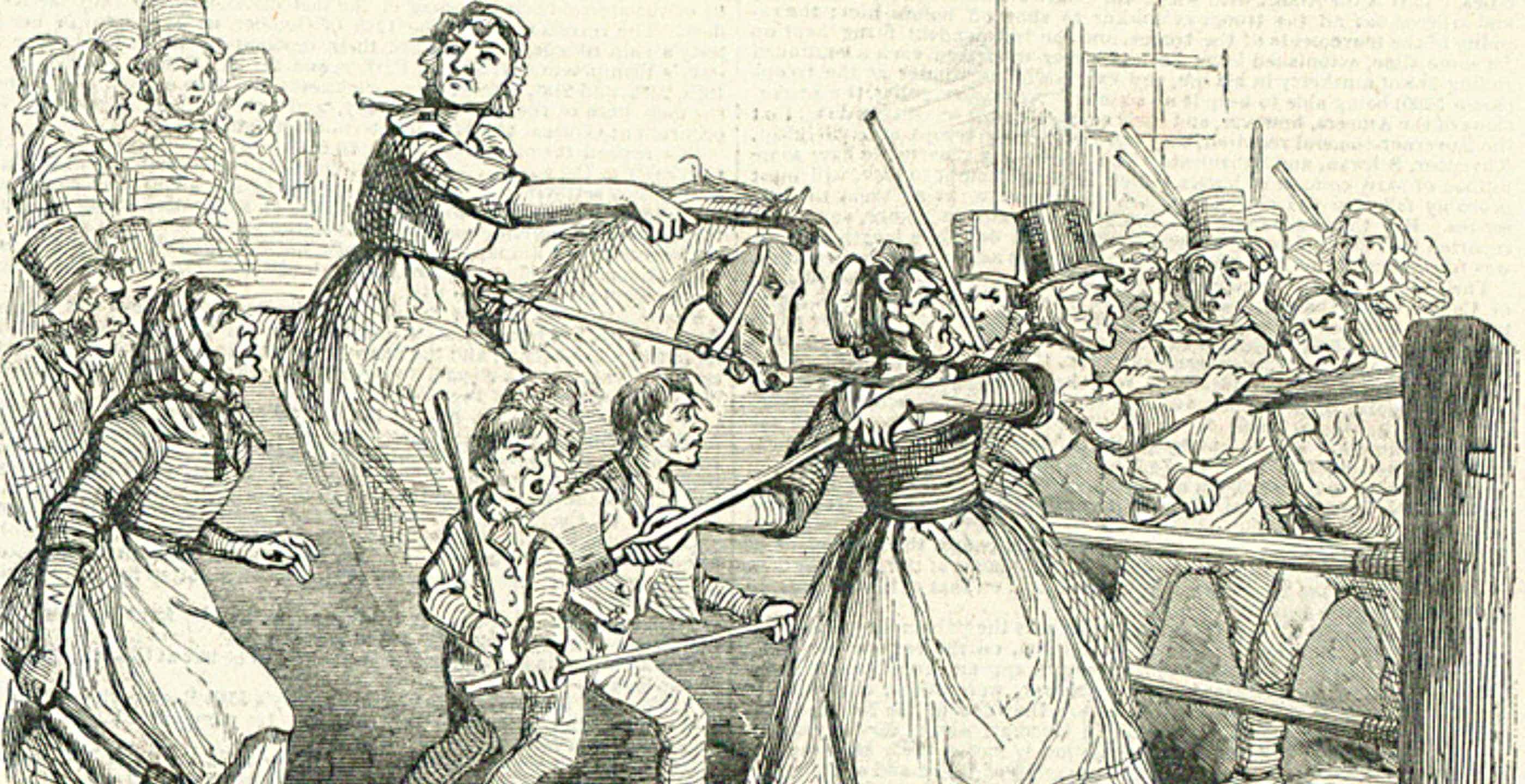
As the peasants moved on to London, they destroyed tax records and registers, and removed the heads from several tax officials who objected to them doing so. Buildings which housed government records were burned down. It was during the march one man emerged as their natural leader – Wat Tyler (Walter the Tyler) from Kent.
The rebels entered London (as some of the locals had kindly left the city gates open to them!) and somehow the Savoy Palace of the unpopular John of Gaunt got a little scorched in the process, with much of the palace’s contents being deposited in the nearby Thames.
With all of the temptations of the ‘big city’ on offer however, Wat Tyler seems to have lost control of some of his ‘pleasure seeking’ peasants. With some falling foul to the power of the demon drink, looting and murder are reported to have taken place. In particular however, the peasants targeted their hatred at the lawyers and priests of the city.
In an attempt to prevent further trouble, the king agreed to meet the Wat Tyler at Mile End on 14th June. At this meeting, Richard II gave into all of the peasants demands and asked that they go home in peace. Satisfied with the outcome – a promised end to serfdom and feudalism – many did start the journey home.
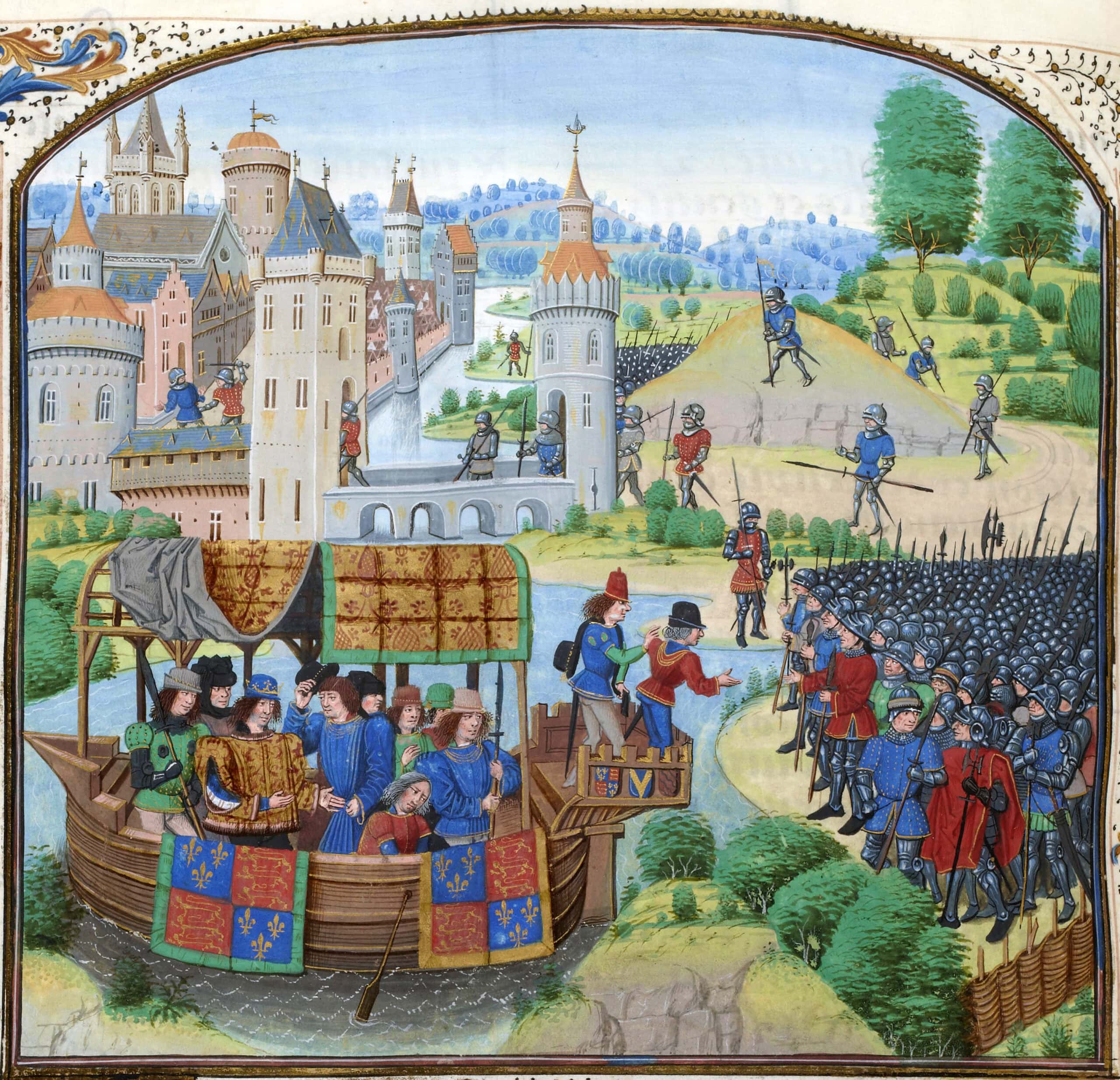
Whilst this meeting was taking place however, some of the rebels marched on the Tower of London and murdered Simon Sudbury, the Archbishop of Canterbury and Robert Hales, the Treasurer – their heads were cut off on Tower Hill. With his armies spread throughout France, Scotland and Wales, King Richard II spent the night in hiding, fearing for his life.
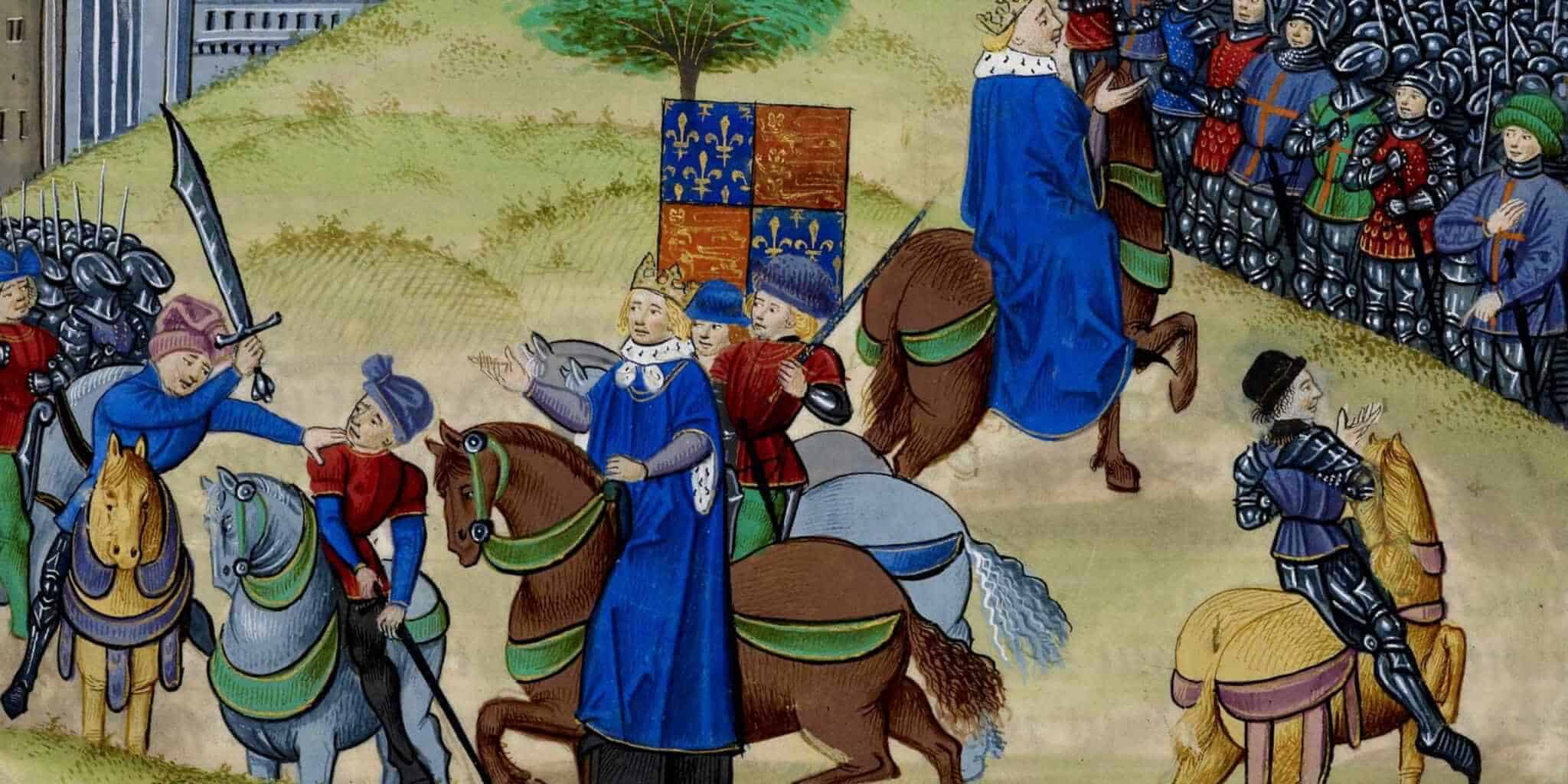
The next day Richard met Wat Tyler and his hardcore of Kentish rebels again, this time at Smithfield, just outside of the city’s walls. It is thought that this was the idea of the Lord Mayor of London, Sir William Walworth, who wanted the rebels out of his city, perhaps fearing the damage that they could cause within its cramped medieval streets lined with tinder dry wooden houses.
At this tense and highly charged meeting the Lord Mayor, apparently angered by Wat Tyler’s arrogant attitude to the king and his even more radical demands, drew his dagger and slashed at Tyler. Badly injured with a knife wound in his neck, Tyler was taken to nearby St Bartholomew’s Hospital.
It is not exactly clear how the king talked his way out this little predicament with the massed crowd of rebels surrounding him, but it must have been good. One account records that the king addressed them with the cry, ‘I am your king, I will be your leader. Follow me into the fields’.
Whatever the king said or promised, it must have been sounded very convincing, as it resulted in the revolting peasants dispersing and returning home! But what of the fate of Wat Tyler? Well, he certainly didn’t receive the five-star treatment that he could expect today from St Bart’s! Thanks to Walworth’s orders, the knife wound in Tyler’s neck was extended, which had the effect of removing his head just a few inches above the shoulders!

By end of the summer of 1381, just a few weeks after it had started, the peasants’ revolt was over. Richard did not, or could not due to his limited power in Parliament, keep any of his promises. He also claimed that as these promises were made under threat, they were therefore not valid in law. The remaining rebels were dealt with by force.
The poll tax was withdrawn and the peasants were forced back into their old way of life – under the control of the lord of the manor, bishop or archbishop.
The ruling classes however did not have it all their own way. The Black Death had caused such a shortage of labour that over the next 100 years many peasants’ found that when they asked for more money the lords had to give in. Forced eventually to perhaps recognise the peasants’ power of ‘supply and demand’!