

For thousands of years people around the world have enjoyed midwinter festivals. With the arrival of Christianity, pagan festivals became mixed with Christmas celebrations. One of the leftovers from these pagan days is the custom of bedecking houses and churches with evergreen plants like mistletoe, holly and ivy. Apparently, as well as their magical connection in protecting us from evil spirits, they also encourage the return of spring.
No era in history however, has influenced the way in which we celebrate Christmas, quite as much as the Victorians.
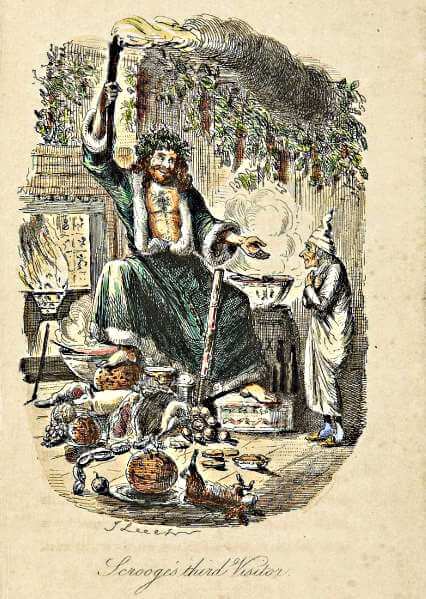
Before Victoria‘s reign started in 1837 nobody in Britain had heard of Santa Claus or Christmas Crackers. No Christmas cards were sent and most people did not have holidays from work. The wealth and technologies generated by the industrial revolution of the Victorian era changed the face of Christmas forever. Sentimental do-gooders like Charles Dickens wrote books like “Christmas Carol”, published in 1843, which actually encouraged rich Victorians to redistribute their wealth by giving money and gifts to the poor – Humbug! These radical middle class ideals eventually spread to the not-quite-so-poor as well.
The holidays – The wealth generated by the new factories and industries of the Victorian age allowed middle class families in England and Wales to take time off work and celebrate over two days, Christmas Day and Boxing Day. Boxing Day, December 26th, earned its name as the day servants and working people opened the boxes in which they had collected gifts of money from the “rich folk”. Those new fangled inventions, the railways allowed the country folk who had moved into the towns and cities in search of work to return home for a family Christmas.
The Scots have always preferred to postpone the celebrations for a few days to welcome in the New Year, in the style that is Hogmanay. Christmas Day itself did not become a holiday in Scotland until many years after Victoria’s reign and it has only been within the last 20-30 years that this has been extended to include Boxing Day.
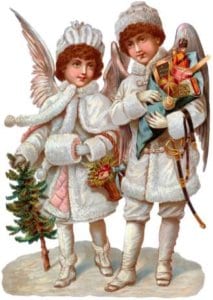
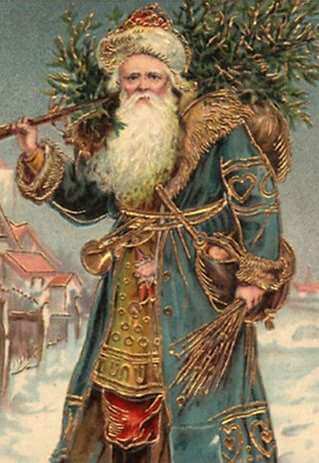
Father Christmas / Santa Claus – Normally associated with the bringer of the above gifts, is Father Christmas or Santa Claus. The two are in fact two entirely separate stories. Father Christmas was originally part of an old English midwinter festival, normally dressed in green, a sign of the returning spring. The stories of St. Nicholas (Sinter Klaas in Holland) came via Dutch settlers to America in the 17th Century. From the 1870’s Sinter Klass became known in Britain as Santa Claus and with him came his unique gift and toy distribution system – reindeer and sleigh.
Turkey Time – Turkeys had been brought to Britain from America hundreds of years before Victorian times. When Victoria first came to the throne however, both chicken and turkey were too expensive for most people to enjoy. In northern England roast beef was the traditional fayre for Christmas dinner while in London and the south, goose was favourite. Many poor people made do with rabbit. On the other hand, the Christmas Day menu for Queen Victoria and family in 1840 included both beef and of course a royal roast swan or two. By the end of the century most people feasted on turkey for their Christmas dinner. The great journey to London started for the turkey sometime in October. Feet clad in fashionable but hardwearing leather the unsuspecting birds would have set out on the 80-mile hike from the Norfolk farms. Arriving obviously a little tired and on the scrawny side they must have thought London hospitality unbeatable as they feasted and fattened on the last few weeks before Christmas!
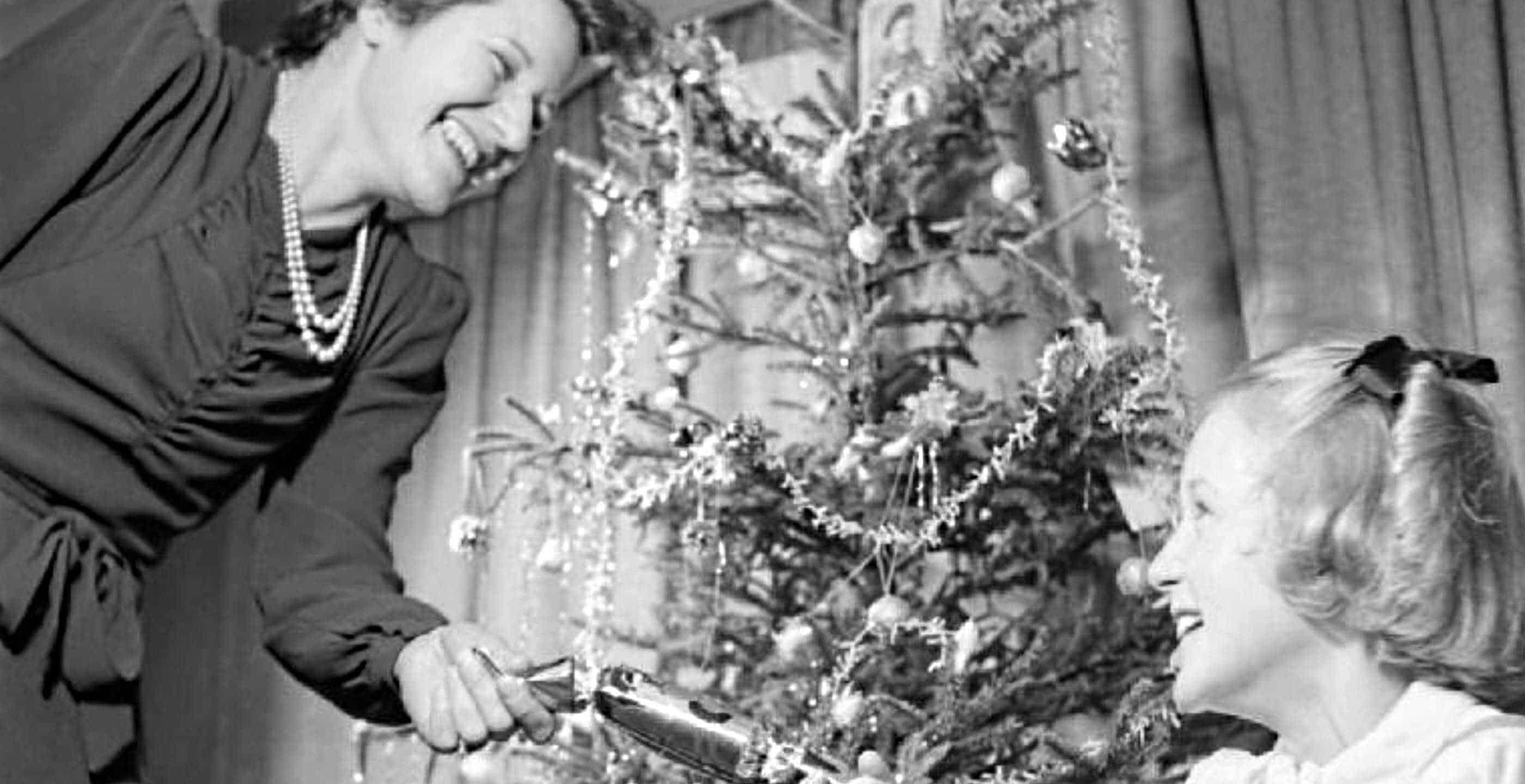
The Crackers – Invented by Tom Smith, a London sweet maker in 1846. The original idea was to wrap his sweets in a twist of fancy coloured paper, but this developed and sold much better when he added love notes (motto’s), paper hats, small toys and made them go off BANG!
Carol Singers – Carol Singers and Musicians “The Waits” visited houses singing and playing the new popular carols;
1843 – O Come all ye Faithful
1848 – Once in Royal David’s City
1851 – See Amid the Winters Snow
1868 – O Little Town of Bethlehem