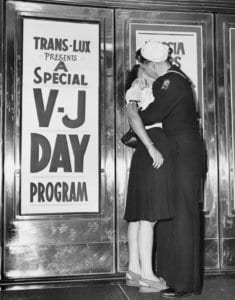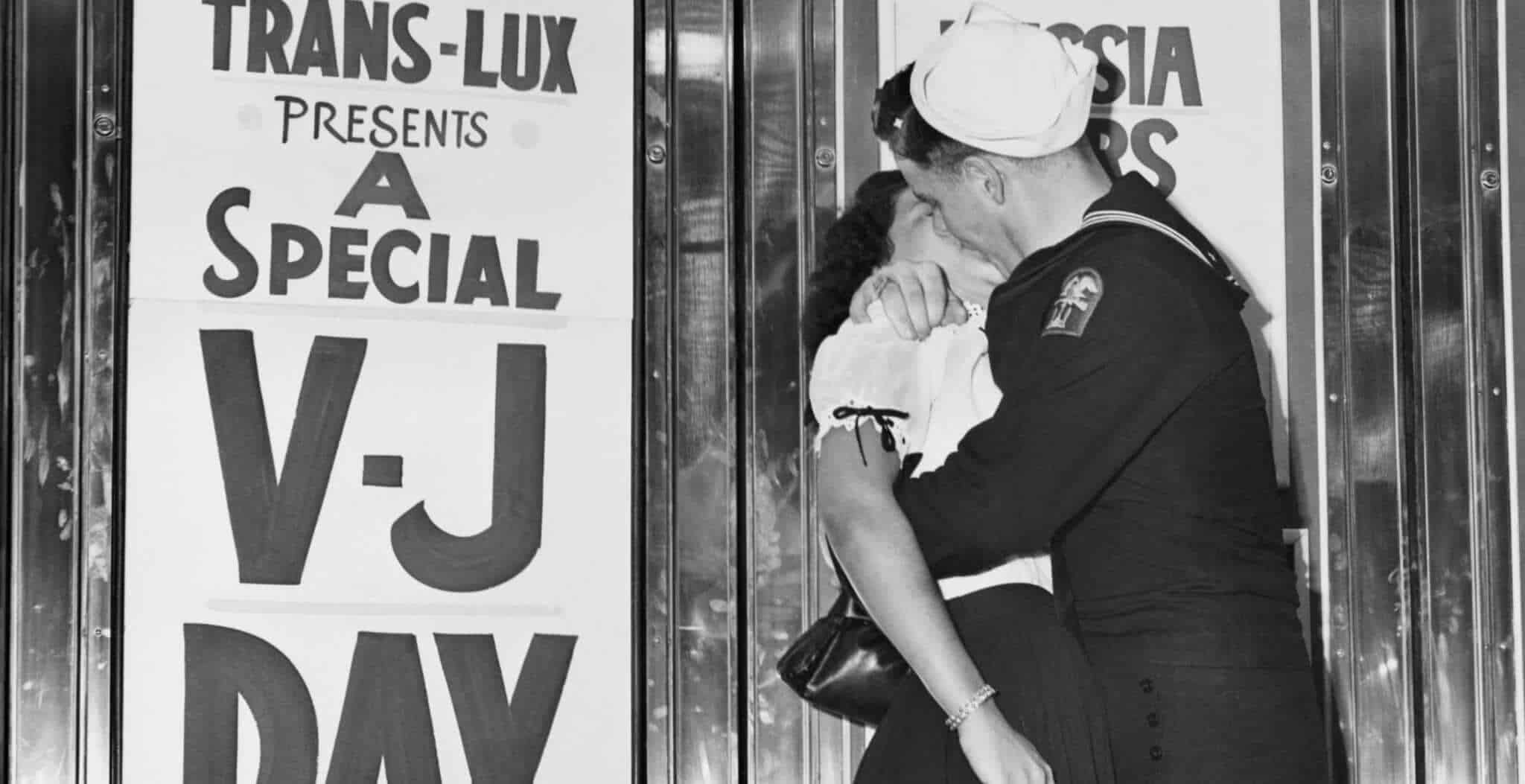


In 1945 the End of World War II was celebrated on Victory over Japan (VJ) Day.
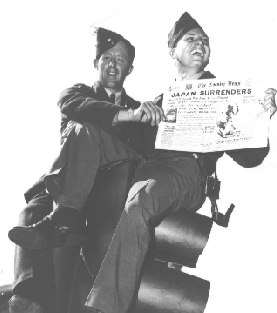
There was much joy and celebration around the world when on 15th August 1945 US President Harry S Truman declared the day as Victory over Japan Day, at a White House press conference.
President Truman announced that the Japanese Government had agreed to comply in full with the Potsdam Declaration demanding the unconditional surrender of Japan.
To crowds gathered outside the White House, President Truman said: “This is the day we have been waiting for since Pearl Harbor.”
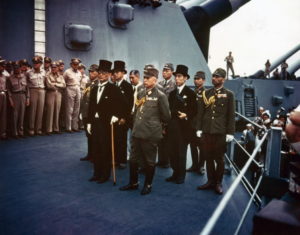
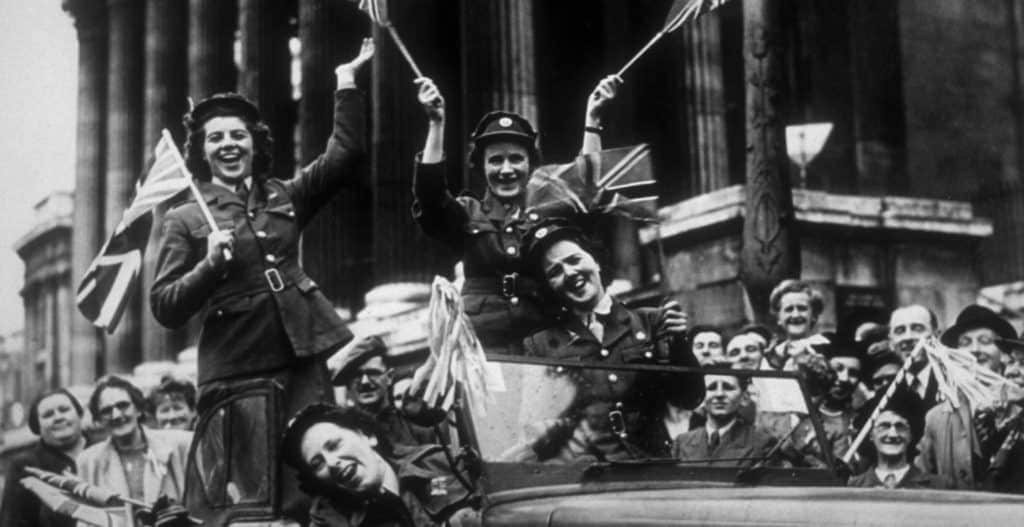
The end of war was to be marked by a two-day holiday in the UK, the USA and Australia.
At midnight, the British Prime Minister Clement Atlee confirmed the news in a broadcast saying, “The last of our enemies is laid low.”
The Prime Minister expressed gratitude to Britain’s allies, in Australia and New Zealand, India, Burma, all countries occupied by Japan and to the USSR. But special thanks went to the United States “without whose prodigious efforts the war in the East would still have many years to run”.
The following evening King George VI addressed the nation and the Empire in a broadcast from his study at Buckingham Palace.
“Our hearts are full to overflowing, as are your own. Yet there is not one of us who has experienced this terrible war who does not realise that we shall feel its inevitable consequences long after we have all forgotten our rejoicings today.”
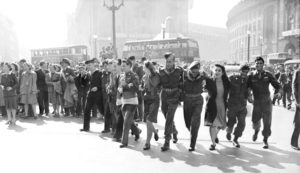
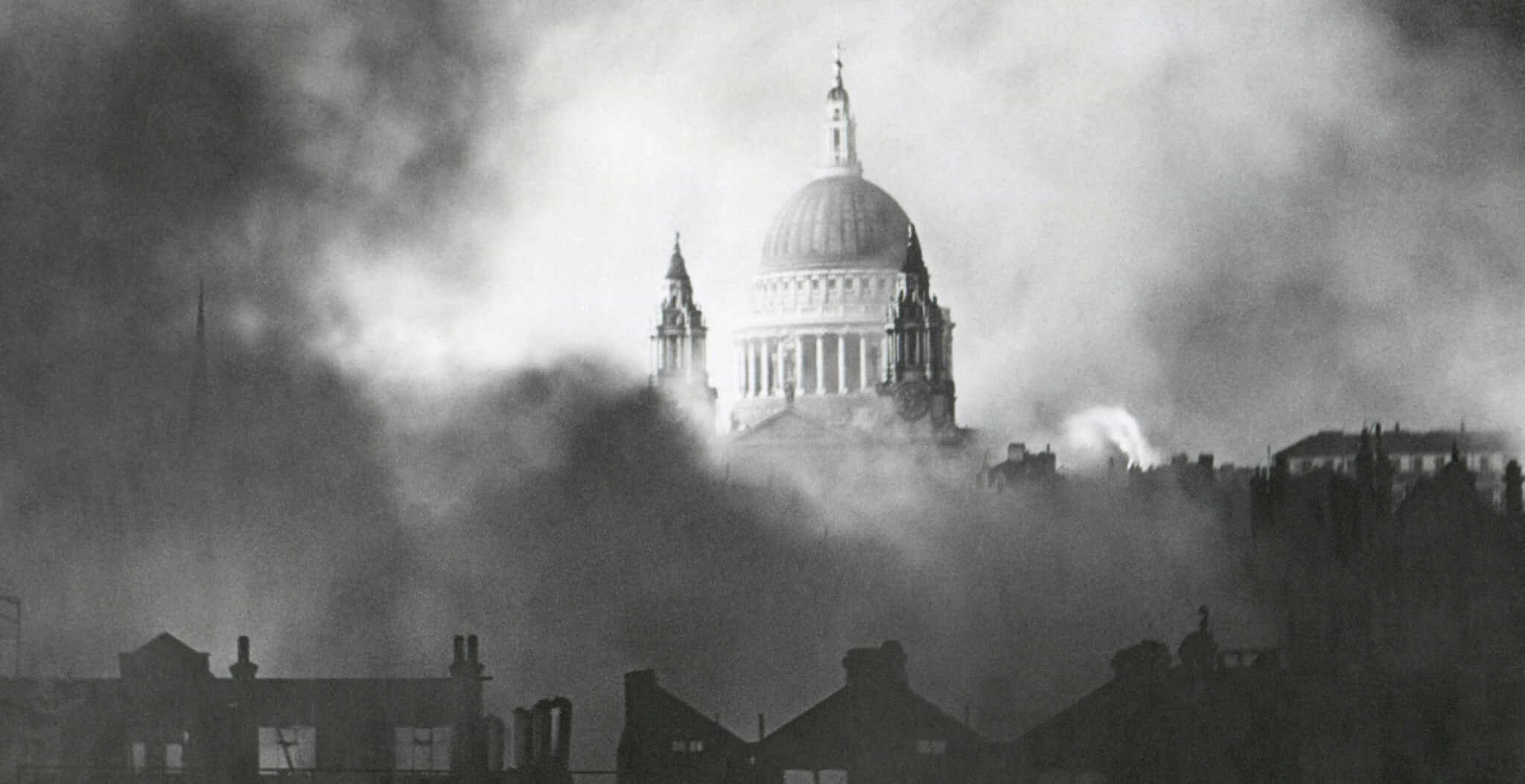
Historic buildings all over London were floodlit and people crowded onto the streets of every town and city shouting, singing, dancing, lighting bonfires and letting off fireworks.
But there were no celebrations in Japan – in his first ever radio broadcast, Emperor Hirohito blamed the use of “a new and most cruel bomb” used on Hiroshima and Nagasaki for Japan’s surrender.
“Should we continue to fight, it would not only result in the ultimate collapse and obliteration of the Japanese nation but would lead also to the total extinction of human civilisation.”
What the Emperor failed to mention however, was that the Allies had delivered Japan an ultimatum to surrender on 28th July 1945.
 When this was ignored, the US dropped two atomic bombs on Hiroshima on 6th August and Nagasaki on 9th August, the day that Soviet forces invaded Manchuria.
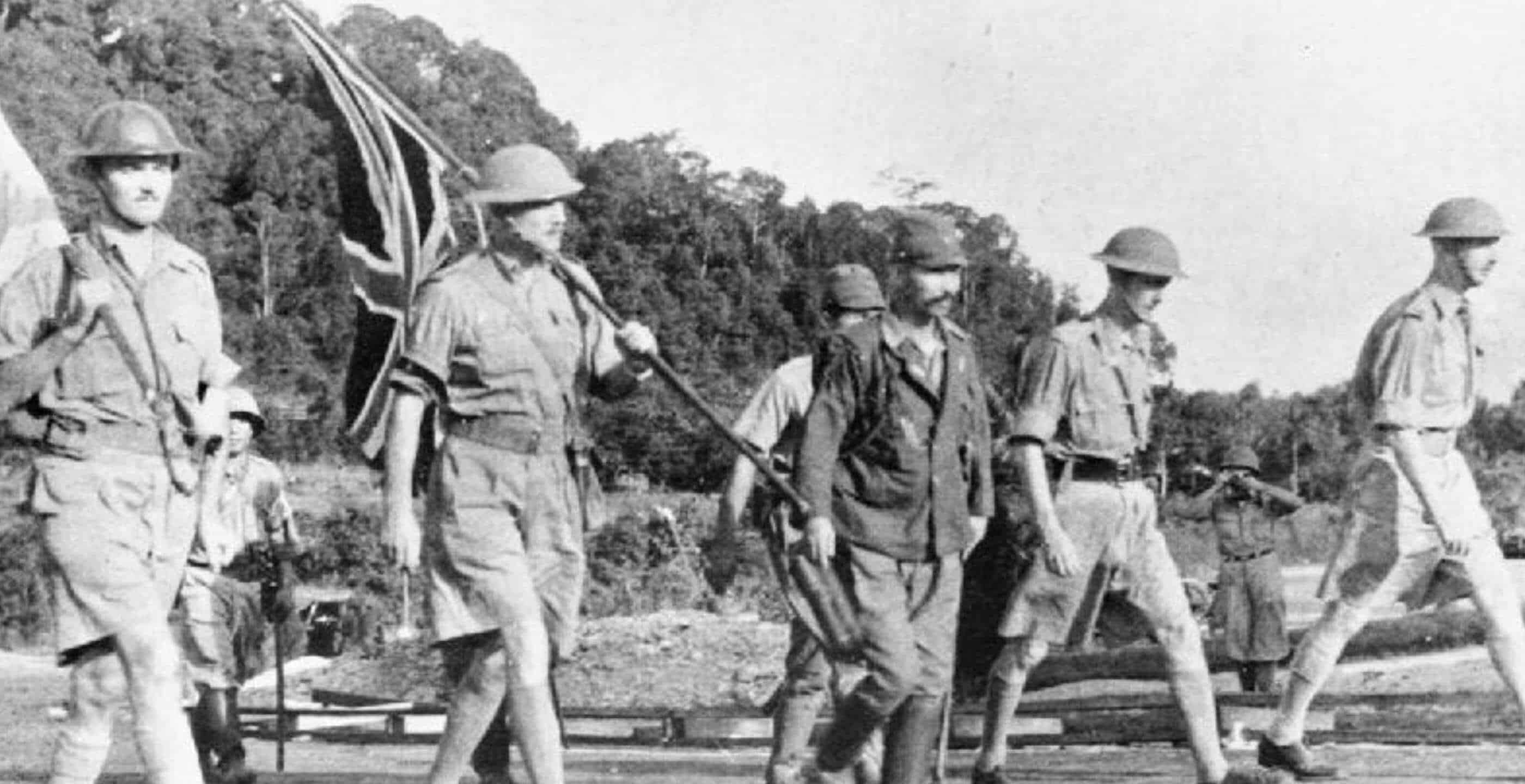
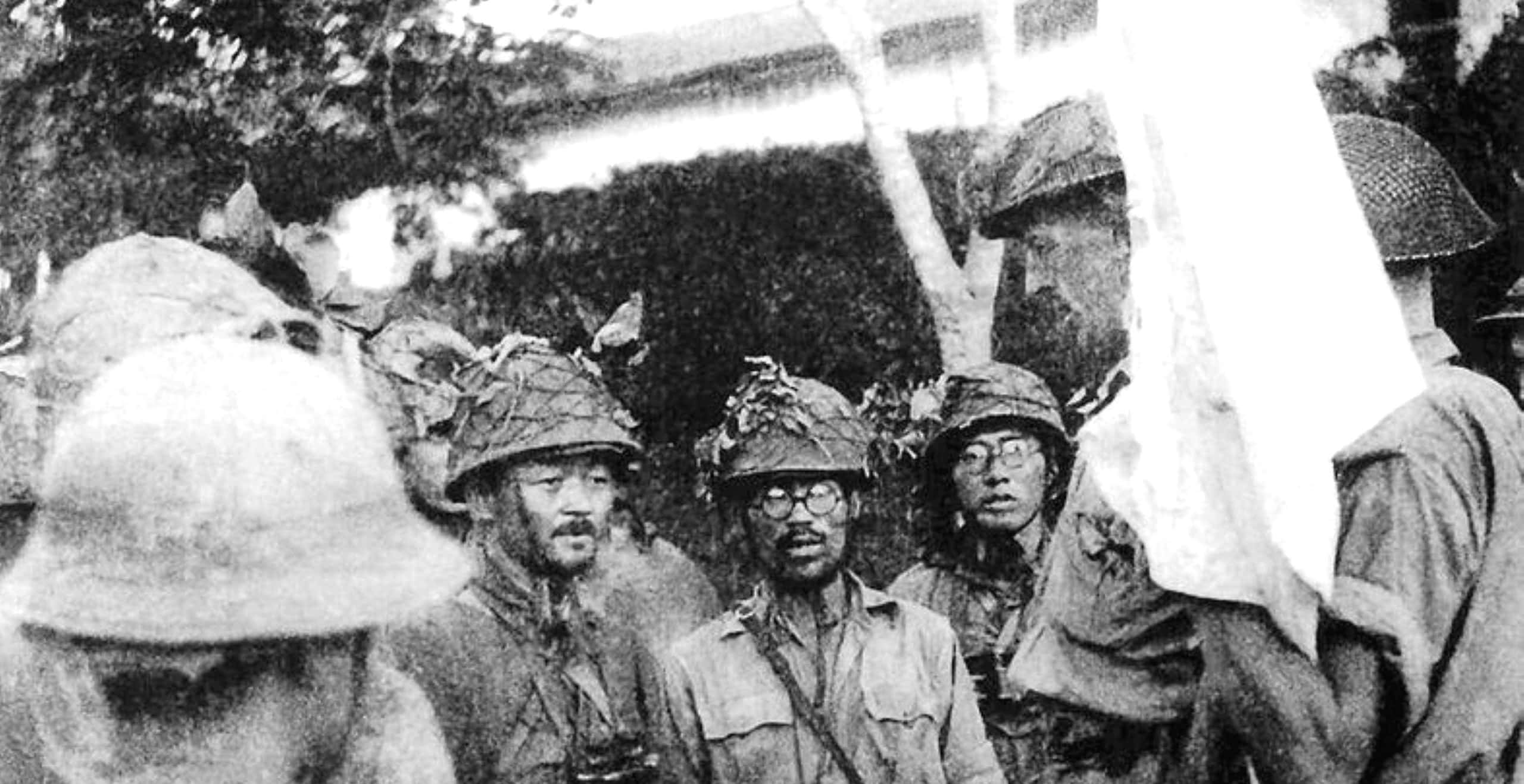
The Allies celebrated victory over Japan on 15th August 1945, although the Japanese administration under General Koiso Kuniaki did not officially surrender with a signed document until 2nd September.
Both dates are known as VJ Day.
If VJ Day marked the end of World War II, what of the six long years of bitter conflict that would ultimately lead to these celebrations?
In our World War Two timelines, we present the major events of each of these years, from the German invasion of Poland in 1939, to the evacuation from Dunkirk in 1940, and on through the Japanese attack on Pearl Harbour in 1941, followed by Montgomery’s famous victory at El Alamein in 1942, and onto the Allied landings at Salerno in Italy in 1943, the D-Day landings of 1944, and into the early months of 1945, crossing the Rhine and then on to Berlin and Okinawa.