

Hampstead is a pigsty…
Residents of Hampstead might not be too pleased to learn that their exclusive London village once housed more pigs than people but this is just one of the fascinating insights to be gained from reading the Domesday Book.
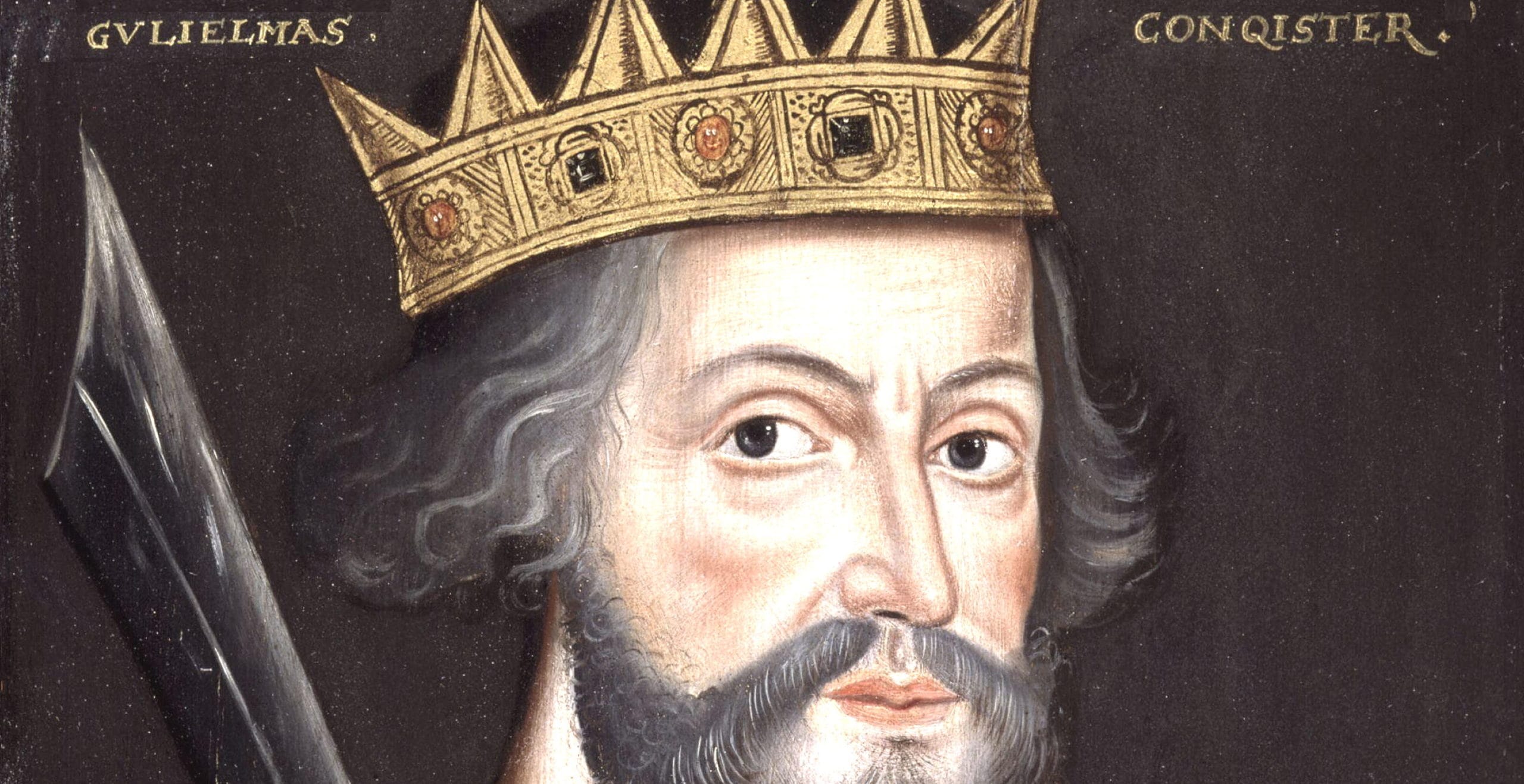
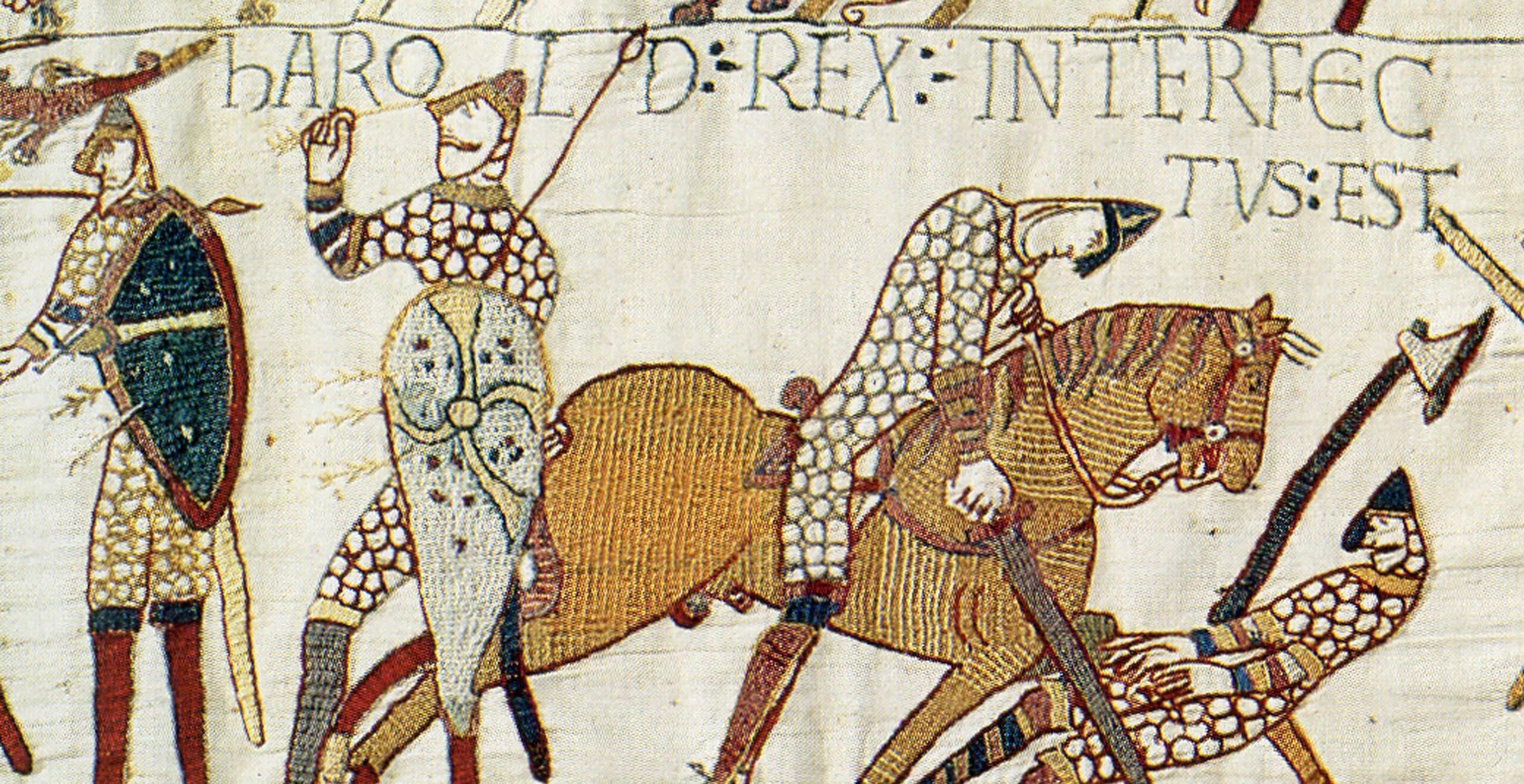
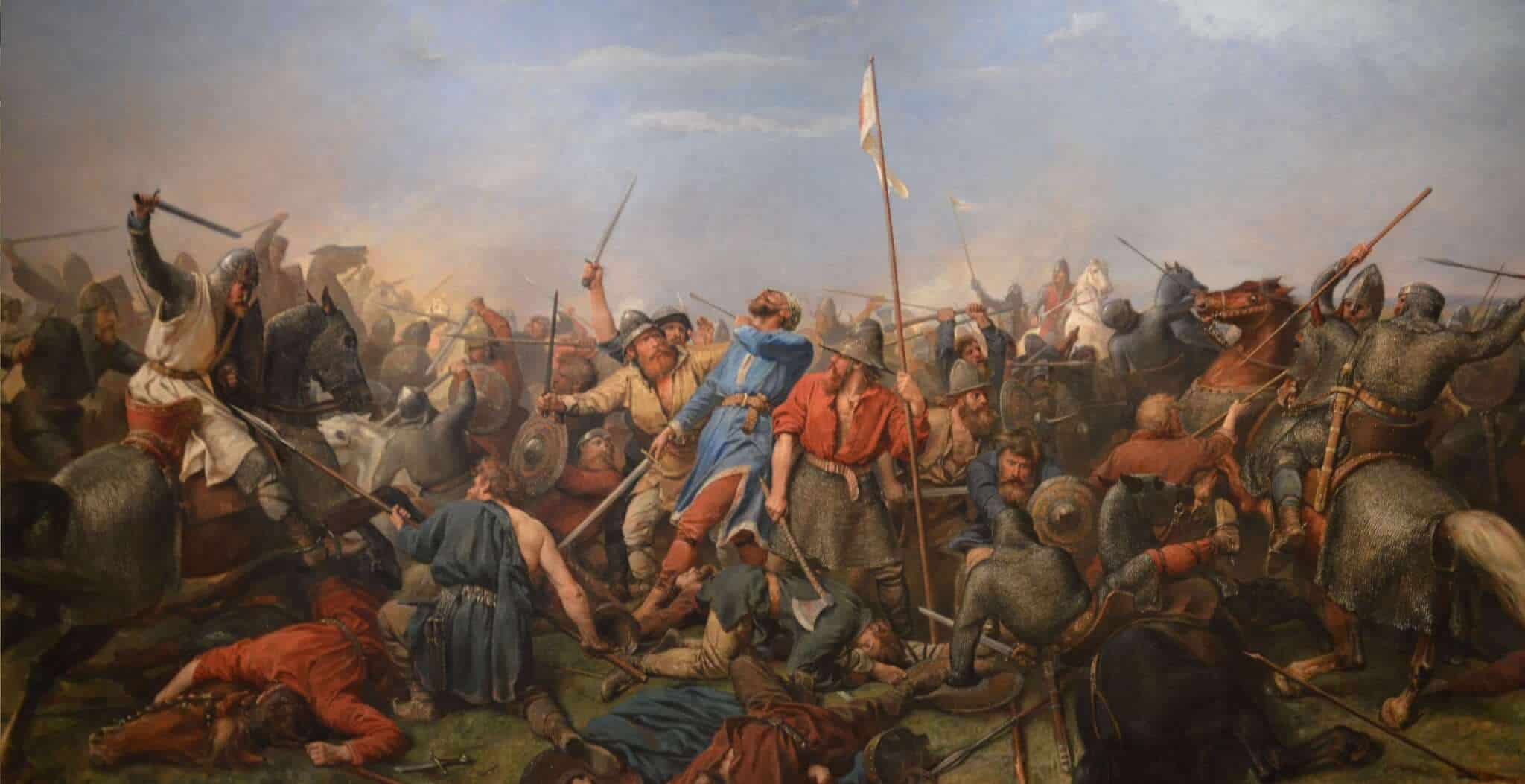
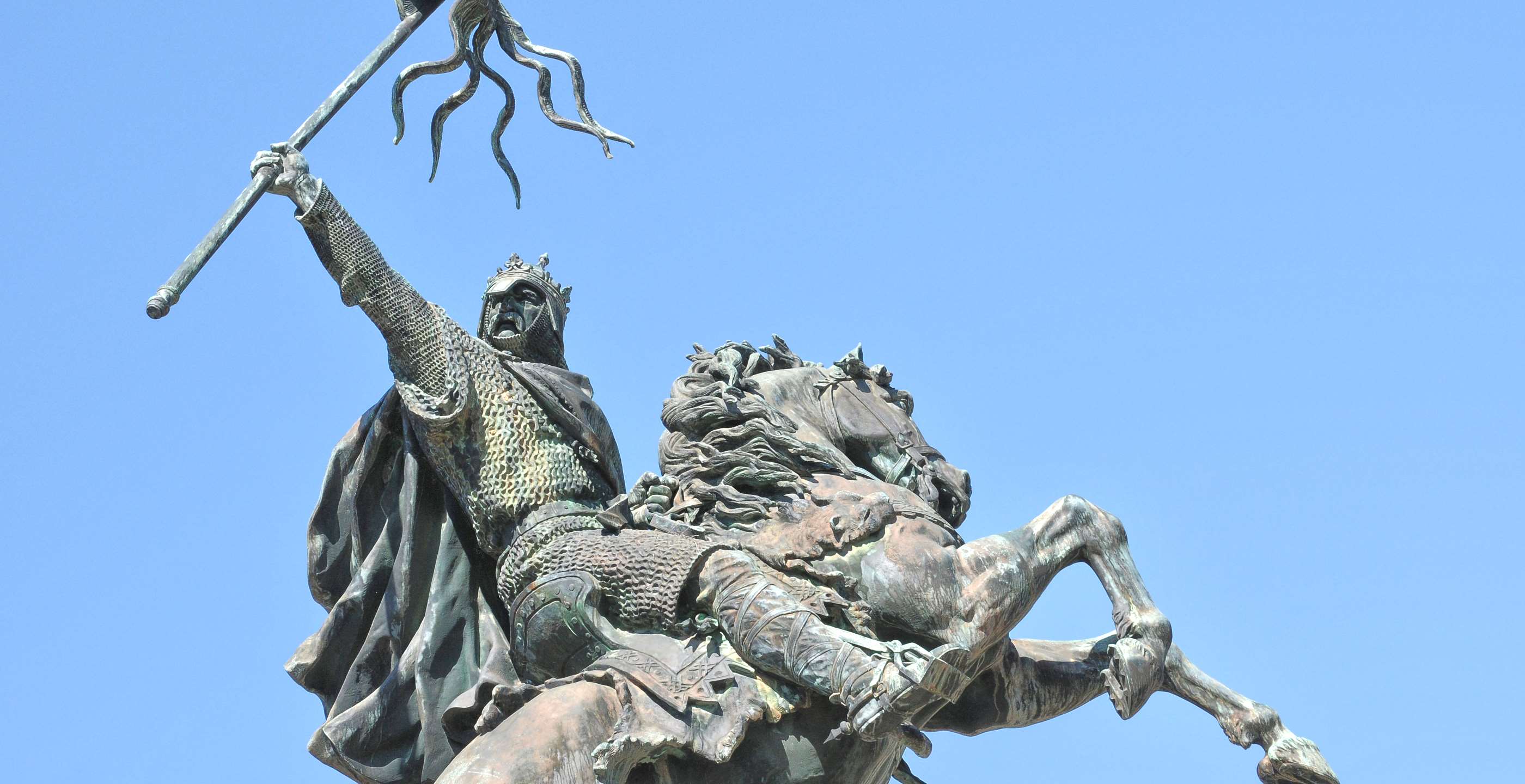
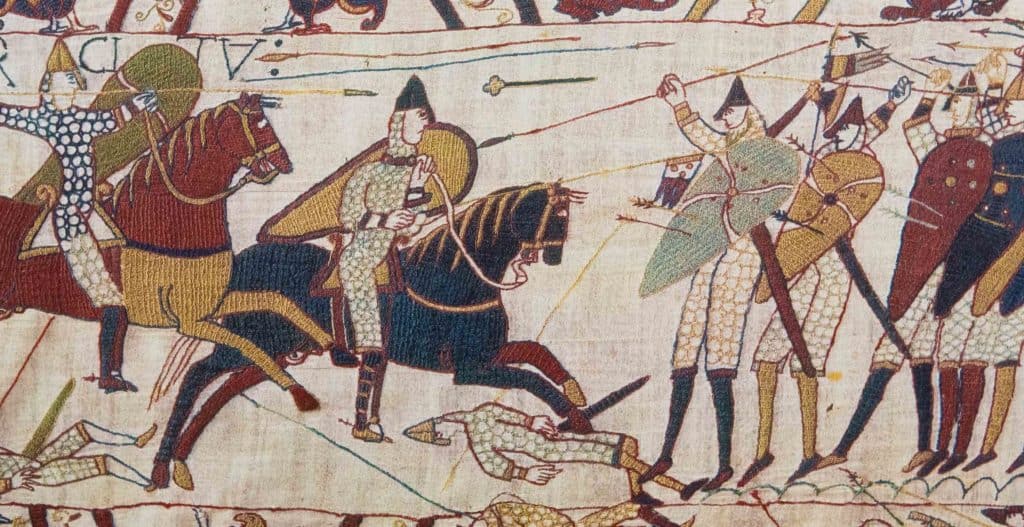
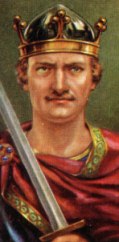 After the Norman invasion and conquest of England in 1066, the Domesday Book was commissioned in December 1085 by order of William The Conqueror. William needed to raise taxes to pay for his army and so a survey was set in motion to assess the wealth and and assets of his subjects throughout the land. This survey was also needed to asses the state of the country’s economy in the aftermath of the Conquest and the unrest that followed it.
First published in 1086, it contains records for 13,418 settlements in the English counties south of the rivers Ribble and Tees (the border with Scotland at the time).
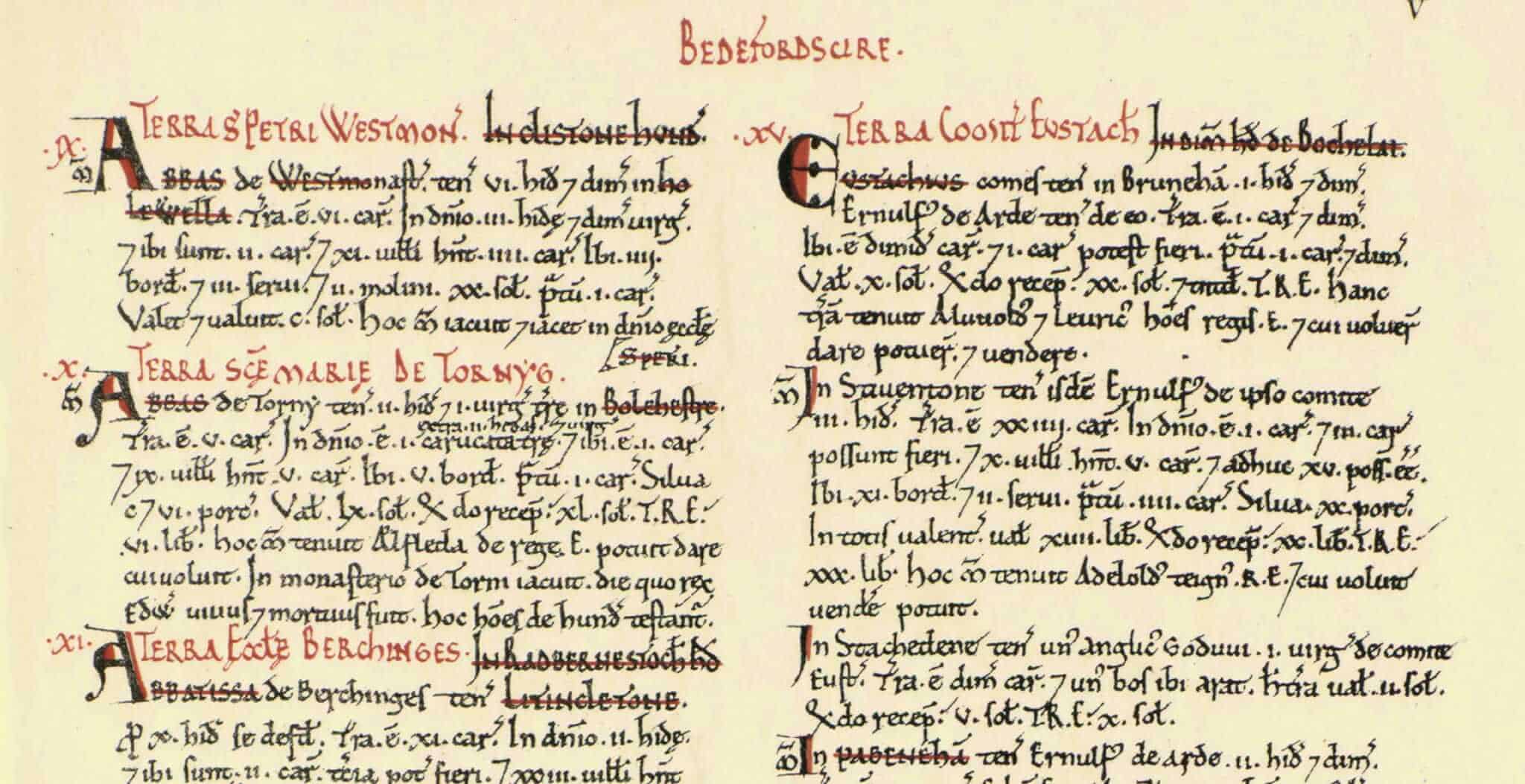
The information in the survey was collected by Royal commissioners who were sent out around England. The country was split up into 7 regions, or ‘circuits’, with 3 or 4 commissioners being assigned to each. They carried with them a set of questions and put these to a jury of representatives – made up of barons and villagers alike – from each county. Once they returned to London the information was combined with earlier records, from both before and after the Conquest, and was then entered, in Latin, into the final Domesday Book.
As well as valuing assets, this fascinating document gives a valuable insight into land use at the time, the life of local landowners, and even disputes between neighbours.
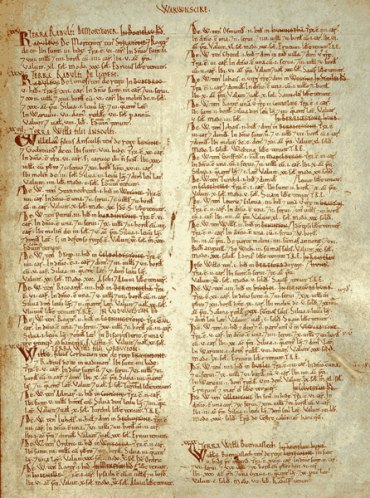
By studying individual entries it is possible to discover that upmarket Hampstead in London had woodland containing 100 pigs and was assessed as being worth 50 shillings. Brighton residents may enjoy fishing but how many catch enough to pay their taxes? The Domesday Book reveals that one Brighton landowner did exactly that – with 4,000 herrings to be precise!
It acquired the name ‘Domesday Book’ because of the huge amount of information that was contained in it. Indeed, it was noted by an observer of the survey that “there was no single hide nor a yard of land, nor indeed one ox nor one cow nor one pig which was left out”. This led the book to be compared to the Last Judgement, or ‘Doomsday’, described in the Bible, when the deeds of Christians written in the Book of Life were to be placed before God for judgement. The name ‘Domesday Book’ was not adopted until the late 12th Century.
The Domesday Book is actually not one book but two. The first volume (Great Domesday) contains the final summarized record of all the counties surveyed except Essex, Norfolk, and Suffolk. For these three counties the full, unabbreviated return sent in to Winchester by the commissioners is preserved in the second volume (Little Domesday), which, for some reason, was never summarized and added to the larger volume.
Containing 413 pages, it is currently housed in a specially made chest at London’s Public Record Office in Kew, London.
Published: 25th March 2015