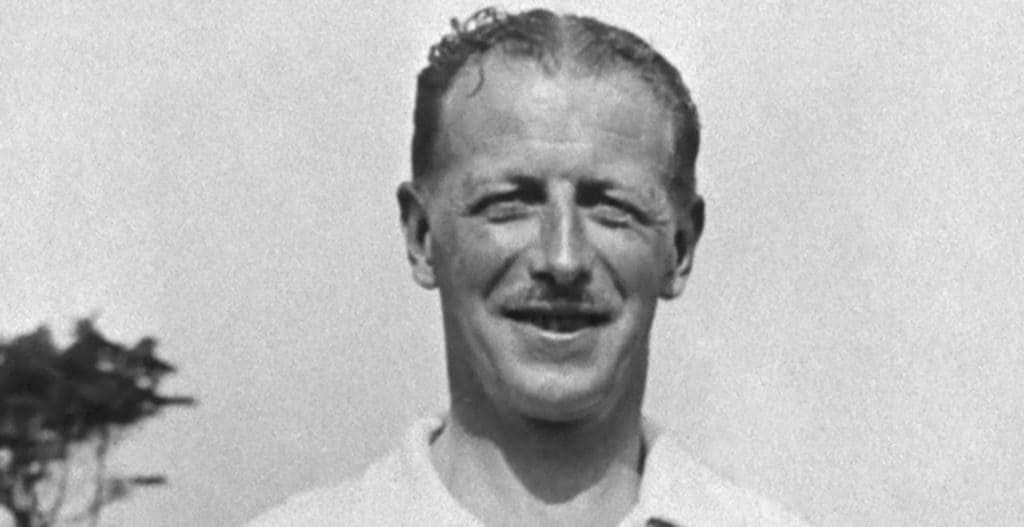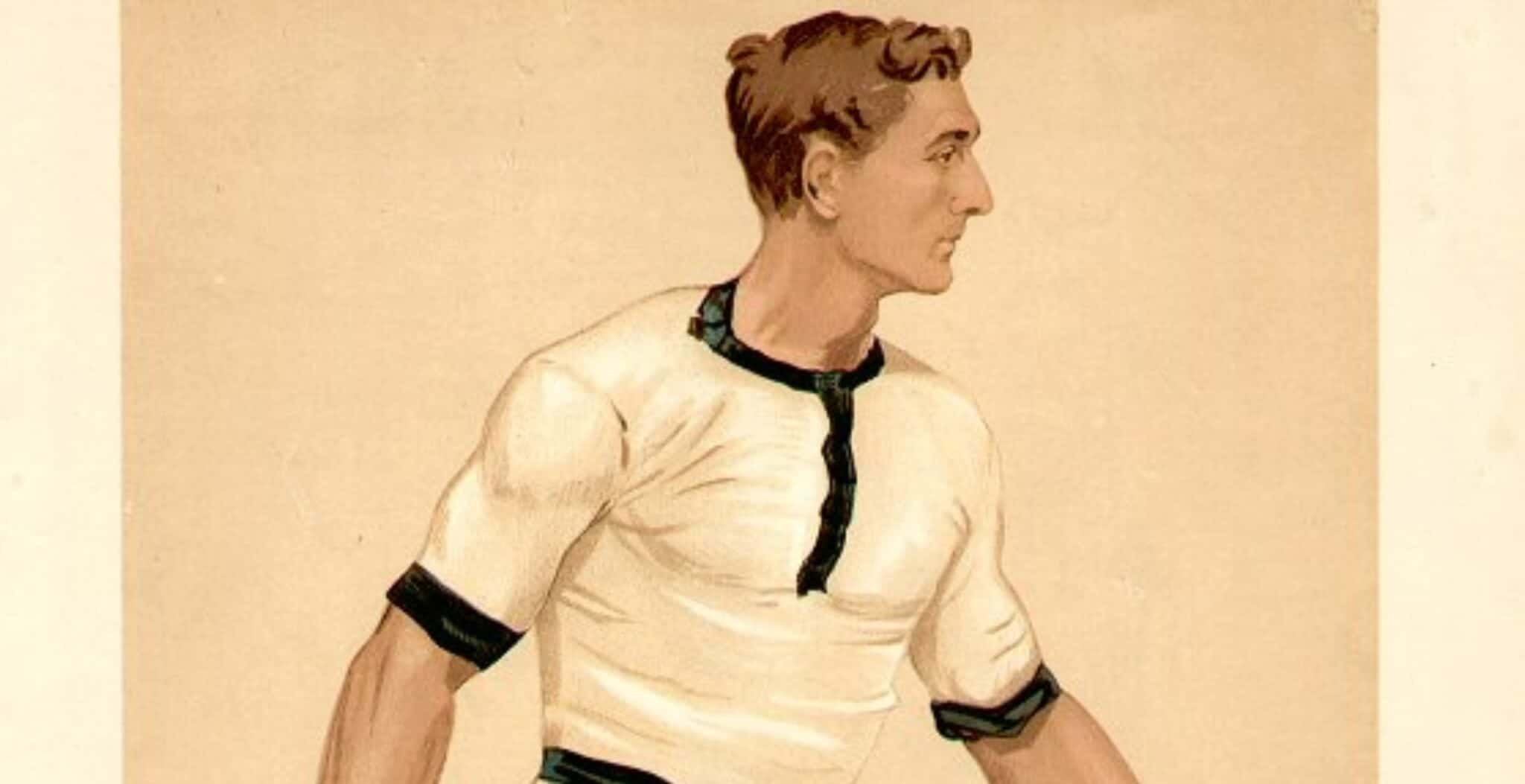


Is it a train… Is it a plane… or is it C.B. Fry?
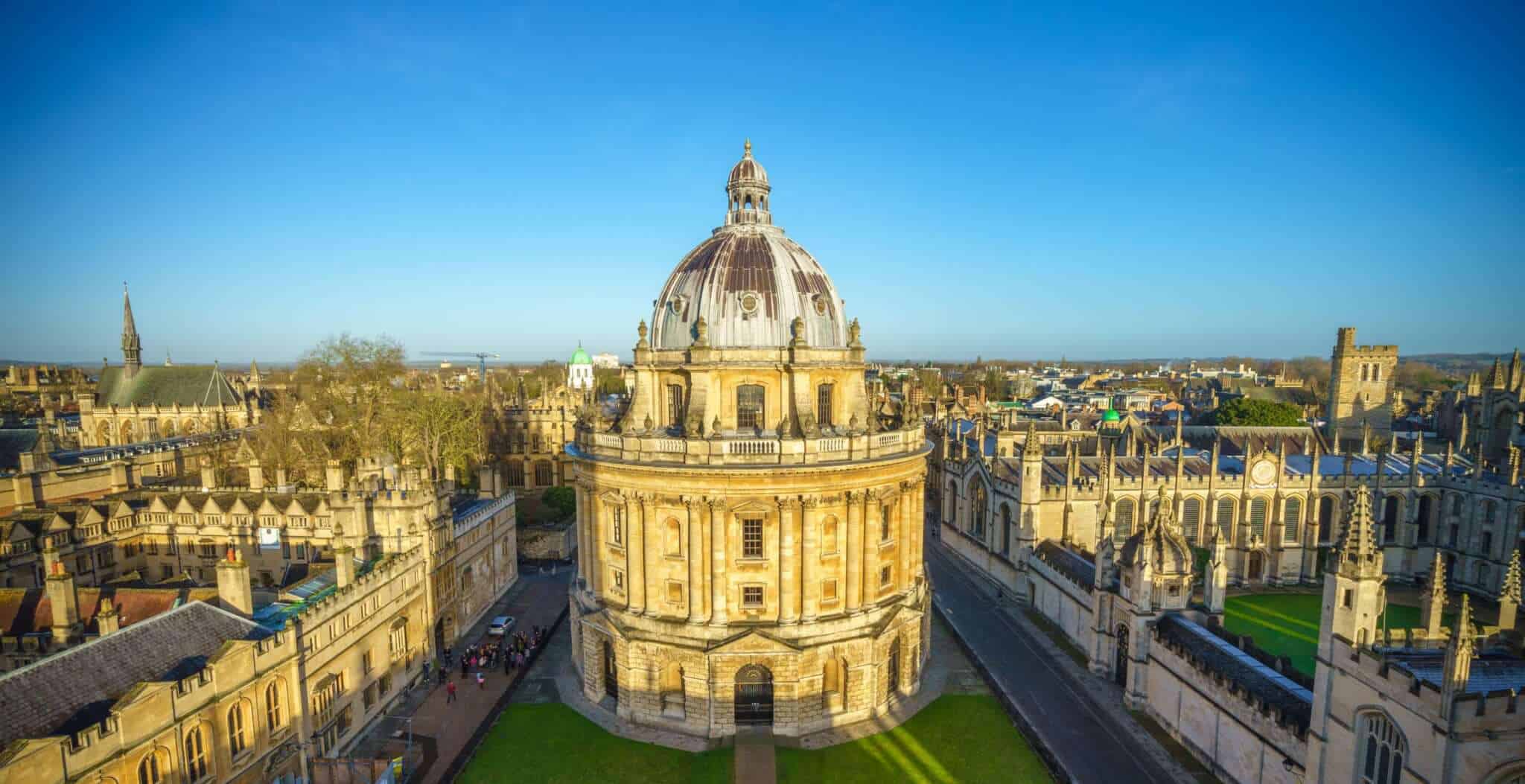
The Superman, more conventionally known as Charles Burgess (C.B.) Fry, was born in Croydon on 25th April 1872. After attending Repton public school he went on to win a scholarship to Wadham College Oxford, where he eventually gained a first-class honours degree in Classic Moderations.
It was during these informative years, first at Repton and later at Oxford, that C.B. began to demonstrate not only that he was a brilliant scholar, but that he had the potential to develop into the greatest all-round athlete of modern times.
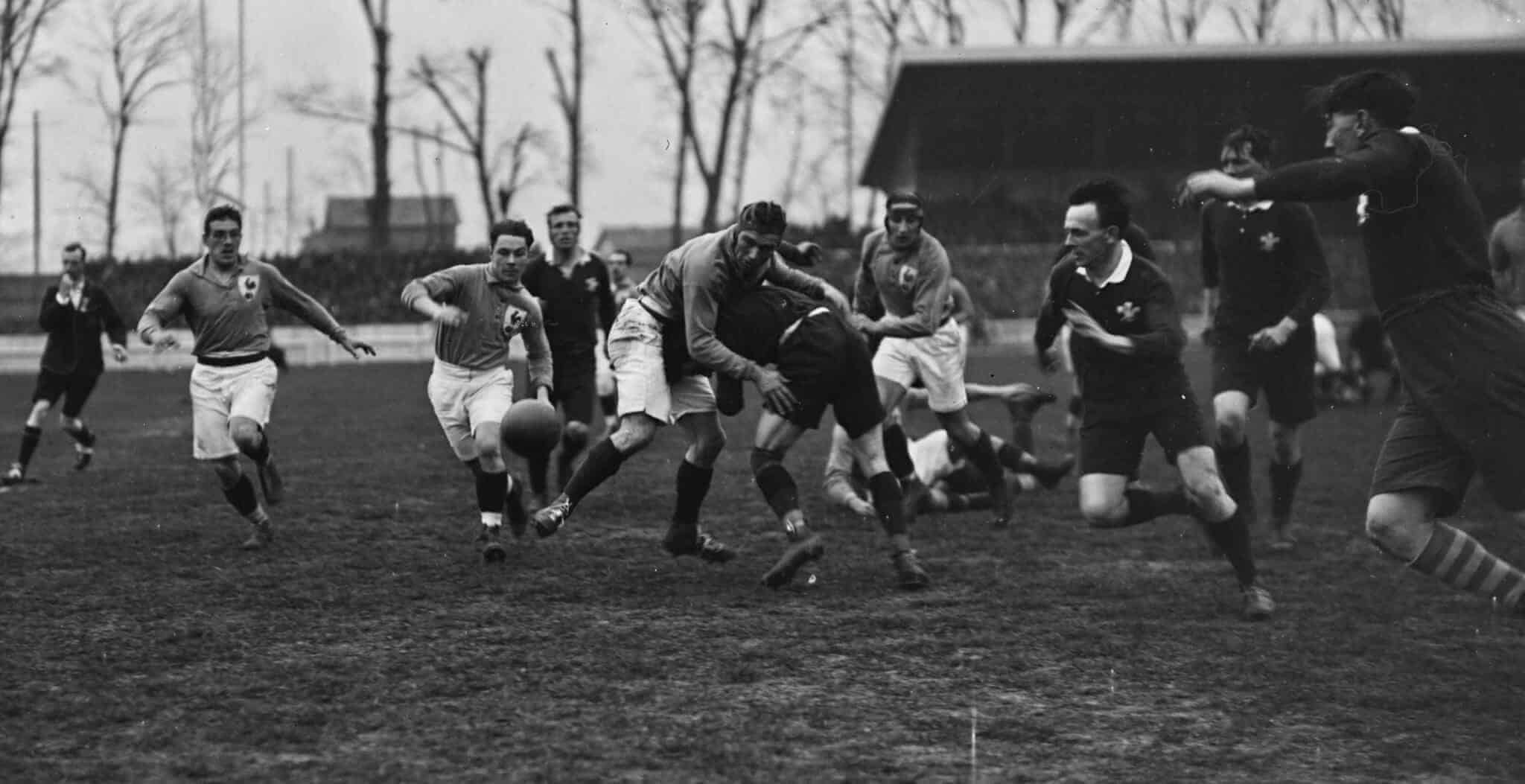
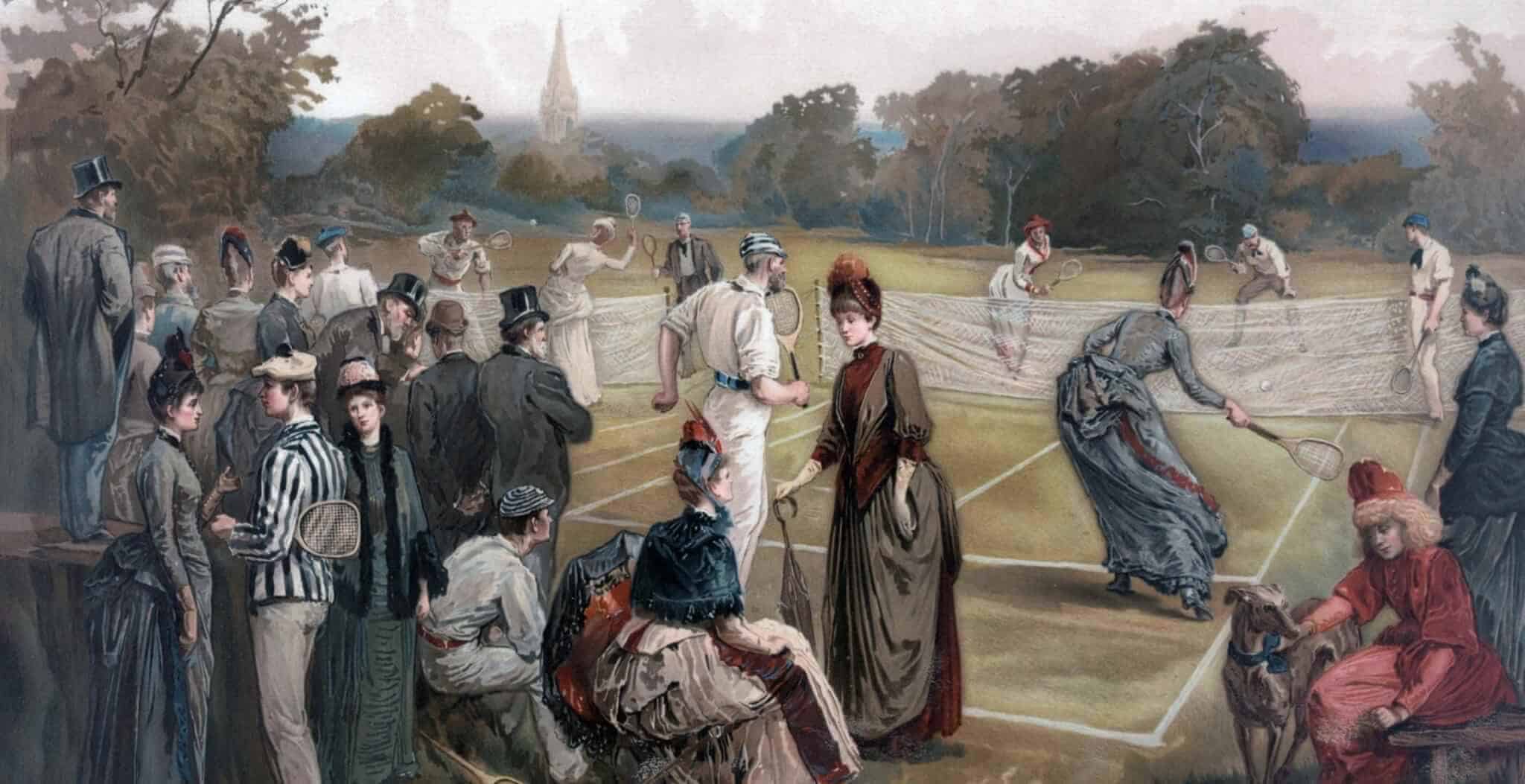
At Oxford he gained a total of twelve sporting Blues for representing his university, and in one year he captained the football, athletics and cricket teams, earning him the nicknames of ‘Almighty’ and ‘Lord Oxford’. To fill in time he also played Rugby Union at university, as well as for Blackheath and the Barbarians. In addition he proved himself to be a fine boxer, golfer, swimmer, tennis player, javelin thrower and sculler.
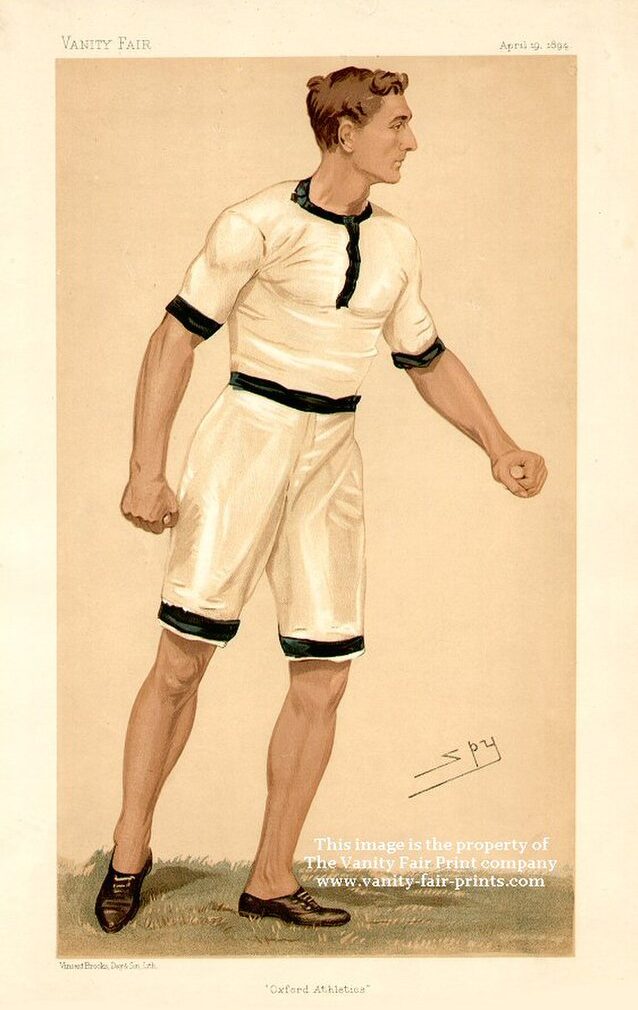
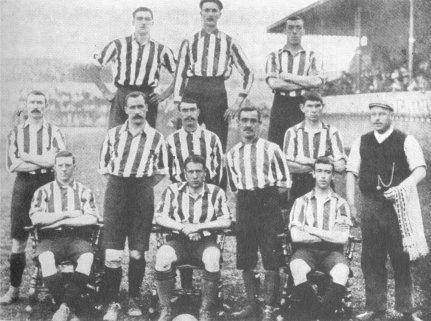
C.B. first learned his association football (soccer) skills at Repton and was awarded his soccer Blue whilst at Oxford. He later joined the amateur club The Corinthians before entering the professional ranks and signing for Southampton. He played his debut match against Tottenham Hotspur in December 1900 and obviously impressed, as he was picked for the England team just a few months later in a match against Ireland. The following season he played for Southampton in the FA Cup final against Sheffield United.
A brilliant track and field athlete, C.B. equalled the world long jump record with a jump of 23’ 6½” (7.17m) in 1893. With little formal training in the discipline itself, it is said that he prepared for the event by smoking a cigar. On completing his record equalling jump, he apparently returned to the changing room to finish his smoke.
At the world’s first international athletics event held at London’s White City stadium in 1894, C.B. won both the long jump and 100 yards sprint. It is highly likely that C.B. could have secured medals, possibly even gold ones, at the 1896 Olympics, had he not been so busy indulging his first passion in South Africa as a member of the England cricket team.
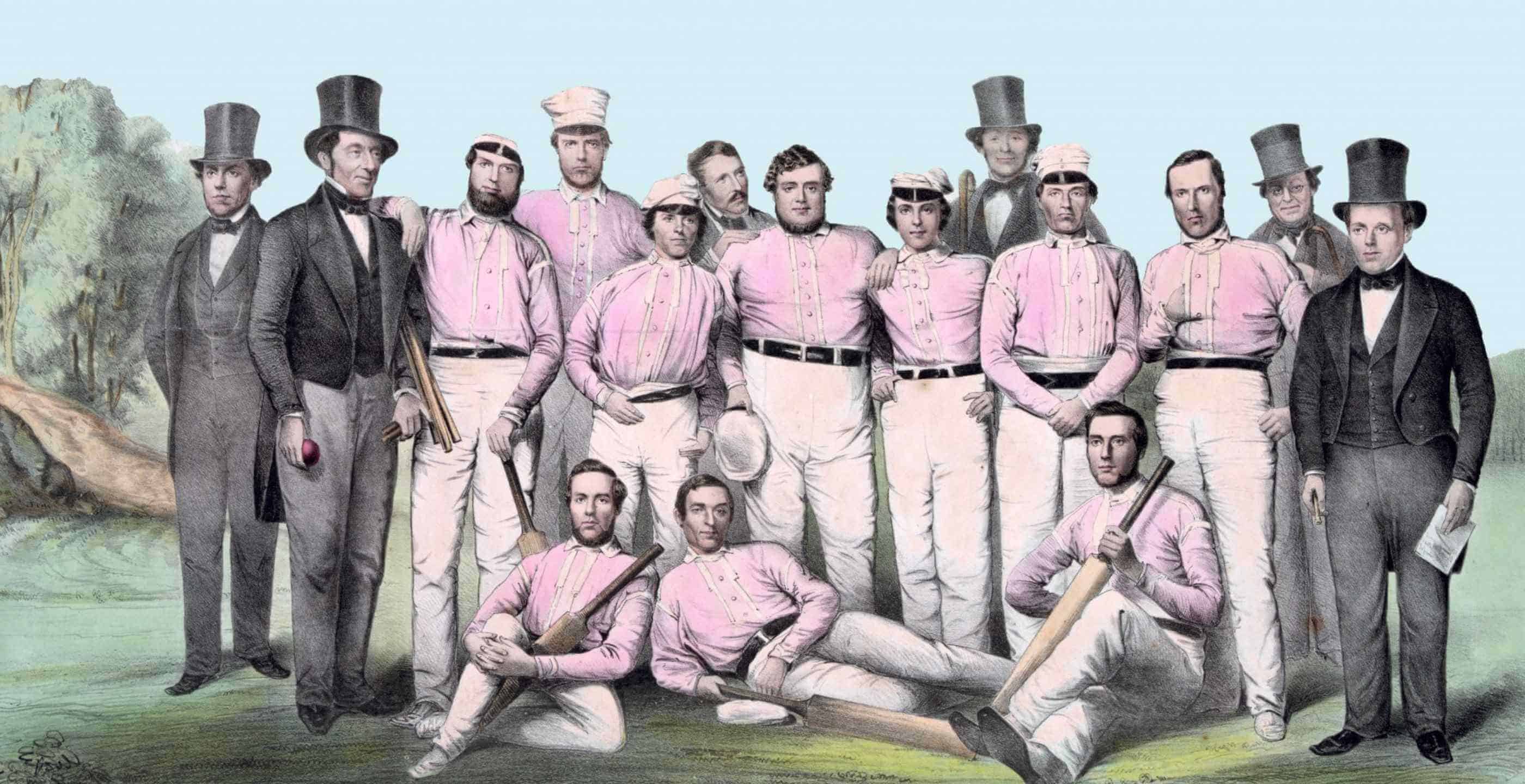
For it was on the cricket field that C.B.’s talent would shine the brightest. A superb right-handed batsman, C.B. went on to captain both Sussex and England. England never lost a Test Match whilst C.B. was at the helm. At a time when pitches were distinctly more unreliable than they are today, he scored more than 30,000 first-class runs with an average of over 50 runs per innings, and just missed out on scoring 100 hundreds, with an impressive career total of 94.
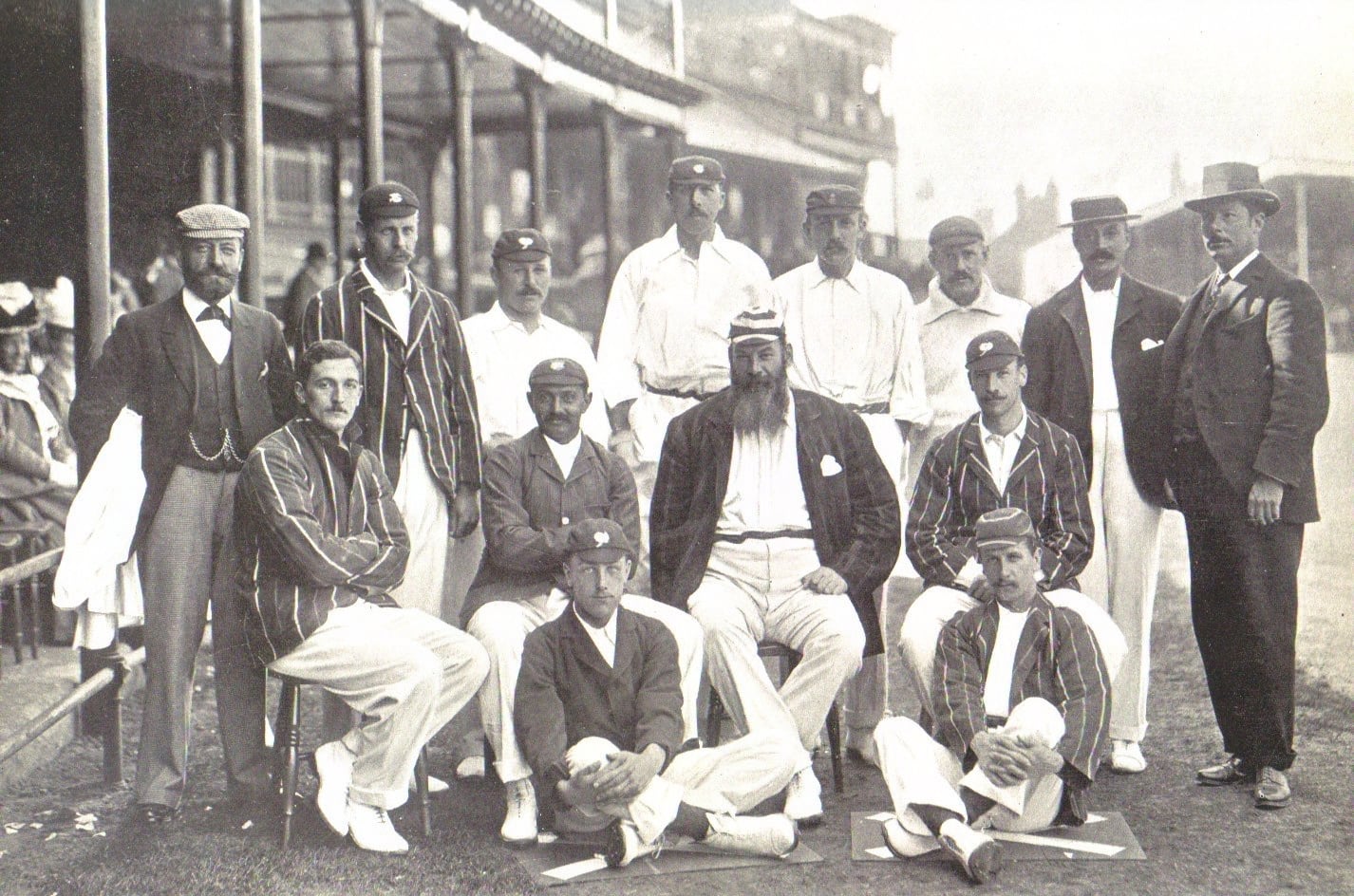
(C. B Fry is middle row, left. WG Grace was the captain, middle row with the long beard)
C.B. was at his peak in 1901 when he totalled 3147 runs, an average of over 78 runs per innings. During that summer he scored 13 hundreds, and an unprecedented 6 centuries in 6 consecutive innings within a timeframe of little more than a fortnight. A record that remains to this day, and a fitting testament to one of the greatest cricketers of all time.
 However his talents were not just confined to the sports field. C.B. also stood as Liberal candidate for Parliament in Brighton; he was a director of a training ship, a journalist, a deputy and speechwriter for the Indian delegation at the League of Nations. It was whilst he was involved in the latter role that C.B. was offered the vacant throne of Albania.
The Albanian delegation was apparently looking for an English gentleman with an income of £10,000 a year to become their king. Whilst amply qualified for the former requirement, C.B. was always notoriously short of money.
Some twenty years on from his glory days in 1921, C.B. once again appeared for Sussex against the visiting Australians and scored 59 and 37 in the two innings. After the match C.B. was approached by the England selectors and asked whether he would consider captaining the national side. Perhaps now feeling his 49 years C.B. declined the offer and, to be on the safe side, retired from cricket all together.
C.B. died in 1956, in Hampstead, London, The “grand old man of sport”.