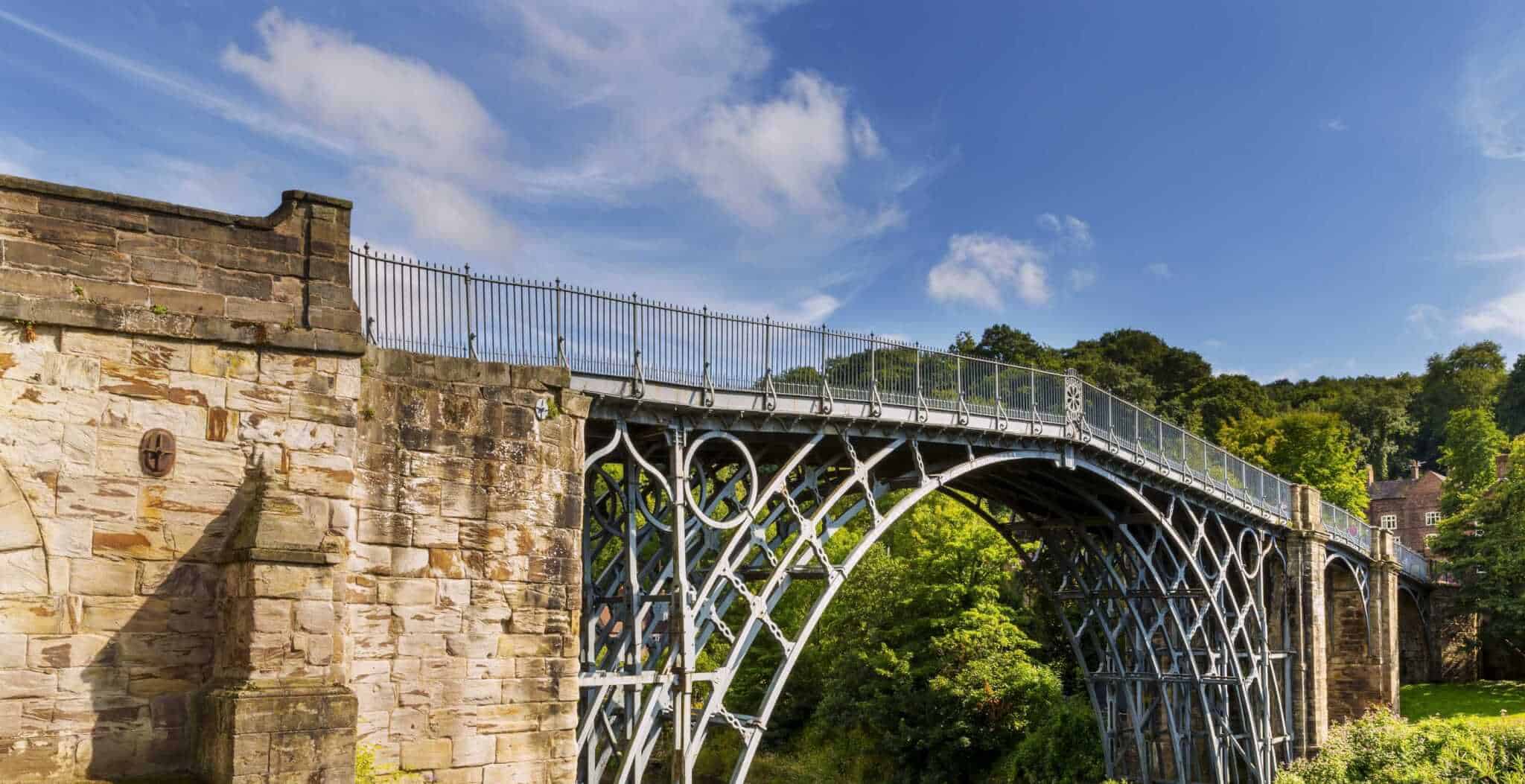


For those who have never heard of Ironbridge it is not only the name of a town in Shropshire, but also of a bridge made of iron, the first ever constructed, which was cast in the local foundries and built across the River Severn by a man named Abraham Darby III.
Ironbridge can be found on the banks of the mighty River Severn, where today the houses and businesses cling to the sides of the beautiful Severn Gorge. It also a place where two centuries ago, events occurred which changed all our lives.
This unique industrial and natural environment was formed during the Ice Age when the original flow of the river was diverted and formed the now famous gorge and as it did so, it exposed vital ingredients of layers of limestone, coal, ironstone and clay. The river itself provided water, waterpower and a convenient means of transport.
It took a great man of vision in the shape of Abraham Darby I, born in 1677 at nearby Dudley, to put all of these vital ingredients together; he was the first, in 1709, to master the science of smelting iron with coke, rather than costly charcoal. He leased an old furnace in Coalbrookdale to do so. The son of a Quaker farmer, Darby was the first to use the cheaper iron, rather than brass, to cast strong thin pots for the poor.
The Coalbrookdale works flourished and expanded under his son Abraham Darby II (1711-63). Throughout the decades that followed there was a whole series of world firsts to emanate from Ironbridge including cast iron rails, iron wheels, steam cylinders, steam locomotives, iron boats and, most famously, the still proud and erect first iron bridge.
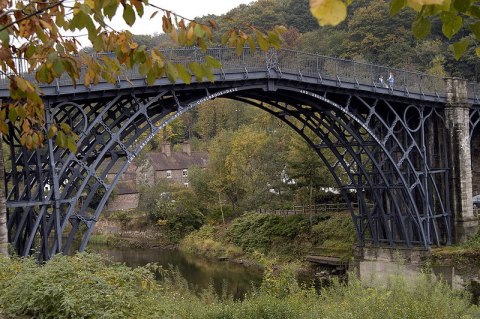
It was in November 1777 that Abraham Darby III began erecting the 378 tons of cast iron to build the bridge which spans the 30 m/100 ft of the Shropshire gorge. The bridge itself was completed in 1779 with the fitting of the balustrade and the road surface along with the obligatory toll house. The first tolls were taken on New Year’s Day 1781.
By this time the beautiful Severn Gorge had been transformed with the hive of industry, iron foundries, kilns and fires making the area a buzzing, smoke-filled port which was dark and dusky, even on a clear day.
Today the area has changed – the grime and the dark smoke have long since gone. Nature has reclaimed the quarries and turned them back into green woodlands with wildlife and wildflowers in abundance and clear brooks running through them.
Ironbridge remains a fascinating place. Starting at Buildwas the roads which now run parallel with the river lead to places with the names of Coalbrookdale, Coalport, Jackfield and Broseley, all of which have made their mark on the industrial heritage of the world, so much so that that the Gorge was designated as a UNESCO World Heritage Site in 1986.
A handful of museums now bring alive a vital chapter of British and World history. Visit the Ironbridge Gorge Museums to relive the eventful story of the birth of the Industrial Revolution.
Start at the Museum of the Gorge where an eight-minute video provides an excellent introduction. Look out for a display of Captain Matthew Webb memorabilia; born locally 150 years ago, he was the first, in 1875, to swim the English Channel. Webb’s doctor father was renowned for his reports on the hideous conditions in the Ironbridge mines and iron industries; they formed the basis of the ‘Shaftesbury Acts’.
At Coalbrookdale where it all began in 1709 with Abraham Darby’s first smelting of iron using coke, the Museum of Iron tells the story of when the district was the most important industrial site in the world. Alongside is Enginuity, launched in autumn 2002: this hands-on, interactive attraction has four zones – Materials, Energy, Design and Systems and Controls – that demonstrate the secrets of how everyday things are made.
The Ironbridge Gorge is also home to the Coalport China Museum. The National Collections of Coalport and Caughley china are displayed in the original riverside buildings. Some of Europe’s finest porcelain was made here until 1926. Across the river at Jackfield, the old Craven Dunnill Works houses the Jackfield Tile Museum which re-opens this summer with a fascinating range of gas-lit rooms and period room settings. Completing the area’s wealth of ceramic industry exhibits, a mile further south, is the Broseley Pipeworks where, in 1957, the doors closed behind the last traditional clay pipe maker after 350 years of production.
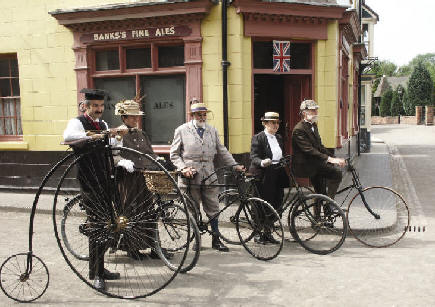
Back on the north side of the Severn, Blists Hill Victorian Town is a 50 acre, open-air living history museum where life over a hundred years ago is re-enacted. Visitors can join the “Victorian” townsfolk as they go about their daily lives in this recreation of a small industrial community on the old East Shropshire coalfield at the turn of the 19th Century.
All in all there are ten sites within the care of Ironbridge Gorge Museum and visitors can buy a Passport ticket which allows entry into all ten, no matter how many years that takes!
Getting here
Ironbridge is easily accessible by road, please try our UK Travel Guide for further information. The nearest railway stations are located at Telford and Wolverhampton.