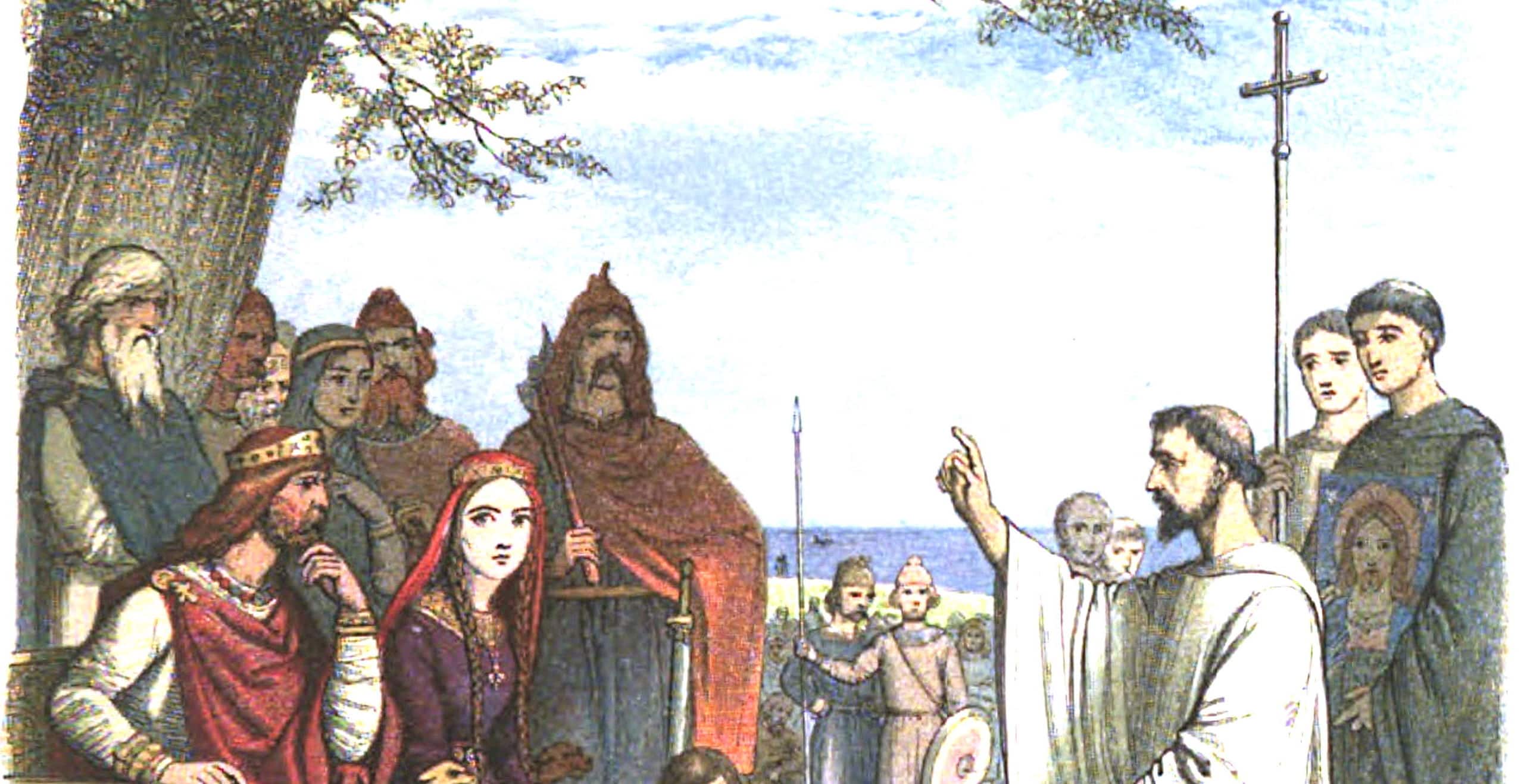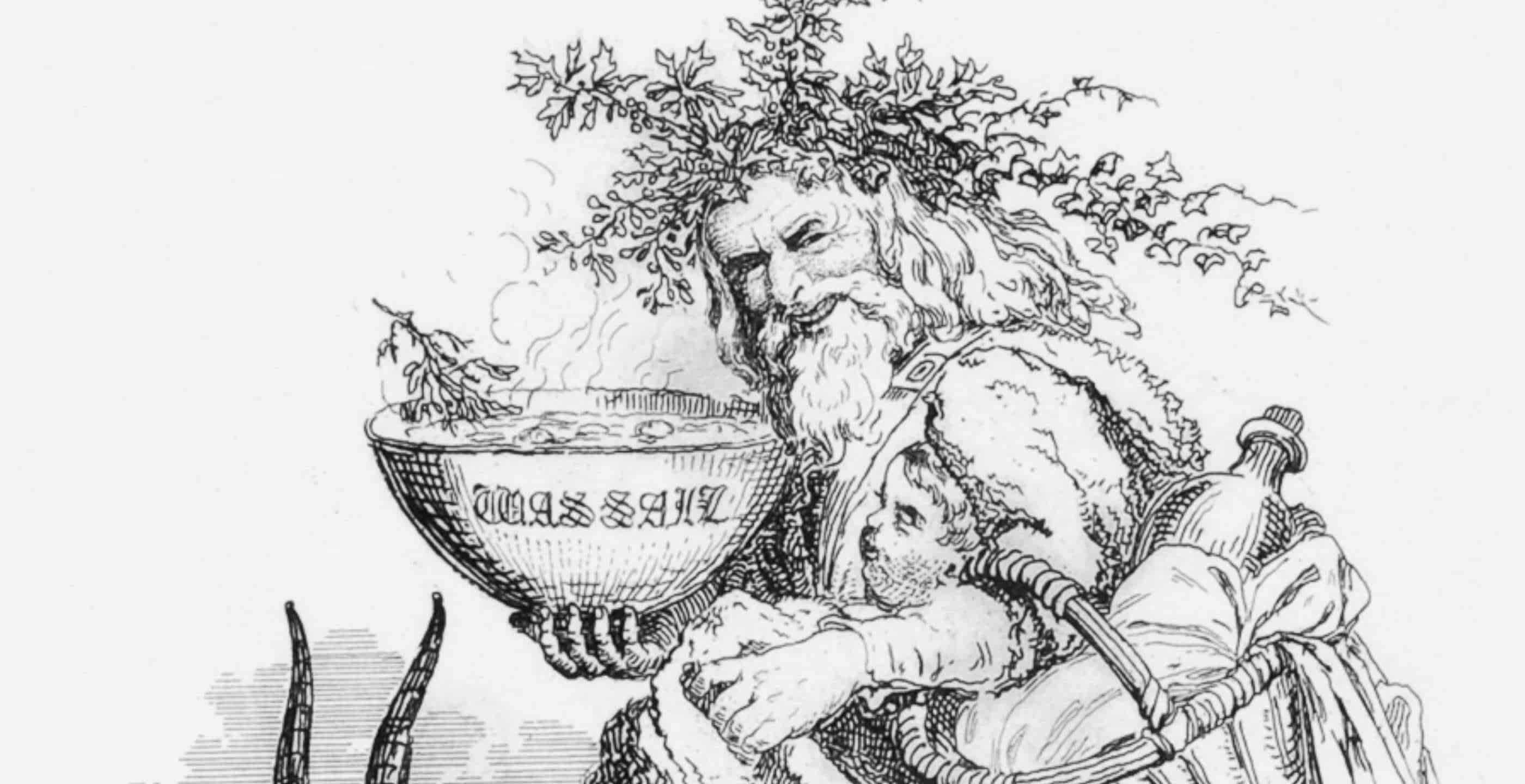


Anglo-Saxon tradition dictated that at the beginning of each year, the lord of the manor would greet the assembled multitude with the toast waes hael, meaning “be well” or “be in good health”, to which his followers would reply drink hael, or “drink well”, and so the New Year celebrations would start with a glass or two, or perhaps even a drop more! It is likely that such celebrations were being enjoyed many years before Christianity began to spread throughout Britain from around 600 onwards.
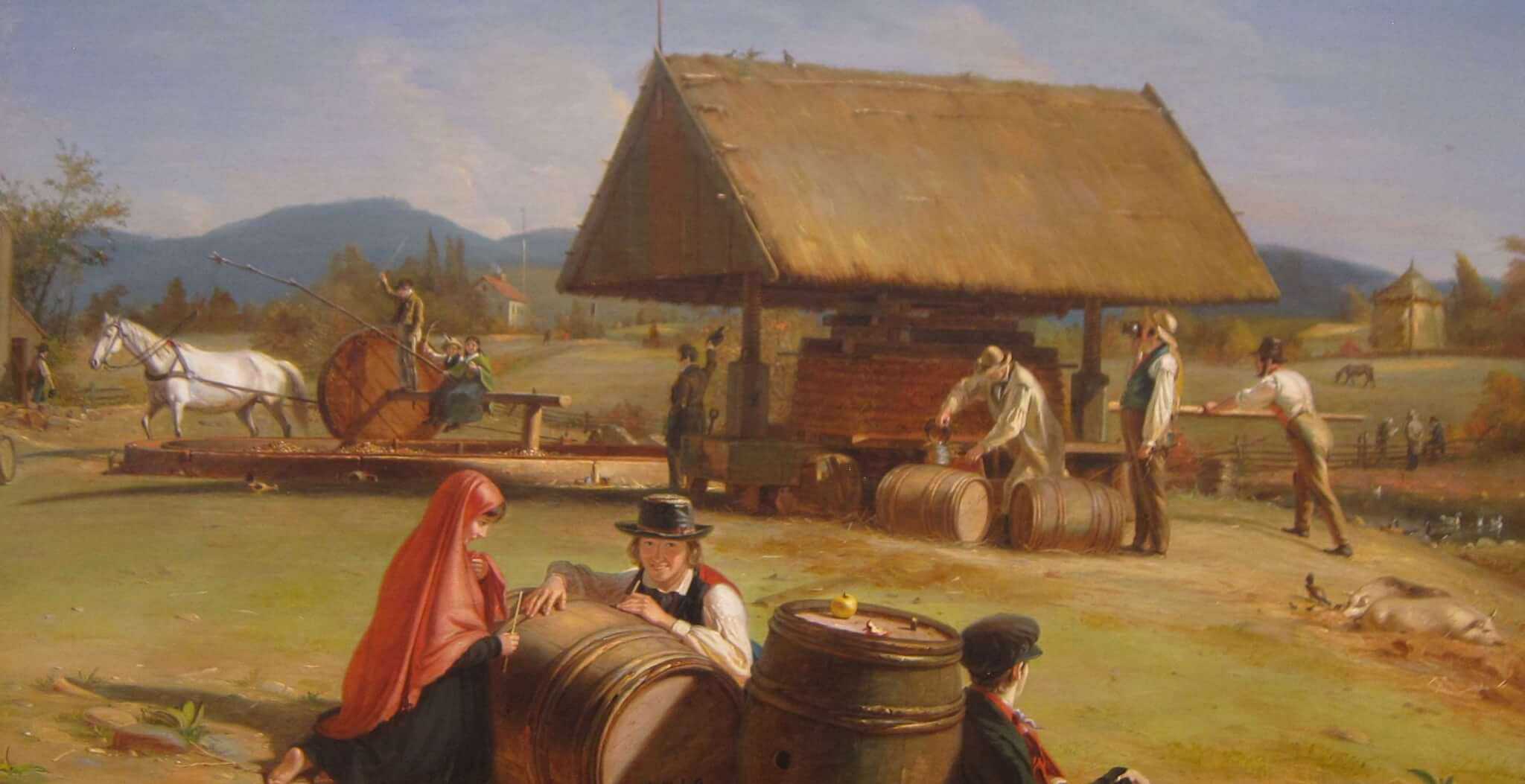
Depending upon the area of the country where you lived, the wassail drink itself would generally consist of a warmed ale, wine or cider, blended with spices, honey and perhaps an egg or two, all served in one huge bowl and passed from one person to the next with the traditional “wassail” greeting.
The Wassailing celebrations generally take place on the Twelfth Night, 5th January, however the more traditional still insist in celebrating it on ‘Old Twelvey’, or the 17th January, the correct date; that is before the introduction of the Gregorian calendar messed things up in 1752.
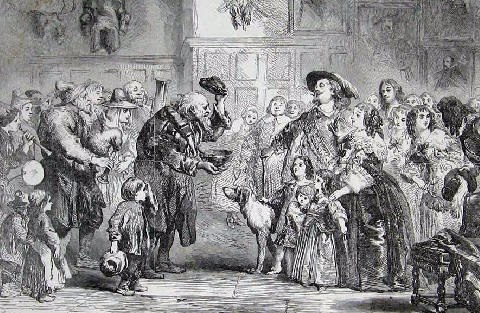
There are two distinct variations of wassailing. One involves groups of merrymakers going from one house to another, wassail bowl in hand, singing traditional songs and generally spreading fun and good wishes. The other form of wassailing is generally practiced in the countryside, particularly in fruit growing regions, where it is the trees that are blessed.
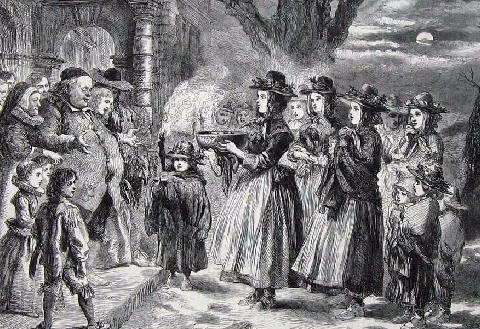
“Love and joy come to you,
and to you your wassail to;
and God bless you and send you
a happy New Year.”
The house-wassailing tradition has evolved into what we now recognise as carolling, where groups of people go from door-to-door singing Christmas carols. Some aspects of the original practise however can still be detected in the words of these carols; listen carefully as the wassailers demands begin, “now give us some figgy pudding”, and then as those demands turn to threats “and we won’t go until we’ve got some”.
The celebrations vary from region to region, but generally involve a wassail King and Queen leading the assembled group of revellers, comprising the farmers, farm workers and general villagers, in a noisy procession from one orchard to the next. In each orchard the wassailers gather round the biggest and best tree, and as a gift to the tree spirits, the Queen places a piece of wassail soaked toast into its branches, accompanied by songs such as;
“Apple tree, apple tree we all come to wassail thee,
Bear this year and next year to bloom and blow,
Hat fulls, cap fulls, three cornered sacks fills…”
The wassailers then move on to the next orchard; singing, shouting, banging pots and pans, and even firing shotguns, generally making as much noise as possible in order to both waken the sleeping tree spirits, and also to frighten off any evil demons that may be lurking in the branches.
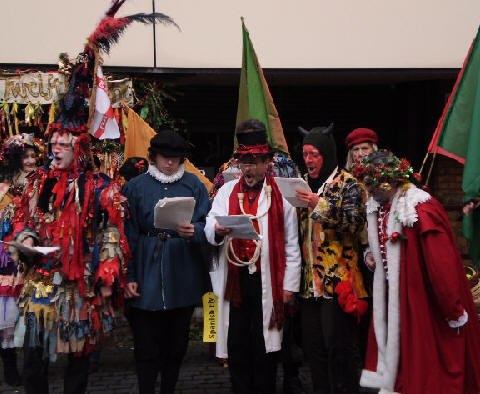
Twelfth Night Celebrations, Bankside, London, 3rd January 2010
As mentioned previously, the custom of apple tree wassailing is celebrated across the country, on either the new or old Twelfth Night. Other ancient wassailing traditions are also practiced each year in London, where the Bankside Mummers and the Holly Man will ‘bring in the green’ and waes hael the people and the River Thames.