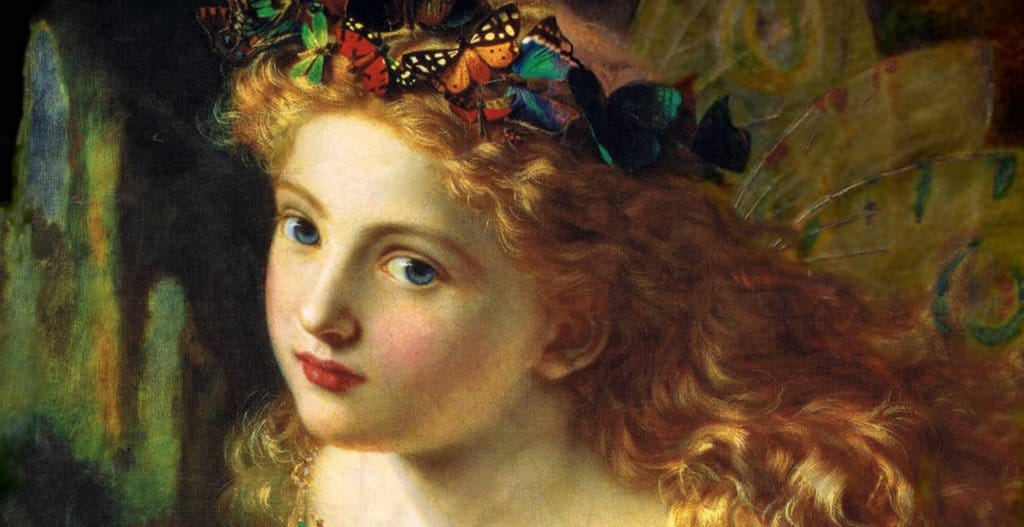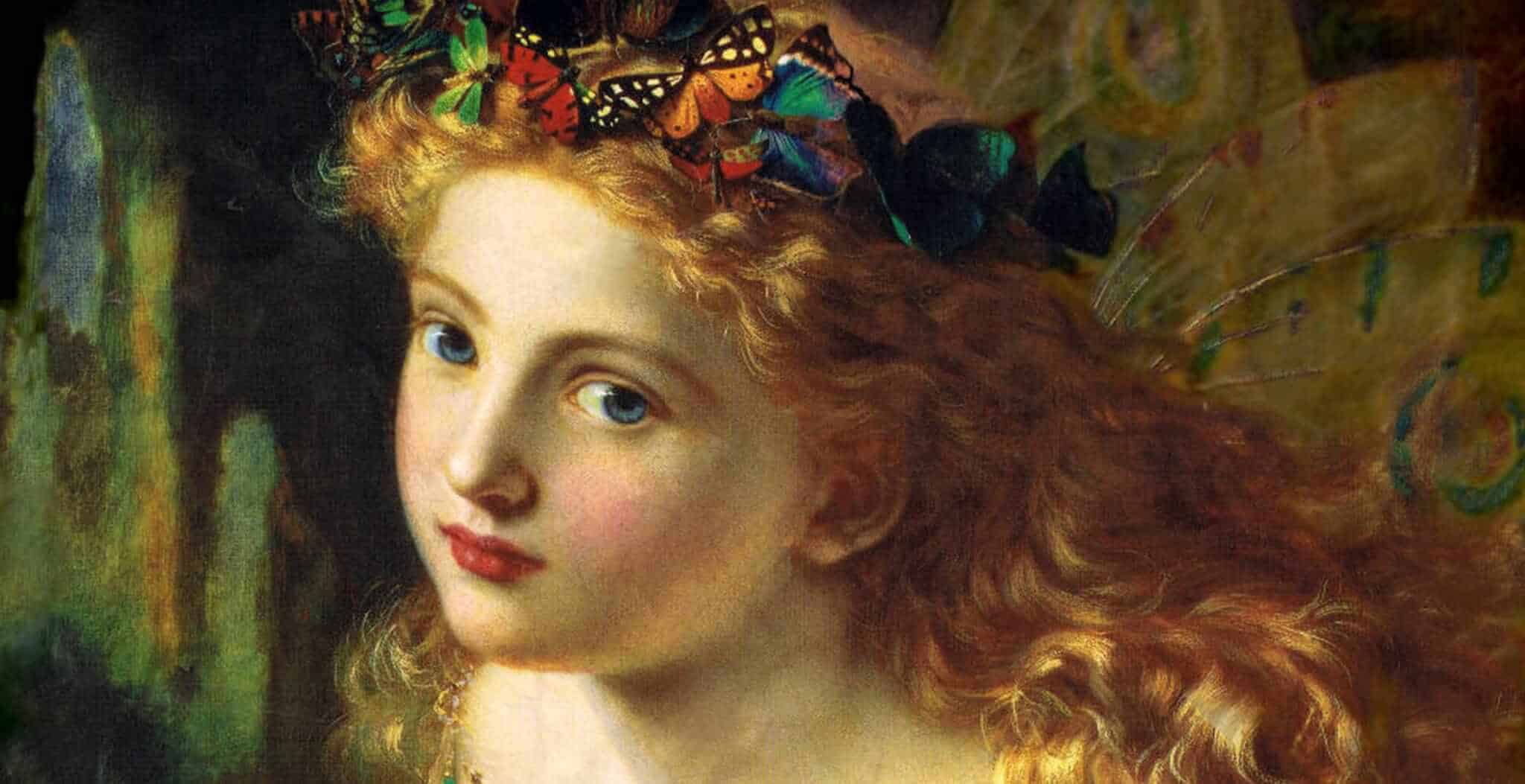


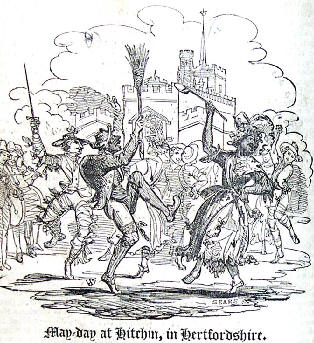
The picture on the left is of the Milk Maid’s Dance, representing May Day celebrations.
Readers should always check with local Tourist Information Centres (TIC’s) that events or festivals are actually taking place before setting out to attend.
Permanent Dates in May
| 1st May | May Day and the Celtic Festival of Beltane. | Across Britain | In the calendar of the ancient Celts it is easy to understand the importance of the first day of summer. The ‘fire of Bel’, or Beltane as it was called, was celebrated with bonfires to welcome the new season. Known today as May Day, it has through the ages remained the most important day of the folklore year.
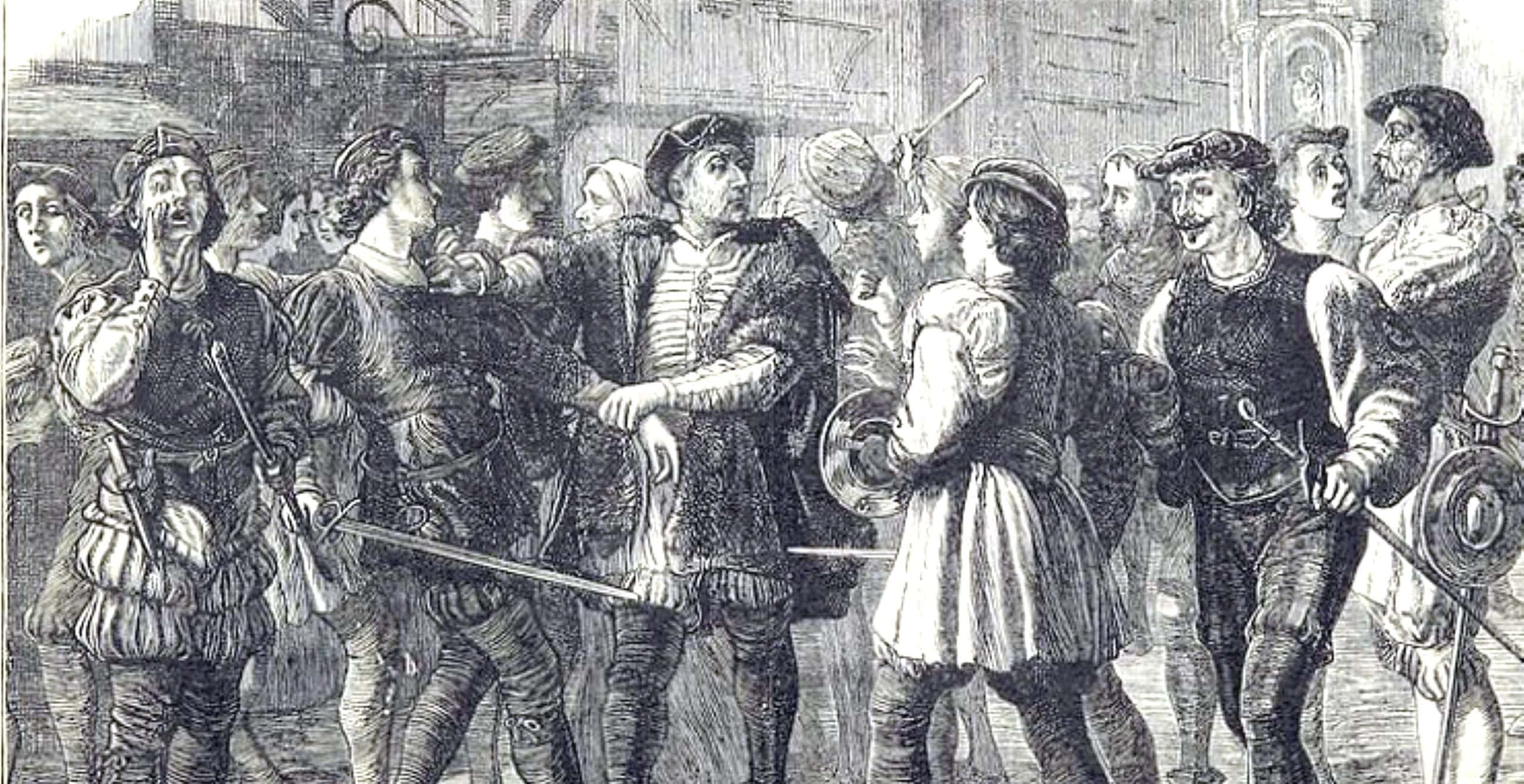
Despite being opposed through the centuries by both Church and State many May Day Celebrations survive today. Maypole dancing, with its sinister hints of tree worship, was described by the Puritans as ‘a heathenish vanity’ and was accordingly banned. Dancing did not start again until after the restoration of Charles II. Other ways to welcome the summer include the crowning of the May Queen, the mad antics of Jack-in-the-Green and the rampaging of the Hobby Horses. |
| 1st May | Hobby Horse Day | Padstow, Cornwall | Celebrations commence when midnight is struck on 30th April with the singing of the May Song outside the Golden Lion Inn.
The ‘Obby ‘Oss, with its horse shaped head and curtained body, starts its dance through the winding streets of Padstow at 10 a.m. led by the Teaser. The origin to this ancient pagan ritual have been lost in the midst of time. |
| 1st May | May Day Carols | Magdalen Church School, Oxford | At six o’clock in the morning the school choir celebrates by singing a hymn of thanksgiving Te Deum Patrem Collimus from Magdalen College Tower. The college bells sound and Morris Dancing starts in the streets below.
It is thought that this ceremony replaces a requiem held in the tower until the Reformation. |
| 1st May | Maypole Dancing | Charlton-on-Otmoor, Oxfordshire;
Barwick-in-Elmet, Yorkshire; Welford-in-Avon, Warwickshire. |
The Puritans were responsible for tearing down hundreds of village maypoles throughout England and Wales. Despite all attempts to remove these symbols of ancient pagan tree worship several have withstood the tides of time. The tallest, said to measure 86 feet, is to be found at Barwick in Elmet, Yorkshire. |
| 8th May | Furry Dance | Helston, Cornwall | Deriving from the Celtic word feur, meaning festival, the celebrations start early in the morning. At 7 o’clock the first dance of the day gets underway. The main event begins at noon when gentlemen dressed in morning suits and top hats dance their way through the narrow streets accompanied by their ladies. The final dance of the day starts around 5 o’clock and is open to all-comers! |
| 13th May | Garland Day | Abbotsbury, Dorset | Garlands of flowers were placed in boats, and put out to sea where a blessing was given in order to bring luck for the fishing season. As there are no longer any fishing boats in Abbotsbury, children parade the garlands through the village. |
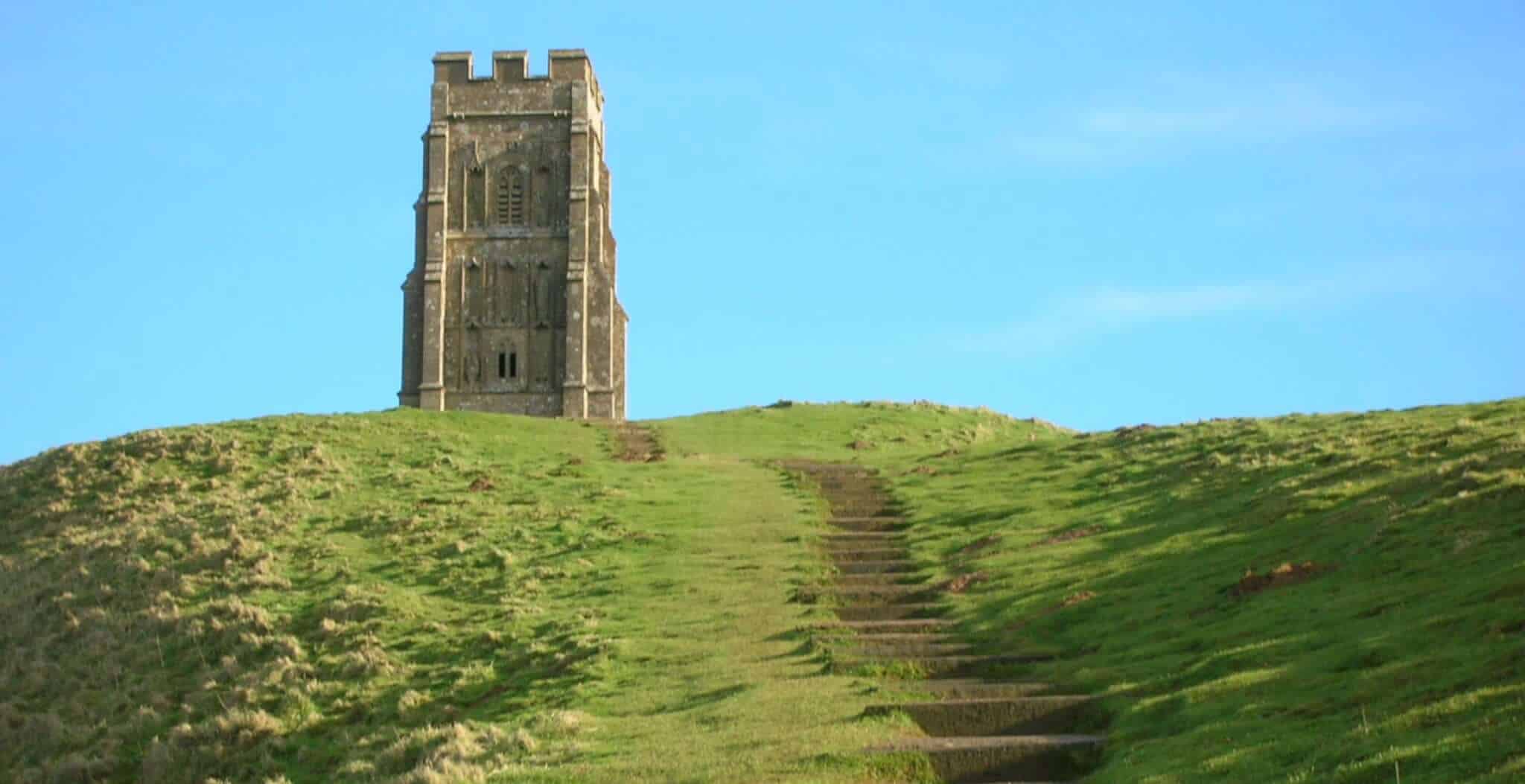
| 19th May | St Dunstan’s Day | Dunstan was an Anglo-Saxon saint; he was born a few miles from Glastonbury in Somerset, around 909AD. His father was a Wessex nobleman of royal blood.
Glastonbury was a place for Christian pilgrimage and a renowned centre of learning at that time. Dunstan was educated at the Abbey before joining his uncle Athelm, Archbishop of Canterbury, at the court of King Athelstan of Wessex. When Athelstan died his successor Edmund named Dunstan as Abbot of Glastonbury. Dunstan acted as a royal advisor. In 955 however, Dunstan argued with the young King Eadwig, who confiscated Dunstan’s property and exiled the monk. Dunstan was called back to England by Edgar, king of Northumbria and Mercia. Under Edgar’s influence Dunstan became Bishop of Worcester, and when Eadwig died in 960, Dunstan was named Archbishop of Canterbury. Dunstan arranged the details of Edgar’s coronation as king, which remains the basis of royal coronations today. When he died in 988 Dunstan became the most popular English saint of his day and his tomb became a place of pilgrimage. |
|
| 29th May | Oak Apple Day, Arbor Tree Day. | Aston on Clun, Shropshire | These celebrations commemorate the escape of Charles II after the Battle of Worcester in 1651. He escaped his pursuers by hiding in an oak tree whilst they searched the ground below. In 1660 Charles proclaimed Arbor Day, when the trees were to be dressed. |
| 29th May | Founder’s Day | Royal Hospital, Chelsea, London | Chelsea Pensioners parade in front of a Reviewing Officer and three cheers are given for Charles II, who established the Royal Hospital as a home for old soldiers. His statue is decorated with oak leaves in memory of his escape. |
| 29th May | Garland King | Castleton, Derbyshire | Charles’s escape from the pursuing Roundheads is remembered with a procession through the village. The Monarch astride his horse makes his way through the village to the Market Square for some maypole dancing. |
| 29th May | Grovely Forest Rights | Wishford, Wiltshire | In 1603 the villagers were granted the rights to collect wood from Grovely Forest for all time. They celebrate this by marching to the forest once a year. They return with large branches of oak, chanting “Grovely, Grovely and all Grovely” and carrying a banner bearing the words “Grovely, Grovely and all Grovely. Unity is Strength!” After this there is a procession and fete. |
Flexible dates in May
| Various dates around May Day, checkout the details of these events at the Morris Ring website | Morris Dancing | Ashdown Forest, Bristol, Cerne Abbas, King’s Lynn, Long Mynd, Sherwood Forest, Trafalgar Square and Wimbledon Common. | Regarded as an ancient tradition even in the reign of Elizabeth I, these ‘madde men’ with their ‘Devils dance’ were banned by the Puritans following the English Civil War. |
| Saturday closest to May Day | Royal May Day Festival | Knutsford, Cheshire | Dating back to 1864 the current festival starts with a procession led by the Town Crier. When the crowds reach Knutsford Heath the May Queen is crowned and the festivities commence.
The origins of the festival are thought to relate back to a much earlier custom known as ‘Sanding the Streets’. This legend recalls an event in 1017, when King Canute gained victory over the Scots. After fording a stream the king paused to shake the sand from his shoes, he blessed a newly married couple who just happened to cross his path, wishing them as many children as the grains of sand at their feet. |
| Throughout May | Well-Dressing | In the Derbyshire villages of Ashford, Etwall, Little Chester, Middleton, Monyash, Tissington and Wirkworth. | |
| First Saturday in the month. | Gawthorpe May Festival | Gawthorpe, Yorkshire | Retaining all the elements of a traditional May Day celebration, commencing with the crowning of the May Queen, then onto the procession and finally the maypole dancing. |
| May Bank Holiday (Usually the first Monday in the month) | Jack-in-the-Green Festival | Hasting, Sussex | Jack has been an important character in May Day celebrations since medieval times; some claim he is even older than that, a relic from the days of ancient tree worship. |
| Late Spring Bank Holiday (Usually the last Monday in the month). Many customs formerly celebrated on Whit Monday now take place on this day. | Hooden Horse Celebrations | Charing, Kent | Similar to Padstow’s ‘Obby ‘Oss detailed above, the Hooden Horse tradition in thought to have been brought to Kent by the invading Jutes. |
| Late Spring Bank Holiday | Well Dressing | Endon, Staffordshire | |
| Late Spring Bank Holiday, formerly celebrated on Whit Monday | Cheese Rolling | Cooper’s Hill, Brockworth, Gloucestershire | In this centuries-old custom competitors chase a rolling cheese down a three-in-one slope. The first person to get to the bottom of the hill gets to keep the cheese. |
| Late Spring Bank Holiday, formerly celebrated on Whit Monday | Ram Roasting | Kingsteignton Fair, Devon | Legend recalls that a long and dreadful drought was brought to an end only after a ram was sacrificed. |
| Late Spring Bank Holiday, formerly celebrated on Whit Monday | Dicing for Bibles | St. Ives, Cambridgeshire | This tradition involves twelve children throwing dice for six Bibles in the church school. The money to purchase the Bibles deriving from a bequest left by Dr Robert Wilde in 1675. |
| Late Spring Bank Holiday, formerly celebrated on Whit Monday | Walsingham Pilgrimage | Waslingham, Norfolk | Walsingham became a major centre of pilgrimage in the 11th century, following a vision of the Virgin Mary to a Saxon noblewoman, Lady Richeldis de Faverches. A priory was built on the site, which grew in importance until its destruction in the Dissolution of the Monasteries by Henry VIII in 1539.
The shrine was restored in 1931, and modern pilgrims continue to visit it. |
| Whit Sunday | Bread and Cheese Dole | St Briavels, Gloucestershire | The ‘dole’ small pieces of bread and cheese are thrown to members of the congregation leaving church after evensong.
In past times each person who claimed the ‘dole’ had to pay a penny which then entitled him to cut and take wood from the Hudnalls or the Free Woods. The event is said to date from the time of Milo, Earl of Hereford, in the 12th century but was first recorded in 1799. |
We have taken great care in recording and detailing the festivals, customs and celebrations presented in our Folklore Year calendar, if however you consider that we have omitted any significant local event, we would be delighted to hear from you.