

T.E. Lawrence has often been compared with the likes of James Dean, as one of the most widely publicised folk heroes of the twentieth century, and not just in Great Britain, but throughout Europe and the United States. But who was this complex man, and what was is it that made him so important?
Thomas (T) Edward (E) Lawrence, more popularly known as Lawrence of Arabia, was born at Tremadoc in North Wales. But Lawrence was not actually his name at all! He was in fact the son of Thomas Chapman, later to become Sir Thomas Chapman.
The Chapmans were Irish Protestant landed gentry. Thomas had escaped a reportedly tyrannical wife and had run away with his daughter’s governess, Sarah Judder. Thomas and Sarah assumed the surname “Lawrence” and had five sons together, of whom the second was T. E., born on 15th August 1888.
T. E. learned to read at a very early age by listening to and copying his elder brother. By the tender age of four he was reading both newspapers and books, and started studying Latin when he was just six. He entered Oxford City High School at the age of eight, where he developed an interest in literature, archaeology and architecture.
As a boy, he was already developing into somewhat of a complex character. He taught himself survival skills, endurance and self-denial; he gave up eating meat for years and practiced sleep deprivation. He developed his body by frequently riding his bicycle in excess of a hundred miles a day and practiced with the gun, eventually becoming a crack shot.
He won a Welsh scholarship to the modern history school of Jesus College, Oxford, in 1907 and selected as his final year thesis “The Influence of the Crusades on European Military Architecture”. In 1909 as research for this, he had walked most of the nine hundred miles between Palestine and Syria studying the crusader castles in between.
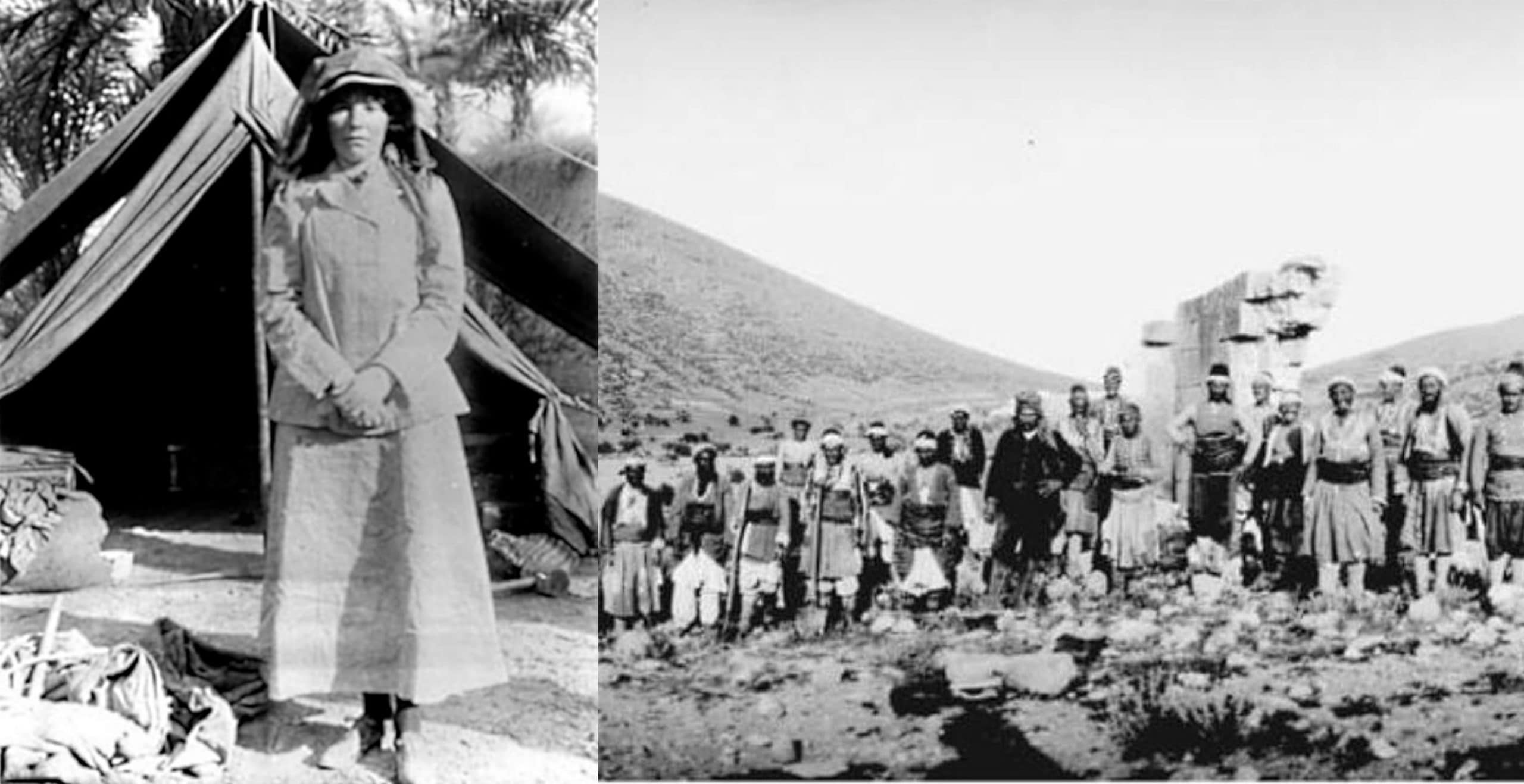
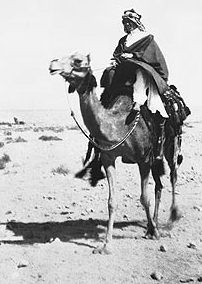 His efforts were rewarded with a First Class Honours degree in Modern History and he was awarded a bursary to fund four years of travel. During this time he undertook several expeditions throughout the Middle East, where he lived among Arab people and developed an understanding of and liking for their culture, language, food and clothing. His reputation as an expert in Arab affairs was already beginning to be established.
After the start of World War I in 1914, Lawrence obtained a commission into the War Office and was sent as part of the British Intelligence Service to Cairo in Egypt to work in the Arab Bureau as an interpreter and mapmaker.
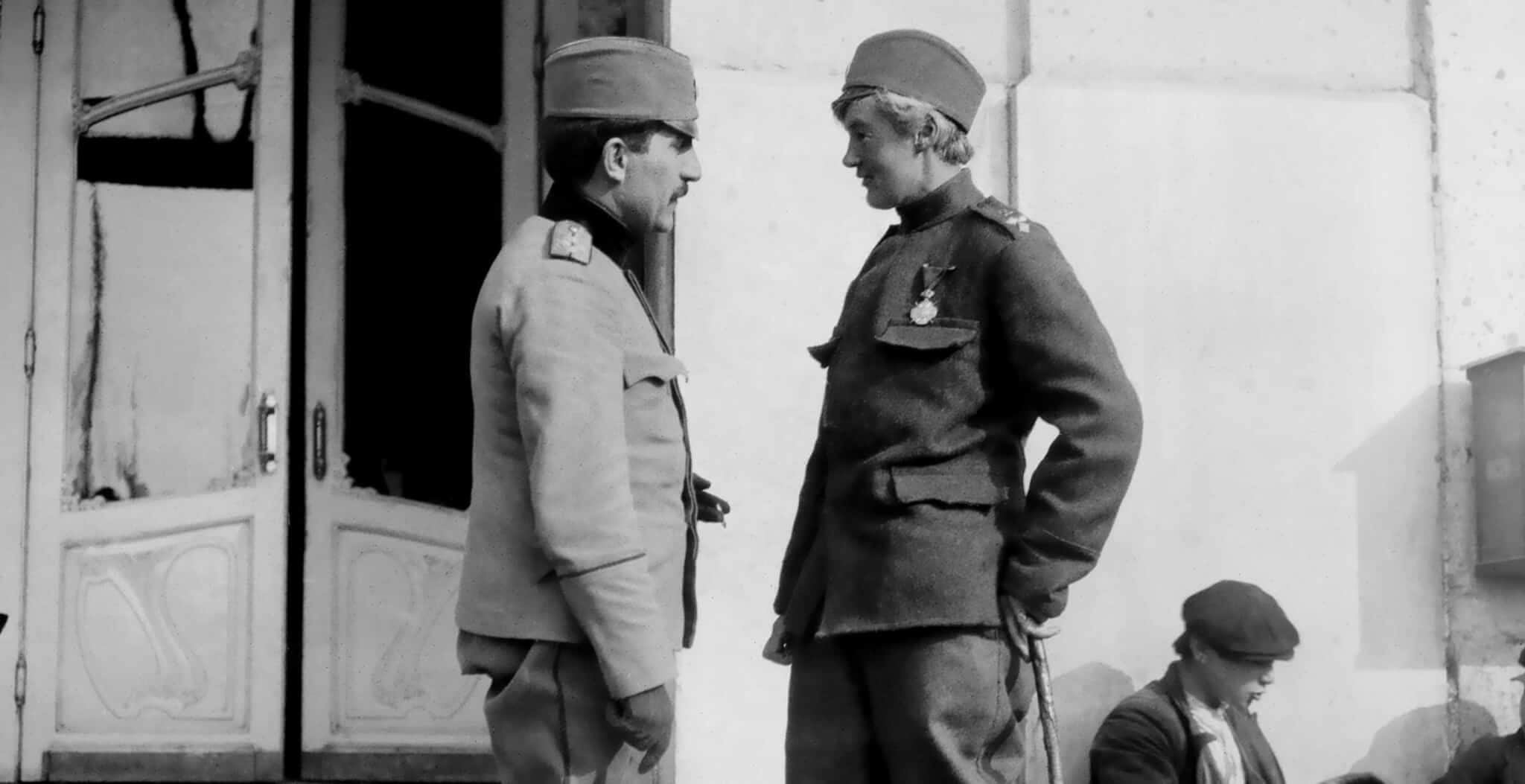
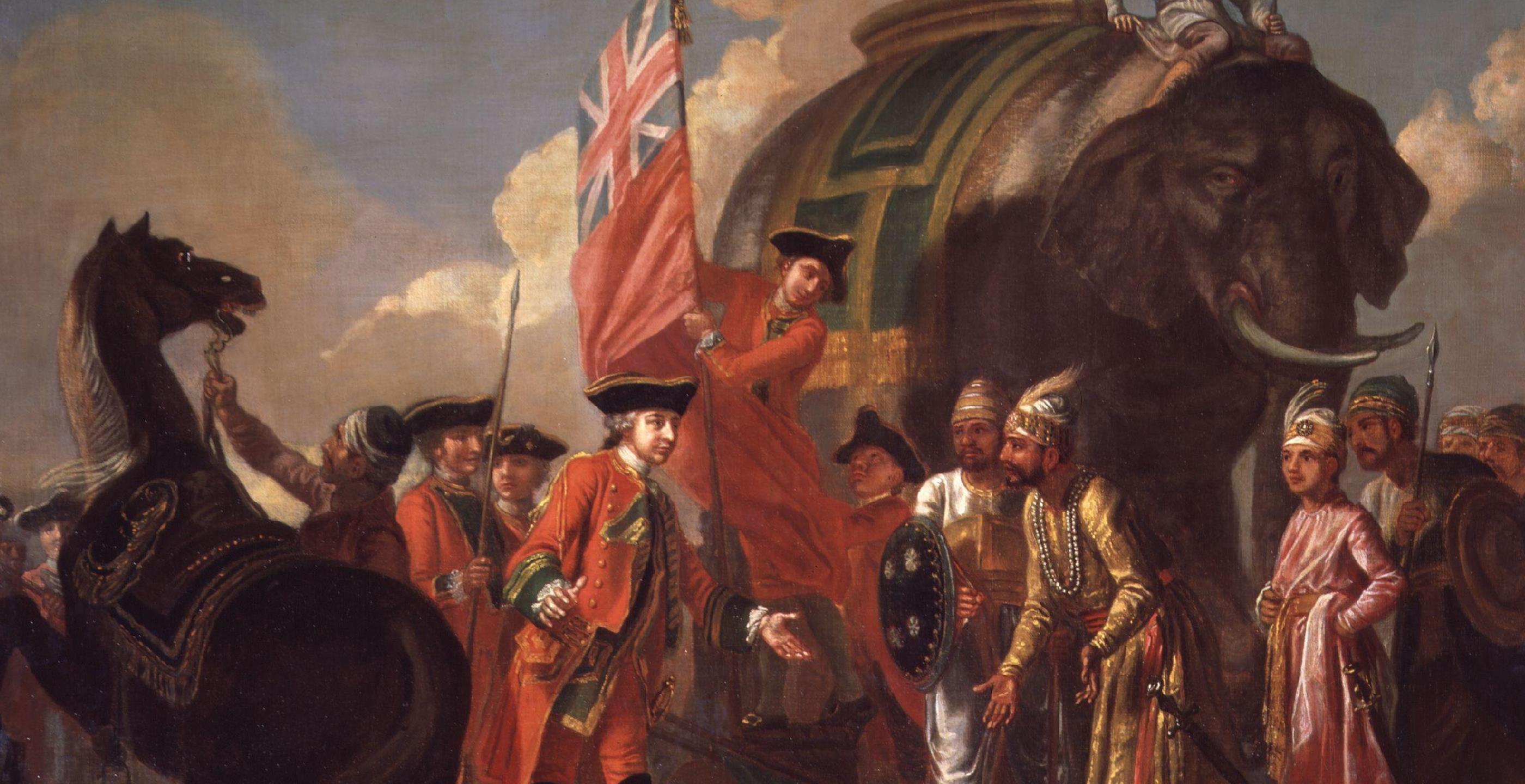
At that time Egypt was a British protectorate and was at the front line in a war that had broken out against the Ottoman Empire. The Arabs were in revolt against the Turkish occupiers who were then ruling the Arab Middle East. He eventually became a liaison officer between the British and the Arabs and was advisor to Prince Faisal, who was leading the Arab uprising against the Turks.
Lawrence gained Faisal’s confidence and helped him organise the Arab tribes into an effective guerrilla fighting force. The forces under his command finally defeated the Turks and brought most of the area south of Aqaba under Arab-British control. It was Lawrence himself who recognised the strategic importance of capturing the port of Aqaba on the southern tip of Palestine.
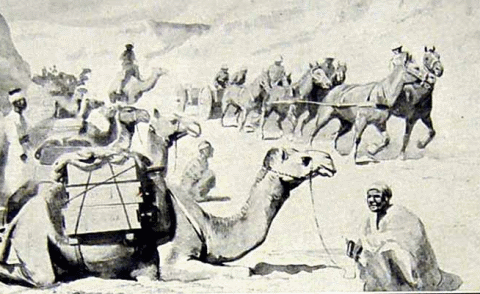
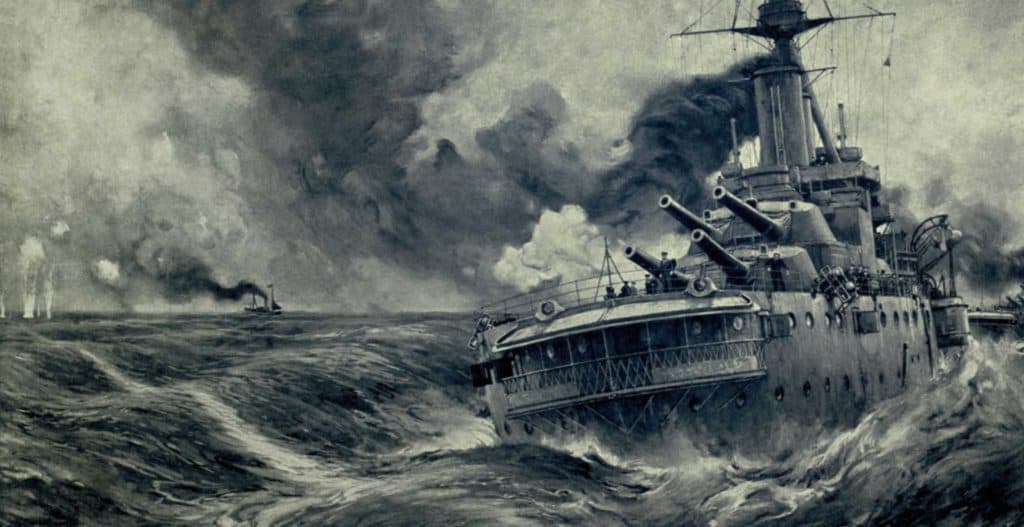
Now the Arabs had a port in Palestine through which the Royal Navy could transport men and munitions. A camel-cavalry corps was subsequently formed that would harass the Turkish flank as General Allenby’s Egypt-based army invaded Palestine and marched on to Syria.
Lawrence was subsequently promoted to the rank of Major in 1917, and then to Lieutenant-Colonel in 1918.
It was however a young American showman, Lowell Thomas, who invented “Lawrence of Arabia” and made him into one of the world’s first media stars. Thomas had raised enough money to send himself and a cameraman to the Middle East in search of a story with romance and colour that he could sell.
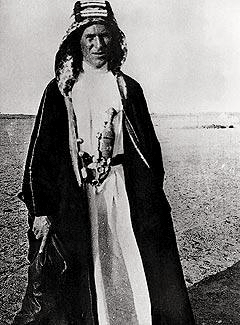 Almost immediately on arrival in the Middle East, Thomas found his man. At first even Thomas questioned the exotic tales that Lawrence relayed. But together Lawrence and Thomas would concoct a story that would take the world by storm. Using the photos as lantern slides, Thomas created a show that broke box office records across the globe. In London alone, more than a million people came to see it.
To an audience depressed for years by the hopeless slaughter caused by the trench warfare of WWI, Lowell Thomas brought to them a hero in gleaming white robes who rode to victory on a camel, a warrior-prince of the desert.
The celebrity status brought about by the show propelled T. E. into the political limelight.
After the war Lawrence worked in support of independence for the Arab states at the Versailles Peace Conference. He also served as adviser to Winston Churchill at the Colonial Office on Middle Eastern affairs, and it was during this time that he began to write about his adventures which were eventually published in 1935 under the title Seven Pillars of Wisdom.
Lawrence resigned from the Colonial Office in July 1922 and seeking a life of obscurity, entered the ranks of the Royal Air Force under the assumed name John Hume Ross. He was discharged the following January when a press release revealed his true identity.
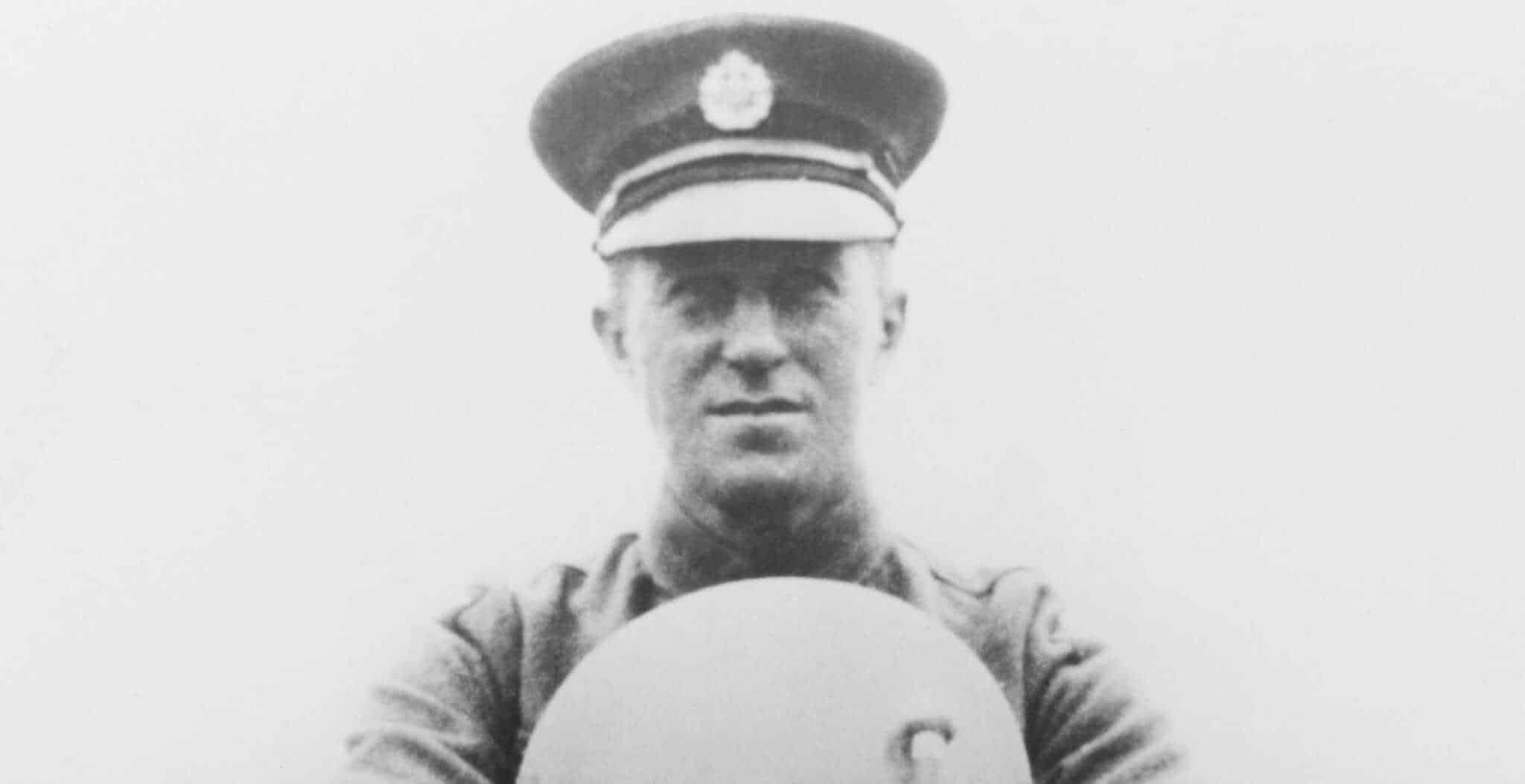
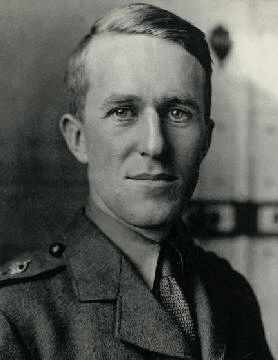 In March 1923 he joined the Royal Tank Corps as a private. Shortly after this he re-joined the Royal Air Force where he remained as Aircraftsman Shaw until he retired from the service in February 1935, at the age of forty-six. He retired to his country cottage, Clouds Hill at Bovington, Dorset.
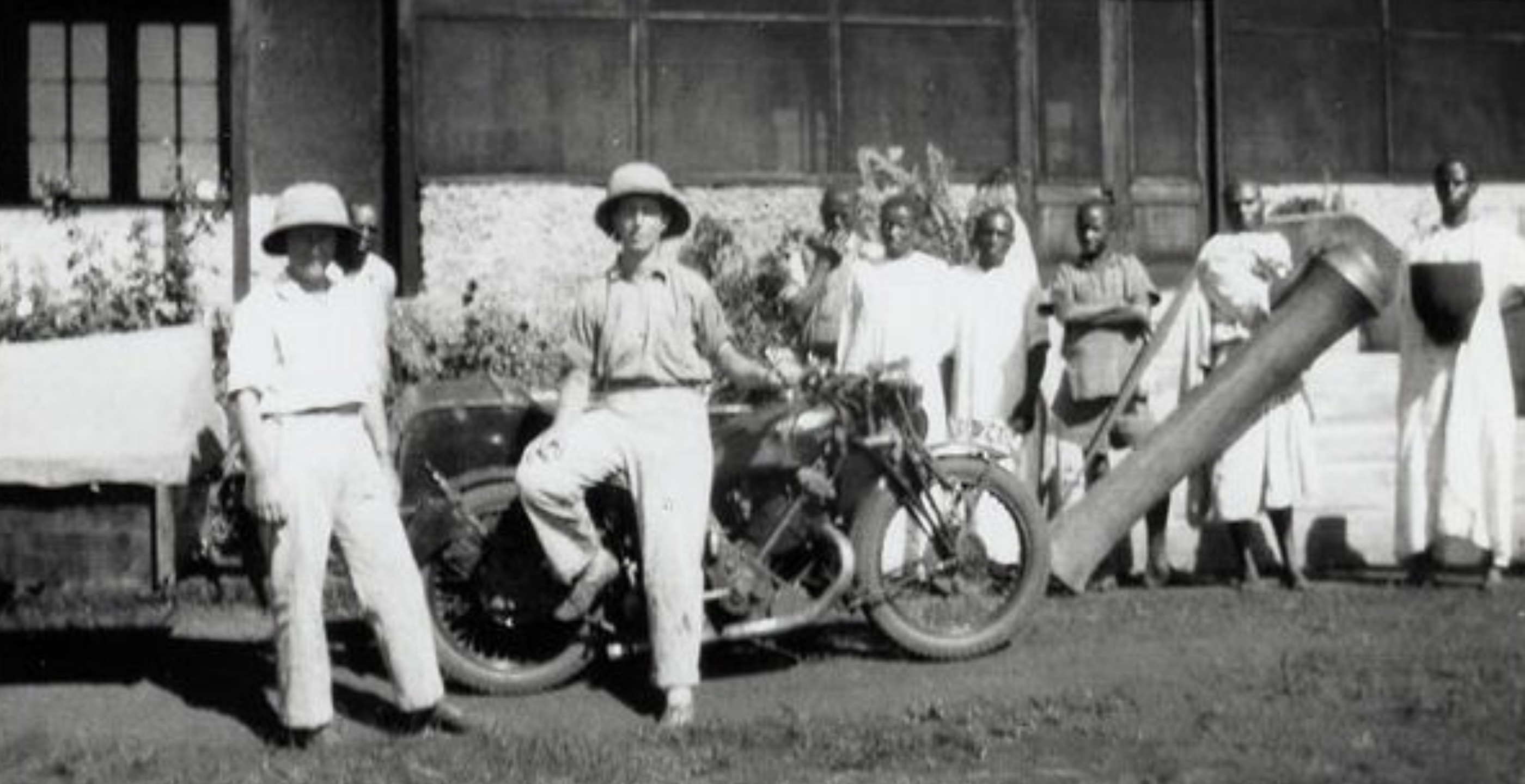
Just a few months into his retirement he was involved in a motorcycle accident, when he swerved to avoid two boys on bicycles, and died some days later on 19th May 1935 from head injuries. But such was the persona that had been created that several rumours surrounded his death, including one that he had committed suicide, yet another conspiracy theory blamed the authorities. Such is the end it appears, for many folk heroes.