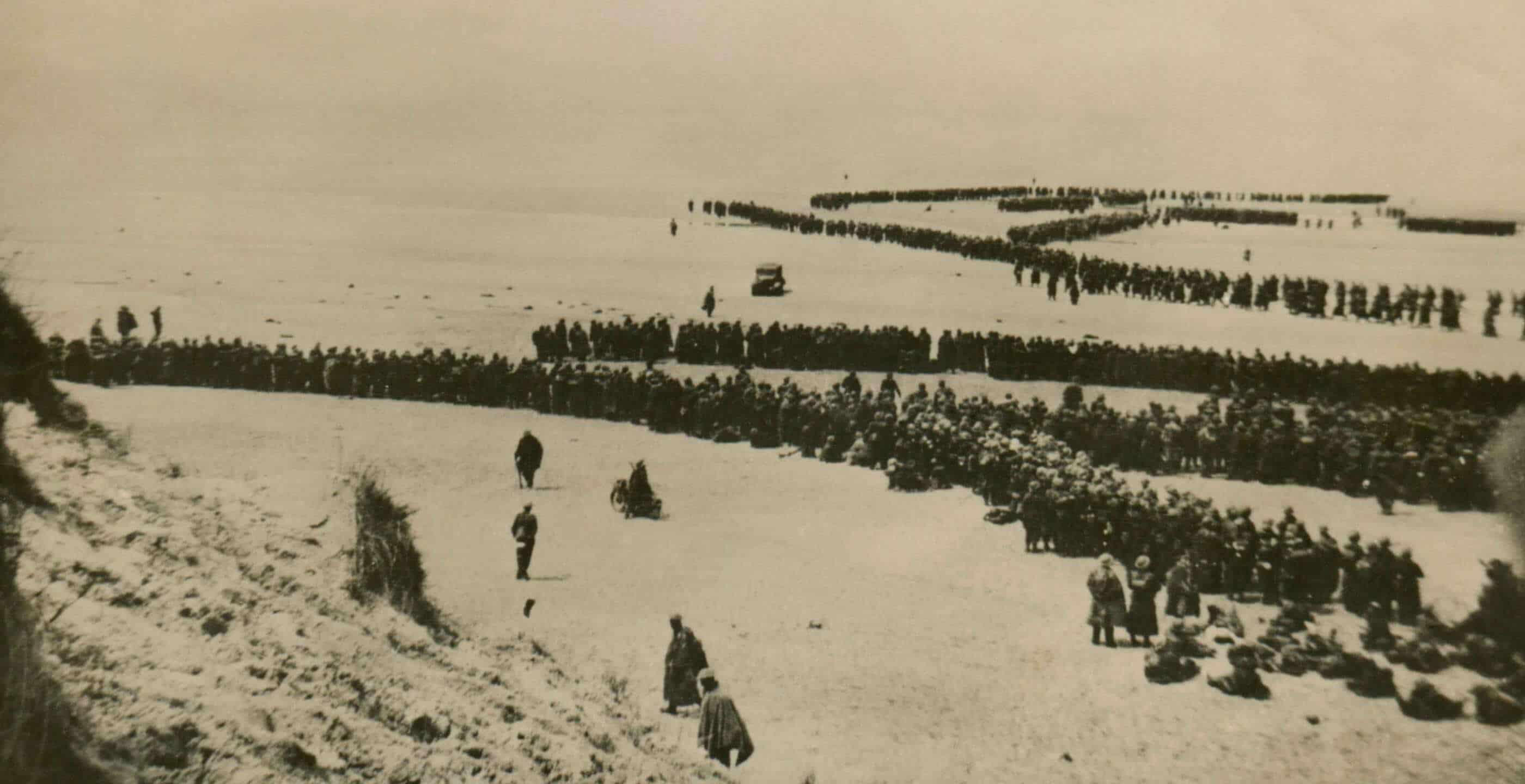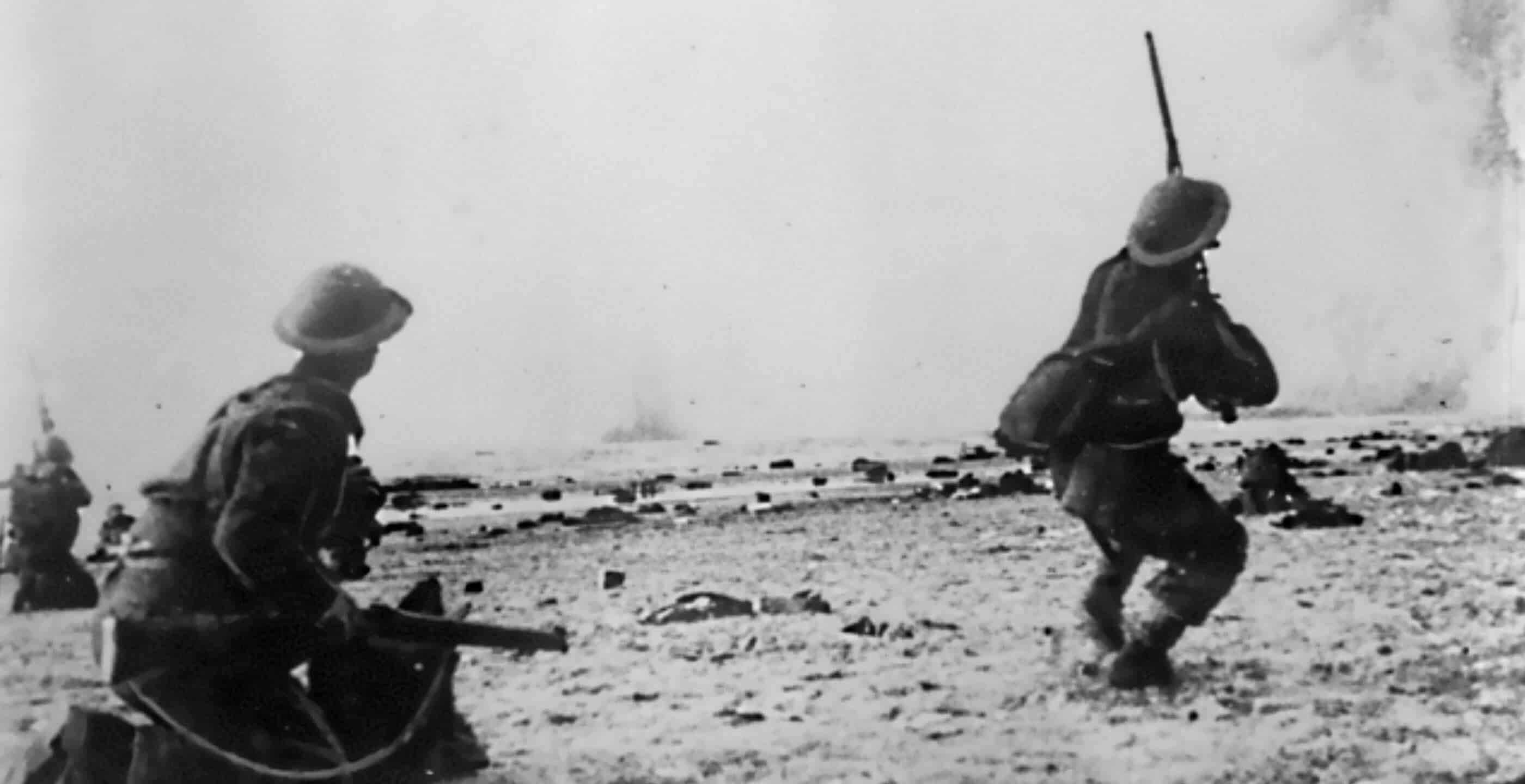


The year 2020 marked the 80th anniversary of the evacuation of more than 300,000 Allied soldiers from the beaches of Dunkirk, France between May 26th and June 4th 1940, during World War II.
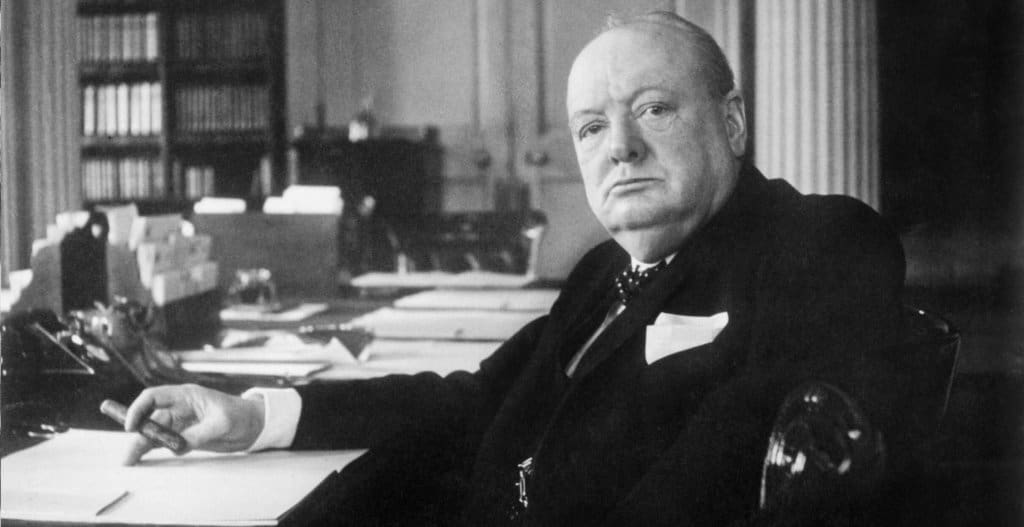
British, French, Canadian, and Belgian troops had been forced back to Dunkirk by the advancing German army. Nearly all the escape routes to the English Channel had been cut off; a terrible disaster had appeared inevitable. At the time Prime Minister Winston Churchill called it “a miracle of deliverance”.
On 12th May 1940, Adolf Hitler ordered the invasion of France. By 14th May 1940, German tanks had crossed the Meuse and had opened up a gap in the Allied front. Six days later they reached the English Channel.
The British, French and Belgium governments had seriously underestimated the strength of the German forces. As a result the British Expeditionary Force (BEF), as well as French, Canadian and Belgian troops, found themselves fighting against overwhelming odds. Before long, the Allied forces had retreated to the harbour and beaches of Dunkirk where they were trapped, a sitting target for the Germans.
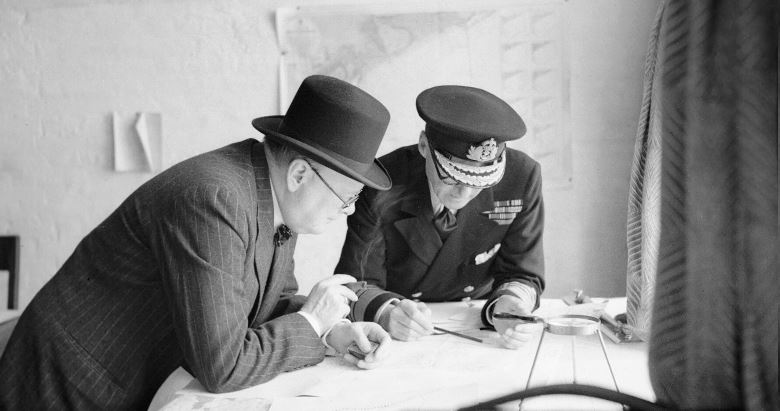
In an effort to at least evacuate some of the troops, just before 19.00 on the 26th May, Winston Churchill ordered the start of ‘Operation Dynamo’. This plan took its name from the dynamo room (which provided electricity) in the naval headquarters below Dover Castle, where Vice Admiral Bertram Ramsay had planned the operation.
Destroyers and transport ships were sent to evacuate the troops, but they only expected to have time to lift off about 30,000 troops.
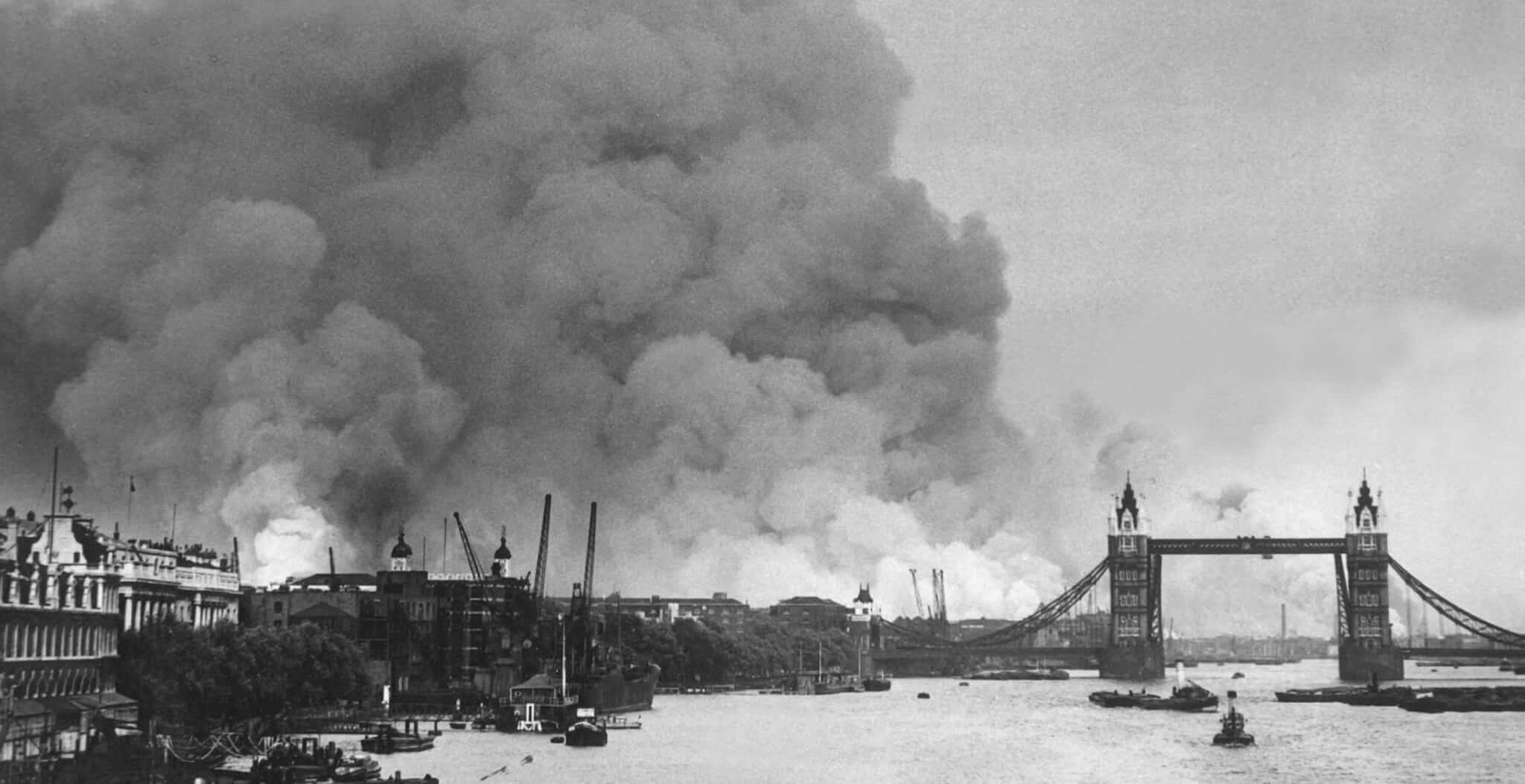
However, in one of the most widely-debated and potentially pivotal decisions of the war, Adolf Hitler ordered his generals to halt for three days, giving the Allies time to organise the evacuation. In the end, despite heavy fire from German fighter and bomber planes on the beaches, no full scale German attack was launched and over 330,000 Allied troops were eventually rescued.
The evacuation was by no means straightforward. Before long the harbour became partially blocked by ships sunk during the constant raids from enemy aircraft. It became necessary to take the troops off the nearby beaches, an almost impossible task because of shallow water which prevented large ships from coming in close to shore. Small ships were needed to ferry the troops from the beaches to the larger ships.
700 of these “little ships” were used. Many of the smaller vessels, such as motor yachts, fishing boats etc., were privately owned. Although a large number of these ships were taken across the English Channel by navy personnel, many were also taken over by their civilian owners.
It is thought that the smallest boat to make the journey across the Channel was the Tamzine, an 18 feet open topped fishing boat now on display at the Imperial War Museum, London.
The escape captured the minds and hearts of the British people at a time when it seemed that they too would soon be invaded. What was actually a defeat appeared like a victory when so many men were brought back safely to England… The Miracle of Dunkirk.
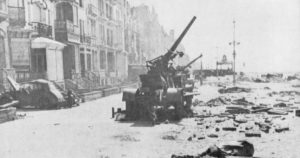
Between 27th May and 4th June 1940, nearly 700 ships brought over 338,000 people back to Britain, including more than 100,000 soldiers of the French Army. All heavy equipment was abandoned and left in France, including over 2,000 pieces of artillery and 85,000 motor vehicles. Also left behind were more than 440 British tanks that had been sent to France with the BEF.
The phrase “Dunkirk spirit” is still in use today to describe British people banding together in the face of adversity.
Published: April 30th, 2020.