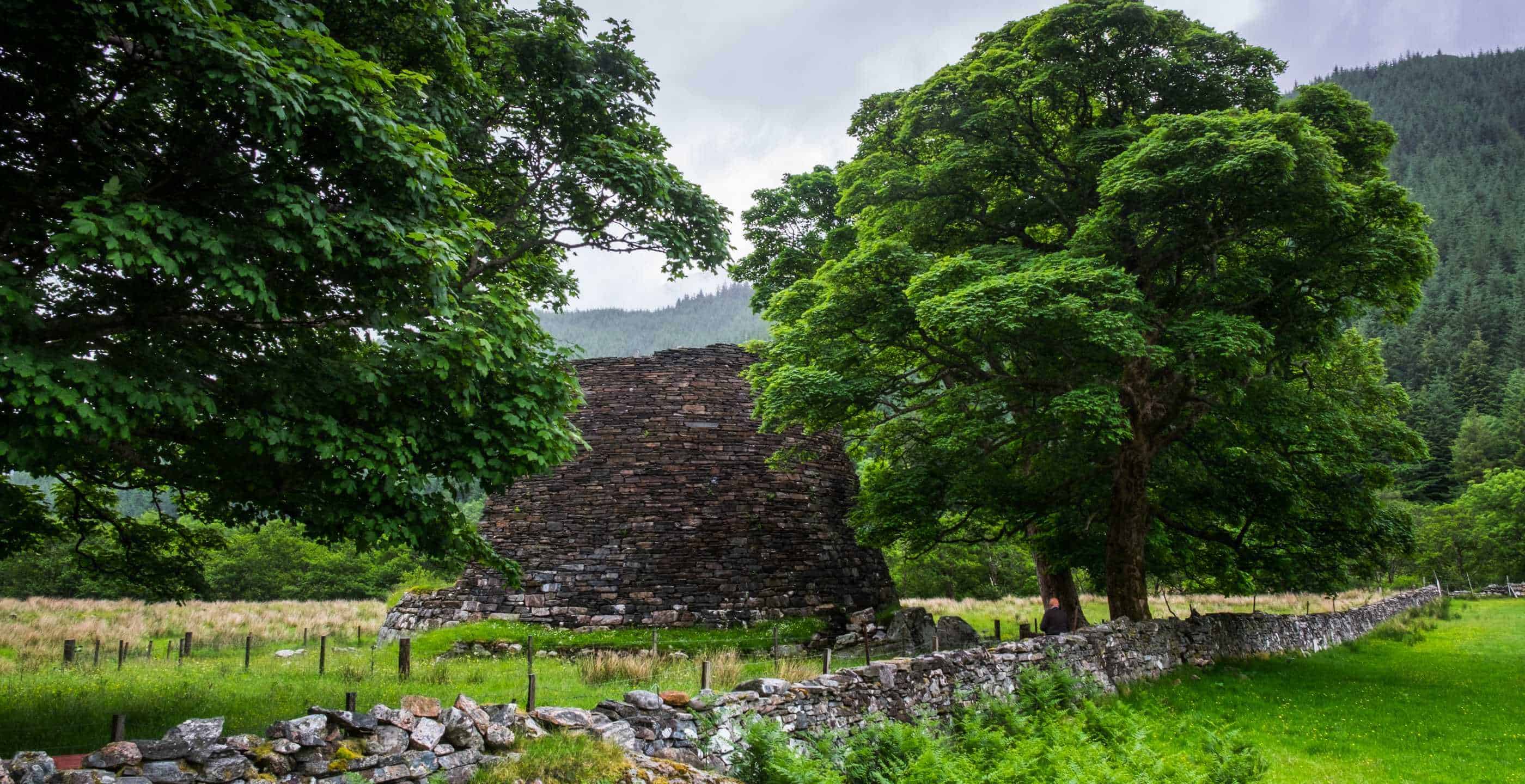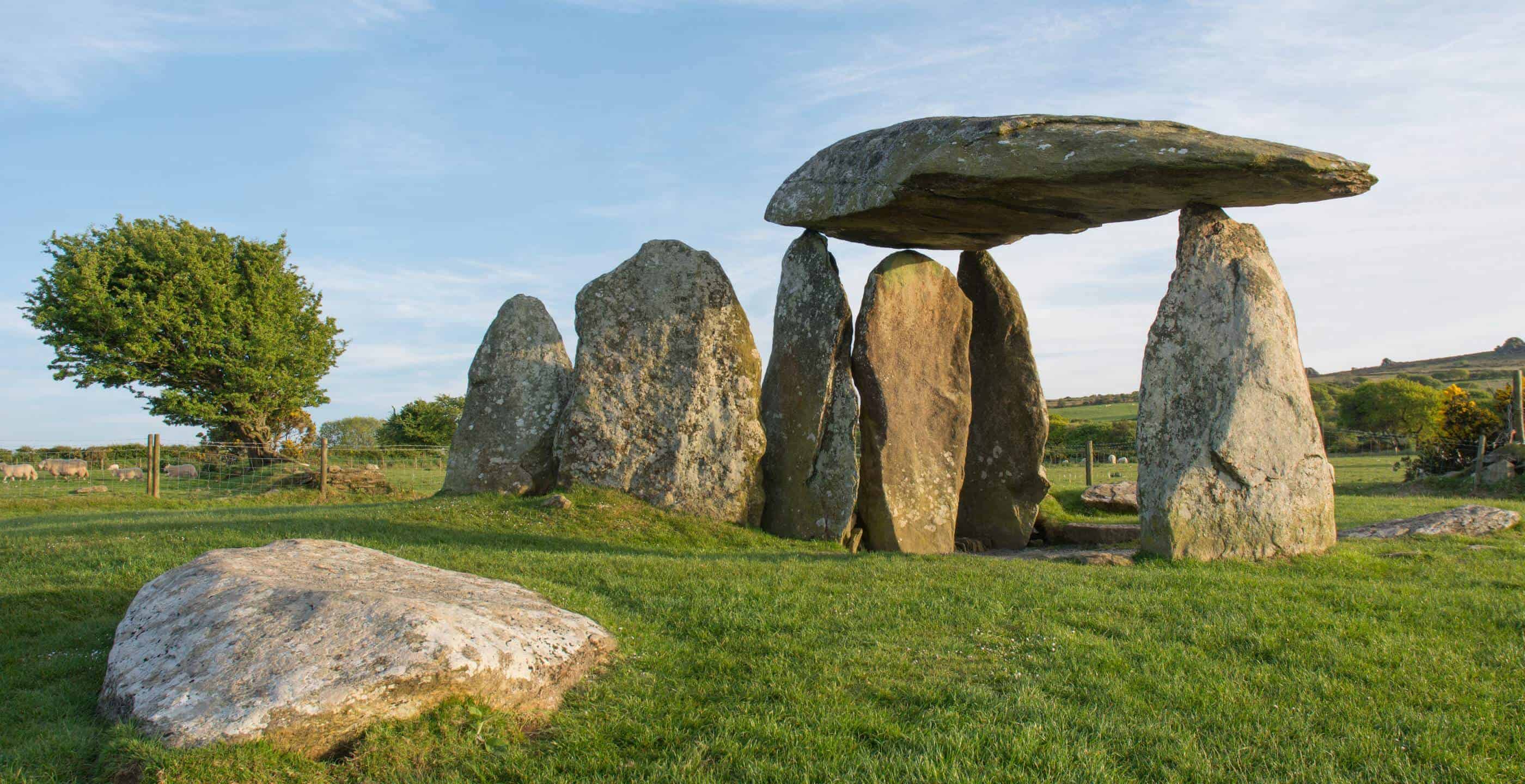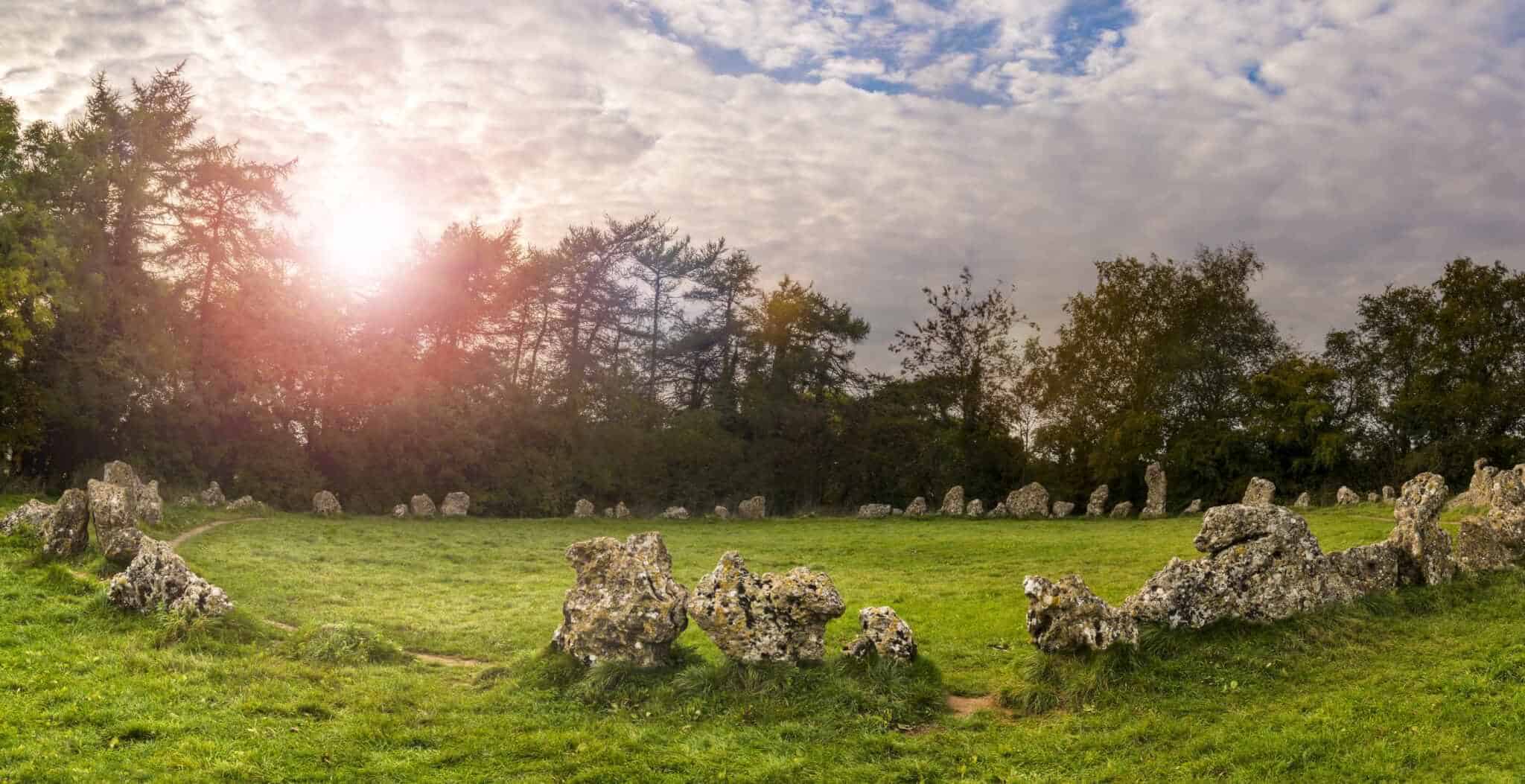


In Britain’s history the period 4,000 BC – AD 43 is referred to as Prehistory, as there are no written records covering these times. The information available has been pieced together like a jigsaw from archaeological finds. Like a real jigsaw, pieces are sometimes incorrectly placed or are missing altogether, which results in a constantly changing tapestry of bygone times.
The first people to arrive in Britain were nomadic hunter-gatherers who arrived from mainland Europe around 8,000 BC. As the name suggests these first Britons lived off the wealth of the land including the native elk, wild cattle and pigs, whilst presumably attempting to avoid the bears and wolves which also roamed the heavily wooded interior.
By around 6,500 BC, rising sea levels had cut off the land bridge with Europe, making Britain an island.
It was not until about 4,000 BC that a party of ‘young farmers’ arrived from southern Europe, presumably by boat, bringing with them perhaps the first phase in man-made environmental disasters. The newly-practiced of deforestation was instigated as trees, woods and forests were cleared to create land to accommodate domesticated plants and animals. These ‘young farmers’ proved to be so effective at genetically modified breeding (crops and livestock) that the population of Britain rocketed to approximately one million by 1400 BC.
Following the ‘young farmers’ other visitors from Europe came – Belgae, Celts and Gauls arrived starting the trend for the multi-cultural Britain of today. In particular it is the arrival of the Celts in Britain that provokes thoughts of a period of time shrouded in mystery and myth. The artistic style of these Iron Age people, twisting and bending animal, plant and human forms, are common across Europe.
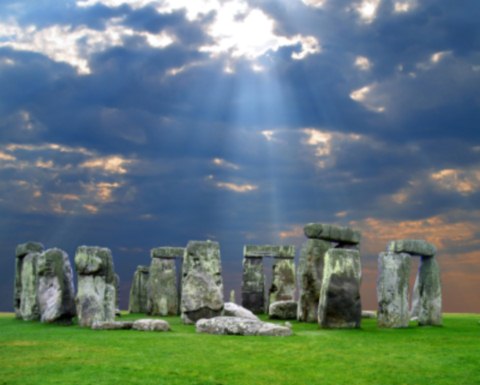
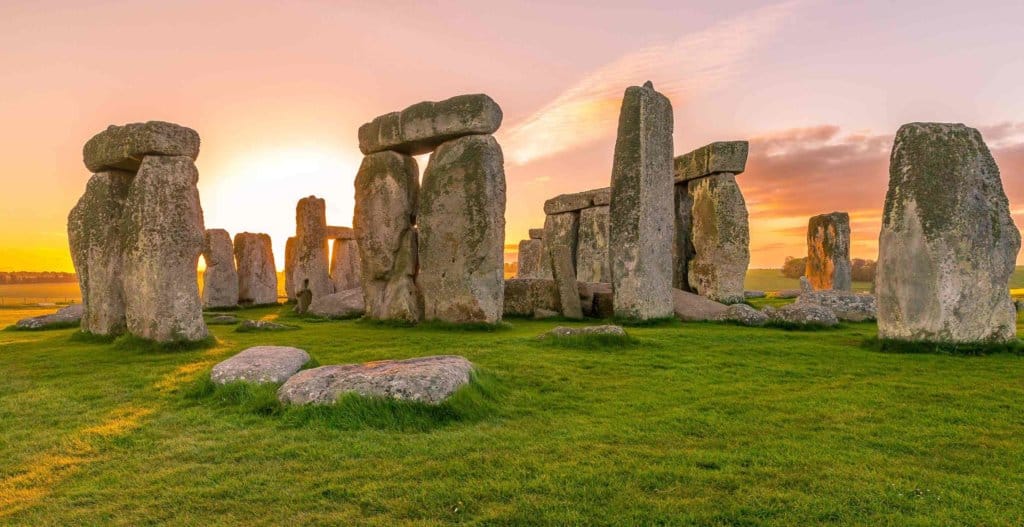
The Shaman or priests of the Celts known as Druids proved an irritant to the Romans when they arrived in AD 43 – today Druids still welcome the summer solstice each year at Stonehenge.
This brief review has condensed the past several thousand years to just a few sentences. Historians have tended to further segregate these times based upon the materials of manufacture of the people’s favourite hunting or fighting implements, namely:
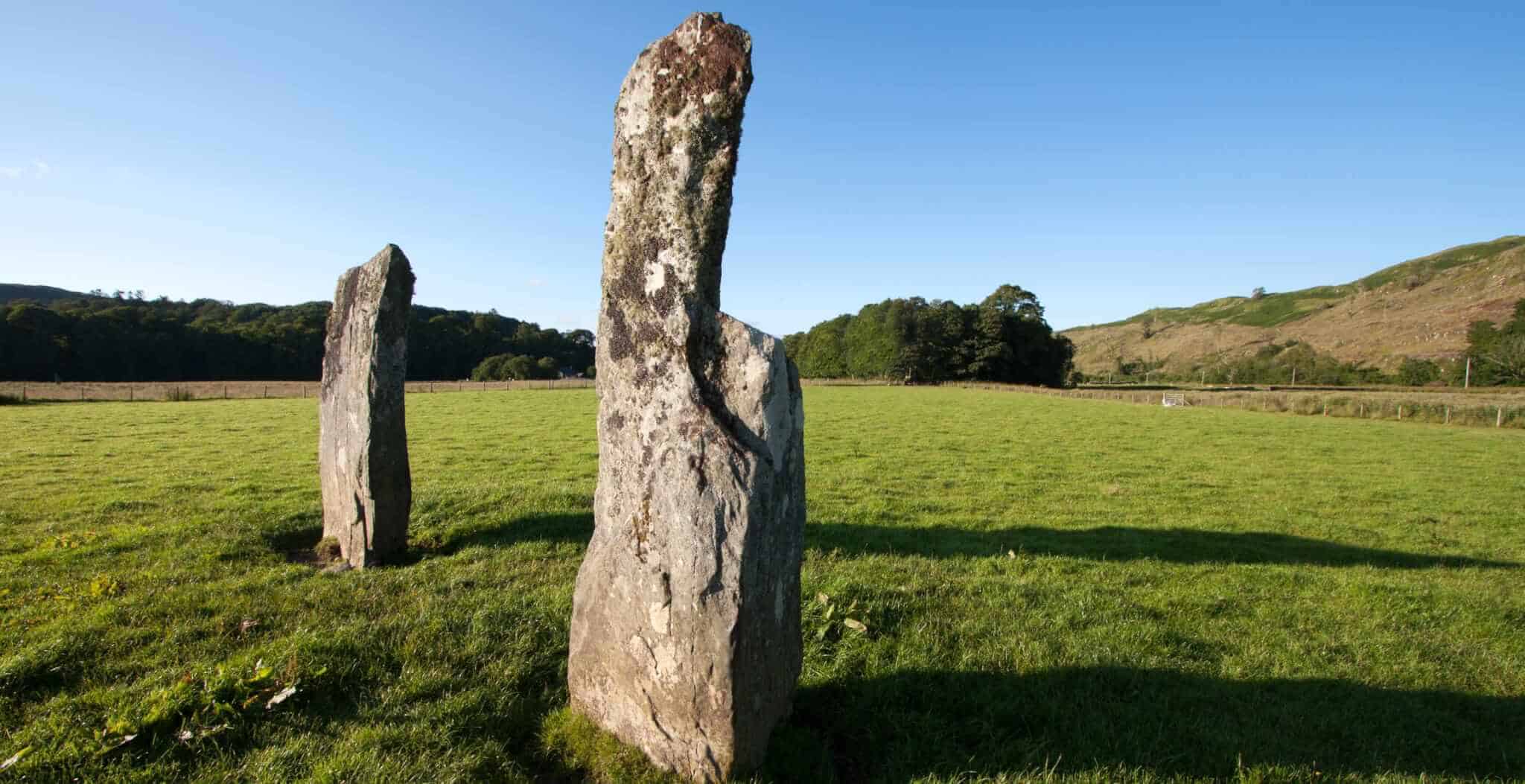
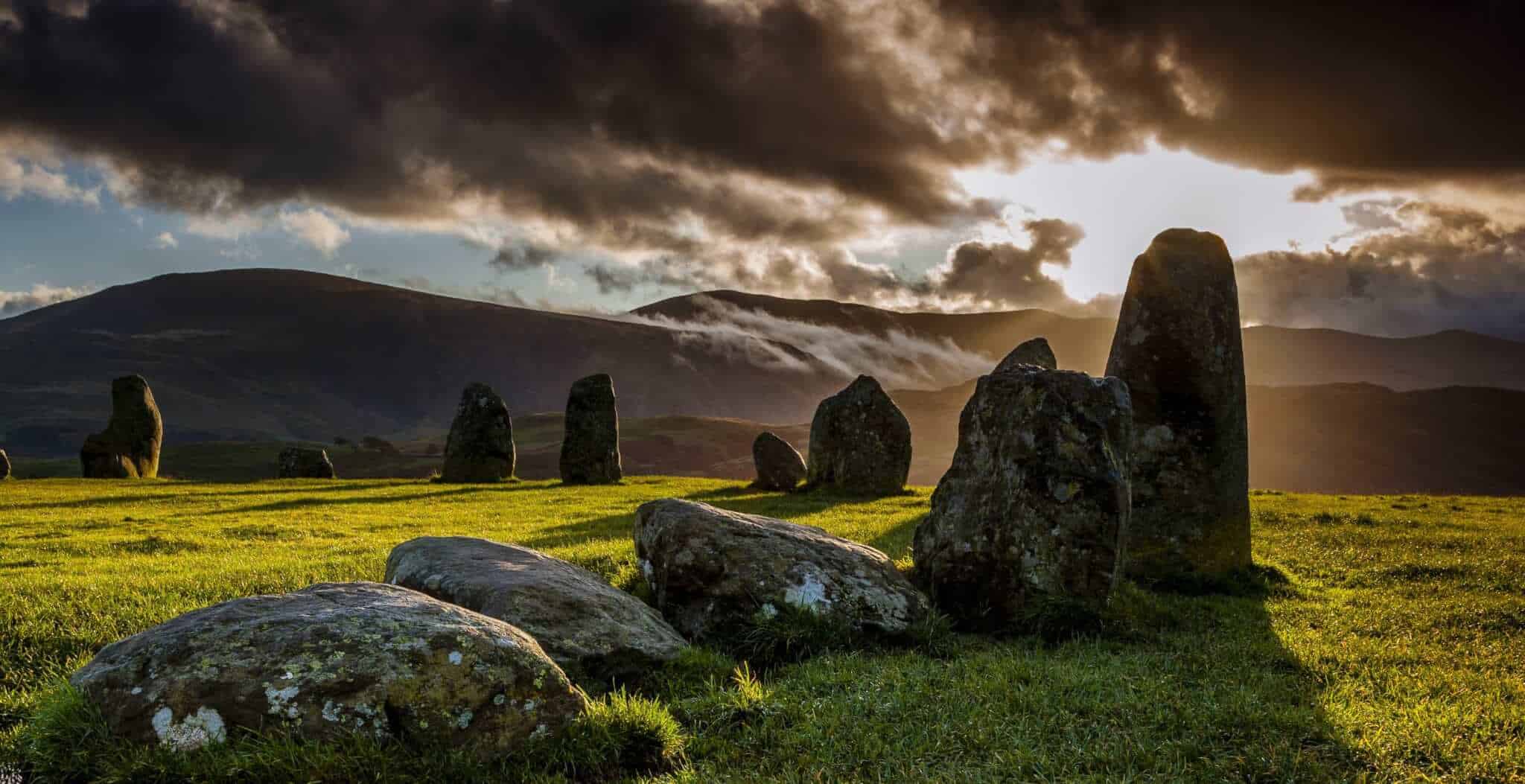
| c. 4,000 – 2,300 BC | Neolithic (New Stone) Age. It was in the late Neolithic period that new and strange monuments started to take shape across the British Isles. All constructed using flint tools, the timber circles of Woodhenge date from around 2,300 BC, whilst earth mounds such as Silbury Hill date from about 2,400 BC. The henges and stone circles of Avebury and Stonehenge were erected around 2,500 BC. |
| c. 2,300 – 750 BC | Bronze Age. Around 2,300 BC the first copper metal weapons and jewellery began to arrive in Britain. Shortly after, some clever folk discovered that by adding just a small amount of tin to copper, a new alloy called bronze could be created. Being a much harder and stronger material, bronze tools and weapons soon became the metal of choice. And with these new tools the land could be worked more efficiently with field systems emerging and round houses being built to accommodate the farmers. The earliest hillforts were also constructed in order to protect these new communities. |
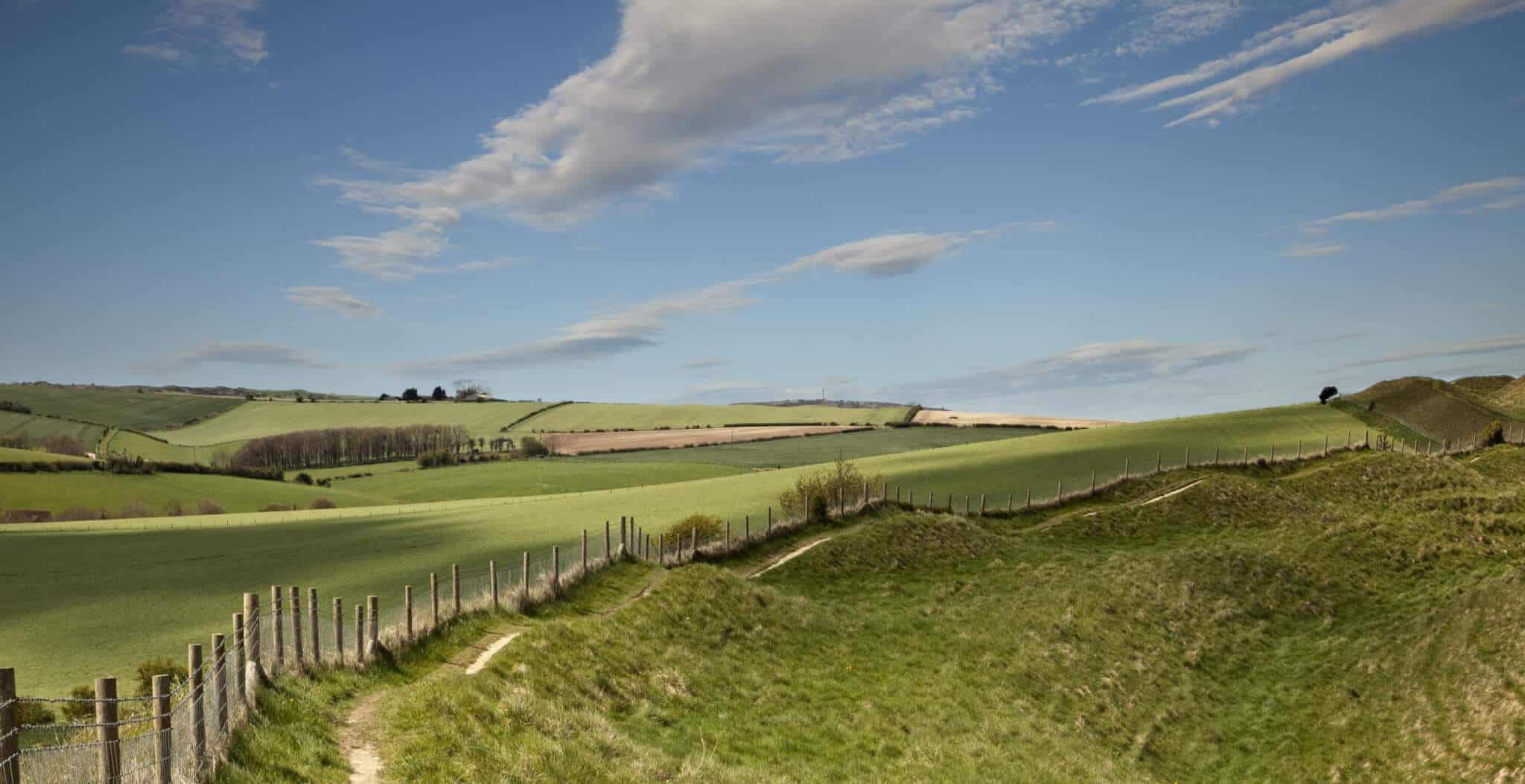
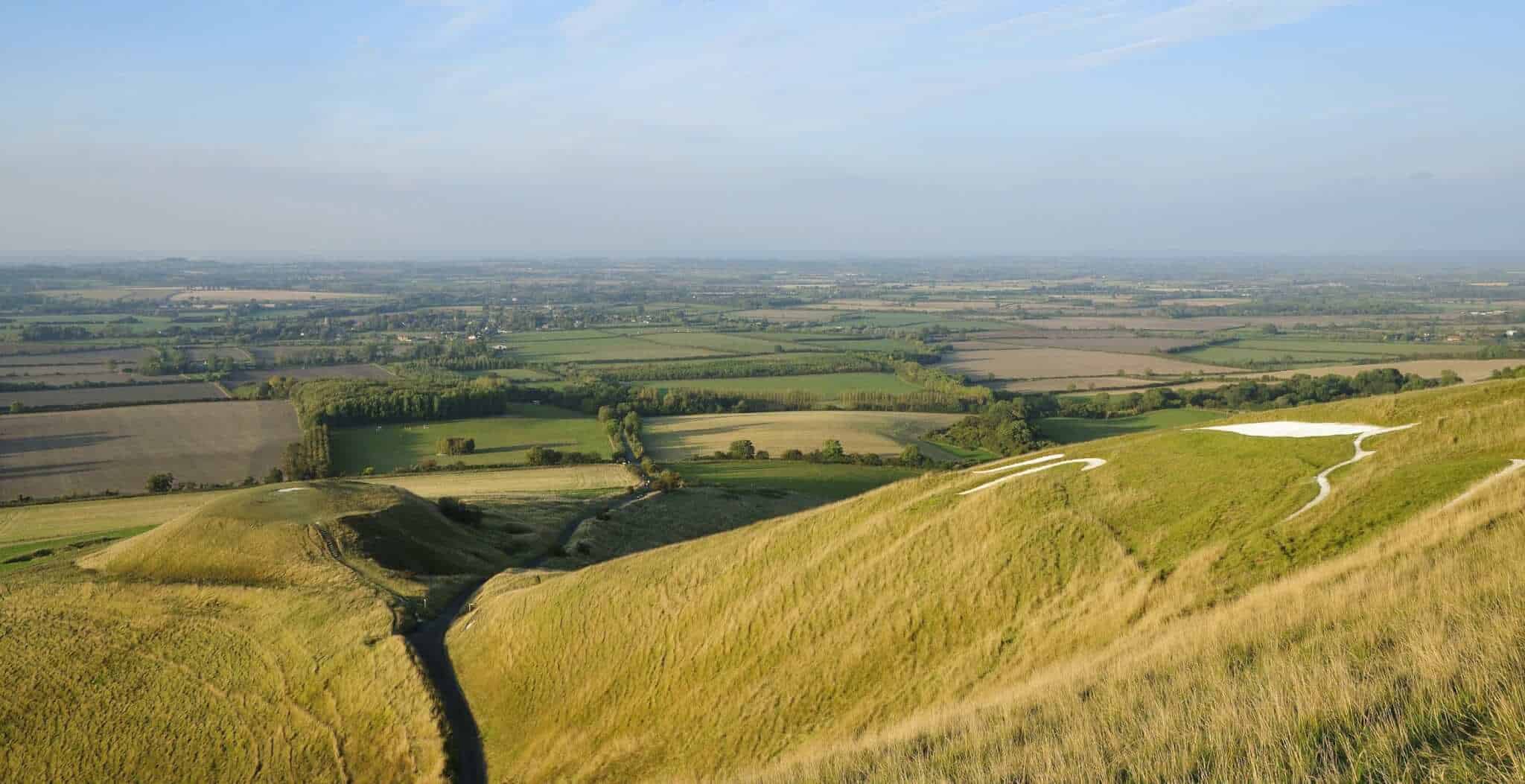
| c. 750 BC – AD 43 | Iron Age. The still harder and stronger metal of iron started to replace bronze tools and weapons. Evidence of fine metalworking including military equipment suggests the emergence of a warrior class. Larger and more elaborate hillforts like Maiden Castle in Dorset and Old Oswestry in Shropshire, were also constructed in order to protect tribal territories and centres. It was during this period that Britain came into contact with the Roman world when Julius Caesar raided Britain in 55-54 BC. With this we have the some of the first written records of the island with the mention of warriors riding chariots and relgious leaders called Druids carrying out human sacrifices. |
Published: 28th March 2015