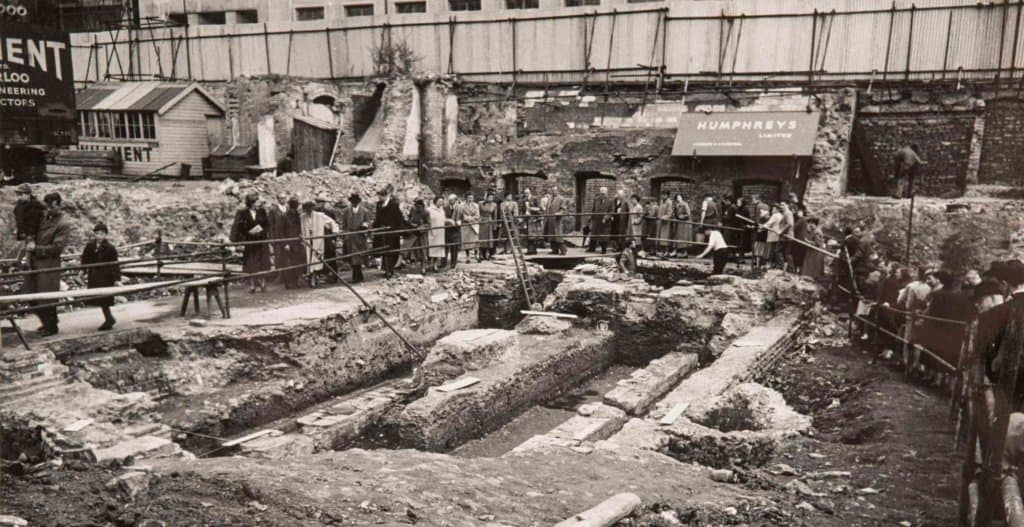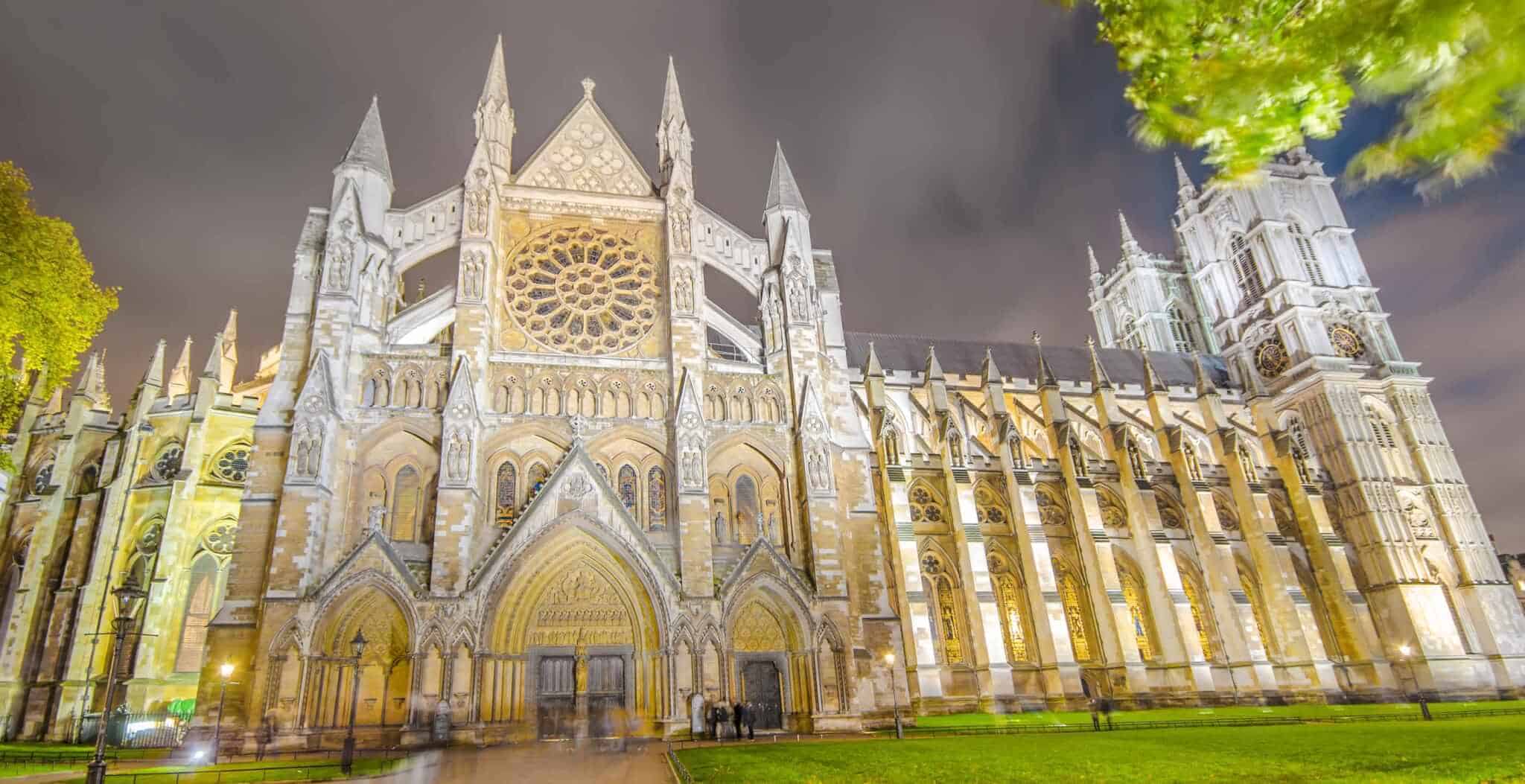


This magnificent and world-famous building is England’s most important church and has been the site of every coronation since that of William The Conqueror in 1066. It was here fifty years ago, on June 2nd 1953 that Queen Elizabeth II was crowned.
Founded as a Benedictine monastery over a thousand years ago, the Church was rebuilt by Edward the Confessor in 1065 and again by Henry III between 1220 and 1272 and is renowned worldwide as an architectural Gothic masterpiece.
Situated in the grounds of a former Benedictine monastery, it was re-founded as the Collegiate Church of St. Peter in Westminster by Queen Elizabeth I in 1560.
Known as the ‘House of Kings’, until 1760 the Abbey was the final resting place of 17 monarchs, including Elizabeth I and Mary I.
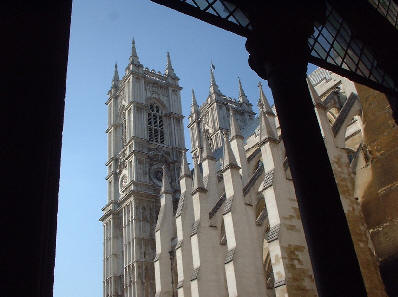
Many monarchs chose to be buried close to the shrine of Edward the Confessor, whose death in 1065 led to the invasion and conquest of England by William the Conqueror. The bones of Edward the Confessor still lie in his Shrine behind the High Altar.
The Abbey is packed with tablets, statues and inscriptions commemorating kings, queens, knights, writers, actors, musicians, scientists and statesmen, not all of whom are buried in the Abbey. Some famous people buried here include the poets Chaucer, Tennyson and Browning, as well as the writers Charles Dickens and Rudyard Kipling. The Abbey is also home to the tomb of the Unknown Soldier. It is believed that there are around 3,300 people buried in the Church and Cloisters.
One person commemorated in Westminster Abbey is Thomas Parr who lived for 152 years and 9 months through the reigns of ten monarchs. He was buried in the Abbey by order of King Charles I.
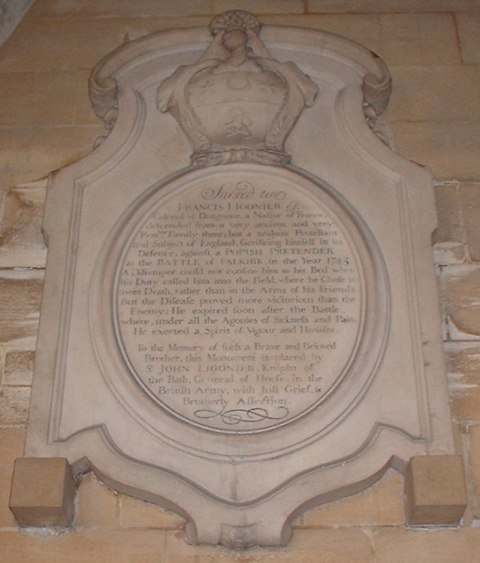
One interesting plaque is that to the memory of Francis Ligonier who rose from his sick bed to confront the enemy at the Battle of Falkirk in 1785. He survived the battle only to succumb to the disease shortly afterwards.
The Abbey has not only been the setting for Coronations, it has also witnessed numerous other royal occasions such as state weddings and funerals, including the funeral of Diana, Princess of Wales in 1997.
Services have been held at the site for more than a thousand years and Westminster Abbey still offers worship every day of the year.
It stands just west of the Houses of Parliament in the Greater London borough of Westminster.
For a peaceful retreat from the hustle and bustle of everyday life in the Capital, stroll through Liddell’s Arch into Little Deans Yard, (the square behind the Abbey by Westminster School) or pause for reflection in the cloisters.
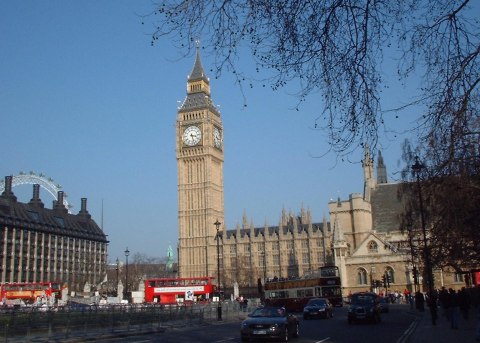
Westminster Abbey (right foreground) with Big Ben and The Houses of Parliament in the centre and the London Eye (back left).
Getting here
Westminster Abbey is easily accessible by bus and rail, please try our London Transport Guide for further information.
Cathedrals in Britain
Browse our interactive map showing the Christian Cathedrals of Britain.
Museums
View our interactive map of Museums in Britain for details of local galleries and museums.