

The most famous motorcycle races in the world, the Isle of Man Tourist Trophy (TT) Races, celebrated their 100th anniversary in 2007. The first TT that started at 10am on 28th May 1907 proved so popular that it became an annual event. As public roads were not permitted to be closed for racing events on mainland Britain, fans returned year after year to enjoy those early pioneering motorcycle races.
These races would ultimately help to establish the world dominance of the British motorcycle manufacturing industry.
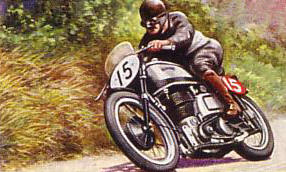
But a century, in terms of the overall history of the Isle of Man, is a mere scratch on the surface. And those that now tour the full 37.73 mile island circuit at average speeds approaching 130mph perhaps need to slow down a little to more fully appreciate the sights and history of the home of what is said to be the oldest continuous parliament in the world.
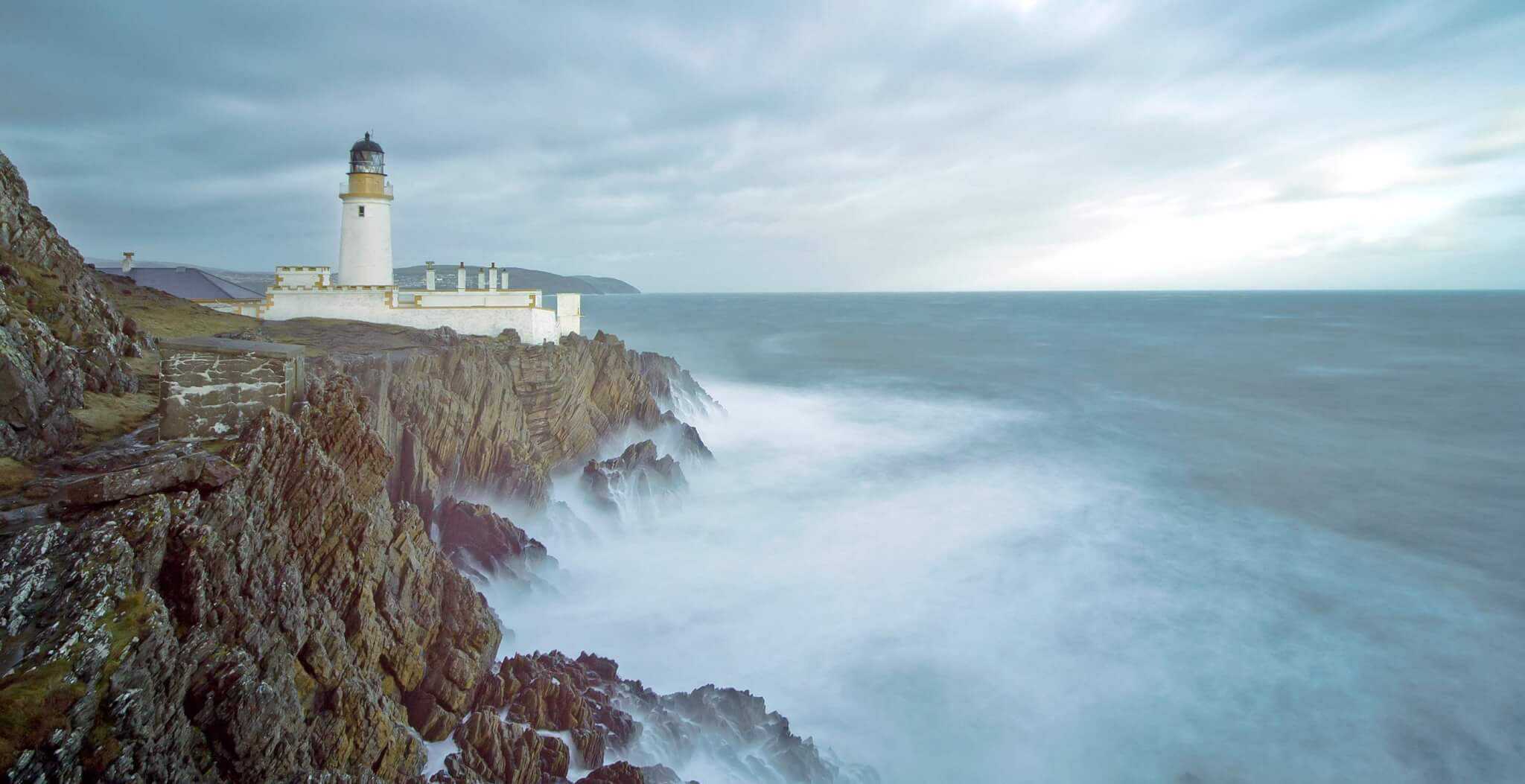
Located in the middle of the Irish Sea, almost equidistant between England, Scotland, Wales and Ireland, the Isle of Man is a unique self-governing kingdom – a Crown dependency that belongs to neither the UK nor the European Union. The 33-mile long island boasts its own parliament (known as Tynwald), laws, traditions and culture.
 The Isle of Man became an island around 8,000 BC, when melting glaciers caused sea levels to rise cutting off Mesolithic Britain from mainland Europe. The first human occupation arrived on the island as the ice-age retreated sometime before 6500 BC.
Strategically located as it is in the middle of the Irish Sea, the Isle of Man has inevitably attracted the attention of many welcome traders and other not so welcome raiders.
Early in its history the first Celtic tribes arrived and began to inhabit the island; it is likely that these immigrants arrived from Ireland, as the current Manx Gaelic language so closely resembles Irish Gaelic. The island’s name derives from Manannán, a Celtic sea god.
The island’s conversion to Christianity in the fifth century is generally attributed to St Maughold, an Irish missionary with a very colourful past.
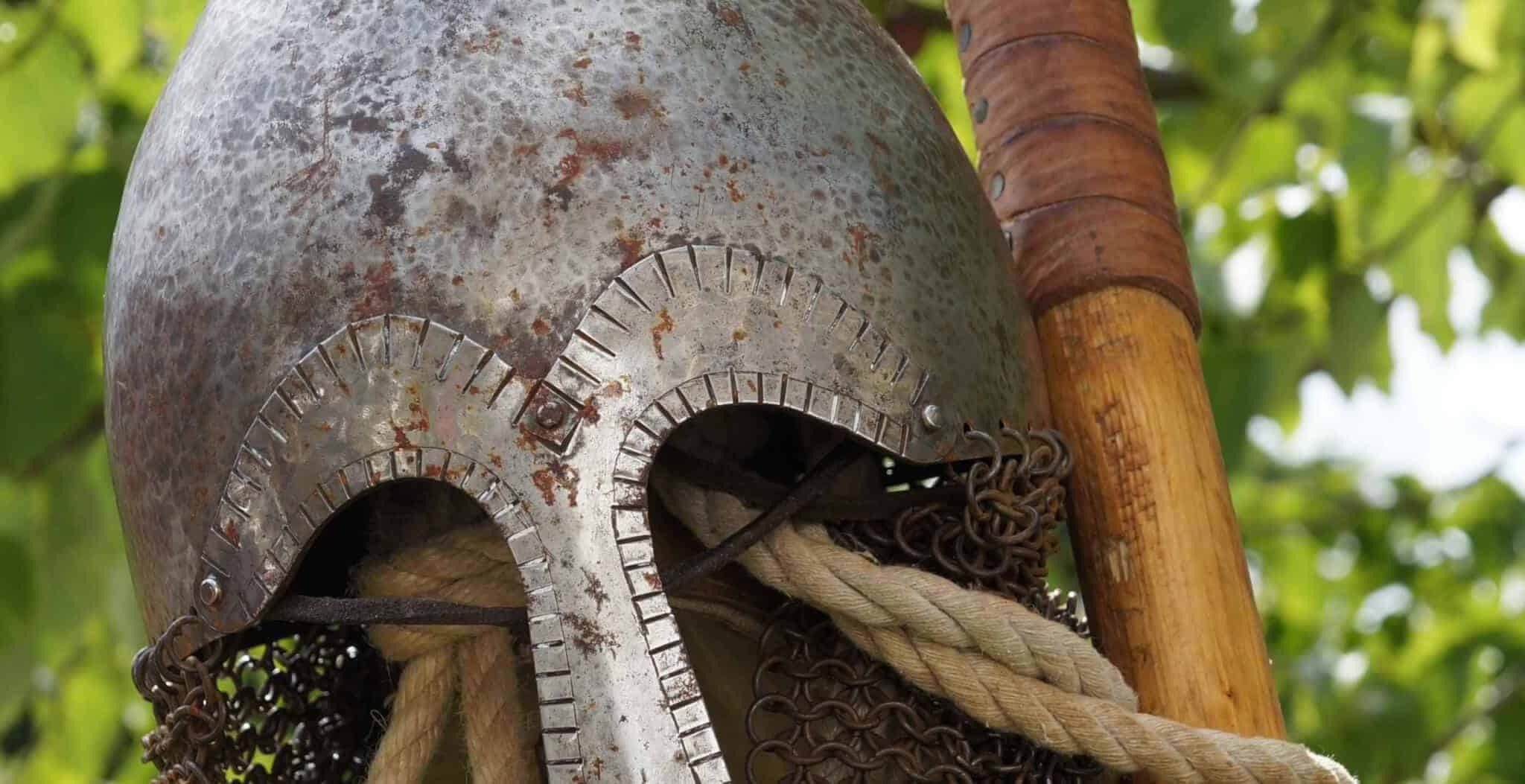
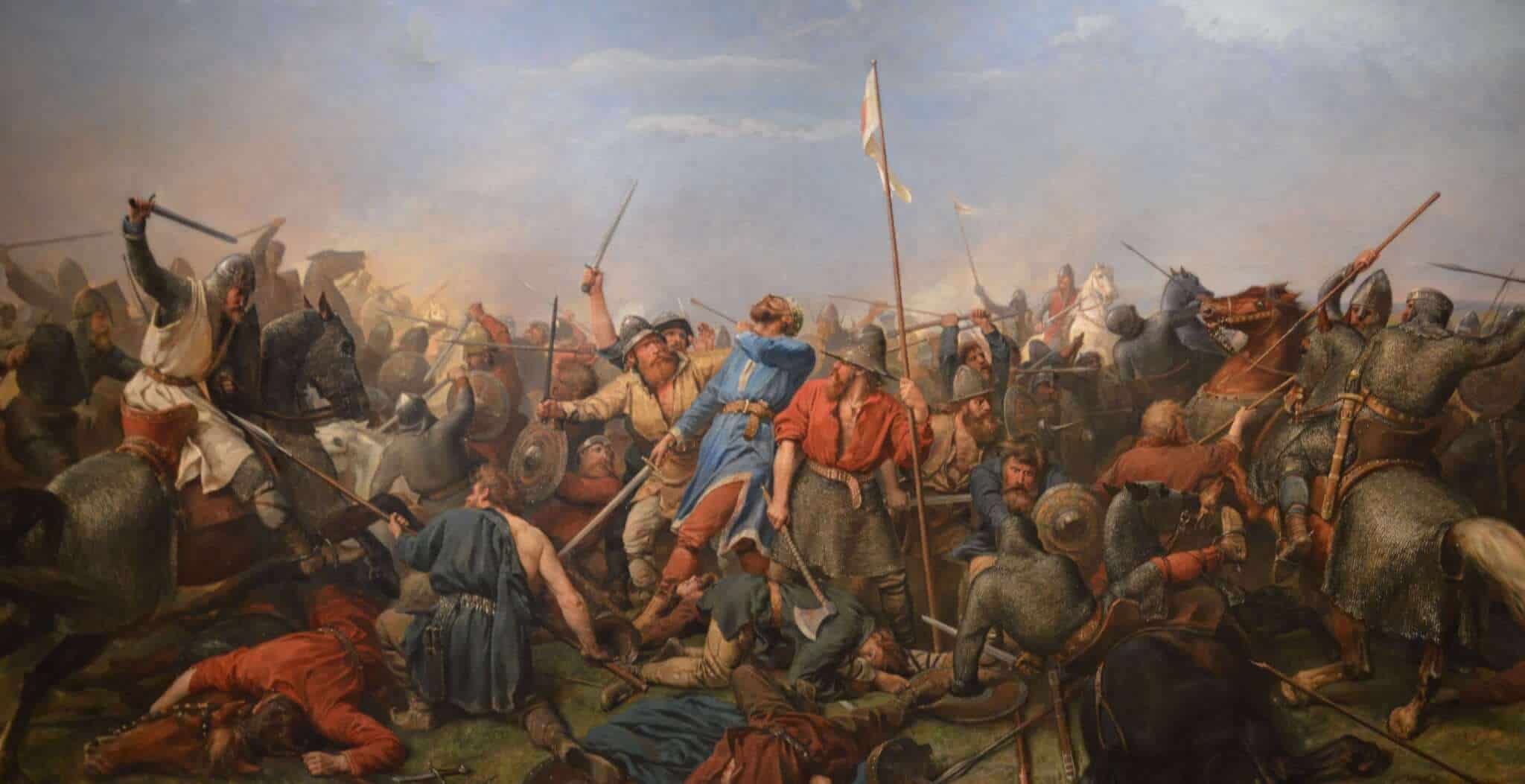
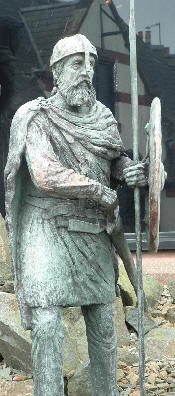
Between AD 800 and AD 815 the first Scandinavian tourists began to arrive. Initially these Vikings came on wealth distribution schemes, or as some refer to it ‘to pillage and plunder’; however by 850 it appears that they began to settle. The island became an important staging post in connecting the Viking outposts of Dublin, northwest England and the Scottish Western Isles.
The Isle of Man eventually came under the rule of the Scandinavian Kings of Dublin, and it was the Vikings in AD 979 who established the self-governing parliament of the island known as Tynwald. The annual ceremonial meeting, usually occurring on 5th July, continues to be held at Tynwald Hill where new laws are announced.
In 1266 the Treaty of Perth ended the military conflict between Norway and Scotland over the sovereignty of the Hebrides, Caithness and the Isle of Man. In the treaty Norway recognised Scottish sovereignty over the disputed territories in return for a lump sum of 4,000 marks and an annuity of 100 marks.
England’s first claim to the Isle of Man appears to date from 1290, when King Edward I (Hammer of the Scots) took possession of the island. Over the next few decades the island alternated between Scottish and English rule until the struggle was eventually decided in England’s favour.
Manx history appears to have gained stability when in 1405, King Henry IV granted the island to Sir John Stanley on a feudal basis, with fees and homage promised to all future kings of England. This stability was ensured by successive generations of rule by the Stanley family.
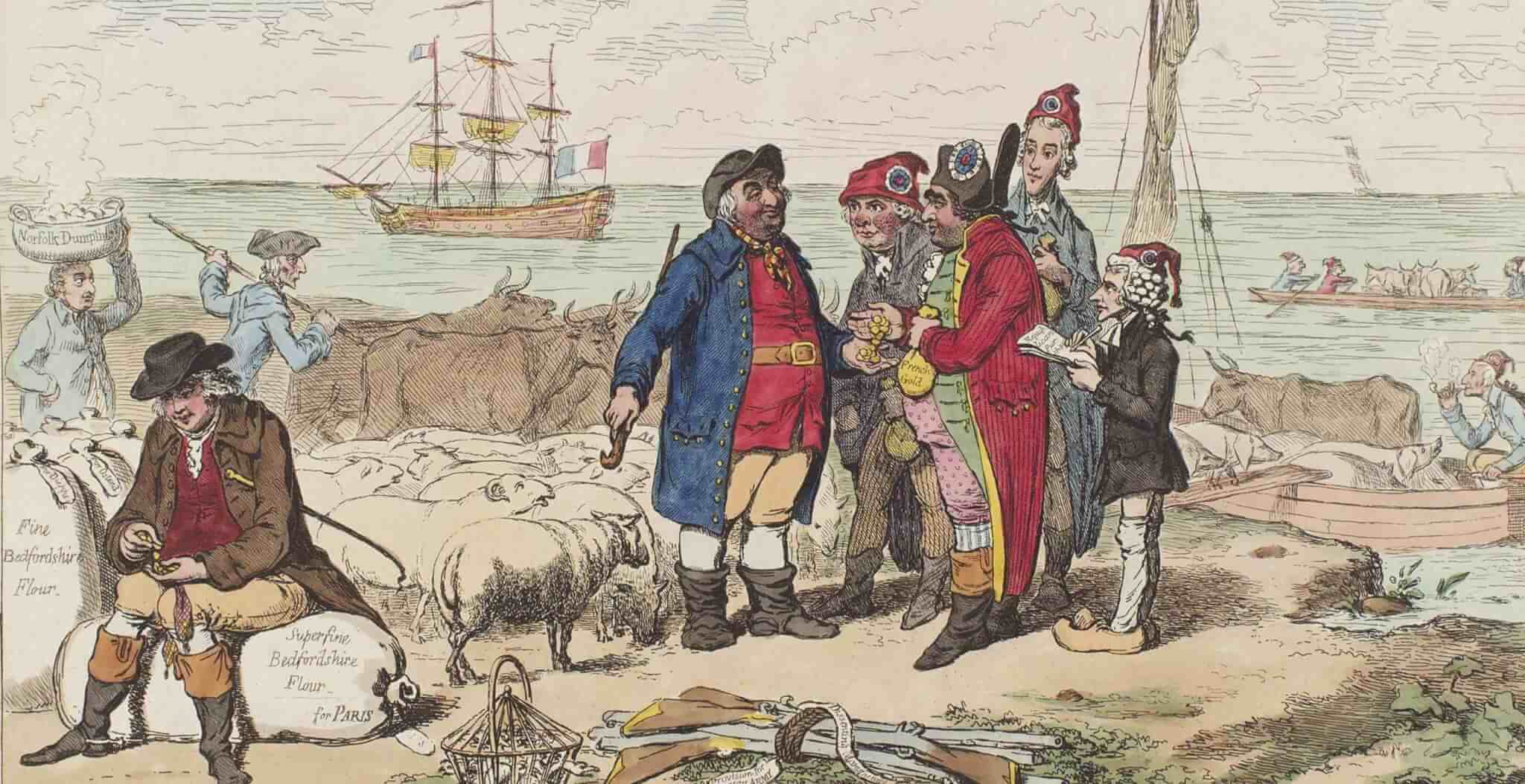
Due to its convenient off-shore location, the Isle of Man became an important centre for the illegal contraband trade throughout much of the fifteenth and sixteenth centuries. The government at Westminster attempted to legislate against such trade with the passage of the Smuggling Act in 1765. The Manx-folk however had their own term of endearment for this piece of legislation; they referred to it as the Mischief Act.
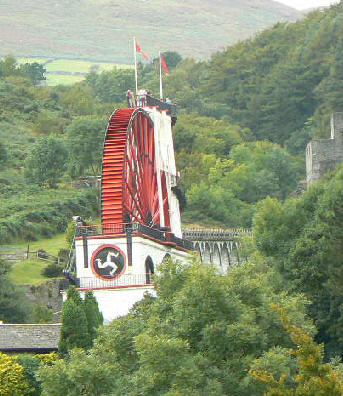
The Industrial Revolution appears to have arrived on the island in 1854 with the building of the largest waterwheel in the world. At 72 feet in diameter, the Laxey Wheel was constructed to pump water from the lead mines some 200 fathoms below.
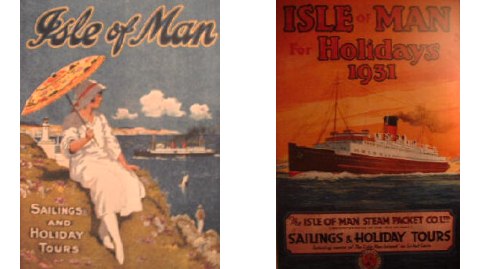
It was also around this time the economy of the Isle of Man also began to change with the influx of the new tourist pound, transported then, as it still is today, mainly by the Isle of Man Steam Packet Company.
The island’s infrastructure quickly adapted to cope with the massive influx of tourists with the building of the Isle of Man Steam Railway, Manx Electric Railway and Snaefell Mountain Railway systems.
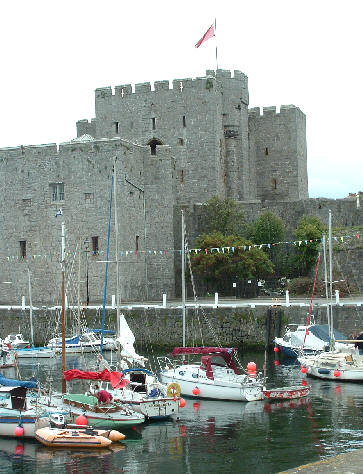
Today leatherclad tourists from around the world still flood to the Isle of Man each year in May and June for the TT Races. Outside of these dates however, visitors can enjoy perhaps at a more sedate pace the historical sites of this unique island; including the Laxey Wheel, Castle Rushen and Peel Castle. Whilst in Peel, the superb House of Manannan interactive museum is not to be missed. Please follow this link for more details concerning these fascinating museums and heritage sites.
The Three Legs of Man, as seen on the front of the image of the Laxey Wheel above, remains the island’s symbol of independence, and whilst there is much debate about which way the legs should run, its meaning is undisputed: Quocunque Jeceris Stabit – ‘Whichever way you throw me I stand’.
Tours of the Historic Isle of Man
For more information concerning tours of the historic Isle of Man, please follow this link.