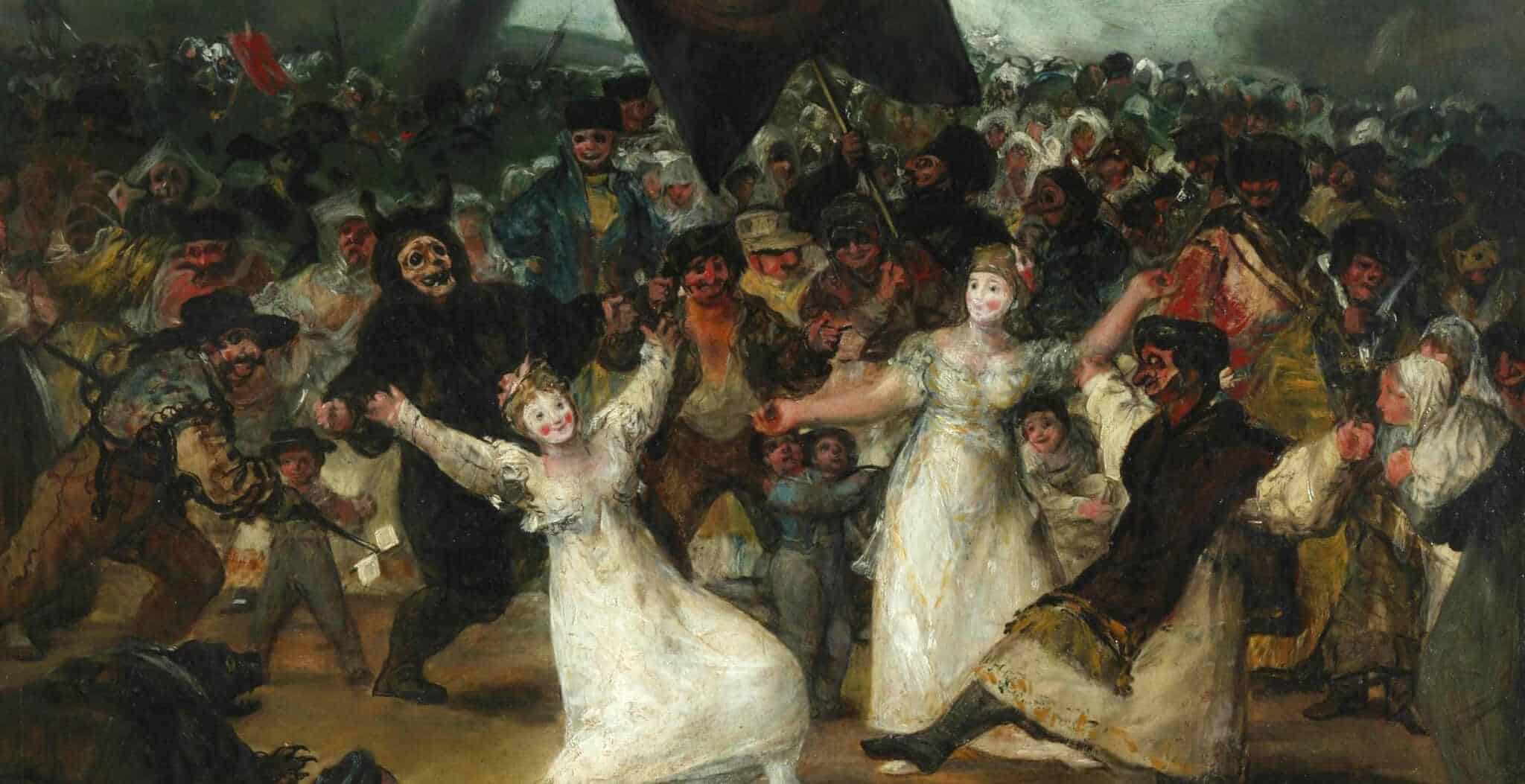


Halloween or Hallowe’en is now celebrated across the world on the night of 31st October. Modern day celebrations generally involve groups of children dressed in scary costumes roaming from house to house, demanding “trick-or-treat”. Fearing the worst, intimidated householders normally hand over vast amounts of treats in the form of chocolates and sweets to avoid whatever dastardly tricks may have been dreamt up by these little miscreants. The origins of these celebrations however date back thousands of years, to pagan times.
Halloween can be traced back to the ancient Celtic festival of Samhain. Until 2,000 years ago, the Celts lived across the lands we now know as Britain, Ireland and northern France. Essentially a farming and agricultural people, the Pre-Christian Celtic year was determined by the growing seasons and Samhain marked the end of summer and the harvest and the beginning of the dark cold winter. The festival symbolised the boundary between the world of the living and the world of the dead.
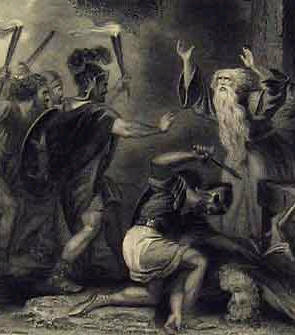
It was believed by the Celts that on the night of 31st October, ghosts of their dead would revisit the mortal world and large bonfires were lit in each village in order to ward off any evil spirits that may also be at large. Celtic priests, known as Druids, would have led the Samhain celebrations. It would also have been the Druids who ensured that the hearth fire of each house was re-lit from the glowing embers of the sacred bonfire, in order to help protect the people and keep them warm through the forthcoming long, dark winter months.
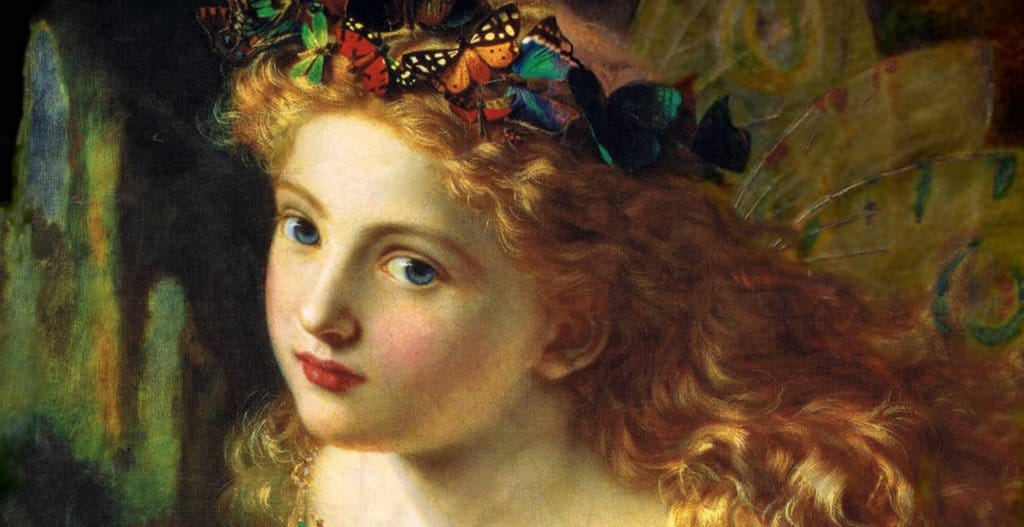
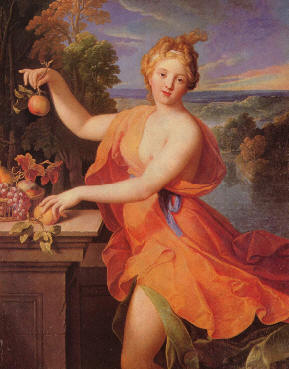 The Romans conquered much of the Celtic tribal lands when they invaded from mainland Europe in AD 43, and over the next four hundred years of occupation and rule, they appear to have assimilated many of their own celebrations into the existing Celtic festivals. One such example may help to explain the current Halloween tradition of ‘bobbing’ for apples. The Roman goddess of fruit and trees was known as Pomona (pictured to the right), and her symbol just happened to have been that of the apple.
As the Romans moved out of Britain in the early 5th century, so a new set of conquerors began to move in. First Saxon warriors raided England’s south and east coasts. Following these early Saxon raids, from around 430 a host of Germanic migrants arrived in east and southeast England, including Jutes from the Jutland peninsula (modern Denmark), Angles from Angeln in southwest Jutland and the Saxons from northwest Germany. The native Celtic tribes were pushed to the northern and western extremes of Britain, to present day Wales, Scotland, Cornwall, Cumbria and the Isle of Man.
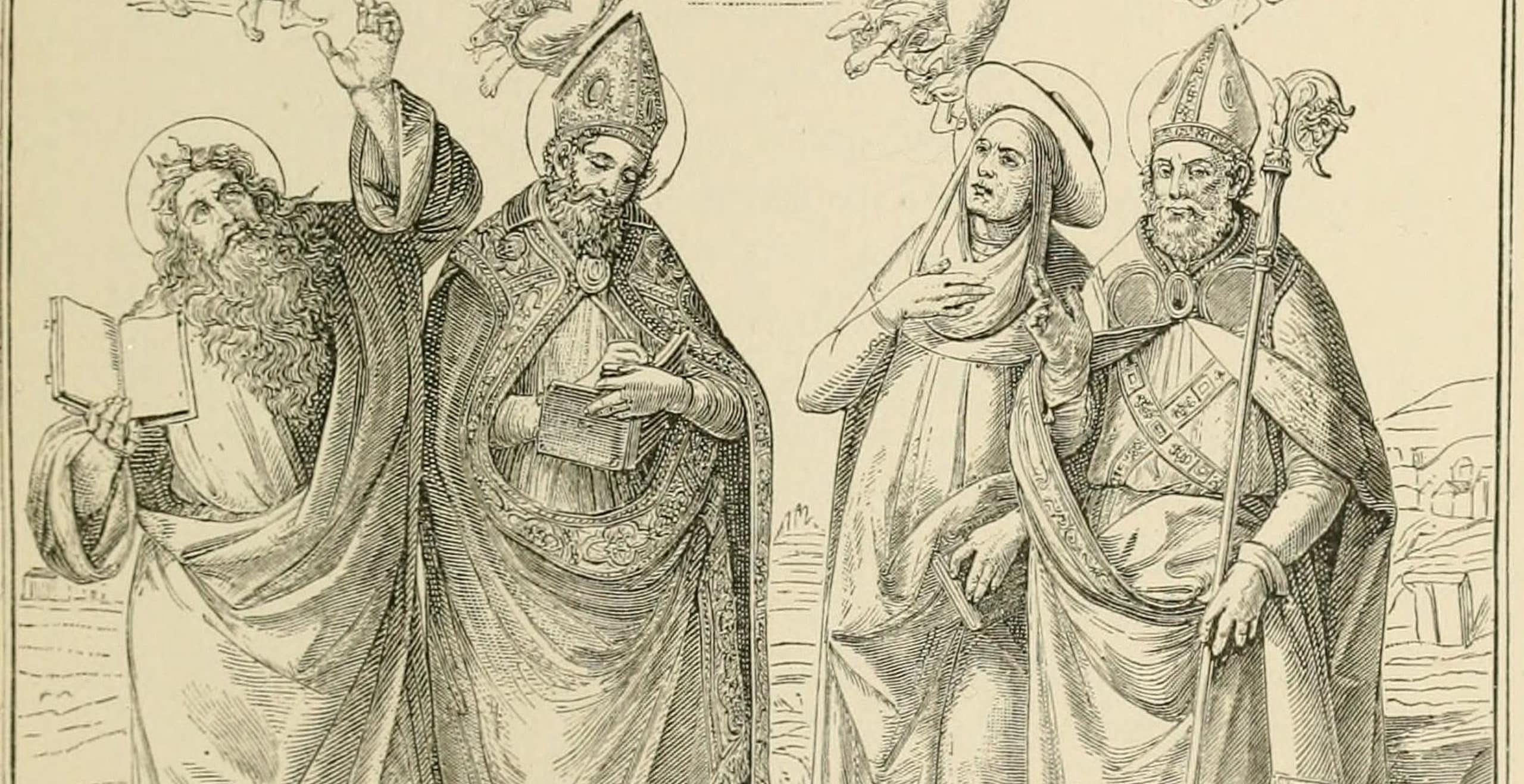
In the decades that followed, Britain was also invaded by a new religion. Christian teaching and faith was arriving, spreading inwards from those northern and western extremities from the early Celtic Church, and up from Kent with the arrival of Saint Augustine from Rome in 597. Along with the Christians arrived the Christian Festivals and amongst them “All Hallows’ Day”, also known as “All Saints Day”, a day to remember those who had died for their beliefs.
Originally celebrated on 13th May, it was Pope Gregory who had the date of the All Hallows’ feast moved to 1st November sometime in the 8th century. It is thought that in doing so, he was attempting to replace or assimilate the Celtic Samhain festival of the dead with a related but church approved celebration.
The night or evening of Samhain therefore became known as All-hallows-even then Hallow Eve, still later Hallowe’en and then of course Halloween. A special time of the year when many believe that the spirit world can make contact with the physical world, a night when magic is at its most potent.
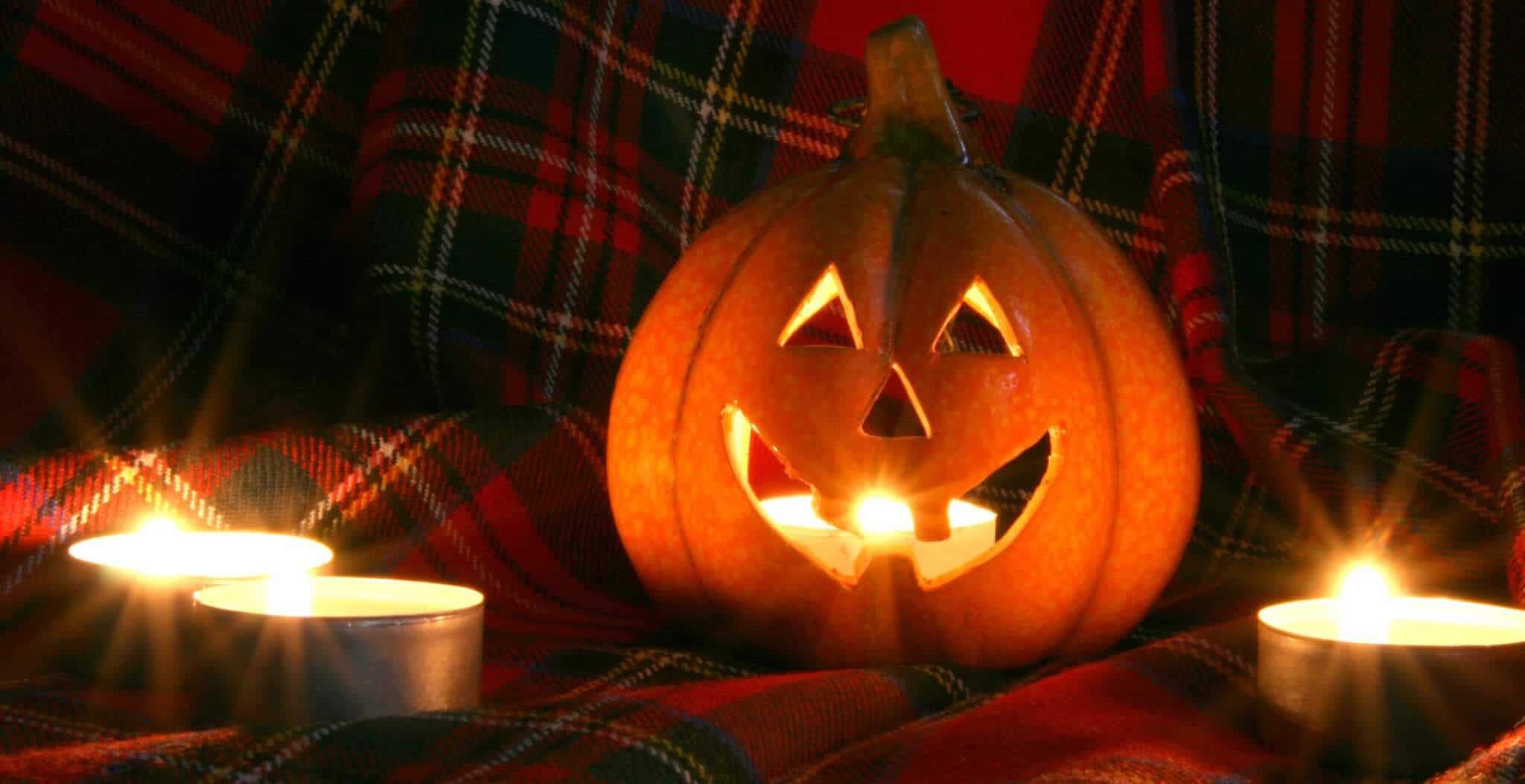
Throughout Britain, Halloween has traditionally been celebrated by children’s games such as bobbing for apples in containers full of water, telling ghost stories and the carving of faces into hollowed-out vegetables such as swedes and turnips. These faces would usually be illuminated from within by a candle, the lanterns displayed on window sills to ward off any evil spirits. The current use of pumpkins is a relatively modern innovation imported from the United States, and we can also extend the same debt of gratitude to our friends in America for that ‘quaint’ “trick-or-treat” tradition!